The climate pattern putting millions at risk: El Niño explained
The story from a human perspectiveA farmer in Zambia who hasn't seen a maize harvest. A mother in Somalia carrying her sick children through floodwater. A baby in Malawi, crying because she's starving.These aren't isolated stories. They're what happens when El Niño arrives.El Niño made simpleEl Niño is a natural climate pattern, a periodic warming of the Pacific Ocean that shifts weather around the world. It's not new, and it's not caused by climate change, although climate change can worsen its impact. Forecasters expect El Niño to intensify in coming months and to possibly stretch into early 2027.
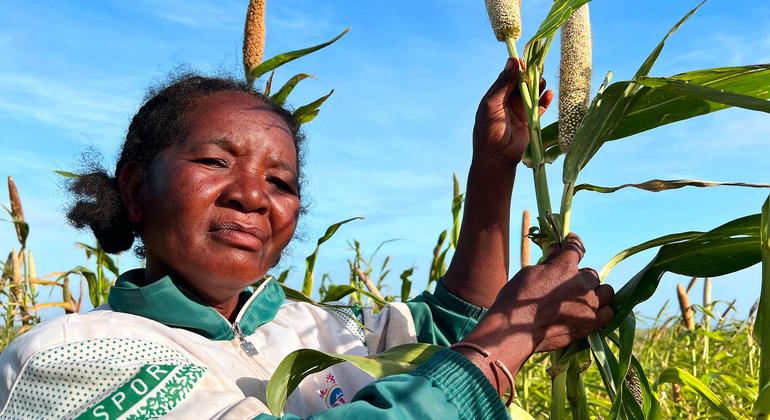
© WFP/Gabriela Vivacqua
A farmer inspects a drought-stricken maize crop in Zambia.
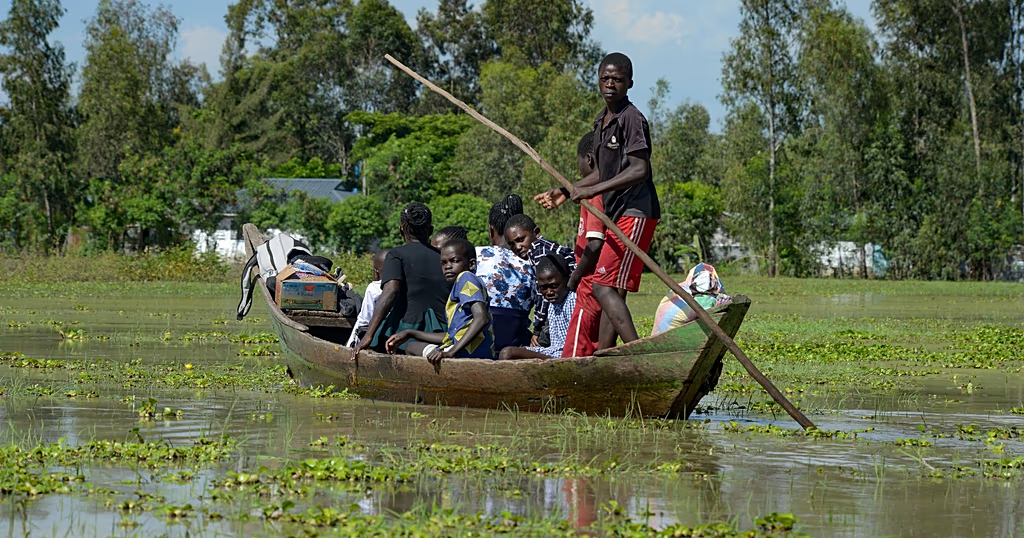
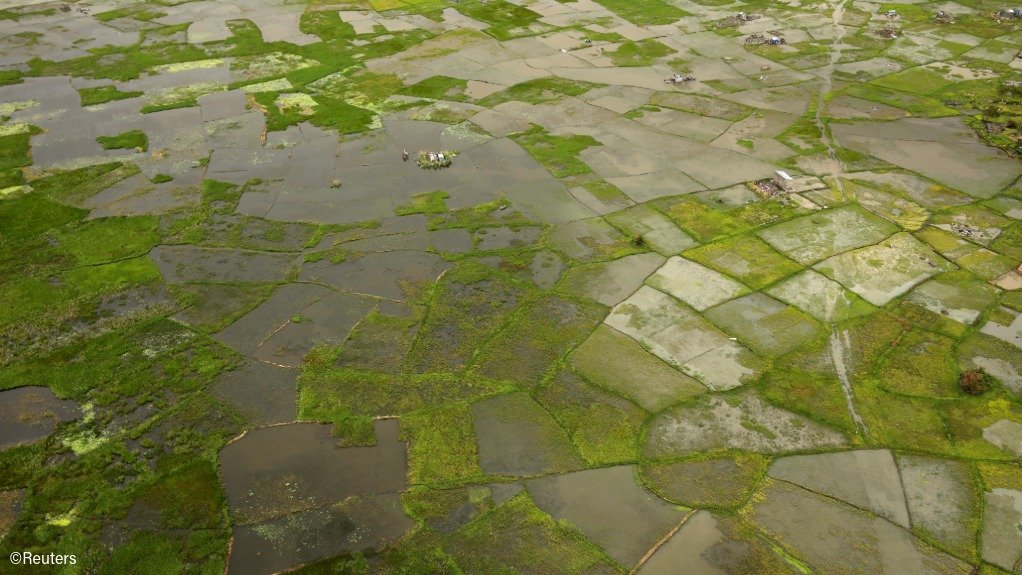
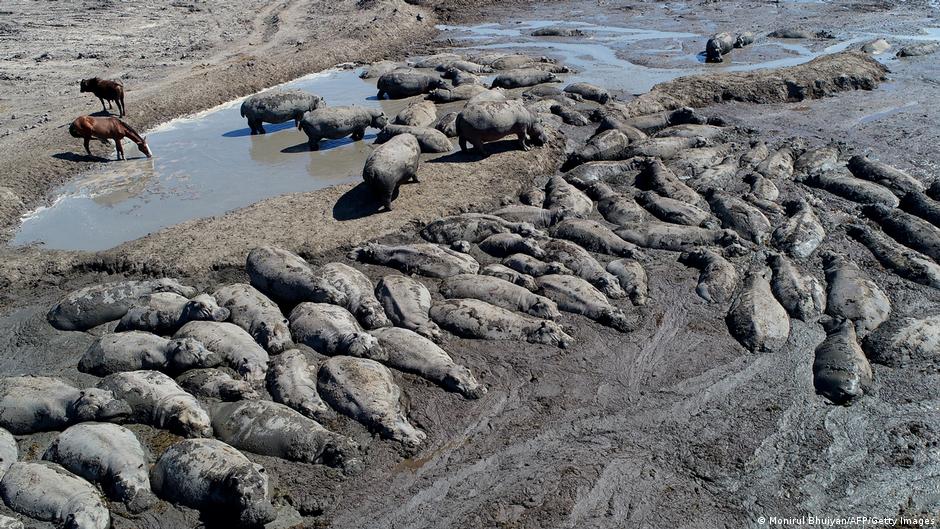
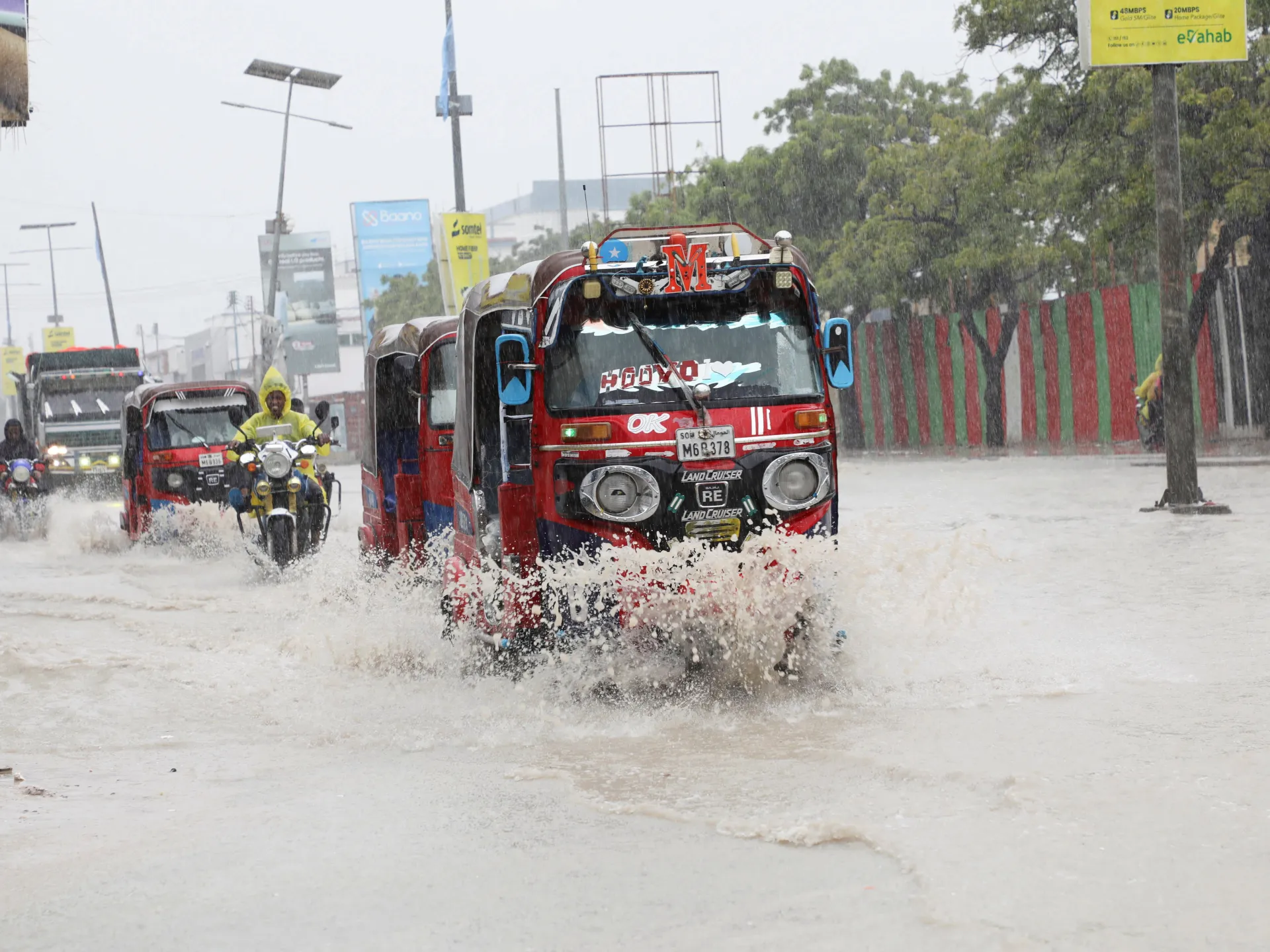
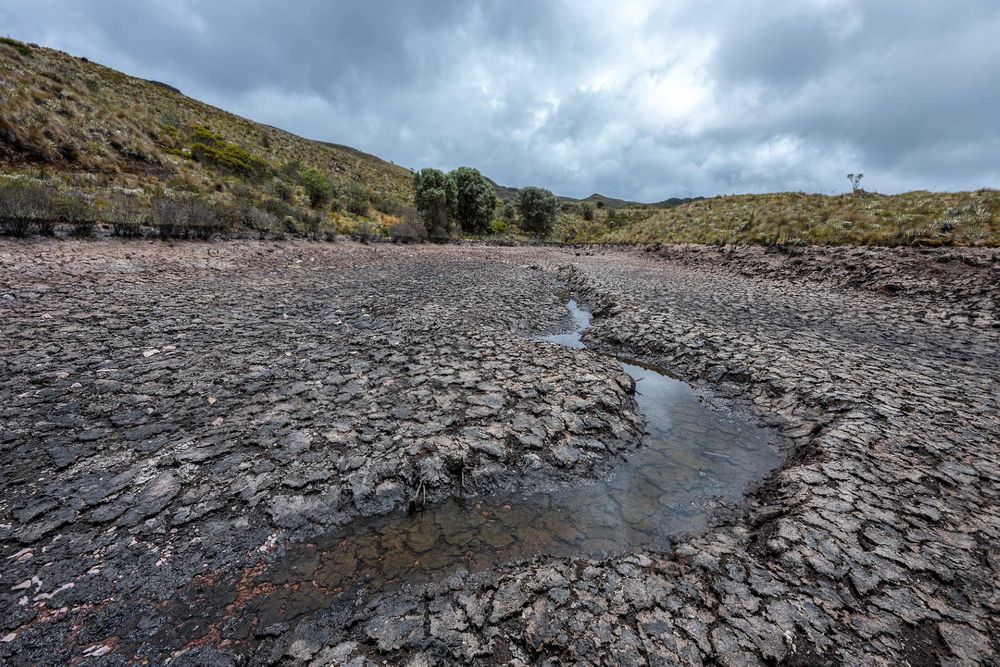
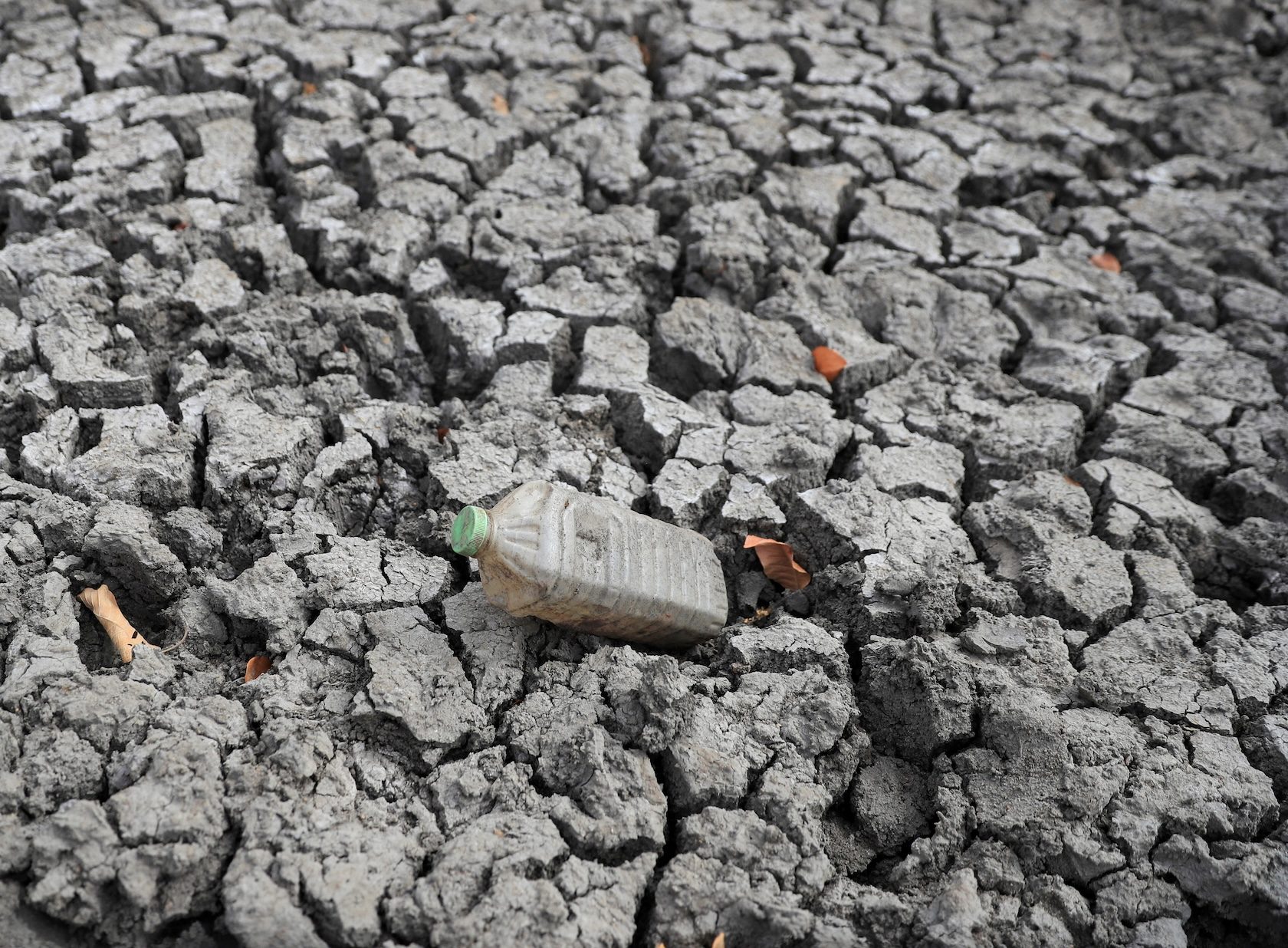
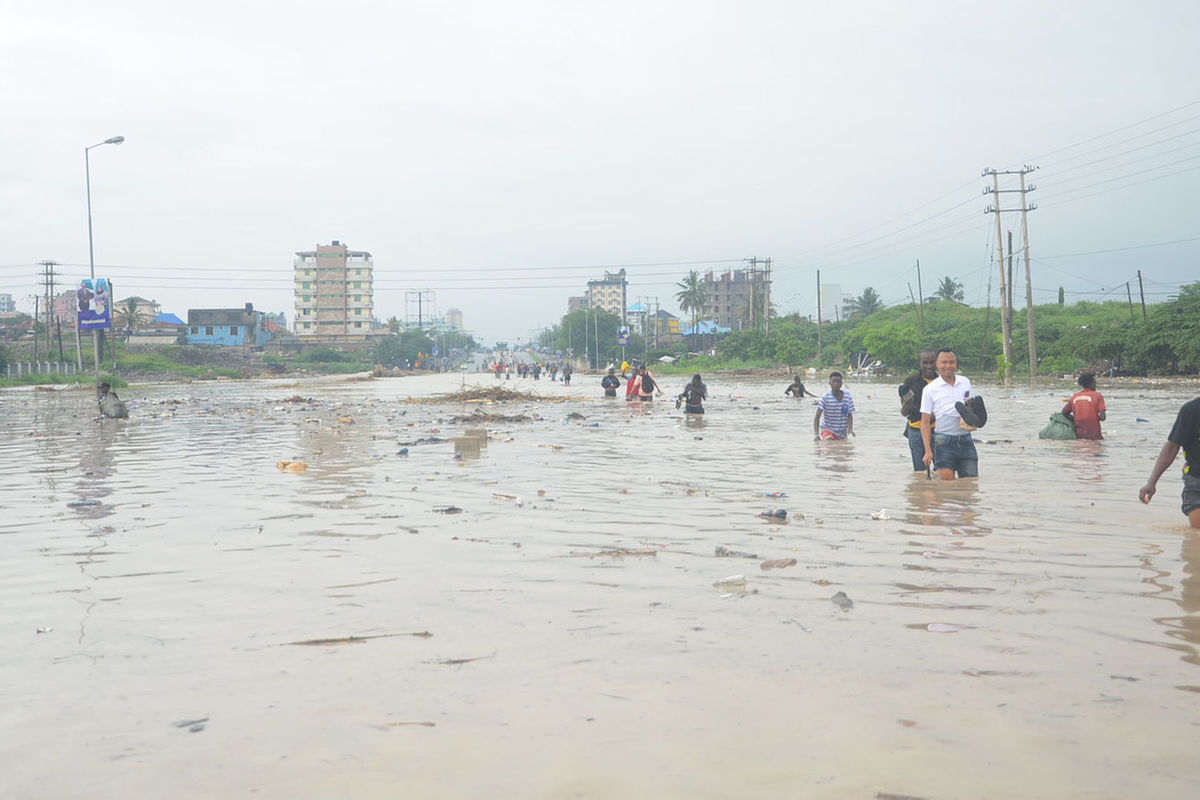
For millions of people in southern and eastern Africa, that's not a weather forecast. It's a stark warning.Where the threat lands and howEl Niño doesn't hit everywhere the same way.In eastern Africa, from Somali to Tanzania, it tends to mean too much rain. Flash floods, rivers bursting their banks, landslides, homes underwater, roads washed out, clinics and schools cut off.In southern Africa, from Zambia to South Africa and from Namibia to Mozambique, it usually means the opposite; not enough rain which means crops failing, water sources drying up, and pastures disappearing.