By
ELLA KITCHENS/The Reporting Project
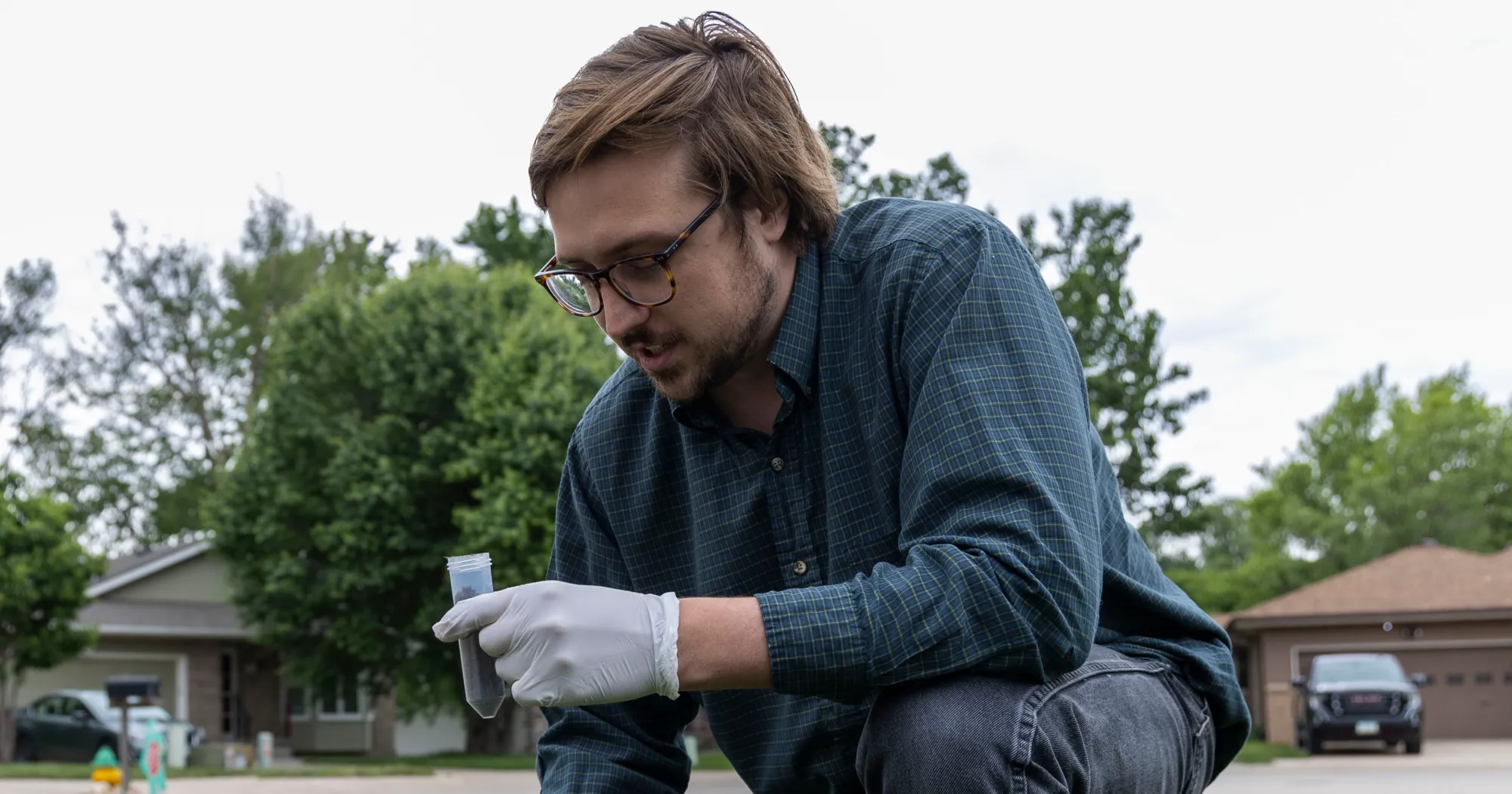
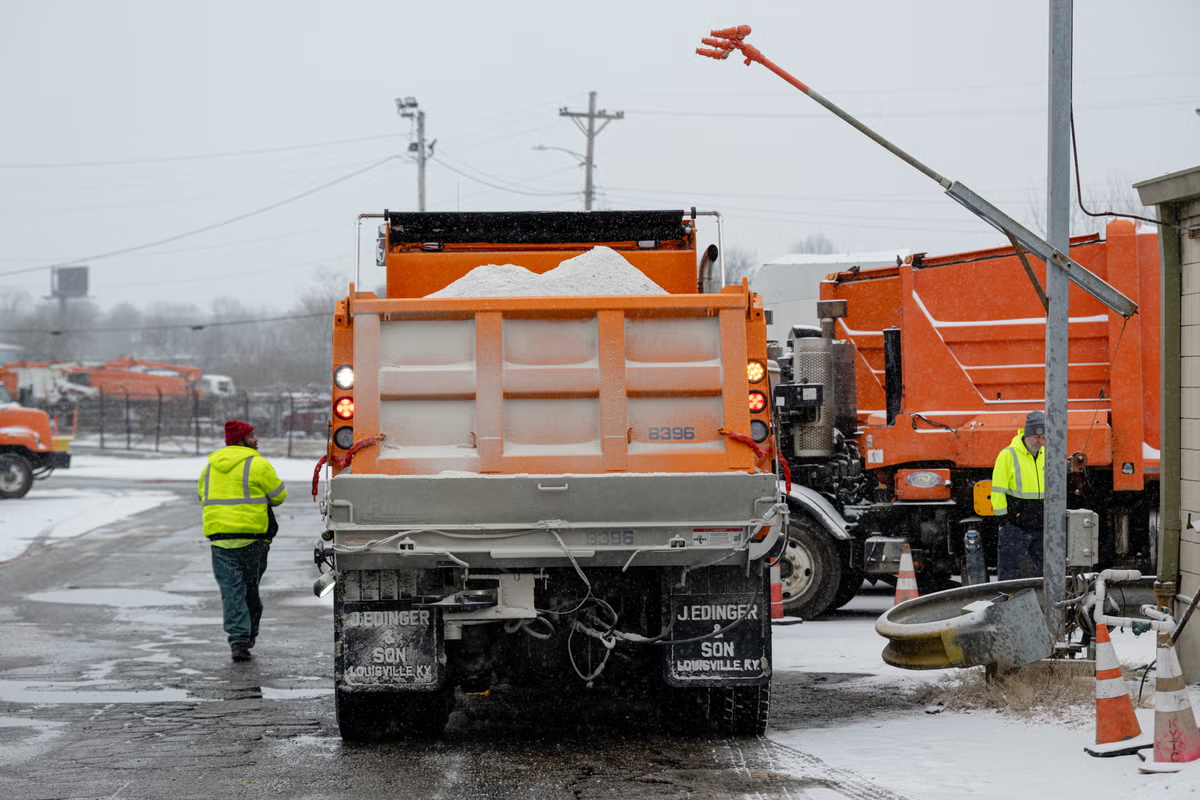
For more than four decades, oilfield brine has been spread across Ohio roadways, but its radioactive contents are known to cause serious health issues.Oilfield brine, a byproduct of oil and gas development, is applied on roads in some townships in Licking County in order to melt ice and control dust. Researchers from the Ohio State University want to understand how exposure to oilfield brine could be impacting the long-term health of people who live in communities where it is spread. That includes parts of Licking, Coshocton and Ashtabula counties.Dr. Arbor Quist is an environmental epidemiologist and an assistant professor at OSU, and is the principal investigator on this exploratory study, leading and overseeing the team involved.“I’ve been working on issues related to the health effects of oil and gas development for the past decade,” Quist said. “But this project is just starting this summer, and so the work in Licking County is just starting this summer.”
This work will involve collecting data in unconventional ways: through gathering toenail clippings, naturally shed baby teeth and soil samples. Adults who have lived in Licking County for the past 12 months are eligible to donate their toenail clippings. If they are donating a baby tooth, the child who the tooth is from must have lived in the county for the second and third trimesters of pregnancy and during their first year of life. The researchers are offering gift cards for participation.Oilfield brine is not just an issue in Licking County. The Ohio Department of Natural Resources studied brine from 107 wells across 26 different counties and 10 different formations in Ohio. All of them were considered too radioactive to discharge into the environment, according to the Ohio Administrative Code.