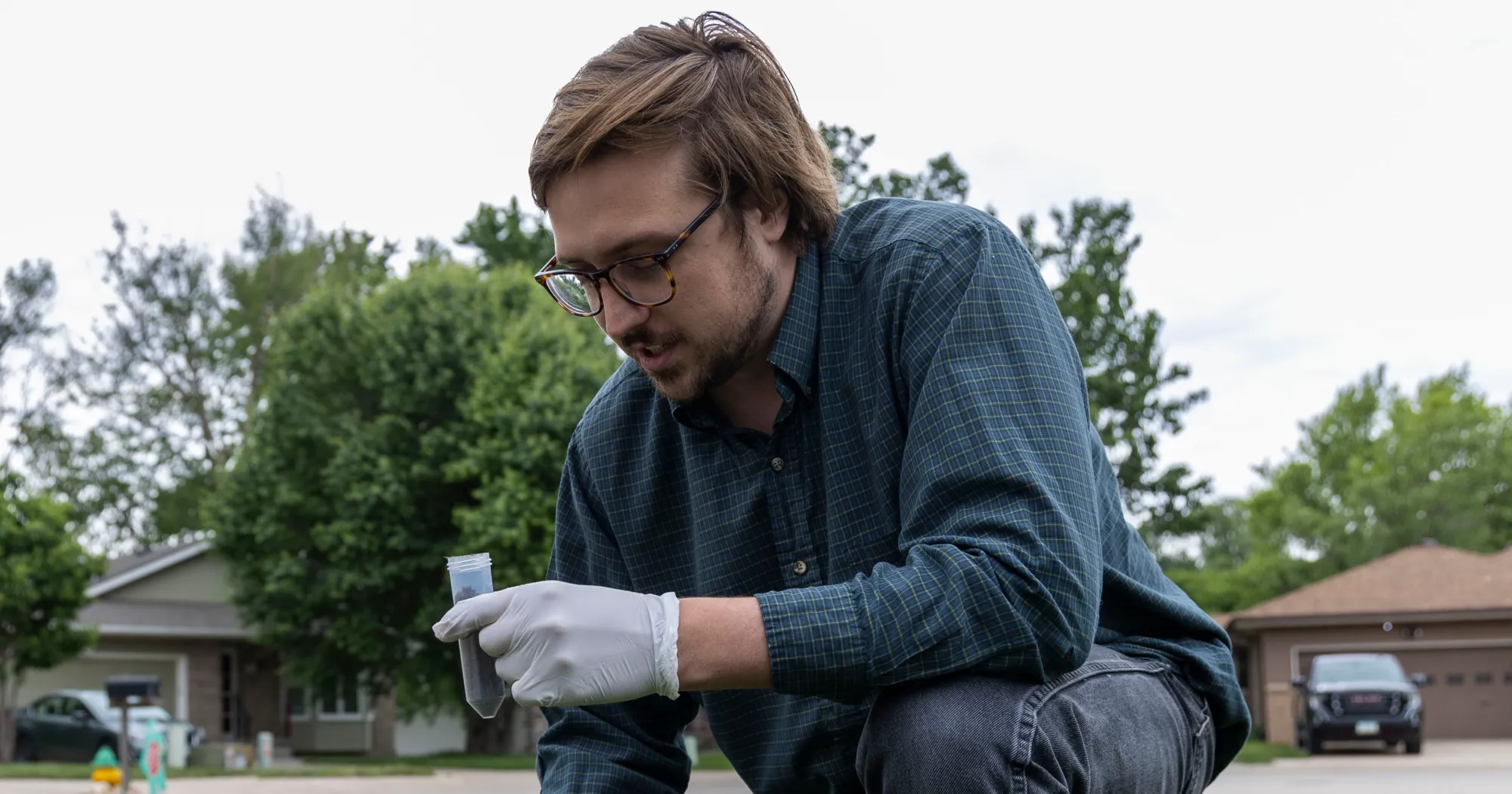
In the last 10 months, residents in neighborhoods across Omaha, Nebraska, have contacted the city and federal government after tests by the Flatwater Free Press and ProPublica showed they had enough of the toxic metal in their yards for the dirt to be dug up and replaced under Environmental Protection Agency rules.
But the responses they’ve received have been inconsistent.
Three of them received new testing and were promised additional cleanup. Yet others were denied a new cleanup or told the news organizations they never heard back.
One resident said the city tested her yard, found it exceeded the EPA’s lead contamination level and sent her a letter saying cleanup was necessary. Months later the city backtracked, saying she did not qualify because she lived outside the primary cleanup zone. Another said she called 14 times before the city told her it would not retest because she hadn’t built or demolished anything in her yard since the EPA replaced the soil in 2012.
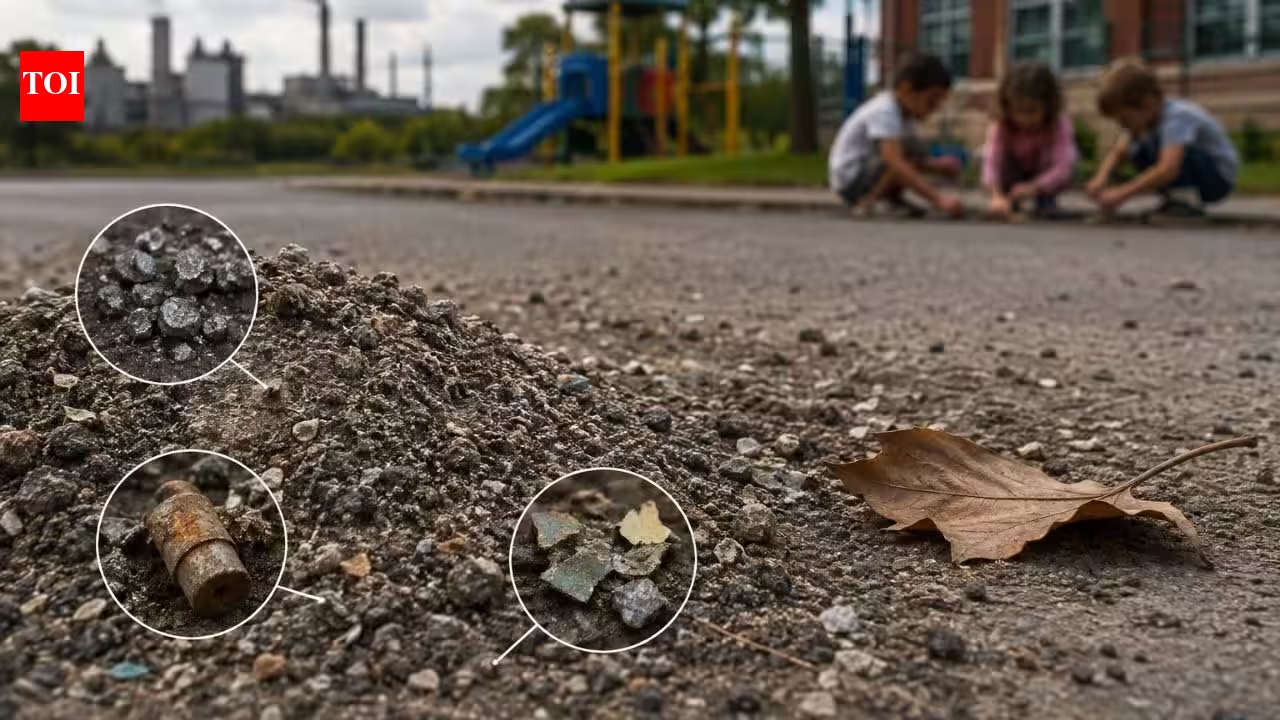
The EPA and the city have spent decades cleaning up residential properties in east Omaha after a century of pollution from a lead smelter and other factories downtown. The EPA had set a lead level that it uses to determine which properties to clean up, and the news organizations’ tests found these residents’ yards were over the limit.