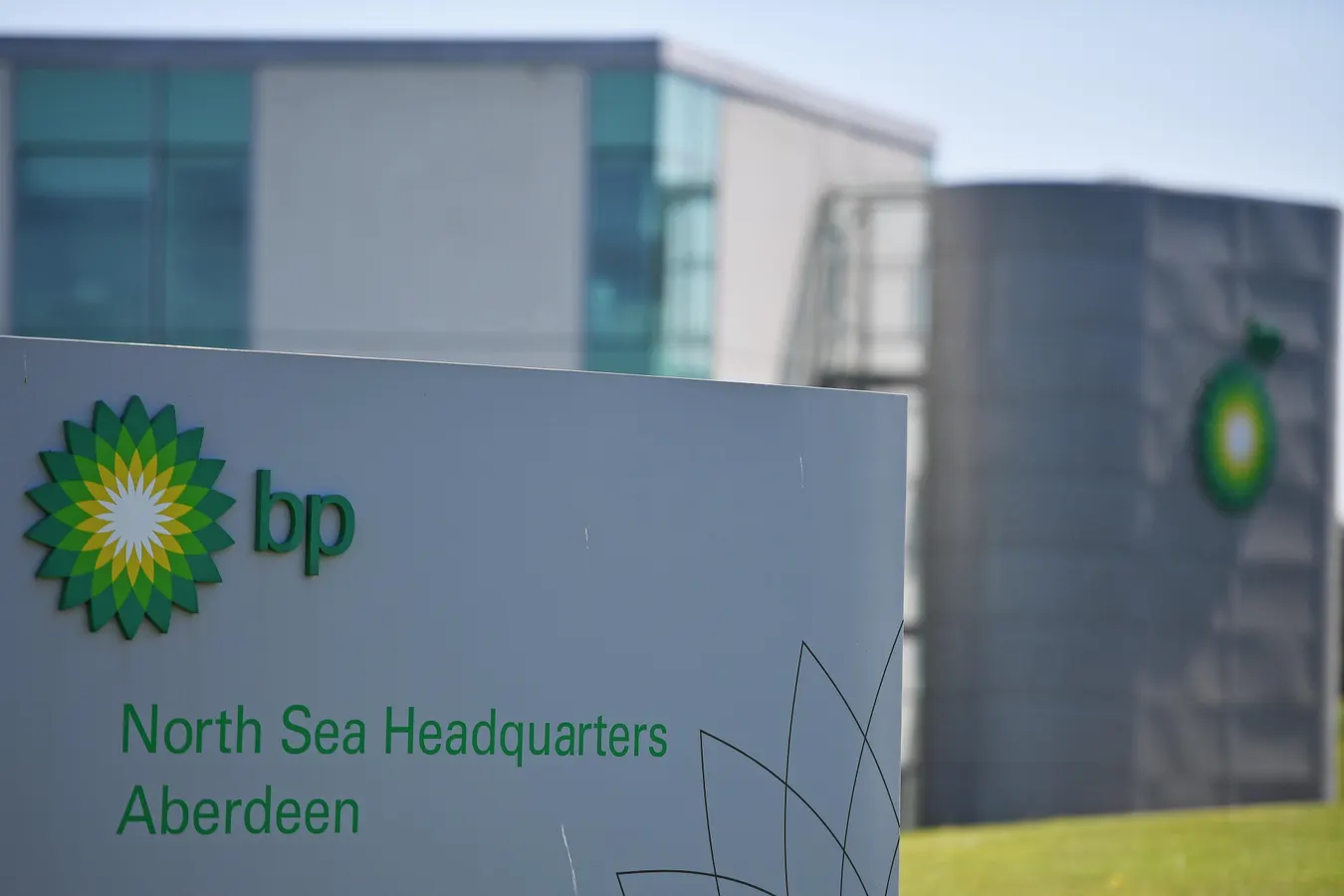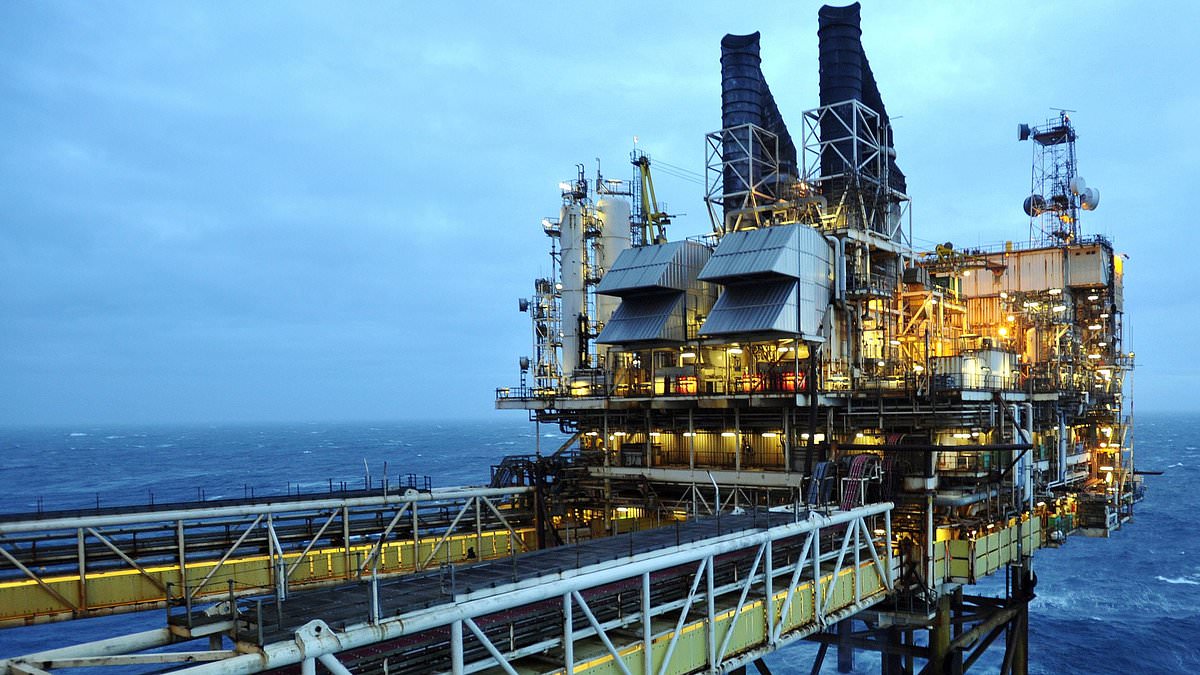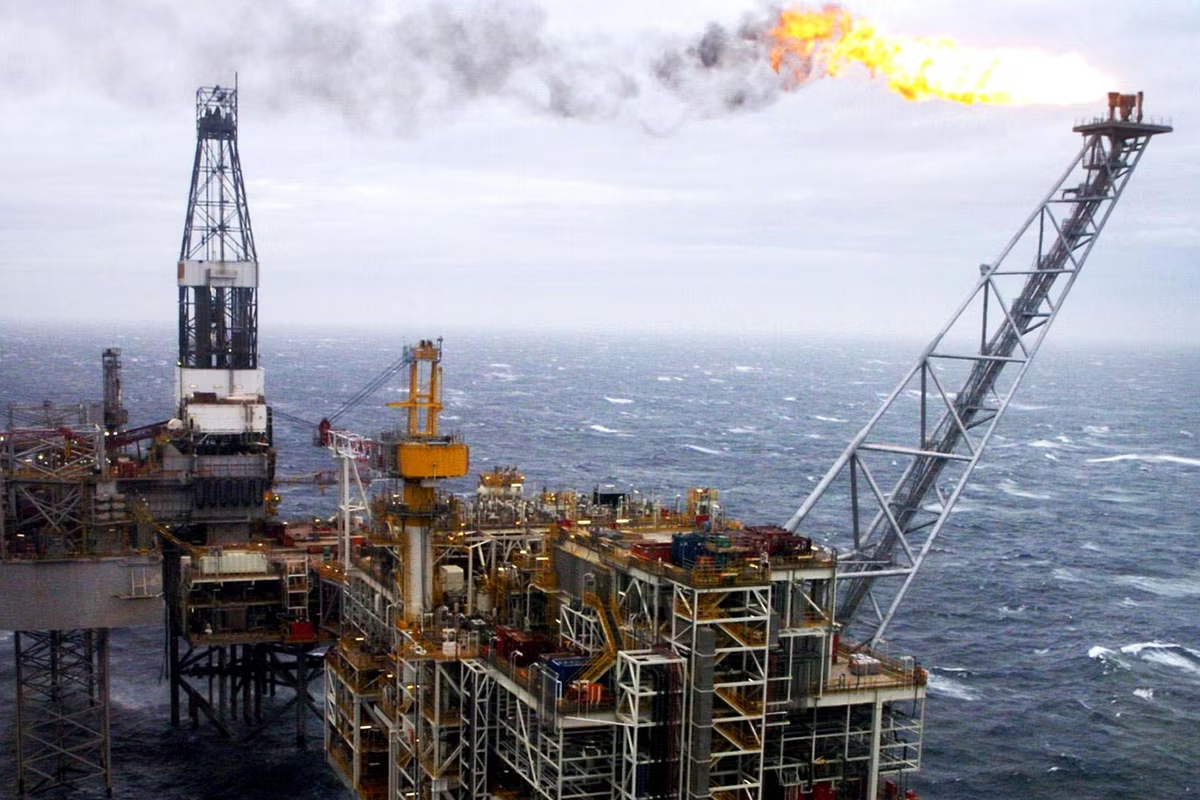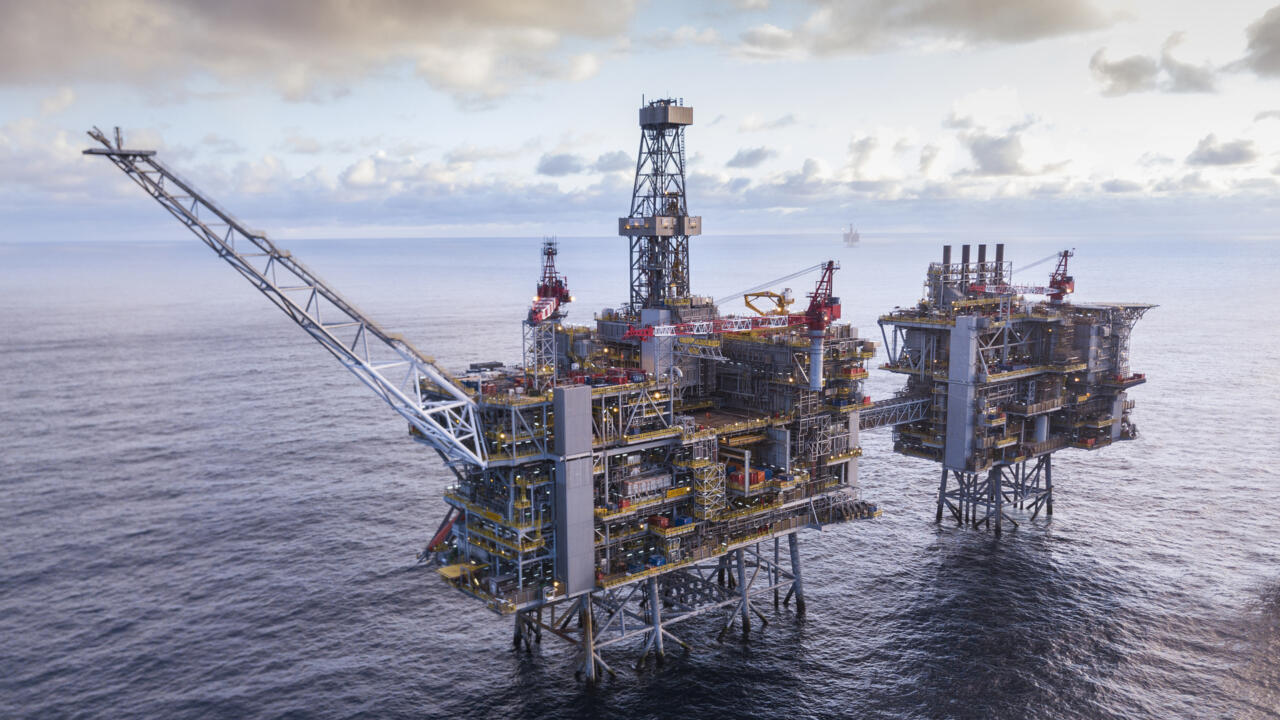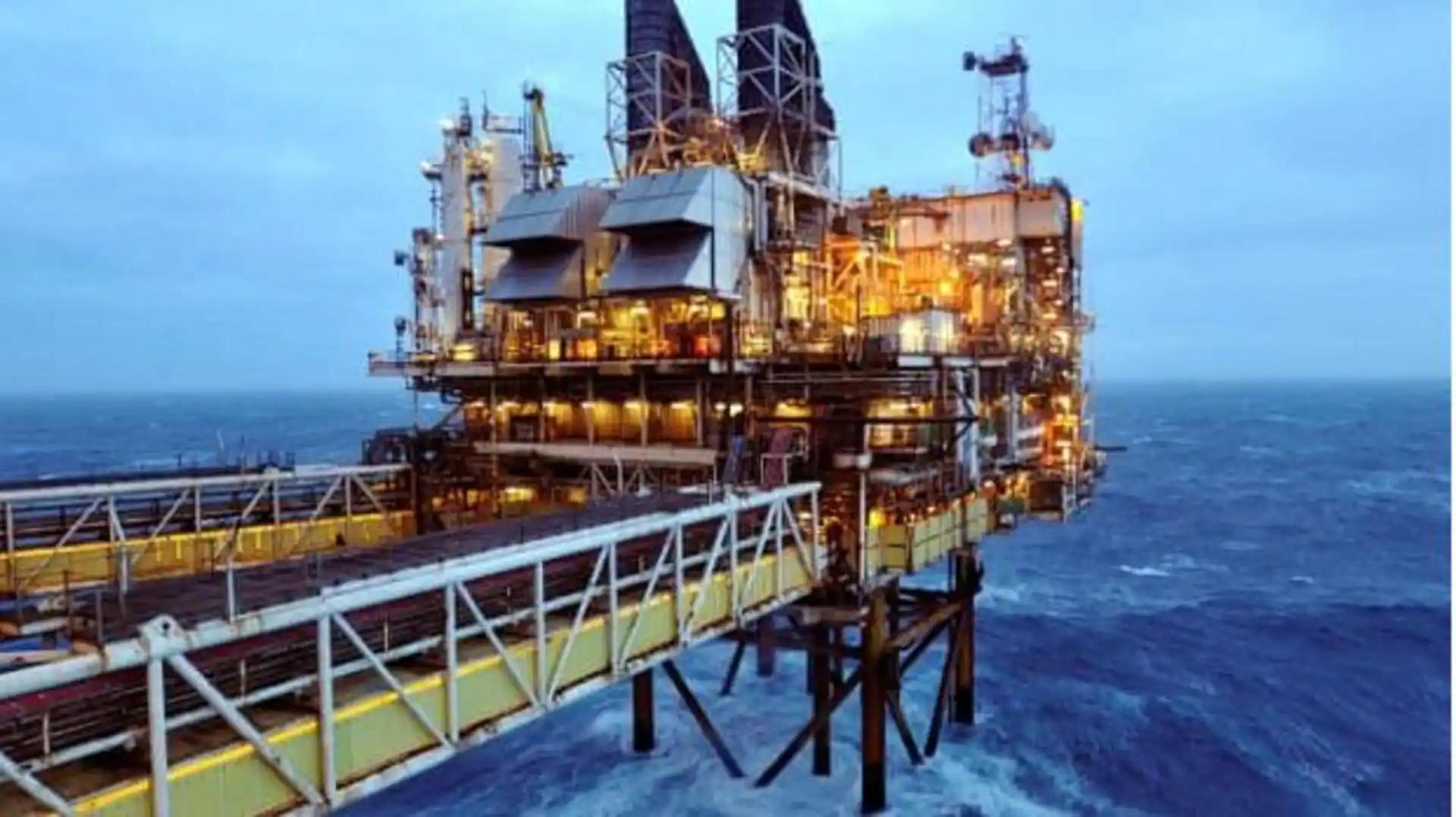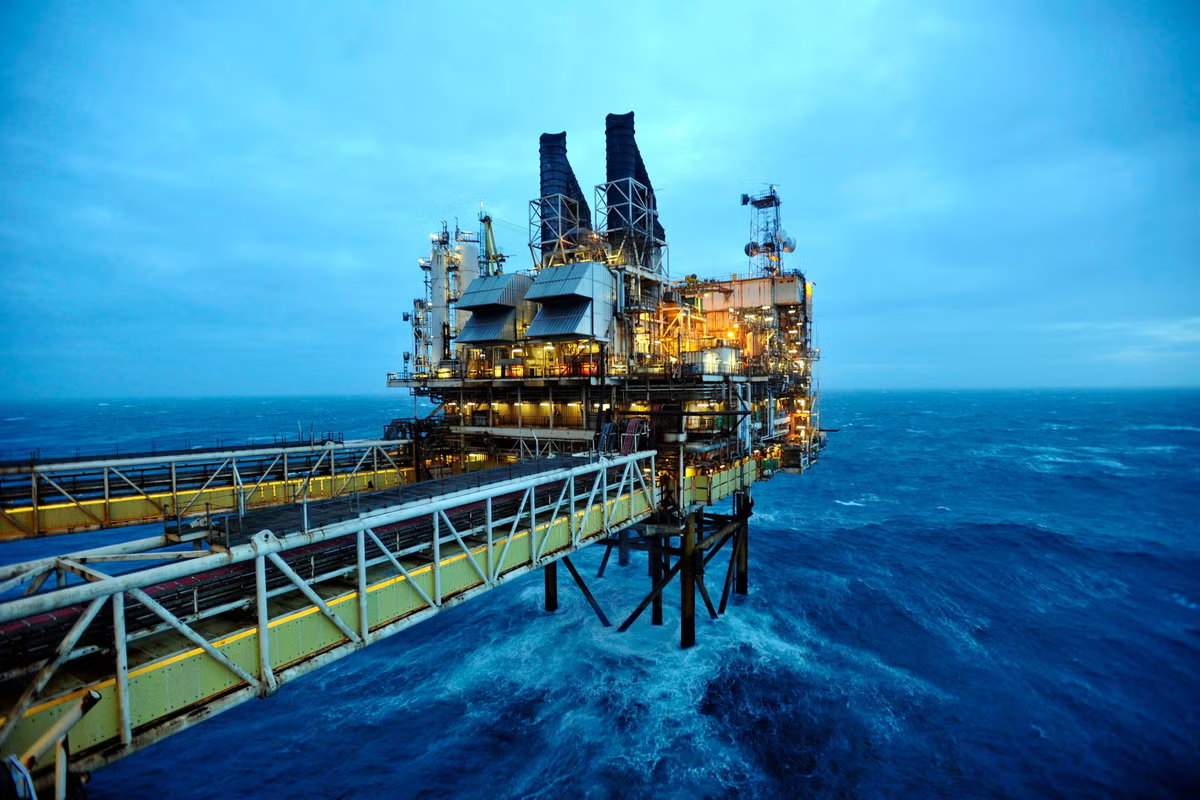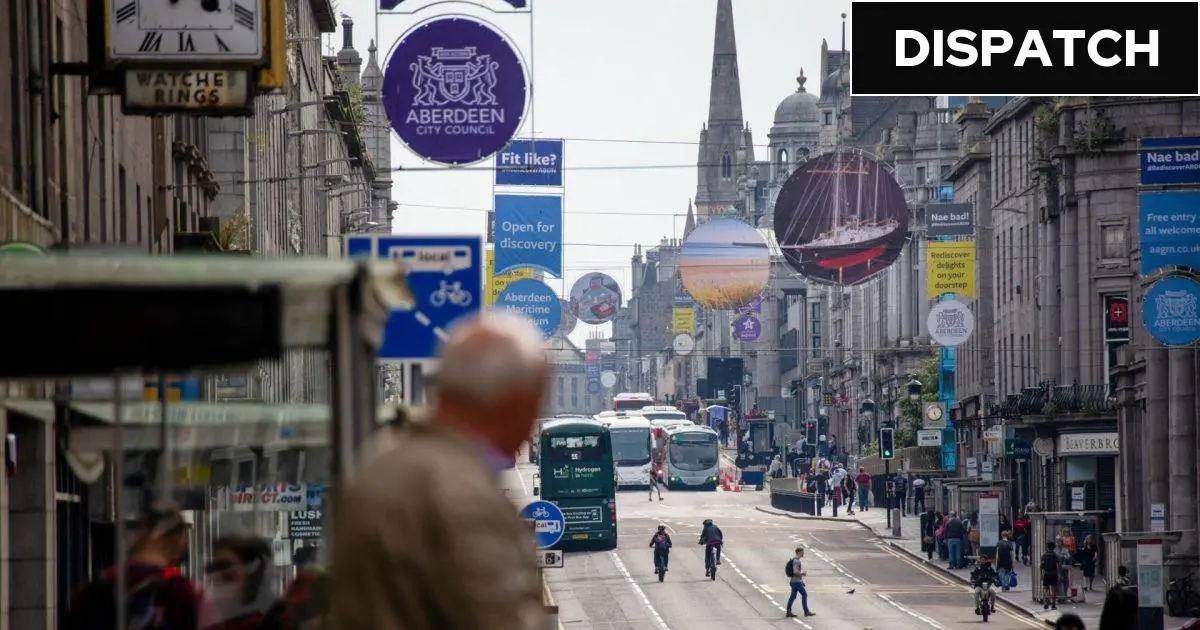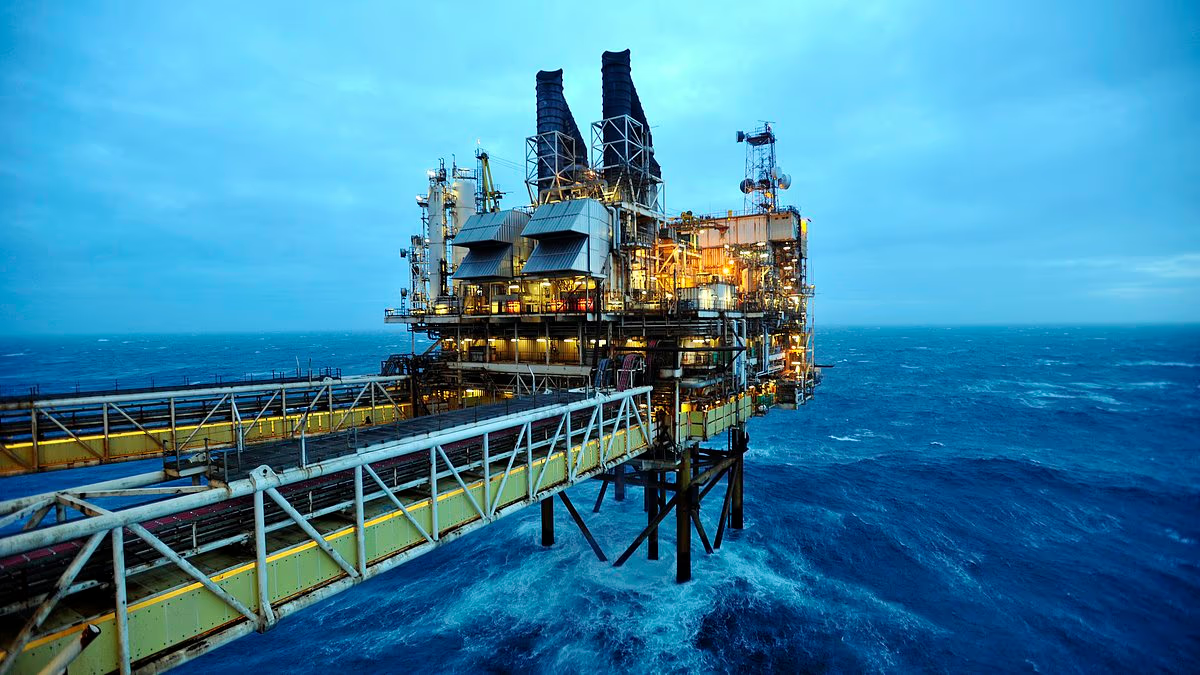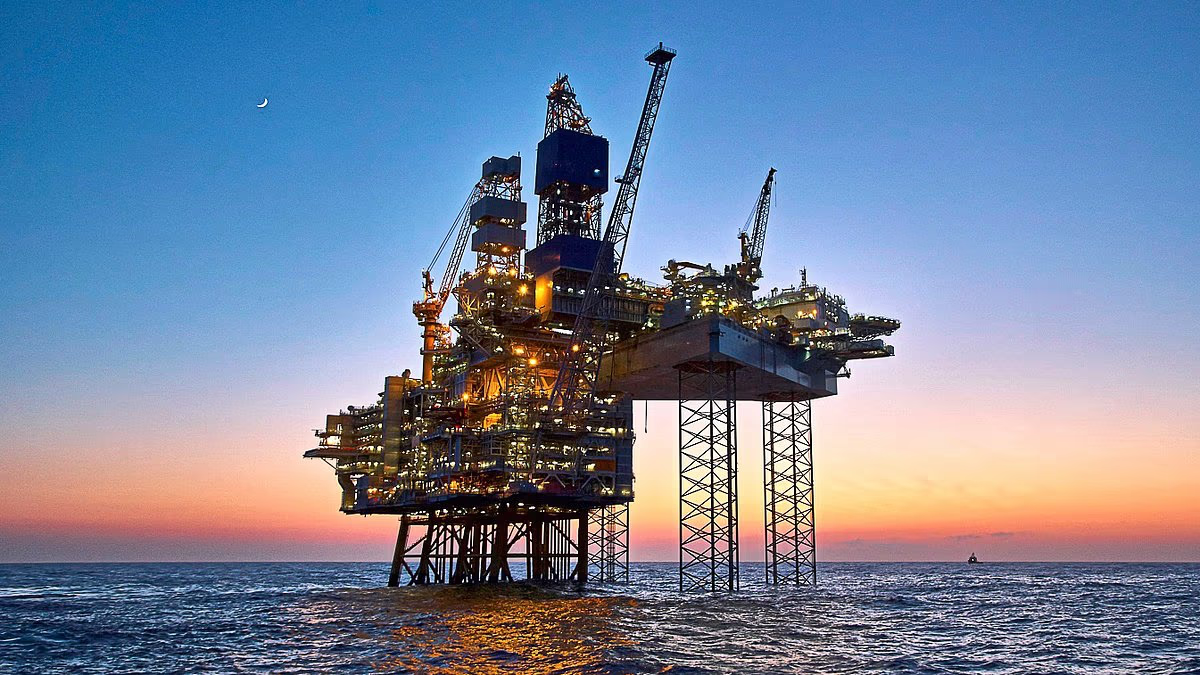
When Queen Elizabeth II stepped into BP's spotlessly clean new control room at Dyce, near Aberdeen, on November 3, 1975, she declared the day one 'of outstanding significance in the history of the United Kingdom'.Pressing a gold-plated button in front of a host of dignitaries, including Labour Prime Minister Harold Wilson, Her Majesty duly switched on Britain's North Sea oil bonanza.It came five years and 14 days after BP hit paydirt when it discovered the vast Forties oilfield on the UK Continental Shelf 170 miles from Aberdeen. It was the first British oil strike in the North Sea.Now, finally, the assembled audience of drillers, mechanics, roustabouts, welders and storemen who made it possible could expect the good times to flow along with the millions of pounds of 'black gold' now being injected straight into the UK economy under the fascinated gaze of its monarch.Members of Wilson's Cabinet and a delegation of American oil tycoons who were also on hand would have been rubbing their hands at the glut of money that was about to gush from this subsea Klondike.The Forties rapidly came to symbolise Britain's North Sea oil boom. Within three years, the field was pumping 500,000 barrels per day to BP's refinery at Grangemouth, near Falkirk.The boom came not a moment too soon for Britain after the energy crisis of 1973 quadrupled the world oil price and the nation would quickly come to rely on Brent crude to fuel jobs, tax revenue, electricity, petrol and heating.The economy of the North East would change out of all recognition, too, as the old fishing port of Aberdeen transformed into the heart of Europe's new energy revolution.An offshore oil and gas platform on a production site near Aberdeen, once home to the highest concentration of millionaires in Britain - and now a city hit by decline Queen Elizabeth II switched on Britain's North Sea oil at Dyce, near Aberdeen, on November 3, 1975, declaring the day 'one of outstanding significance in the history of the UK' The first-ever BrewDog pub on Aberdeen's Gallowgate (pictured) is now boarded up. There are projections that as many as 200,000 well-paid jobs could soon disappear in the Granite City Labour's refusal to allow new drilling in the North Sea dealt a body blow to a city already reeling from the 2014 slump in the oil price - with empty stores illustrating the decline Former Energy Secretary Ed Miliband (left), now Foreign Secretary, led the Labour government's 'Net Zero' policy drive under ex-Prime Minister Sir Keir Starmer (right)Labour's 2024 general election manifesto promised to ban new drilling licences for the sake of the climate, but Andy Burnham says he wants 'a change of emphasis' on North Sea projectsIn less than a decade, thousands of people poured in from across the globe to stake their claim in this black gold rush. Many, inevitably, came from the oilfields of Texas, and Aberdeen would soon ring to the familiar sounds of American burger joints and helicopters ferrying 'oilies' to and from the rigs in the 'Foggy Forties'.For years Aberdeen was a boomtown which boasted the highest concentration of millionaires in Britain and one of the lowest rates of unemployment. By 1981, the UK was a net exporter of oil. As more big fields were discovered and other producers moved in, oil revenues powered the boom of the 1980s. The industry survived the horrors of Piper Alpha, the threat of strikes, and protests by environmentalists and powered on.But the North Sea's glory days are well behind it. Westminster's growing obsession with Net Zero environmental policies and the present Labour Government's refusal to allow new drilling in the North Sea have dealt a body blow to a city already reeling from a 2014 slump in the oil price.About 180 of the UK's 280 current oil and gas fields are expected to shut over the next five years, while new fossil fuel production licences were banned in 2024 by then-Energy Secretary Ed Miliband.Many of the high-class hotels, bars and restaurants which sprang up to empty the wallets of a burgeoning class of highly paid offshore workers during their two weeks' shore leave are gone. In the heyday of North Sea oil, 'Granite City' Aberdeen could boast Britain's biggest concentration of millionaires Boarded-up and shut-down shops are now a more familiar sight across the Scottish city Former oil rig workers Mac and Bert said the oil industry in Scotland has 'gone to s***e'
As BP pulls out of North Sea oil, how Aberdeen turned into a doom town
In the heyday of North Sea oil, 'Granite City' Aberdeen boasted Britain's biggest concentration of millionaires - yet the former boom town has suffered a stark decline.
2,209 words~10 min read