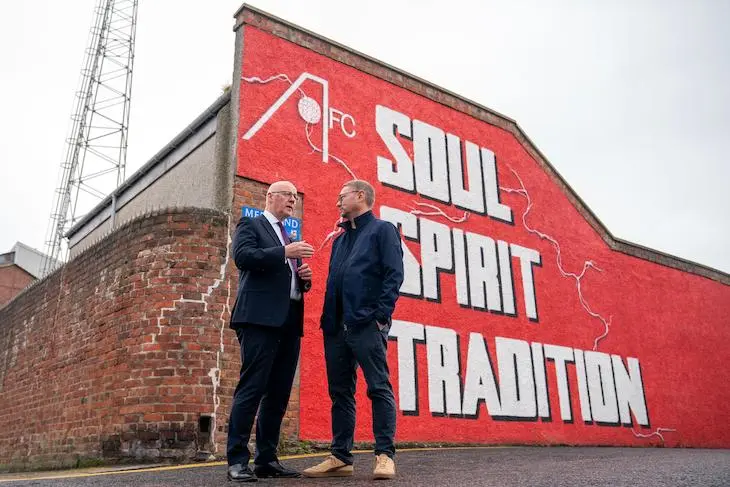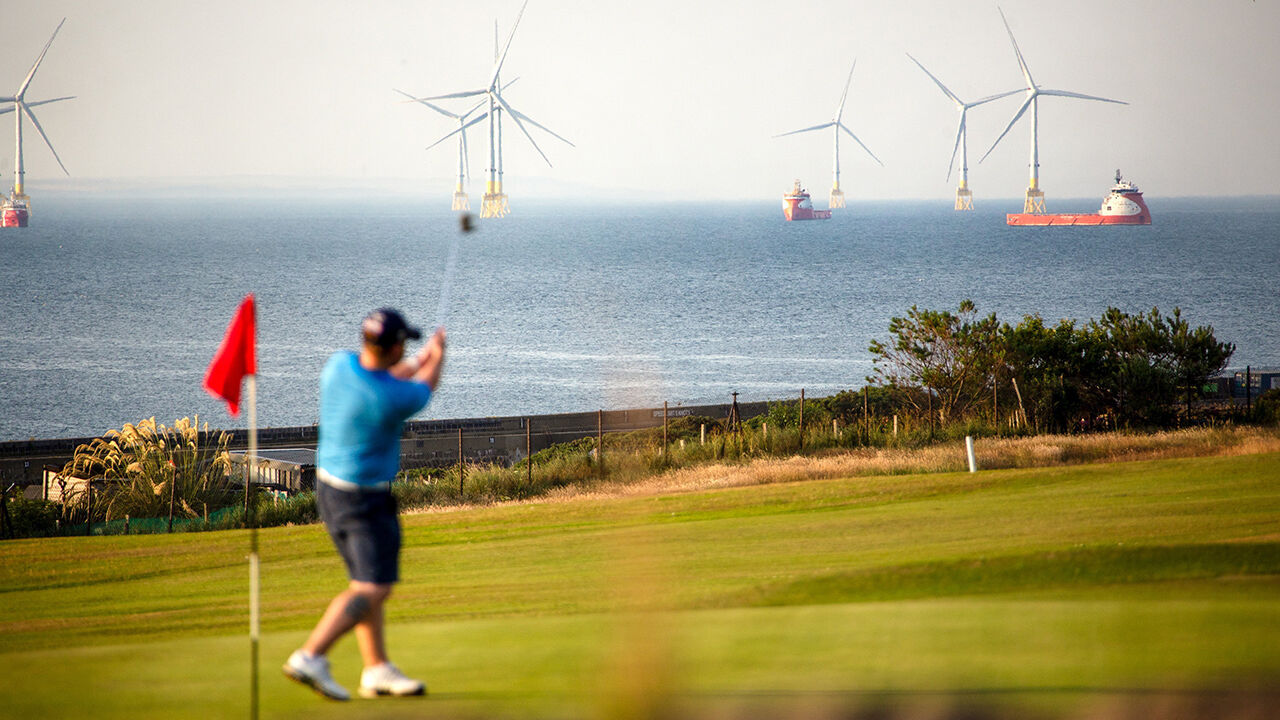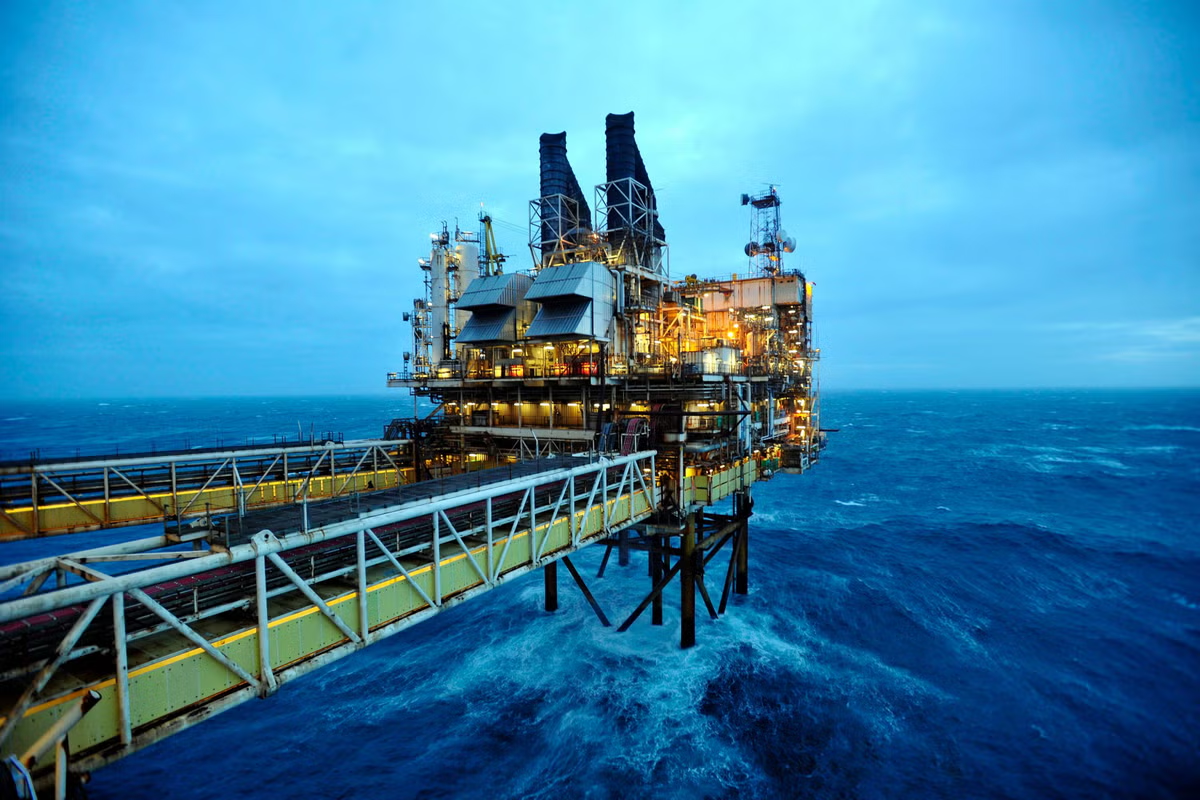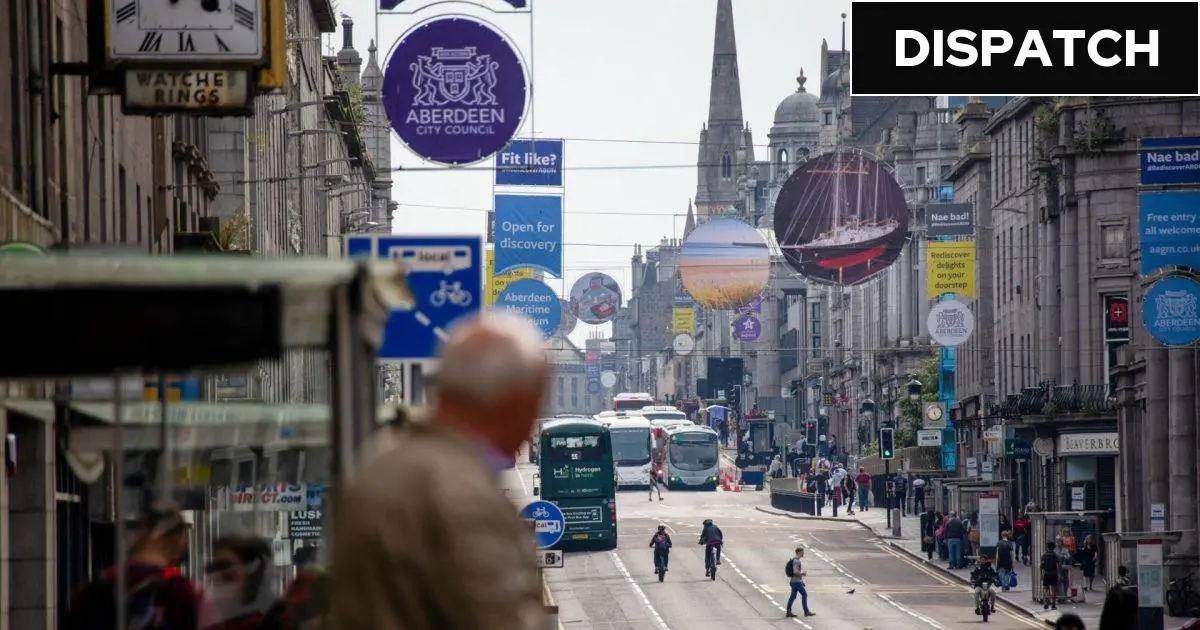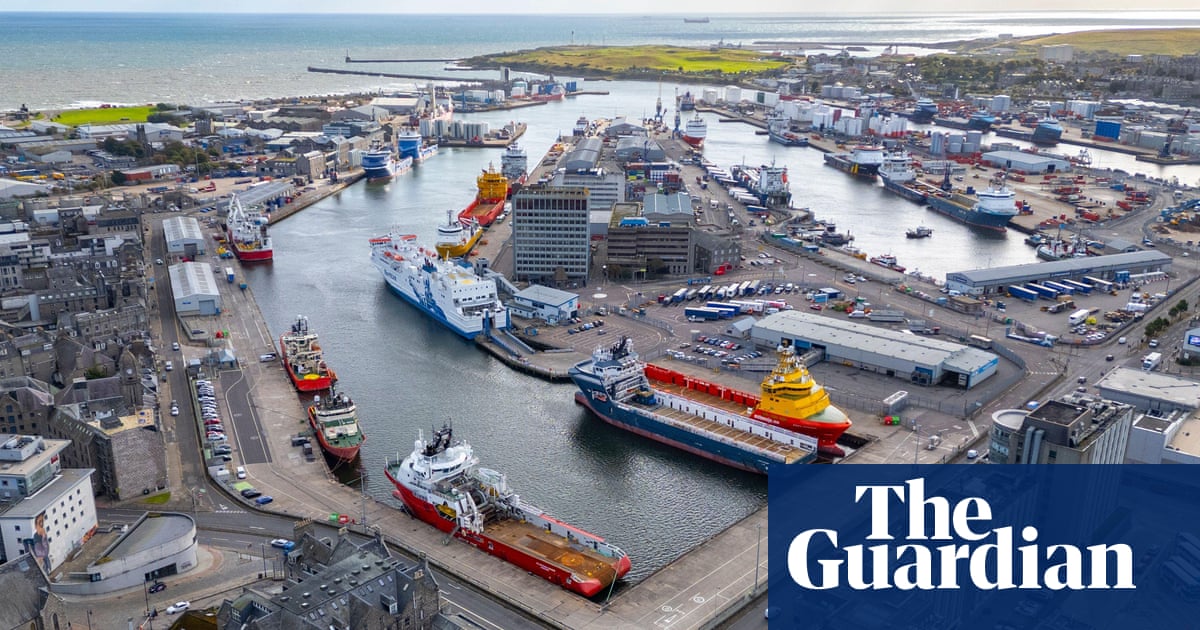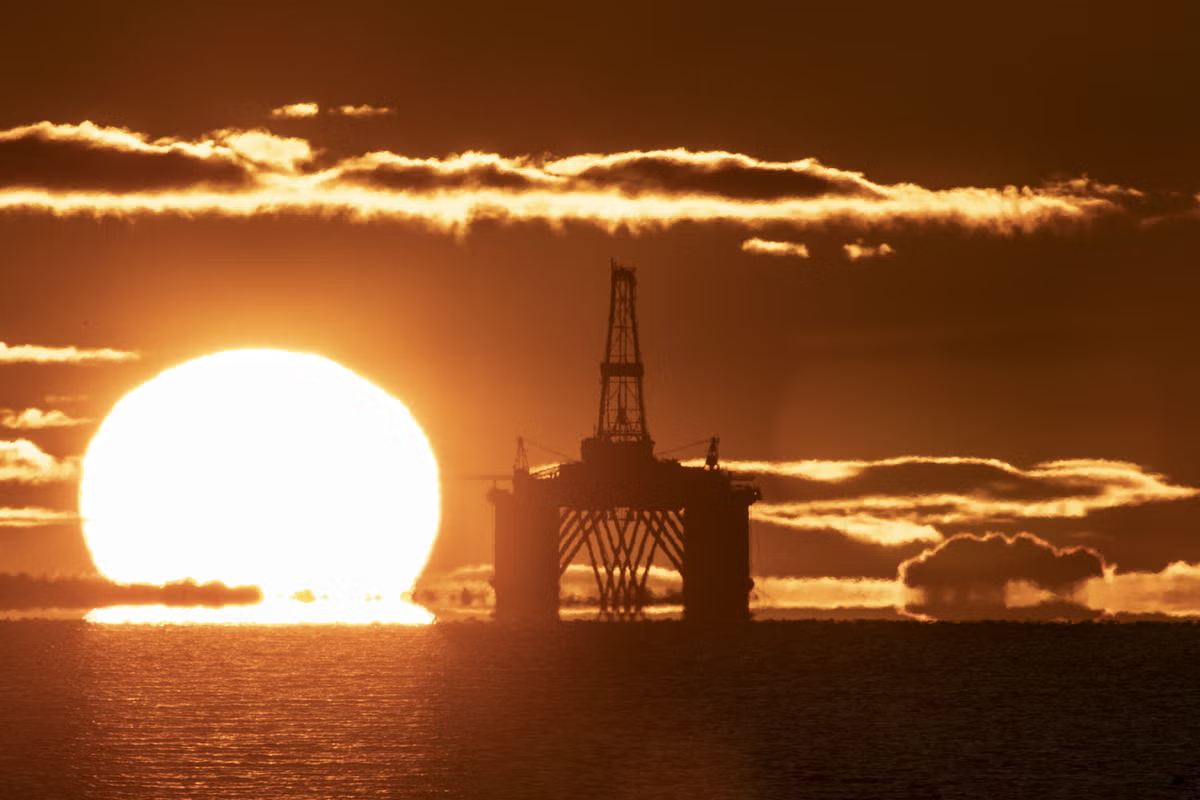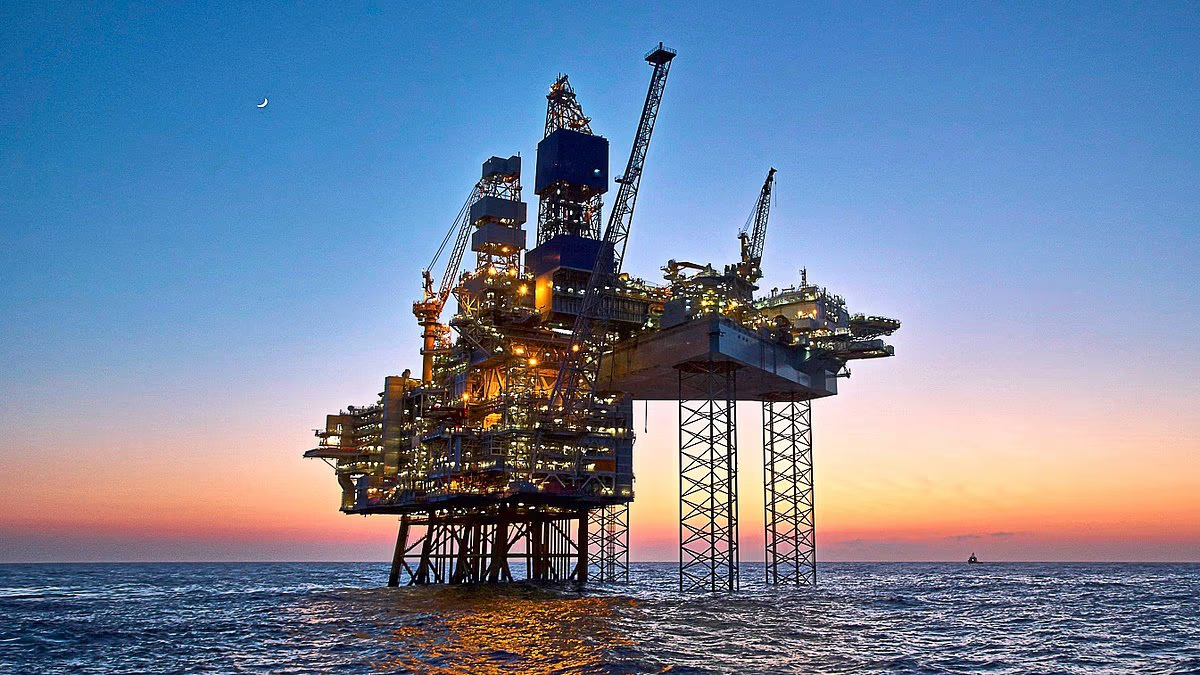
Stretching from Cove Bay, where the North Sea bites into rugged rockface, to the pastoral serenity of Benthoul and Anguston, dotted here and there with farms and woodlands and snug, moss-flecked cottages, the constituency of Aberdeen South is where natural beauty meets the fruits of industry.When the oil boom hit in the 1970s, money began gushing like crude through a wellhead and Aberdeen was soon slick with prosperity.Then as now, the city had its pockets of deprivation, not least the council estates of Torry blighted with stubborn inequalities, but oil and gas made Aberdeen a global hotspot for energy production – the Saudi Arabia of northern Europe.This brought outward signs of wealth in the form of big houses, big cars and American oilmen in big hats. By the 1980s, a Texan drawl could be heard as readily in the Granite City as on TV’s Dallas.While there have been ups and downs in the years since – turmoil in the energy markets and tragedies on the platforms – for much of the past half-century, Aberdeen has been synonymous with opportunity. In recent times, that has begun to change: the eclipse of fossil fuels, the Net Zero agenda, and the indifference of Westminster and Holyrood governments have all played their part.Now jobs are disappearing, house prices plummeting, and skilled workers are being dumped on the scrap heap. A city of prosperity has become a place of precarity, with middle-class families anxious about their jobs, their finances and their futures.In the picture-perfect suburbs of Ferryhill and Mannofield, and even in wealthy enclaves such as Cults and Bieldside, places regularly listed as among the most desirable in Britain to settle down and raise a family, fortune and opportunity no longer crackle in the air as they once did. The spirit of optimism has drained away with every fresh layoff of highly skilled workers and every announcement of a corporate exit from a market whose prospects grow gloomier by the day.It is this, much less confident city, which will go to the polls this week for the Aberdeen South by-election. The vacancy was created when the SNP’s Stephen Flynn switched to the Scottish Parliament in May, where insiders say he is preparing for a leadership challenge against First Minister John Swinney. Projects have been paralysed by legal challenges and require a green light from the Secretary of State for Energy Security and Net Zero – Ed Miliband When the oil boom hit in the 1970s, money began gushing like crude through a wellhead and Aberdeen was soon slick with prosperityAndy Burnham seems to have started a trend.The SNP has a fight on its hands to retain the seat, with the Conservatives hoping to prise away a constituency they previously captured from the Nationalists in the 2017 general election.The great unknown, however, is Reform, and whether its staunchly pro-drilling stance will split the Right-wing vote and allow the SNP to cling on.This is politics, though, and Aberdonians have little patience for politics. Politicians have been the ruin of their city, and especially the economic wrecking ball that is Net Zero. Over the past decade and a half, the shift away from fossil fuels as part of the climate change agenda has pummelled the oil and gas sector.Since 2010, Aberdeen has shed 18,000 jobs, or almost one in ten of its labour market. These have included skilled energy industry roles as well as posts across the economy created during the boom years.Political leaders have repeatedly assured locals that new careers in the renewable energy sector will replace those being rendered obsolete, but for many the pace of green job creation is too slow, outstripped by the cliff-edge drop-off in conventional energy vacancies.Financial support for retraining and incentives for investment are all well and good, locals say, but on a human level the reality is very different. Not every skillset is portable to the carbon-neutral sector and, for middle-aged fossil fuel professionals in particular, the prospect of entering another industry afresh while having to compete with younger applicants with lower salary expectations puts them in an impossible situation.There is a fear that oil workers and their communities are doomed to the same fate as miners in Scotland and England’s heartlands in the 1980s. These anxieties are taking their toll. House prices in Aberdeen have dropped further than any other area of Scotland, with leading property firm DJ Alexander noting an average dip of £7,500.Aberdonians don’t need to see the numbers in black and white. They know from their everyday lives that theirs is a city changed for the worse.Yvonne Hamilton, a retired teacher, told the Daily Mail the ‘shrinking’ workforce was having a ‘huge’ effect on the city. She admitted: ‘I suppose I’ve got a nostalgic look back. There were nice department stores, and it wasn’t dominated by the kind of shops that I would never go into, like vape shops and betting shops.‘But I don’t think it’s nearly as busy now. I remember jostling to get up Union Street on a Saturday morning, and the cars that you saw here were all new registration plates and you noticed the difference when you went to other places. It’s changed. I think Edinburgh is more affluent, and I think parts of Glasgow are too.’Aberdonians are a hardy, practical people. They don’t romanticise the rig and the well. They know that the sea’s treasury of black gold is running dry and that the city will have to find a new source of fortune. And they are by no means indifferent to the impact of fossil fuels on the climate.But they have come to resent talk of ‘just transition’ as nothing more than an empty talking point, a poll-tested salve to the consciences of far-off elites bent on shutting down the oil and gas industry and well aware of the economic and social ramifications for Aberdeen and the rest of the north east.For oil and gas workers, there is nothing ‘just’ about a transition driven by ideology and presided over by policy-makers who will not countenance a more measured approach. That more measured approach has a name: Rosebank and Jackdaw.Located just west of the Shetland Islands, the Rosebank oil field is estimated to contain up to half a billion barrels of petroleum, while Jackdaw, far off the north-east coast, is said to hold enough natural gas to heat more than a million homes at peak production.Fully developing these fields could secure jobs and cut utility bills for the near future, giving the energy sector and its workers more time to make the move from fossil fuels to renewables. Instead of devastating the local economy, the green switchover would be made more manageable and the impact on families and businesses would be greatly tempered.It is a perfectly moderate and pragmatic solution. But the Net Zero fanatics have no interest in moderation or pragmatism and, truth be told, no interest in oil and gas workers or their communities.They pose as compassionate in their press statements and PR campaigns, but deep down the eco-zealots deem these skilled employees collaborators with rapacious oil and gas corporations and see their prosperity as the ill-gotten gains of climate destruction.Earlier generations of Left-wingers, who gladly gave their solidarity to workers under threat of redundancy, would struggle to fathom today’s Left, which would rather see workers on the dole than on the rigs. The Rosebank and Jackdaw projects have been paralysed by legal challenges and require a green light from the UK Government, and specifically the Secretary of State for Energy Security and Net Zero.He is no friend of oil and gas workers and the feeling is mutual. In Aberdeen, ‘Ed Miliband’ is a four-letter word. And because Westminster and the green lobby have made it clear there is no future in the fossil fuels sector, the industry is struggling to attract fresh blood. Westminster and the green lobby have made it clear there is no future in the fossil fuels sector The SNP, with their candidate Richard Thomson, has a fight on its hands to retain the seat, with the Conservatives hoping to prise away the constituencySome oil and gas stalwarts are staying on beyond retirement age, doing jobs that in earlier times would have passed by now to the next generation. Barton Henderson is one of these veterans. At 74 he is still working part-time as a commercial negotiator for new field developments.Mr Henderson insists there is ‘absolutely’ still a place for energy exploration in the North Sea. He tells the Daily Mail: ‘I’m still doing some work in an oil company, and if incentives were there, they would be drilling more wells, nothing big, but it would just keep it going for quite a lot of years. But at the moment, it’s hard to get anything past the economic hurdles for companies.’Those hurdles are not only regulatory. The Chancellor’s decision to close loopholes that the oil giants use to reduce their tax liabilities on UK trading profits means energy firms face a tax rate of up to 78 per cent should their prices exceed government thresholds. Little wonder there is open speculation that companies such as Shell will shut up shop in Britain altogether.Then there is a political class willing to jettison every principle and policy position rather than allow North Sea workers to keep on working. Henderson points to the recent decision to water down oil sanctions on Russia, which would allow Britain to import petroleum from Putin’s nation again, provided the crude was refined outside Moscow’s borders.Noting the absurdity of it all, Henderson says: ‘They just got it all wrong. It seems crazy not to produce oil and gas in the North Sea. It creates jobs, but it also creates tax revenues.’Many voters across Aberdeen South are scunnered – sick to the stomach – with politicians of all stripes. They feel forgotten, betrayed and, in too many instances, despondent. Their jobs and their city are on the line but all they hear from decision-makers in Westminster and Holyrood are different forms of short-termism and inflexible ideology, and that is when they hear anything at all.There is a lot of talk these days about those parts of Britain which have been left behind, and usually it is a former industrial heartland being referred to, an old manufacturing town in the Midlands, the North, or the west of Scotland. Brows are furrowed, statistics grimaced at, and a round of regeneration cash proposed.Aberdeen, with its decades of oil-washed prosperity, seldom comes to mind, and yet it is a city in the process of being left behind. Right at this very moment, and for all to see, a proud and industrious hub of sweat and pluck and expertise is being sacrificed to an implacable agenda by indifferent elites.This is not a matter only for Aberdeen. The city is a grim warning from Britain’s future. What is being done to Aberdeen in the name of Net Zero today will be coming soon to your town or city. If this ideology can impoverish a city carved from granite and a people made of even sturdier stuff, it can steal away prosperity from almost anywhere.Aberdeen South is not just a by-election. It is a chance, perhaps one final chance, for Aberdonians to make the political establishment listen before it’s too late. This makes its outcome all but impossible to predict – and yet of vital importance if there is any hope of saving this great city.
How once booming Aberdeen is a warning of what Net Zero will do to UK
Aberdeen has always been synonymous with opportunity. But that has begun to change: the eclipse of fossil fuels and the Net Zero agenda have played their part.
1,905 words~9 min read