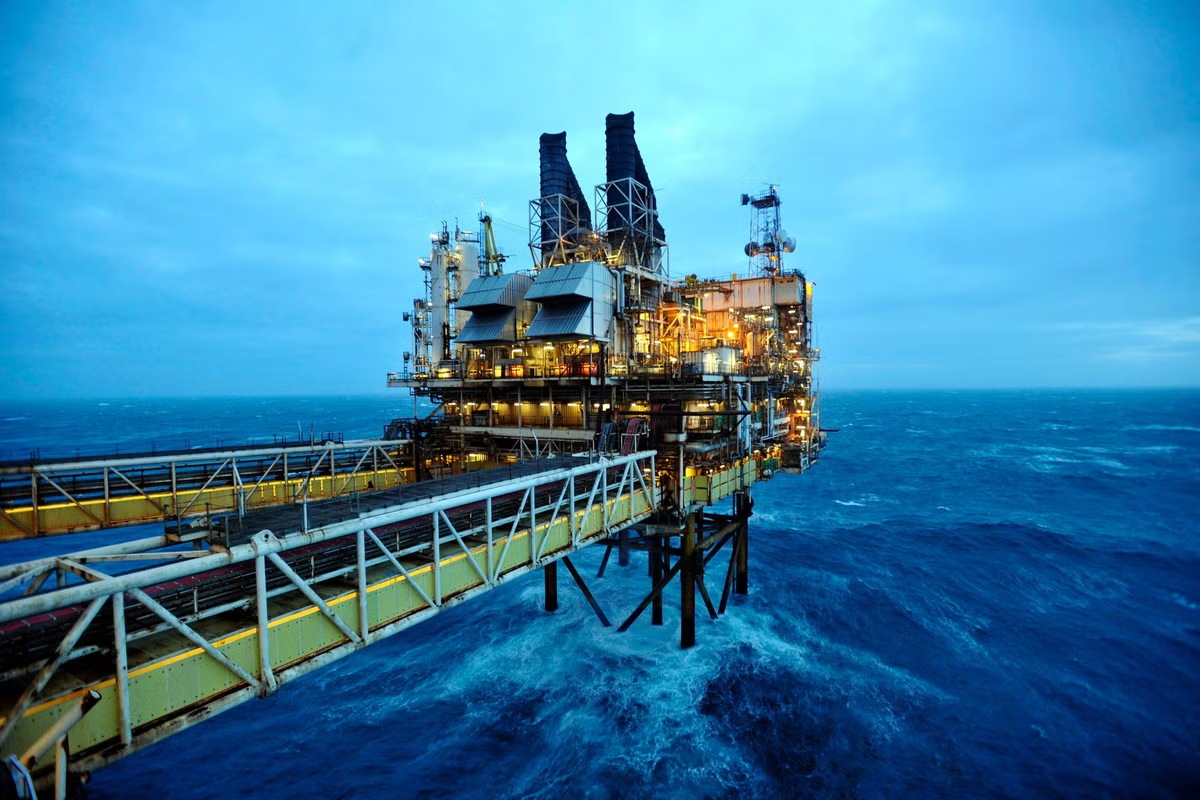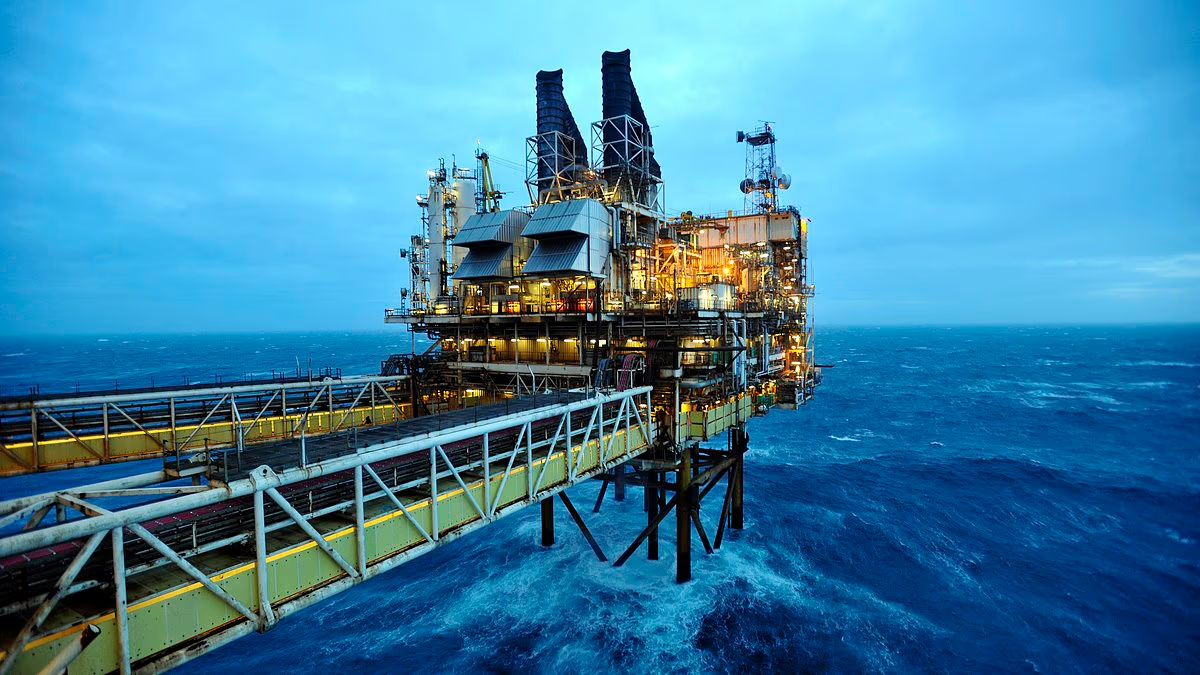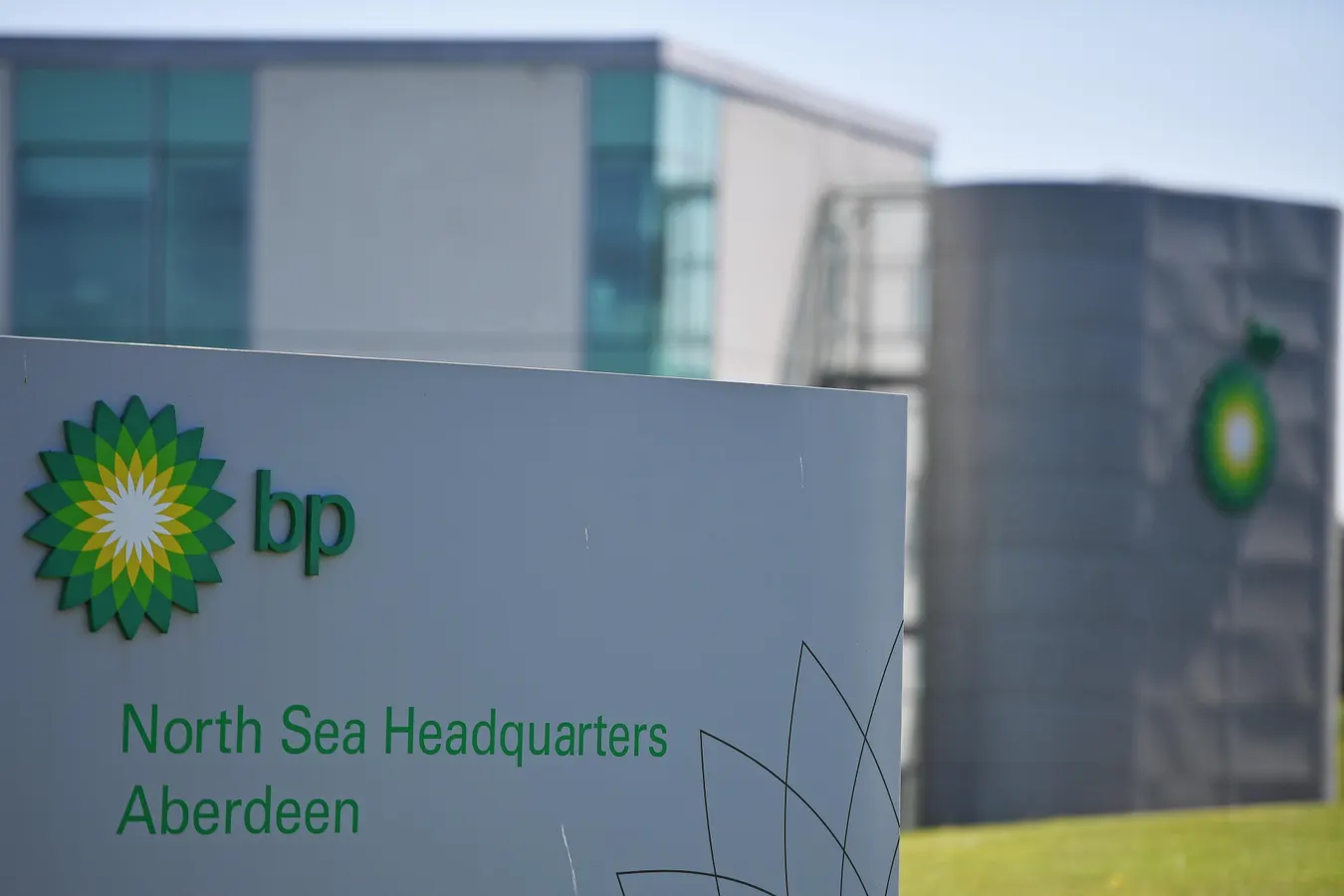
BP is putting its North Sea business up for sale as it seeks to end six decades of oil and gas production in the basin.Ministers were told the bombshell announcement on Friday morning should serve as a 'deadly serious wake up call' over the future of Britain's huge natural resource.The move has been blamed on the impact of punitive taxes and the Government's Net Zero drive, which has been spearheaded by Labour's Ed Miliband.It comes just a day after Prime Minister Andy Burnham admitted that North Sea oil revenues could ease the cost of living crisis.He hinted at a shift in Labour's ideological ban on new drilling, saying that at a time of tight public finances the North Sea was a resource 'we can't ignore'.Experts have predicted that lifting the ban imposed by Mr Miliband when he was energy secretary could generate £25billion in extra tax revenues for the UK over the next decade and support thousands of jobs.But BP is set to no longer be part of North Sea production after it announced it is putting its North Sea business up for sale as part of a strategy to slim down the group.Chief executive Meg O'Neill, said: 'The North Sea remains integral to the UK's energy system. However, as we focus our portfolio and direct capital to our highest-value opportunities, we believe our North Sea business will be better positioned as part of another company.' BP will exit the North Sea, putting its business up for sale after 60 years of operations It comes just a day after Prime Minister Andy Burnham admitted that North Sea oil revenues could ease the cost of living crisis The move has been blamed on the impact of punitive taxes and the Government's Net Zero drive, which has been spearheaded by Labour's Ed Miliband.Earlier this year, BP held talks with Ithaca Energy over a near £2billion deal for the North Sea business, which employs around 1,100 people, but no agreement was reached.BP operates five key production hubs in the North Sea region, including the Clair oilfield, the largest on the UK continental shelf.Commenting on BP's planned withdrawal, Andrew Griffith - the Tory shadow business secretary - said: 'This is one of those 'moments' that should serve as a deadly serious wake up call.'Britain needs to compete - for energy, capital and talent - but the Government carries on putting up taxes and piling on red tape.'As well as Mr Miliband's ban on new North Sea licences, Labour has been accused of blocking billions of pounds of investment after shelving proposals to scrap a controversial windfall tax.Following the outbreak of the Iran war, then-Chancellor Rachel Reeves backtracked on plans to announce an early end to the Energy Profits Levy, which is due to expire in 2030.A spike in energy prices as a result of the Middle East crisis led Ms Reeves to put those plans on ice, which infuriated the industry.The Energy Profits Levy was introduced as a temporary measure by the previous Tory government following Russia's full-scale invasion of Ukraine, which led to a spike in energy prices.Combined with other taxes, it means the overall tax rate faced by oil and gas companies operating in the UK is currently 78 per cent.In her first Budget in 2024, Ms Reeves had previously increased the windfall tax on North Sea oil and gas producers to 38 per cent from 35 per cent and extended the levy by one year.Chris Beauchamp, chief market analyst at investing and trading platform IG, said: 'It says a lot when BP isn't prepared to stick around to see if the new Government can re-energise the UK's energy policy.'Clearly BP thinks it will take too long at a time when the need to exploit new energy fields is pressing, and waiting around for Whitehall to move is not a prudent use of resources.' Ms O'Neill, who took charge in April, is leading a reorganisation of BP's business and a pivot back towards fossil fuels after a disastrous foray into renewable energy projects. She had previously said the North Sea had 'untapped potential' but operations have become increasingly challenging thanks to windfall taxes and Labour's ban on new drilling. The Energy Secretary Miatta Fahnbulleh said that she was in close contact with BP over the potential sale. 'The North Sea is a vital national asset and we will take a pragmatic approach, recognising that oil and gas will be part of our energy mix for years to come,' she said.'I'm in close contact with BP and have made clear that my priority is ensuring that the workers and local community are protected during this sale process.'BP's planned withdrawal from the North Sea comes after Mr Burnham promised a 'pragmatic' approach to drilling in the region following a call with President Donald Trump.The PM said: 'There is a resource there. When people are struggling, we can't ignore that.'He has been urged to 'get Britain drilling' and approve licences for the Rosebank oil field and Jackdaw gas field, which could be decided as soon as next month. BP said its headquarters would remain in the UK.'The UK has been our home for more than 100 years and will continue to play an important role in our future,' Ms O'Neill said. She added: 'We're proud of the jobs we create, the contribution we make to the UK economy, and the work we do to keep energy flowing every day.' On Thursday, it emerged that the oil giant was preparing to slash 700 jobs in its upstream division - the discovery and extraction of crude oil - but not front-line roles such as technicians. The aim is to streamline BP and boost returns amid signs of 'potential oversupply and lower oil and gas prices'.
BP pulls out of North Sea after six decades of oil production
Ministers were told the bombshell announcement on Friday morning should serve as a 'deadly serious wake up call' over the future of Britain's huge natural resource.
958 words~4 min read