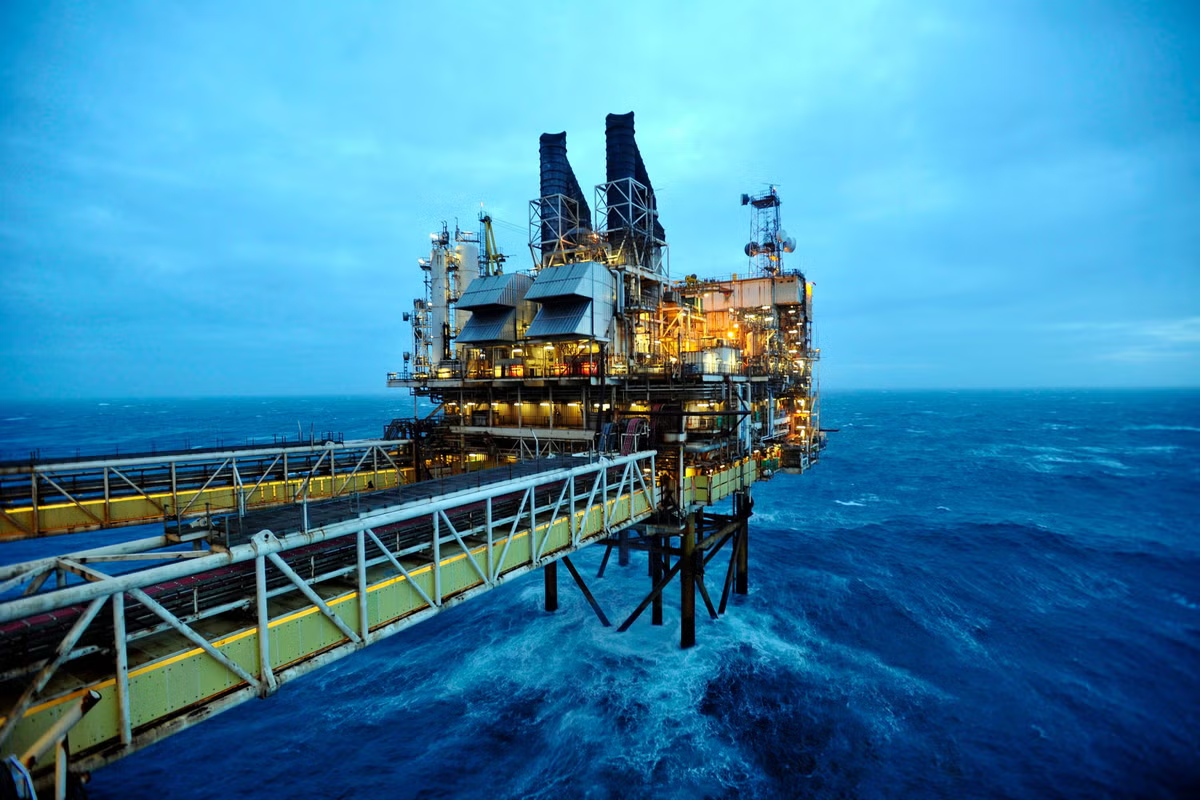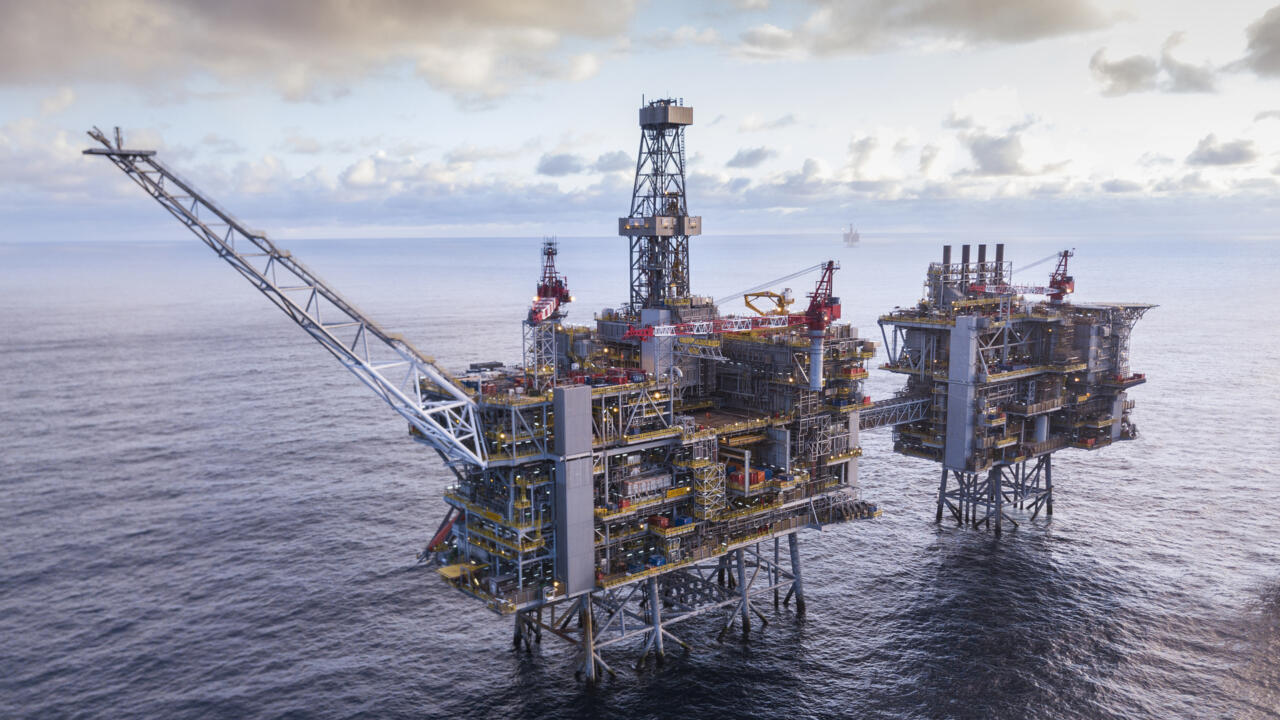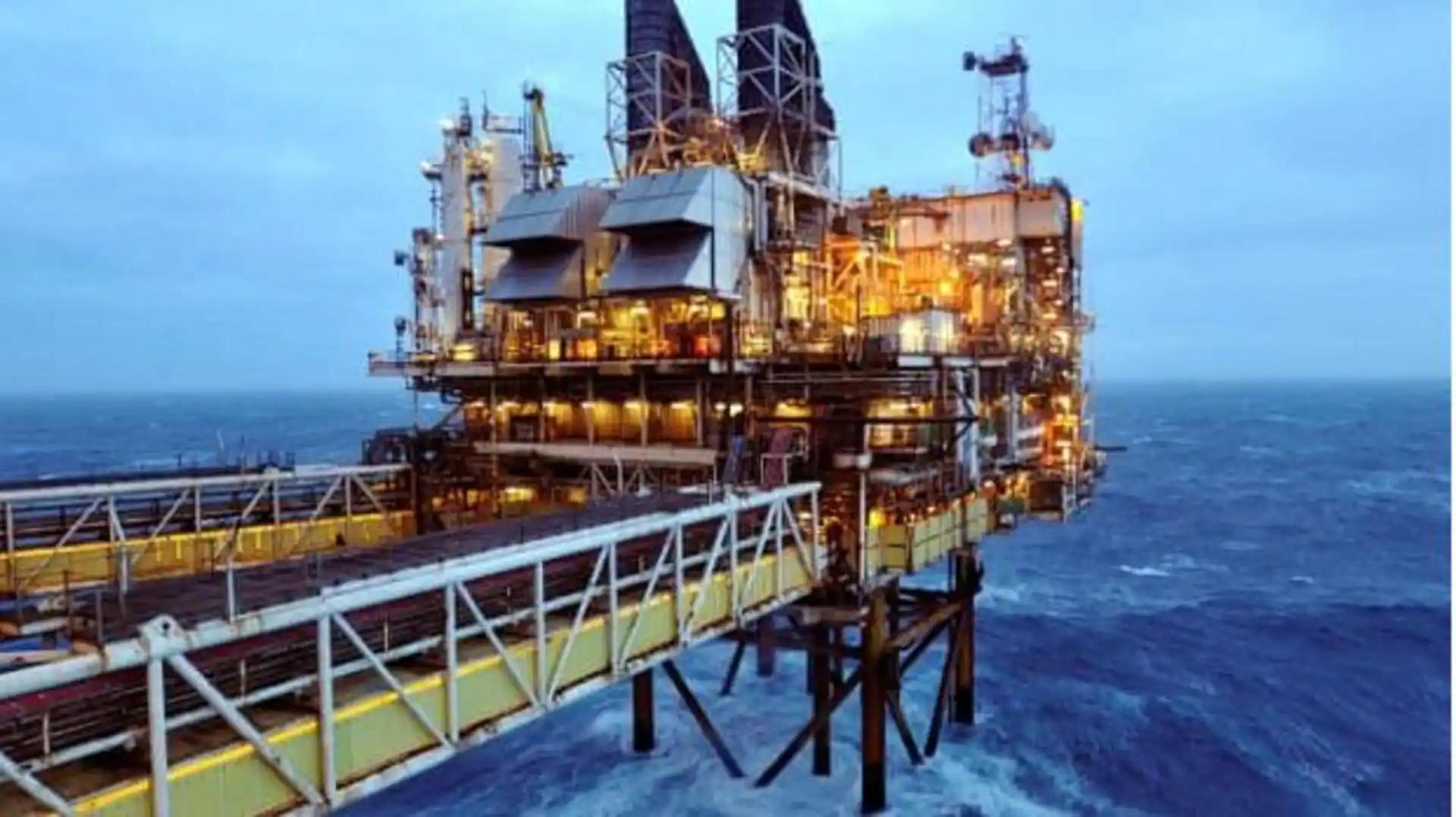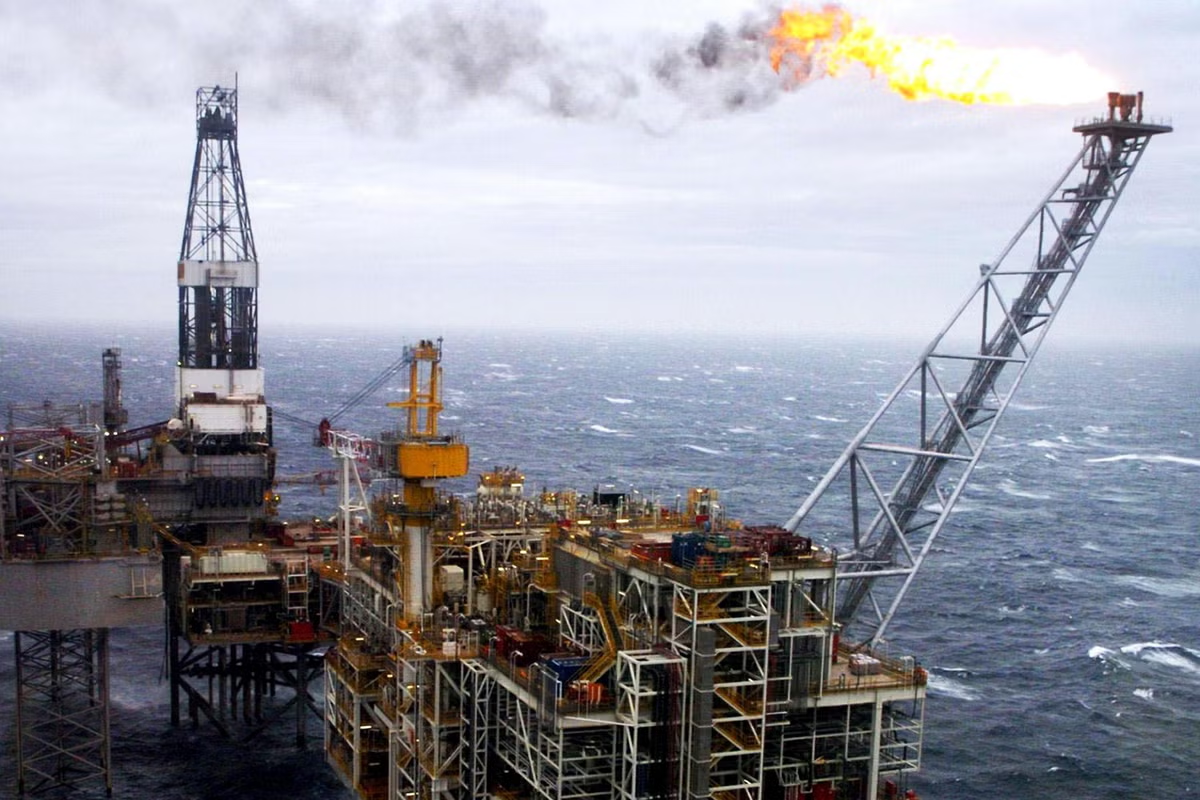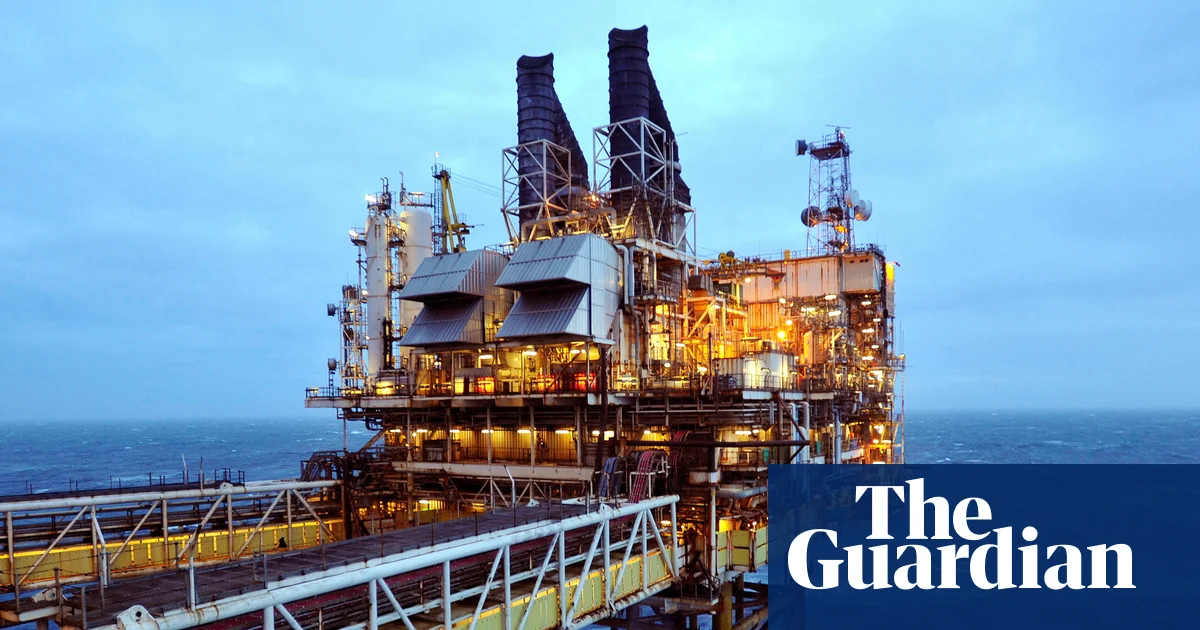
BP has put its North Sea oil and gas business up for sale as it looks to end six decades of production from the basin.The firm announced on Friday morning it had launched a formal process to market its North Sea business for a potential sale. The move comes as BP’s new chief executive, Meg O’Neill, tries to simplify the company and cut its debt levels.O’Neill said: “The North Sea remains integral to the UK’s energy system. However, as we focus our portfolio and direct capital to our highest-value opportunities, we believe our North Sea business will be better positioned as part of another company.”She said Britain would “continue to play an important role” in BP’s future, adding: “We’re proud of the jobs we create, the contribution we make to the UK economy and the work we do to keep energy flowing every day.”BP’s involvement in the North Sea dates back to 1964, when it was granted its first UK North Sea exploration licence. The company discovered the West Sole gasfield in the winter of 1965, followed by its largest discovery in the area, the giant Forties field, in 1970.BP’s planned exit from the North Sea comes as the climate crisis leads to wildfires and drought conditions across Europe. Angharad Hopkinson, a political campaigner at Greenpeace UK, called BP’s withdrawal from the North Sea “the canary in the coalmine for a toxic, declining basin”.She said: “If the North Sea really were the saviour of jobs, opportunity and energy security that the fossil fuel lobby claims, its biggest beneficiaries wouldn’t be heading for the exit.”Chart showing expected production and demand for North Sea oilOn Thursday, Andy Burnham said he would take a “pragmatic” approach to oil and gas drilling in the North Sea, adding that the government could not ignore the potential energy resources it held.Chris Beauchamp, the chief market analyst at the investing and trading platform IG, described BP’s North Sea sale as “a watershed moment”.“It says a lot when BP isn’t prepared to stick around to see if the new government can re-energise the UK’s energy policy,” Beauchamp said. “Clearly BP thinks it will take too long at a time when the need to exploit new energy fields is pressing, and waiting around for Whitehall to move is not a prudent use of resources.”The energy secretary, Miatta Fahnbulleh, said she was in close contact with BP over its plans.“The North Sea is a vital national asset and we will take a pragmatic approach, recognising that oil and gas will be part of our energy mix for years to come,” she said. “I’m in close contact with BP and have made clear that my priority is ensuring that the workers and local community are protected during this sale process.”skip past newsletter promotionafter newsletter promotionSince drilling began in the North Sea in the 1960s, 47.7bn barrels of oil equivalent (BOE) have been produced from the UK continental shelf as of the end of 2024.The North Sea Transition Authority estimated there to be 2.9bn BOE of UK oil and gas reserves left in the North Sea at the end of 2024. There is also an estimated 6.2bn BOE of contingent resources – petroleum estimated to be recoverable from known deposits but not ready for commercial development.Chart showing expected production and demand for North Sea gasThere is an estimated 4.6bn BOE of “prospective resources” as well. These are undiscovered, potentially recoverable resources in mapped leads and prospects that have not yet been drilled. Those reserves could be extracted with government approval, if energy companies believed it was commercially viable.BP has been cutting its exposure to the UK this year. In May, it announced plans to sell stakes in two large carbon capture and storage projects in the north-east of England.The company said it would retain its UK aviation fuel distribution business, retail sites, UK-based trading desk and London headquarters.O’Neill took over as BP’s chief executive on 1 April. Less than two months later, the company removed its chair, Albert Manifold, citing serious concerns about “important governance standards, oversight and conduct”, which he denies.
BP puts North Sea oil and gas business up for sale
Move will end six decades of production in area, as new CEO tries to simplify company and cut debt
680 words~3 min read