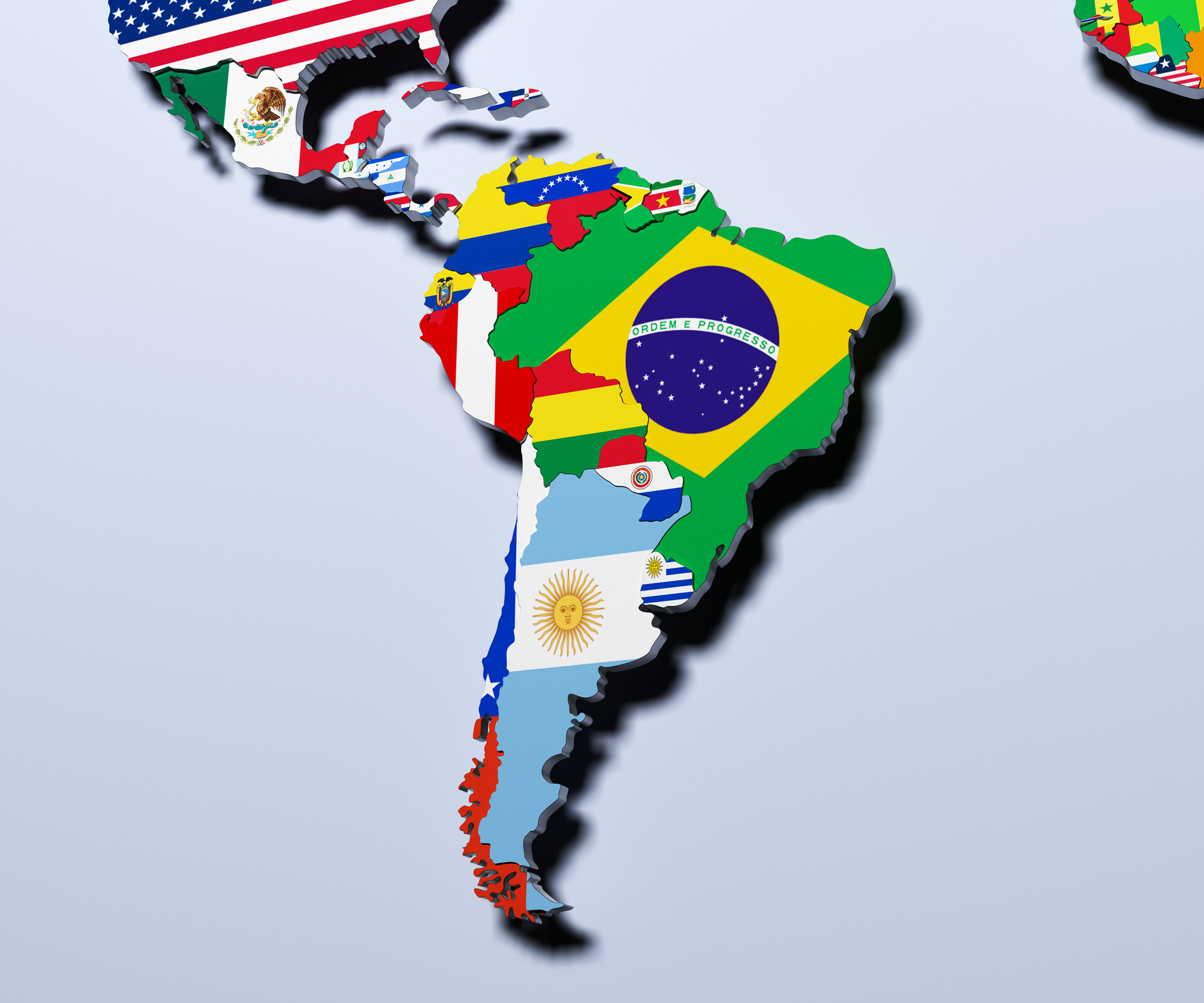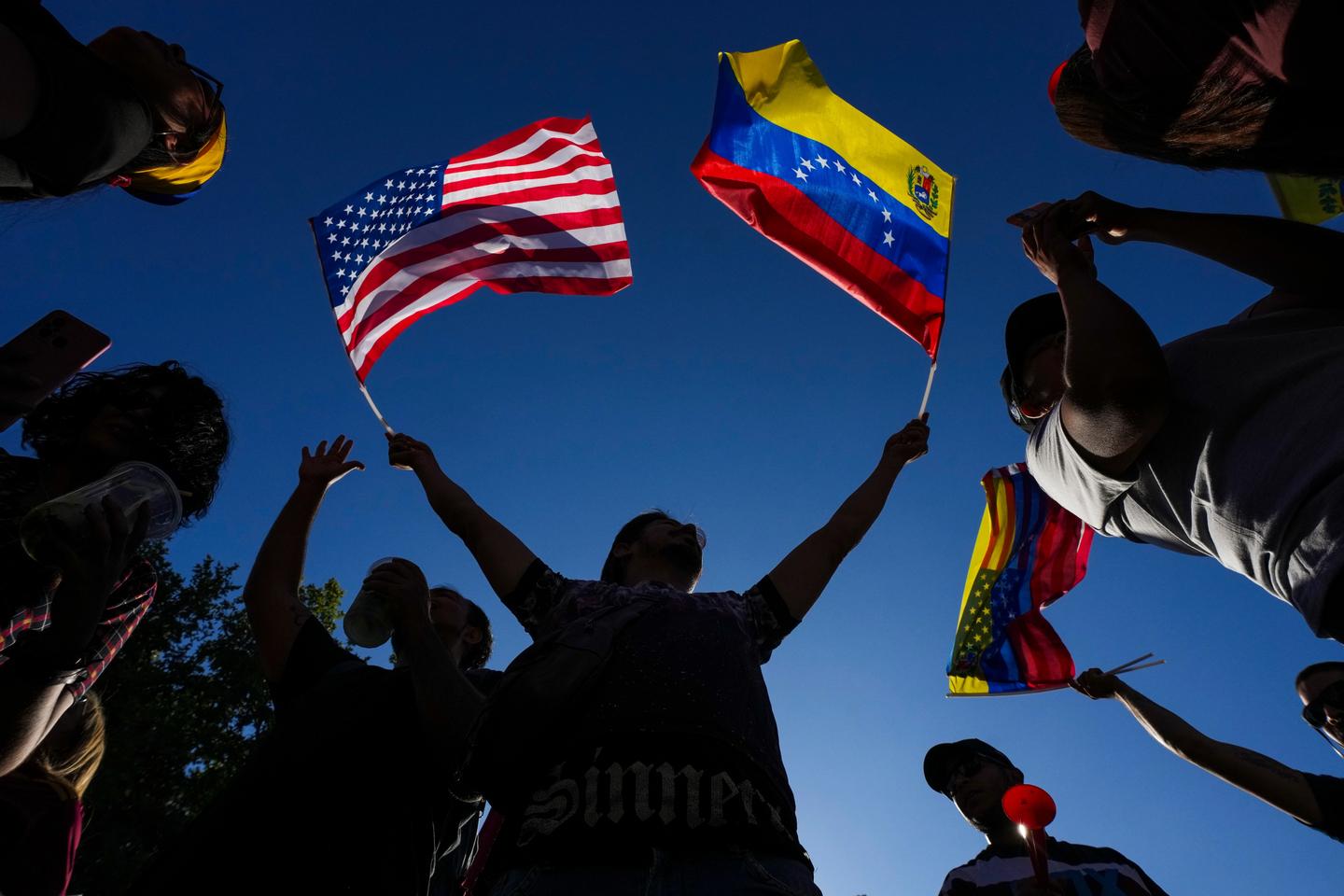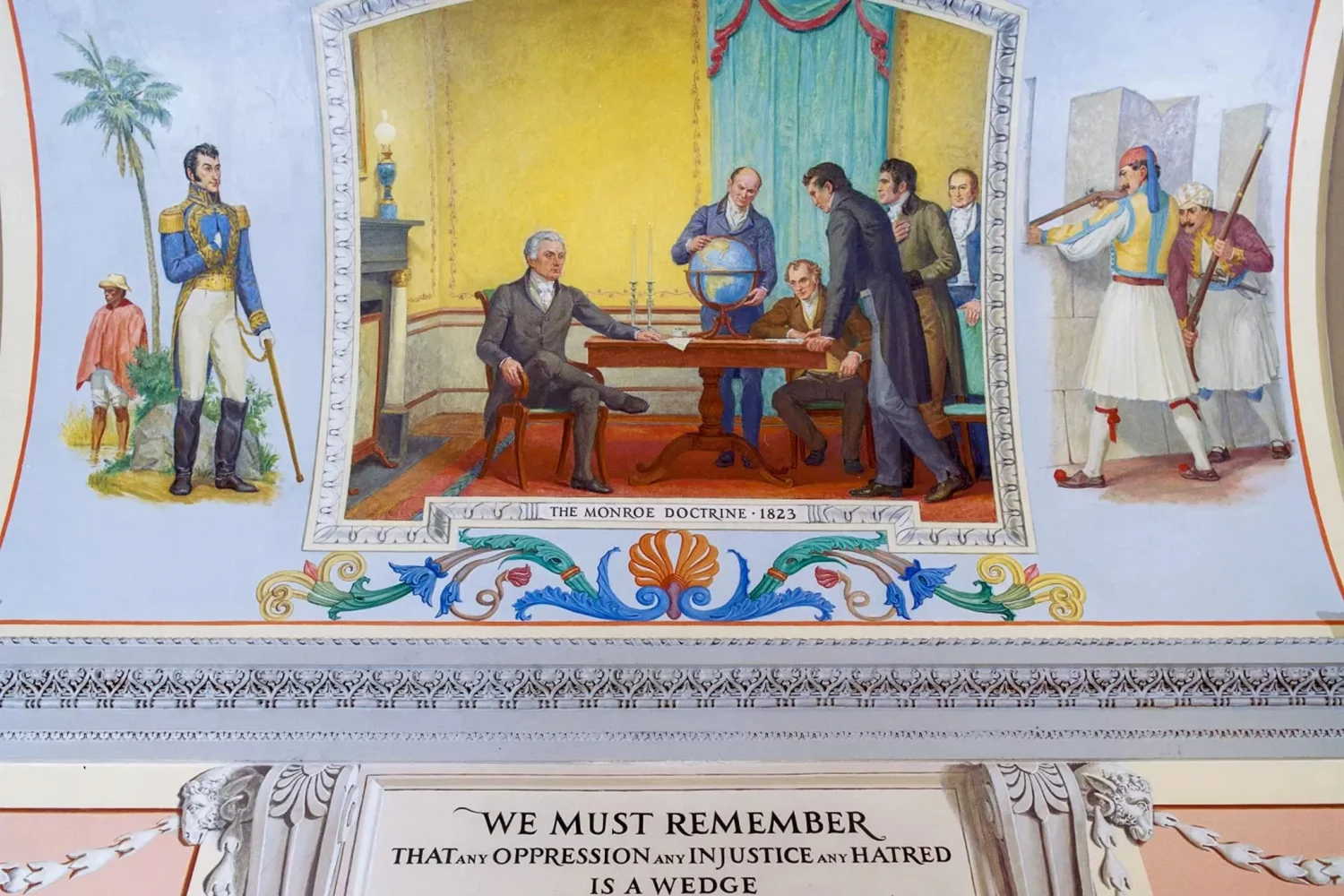
The 250th anniversary of U.S. independence has revived a debate on what it means to be American. This has spotlighted at least two competing stories on American identity: One hinges on a conventional understanding of national identity as a state-centered project characterized by jurisdictional boundaries and physical separation between peoples; a competing story, based on shared experiences, cultures, and diasporas, claims that “American” is a term that cuts across national differences and refers to the entire Western Hemisphere.
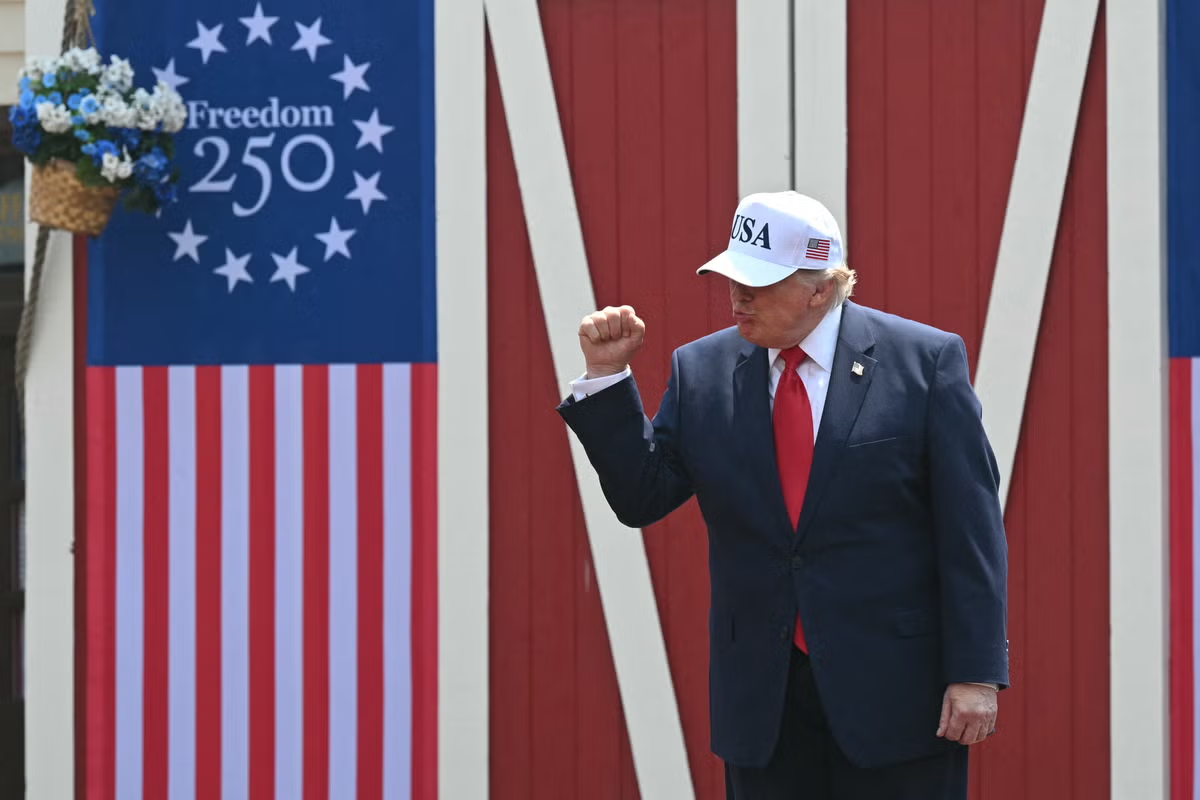
Both accounts of American culture and identity have been taken up recently in public discourse. U.S. President Donald Trump’s administration has made the go-it-alone, state-centered narrative a central dimension of its historical nostalgia. As the White House states, the goal of its 250th anniversary programming is to “inspire a renewed love for American history.” In response, popular discourse has embraced a hemispheric conception of American culture that celebrates diasporic traditions while critiquing the imperial tendencies of the United States. This framing was famously deployed by Bad Bunny during the Super Bowl LX halftime show, but it has also been used to think about language, history, and artistic production.