A global study estimates that drifting fish aggregating devices, or dFADs, affect more than half of the world’s protected marine area.Researchers documented at least 6,324 dFAD strandings across 174 protected areas in 53 maritime jurisdictions over a period spanning 2007-2023.The analysis found no clear evidence that fishing fleets systematically concentrate dFAD fishing around large marine protected areas.Researchers and an independent fisheries expert are calling for stronger limits on dFAD deployments, better tracking and for companies to have greater responsibility for retrieving lost devices.
Marine protected areas (MPAs) may prohibit industrial fishing within their boundaries, but they cannot stop fishing gear released elsewhere from drifting inside.
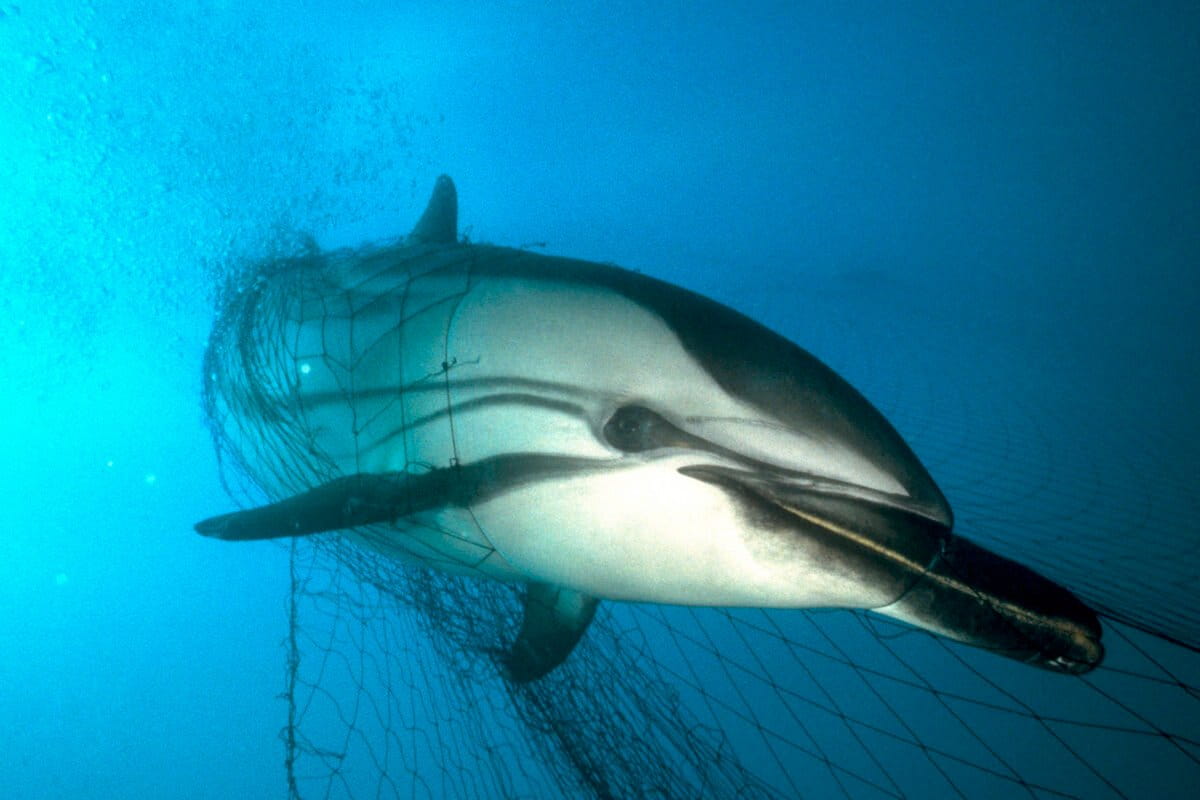
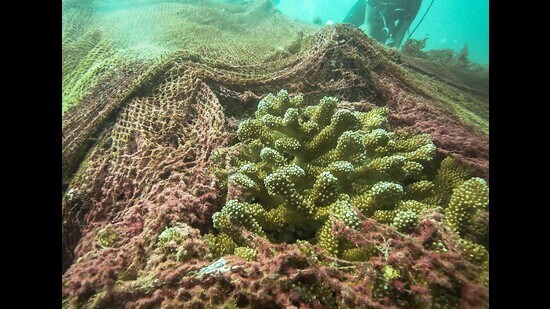
A new global study estimates that drifting fish aggregating devices (dFADs) used by industrial tuna fleets affect more than half of the world’s protected marine areas. Some travel thousands of kilometers before sinking or washing ashore, where they can damage coral reefs, entangle wildlife and leave coastal communities with the burden of removing the debris.
Published in Science Advances in June 2026, the study combined fishing records, published research, an online survey of MPA staff and experts, and follow-up interviews to assess the global distribution, strandings and impacts of drifting FADs in MPAs.