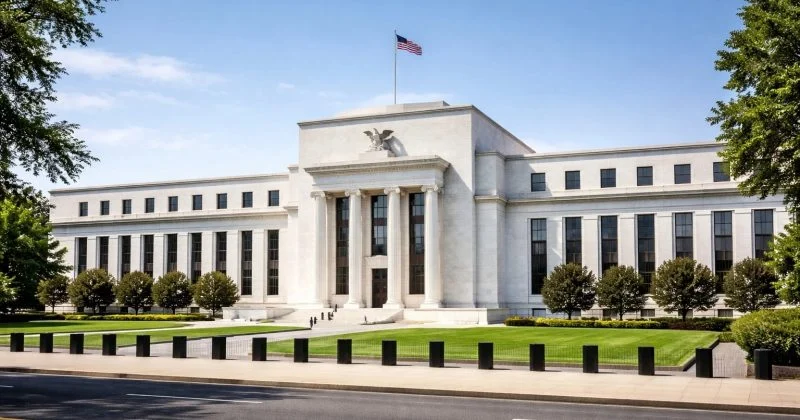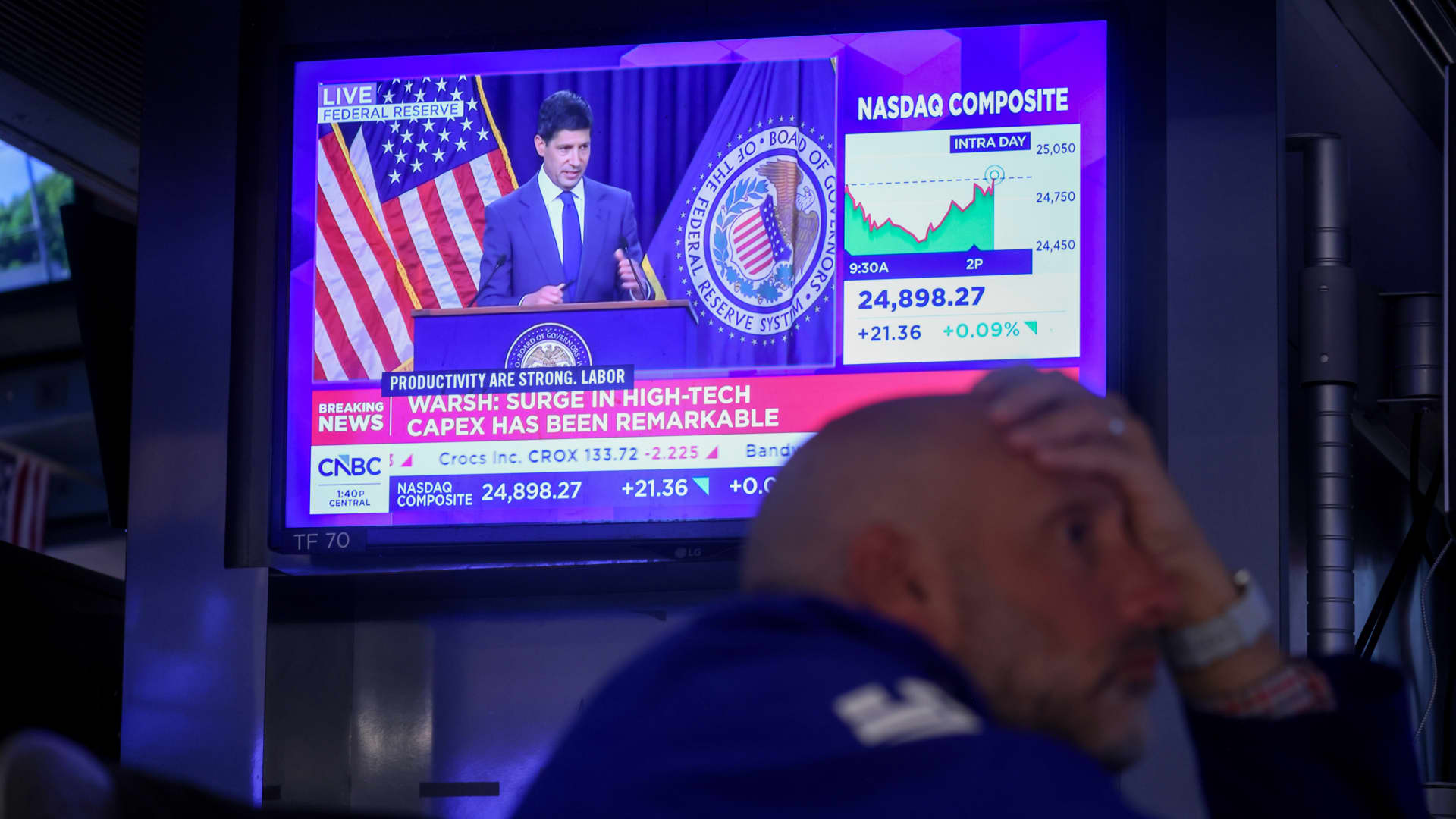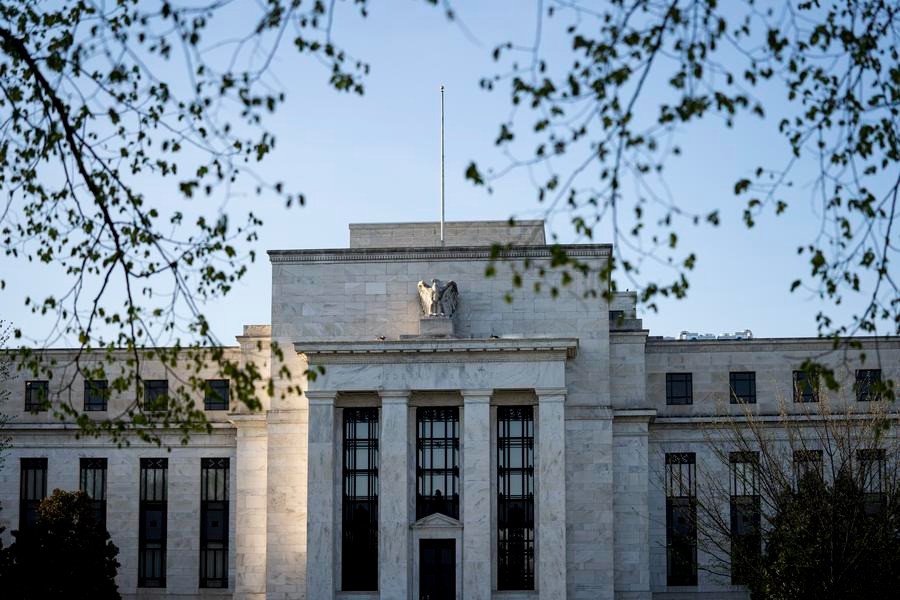
The US Treasury yield curve just did something interesting. Following the Federal Reserve’s decision on July 29 to hold its benchmark rate steady at 3.5%-3.75% for the fifth consecutive meeting, the curve twisted in a way that tells a very specific story: markets think the Fed is probably done raising rates.
Long-term yields climbed while the probability of a September hike collapsed. Bond traders are betting that the current rate is the peak, and they’re repositioning accordingly.
What the twist actually means
In this case, the twist that materialized around July 31 carried a clear message. Short-term yields, which are more sensitive to imminent Fed policy, stayed relatively anchored. Meanwhile, long-term yields pushed higher, reflecting expectations about sustained economic growth and persistent inflation rather than fears of additional rate hikes.
The distinction matters. When long-term yields rise because the market expects more hikes, that’s one thing. When they rise because investors see a stable-but-elevated rate environment stretching out over years, that’s a fundamentally different signal about where the economy is heading.