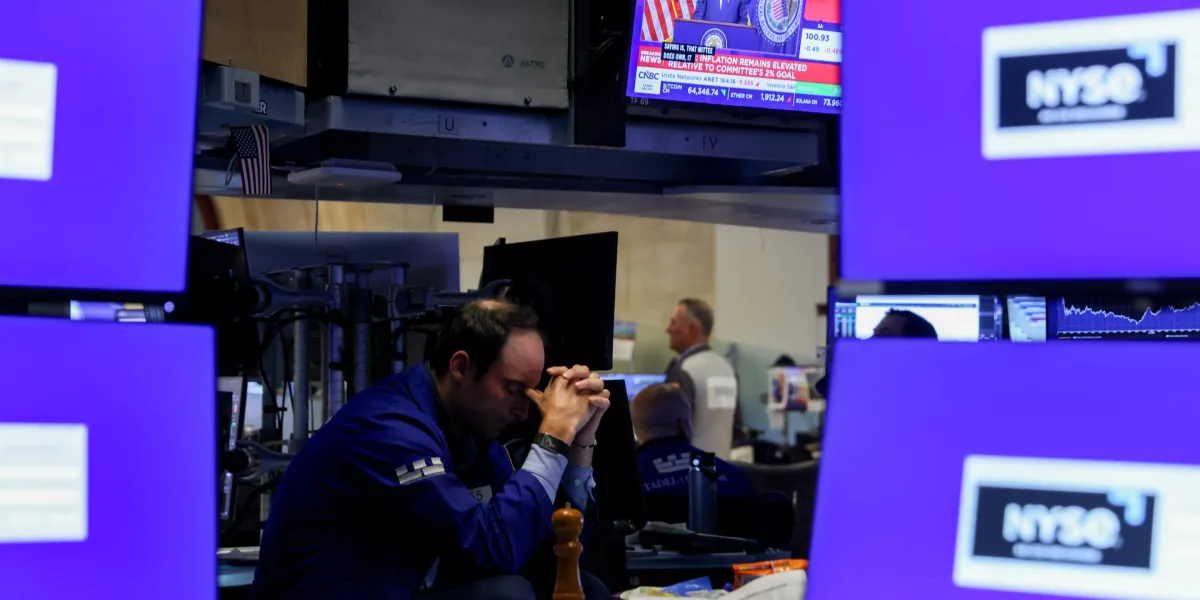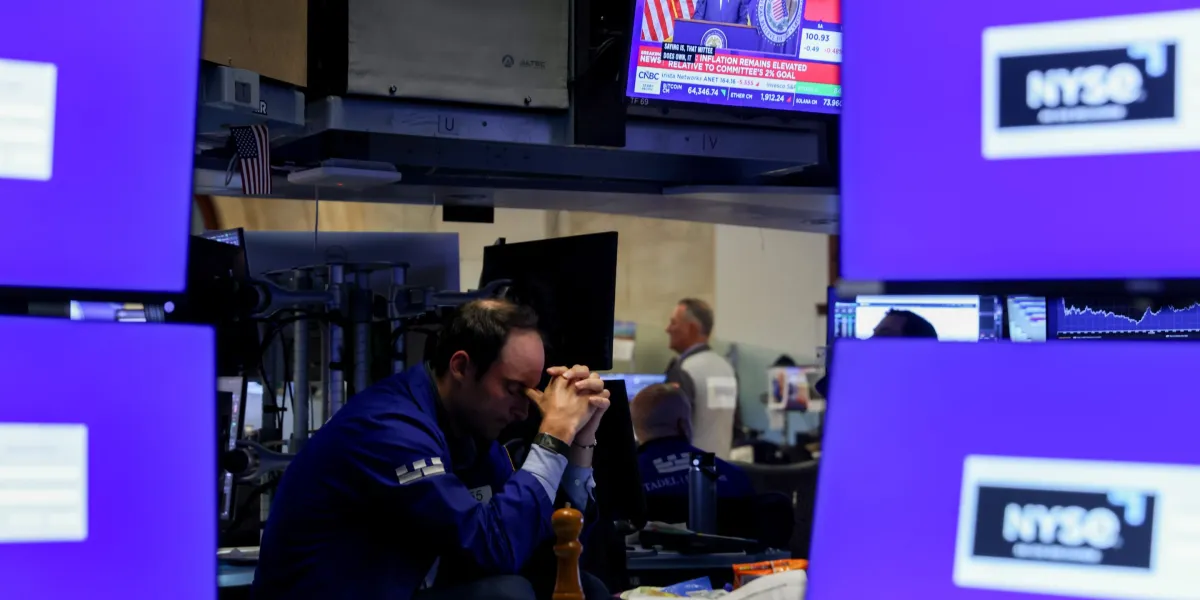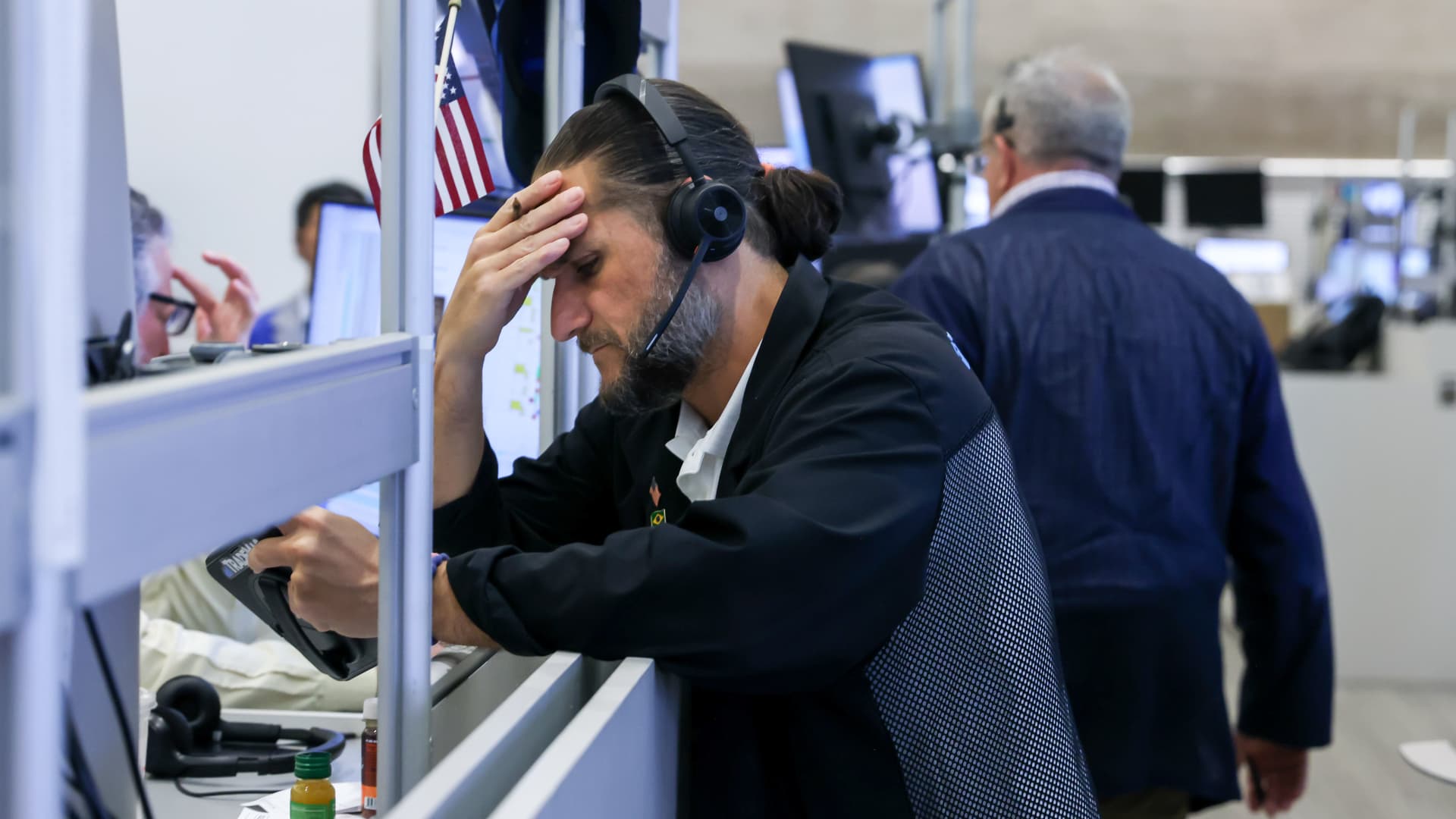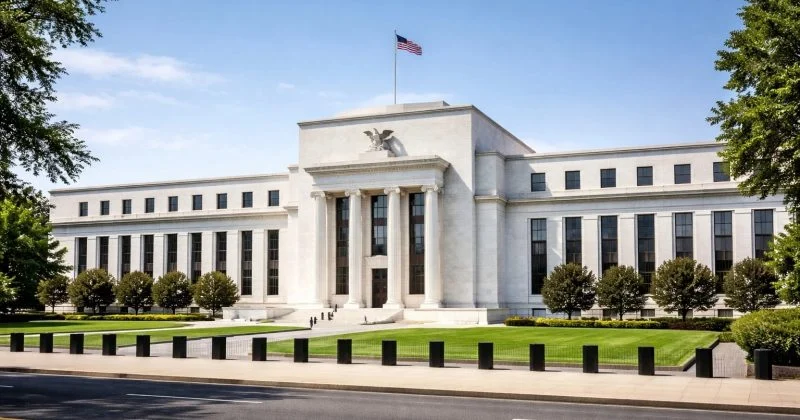
At the time of writing, 30-year Treasuries remain over 5.1%. Yields tipped over 5.2%—a benchmark that hasn’t been hit since late 2007—upon the conclusion of this week’s rate-setting Federal Open Market Committee (FOMC) meeting. Elsewhere, 10-year Treasuries have nudged over 4.65% while rate-sensitive two-year Treasuries have slumped.
Upward volatility at the long end of the yield curve doesn’t make for a fantastically stable outlook: it means that major borrowing by governments and households is likely to become more expensive, and long-term inflation expectations are rising. Unease in the bond market sets the tone across the broader macro picture—as Treasury Secretary Scott Bessent has previously said, the bond market is “ultimately” the most important.
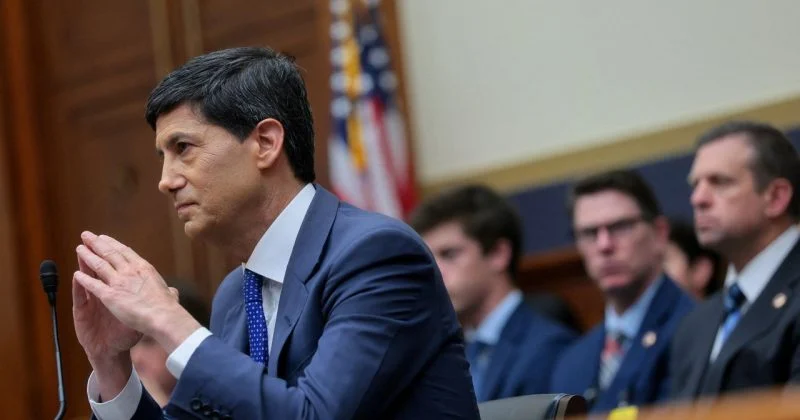
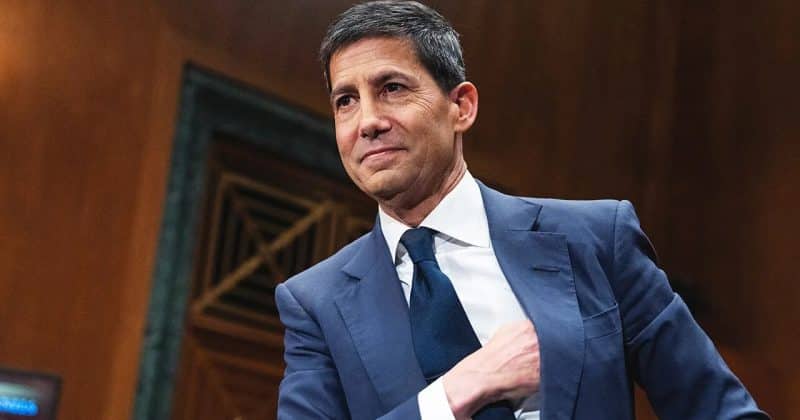
Yet the outcome of the FOMC meeting was precisely what analysts and investors had expected: a hold of the base rate at 3.5%-3.75%, with a few dissenters favoring a hike.
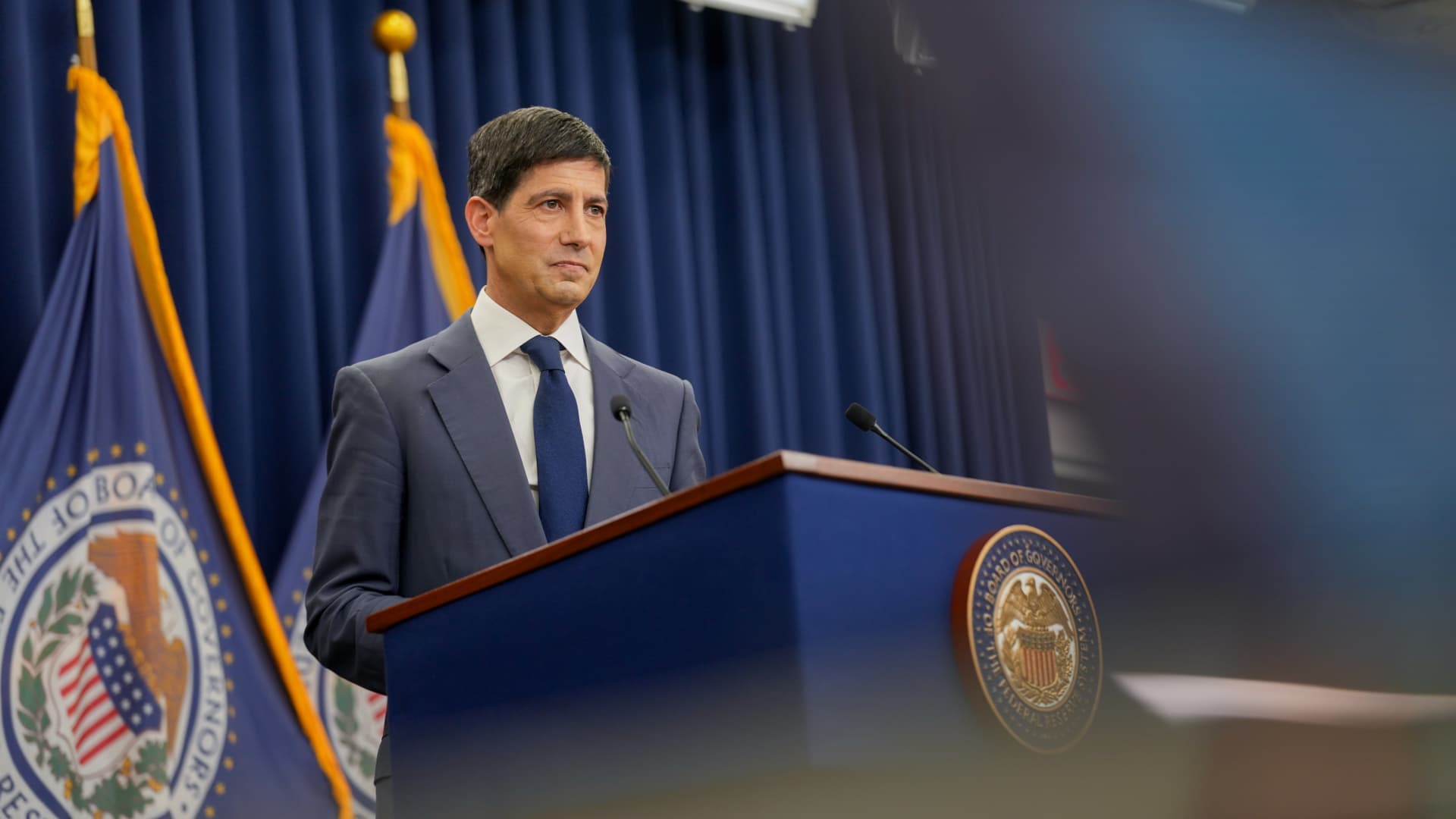
Warsh also remained resolute in the Fed’s commitment to a 2% inflation target, and softer June inflation data bolstered the case for the anticipated hold.
So why the angst?