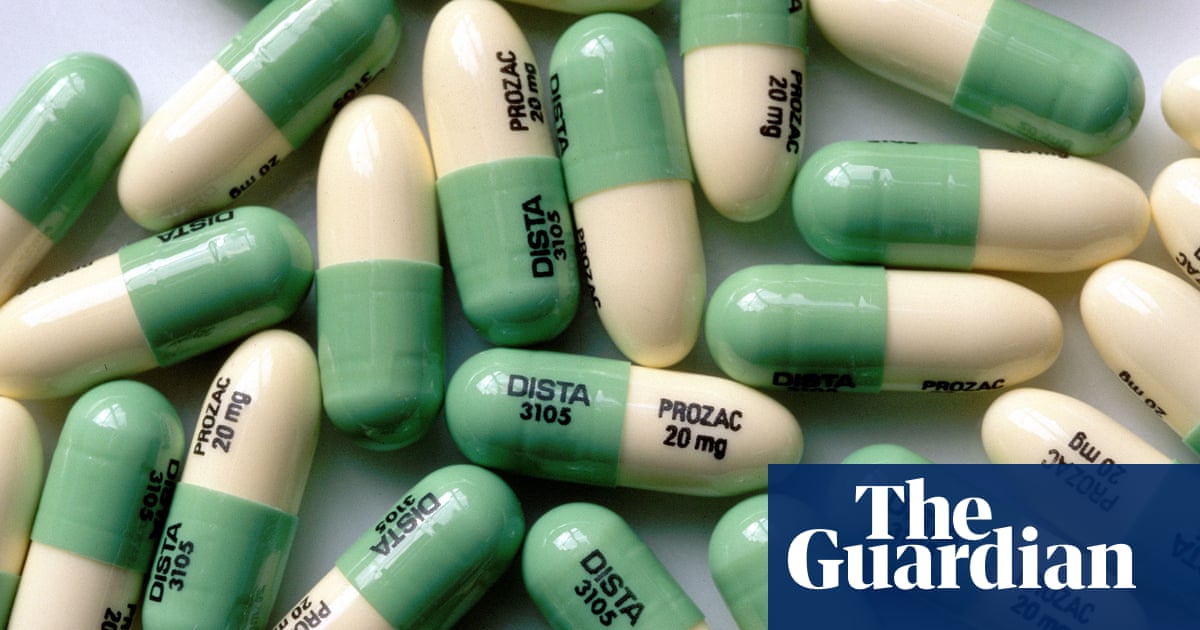
On July 24, Florida's health department issued a guidance statement recommending against the use of psychotropic drugs in children ages 5 to 17 years for the treatment of depression, anxiety, and attention deficit-hyperactivity disorder (ADHD). The document raises several legitimate concerns about pediatric psychopharmacology. It also makes a recommendation that, if followed broadly, could cause serious harm to millions of children. Physicians should understand both sides of this equation.
What the Guidance Gets Right
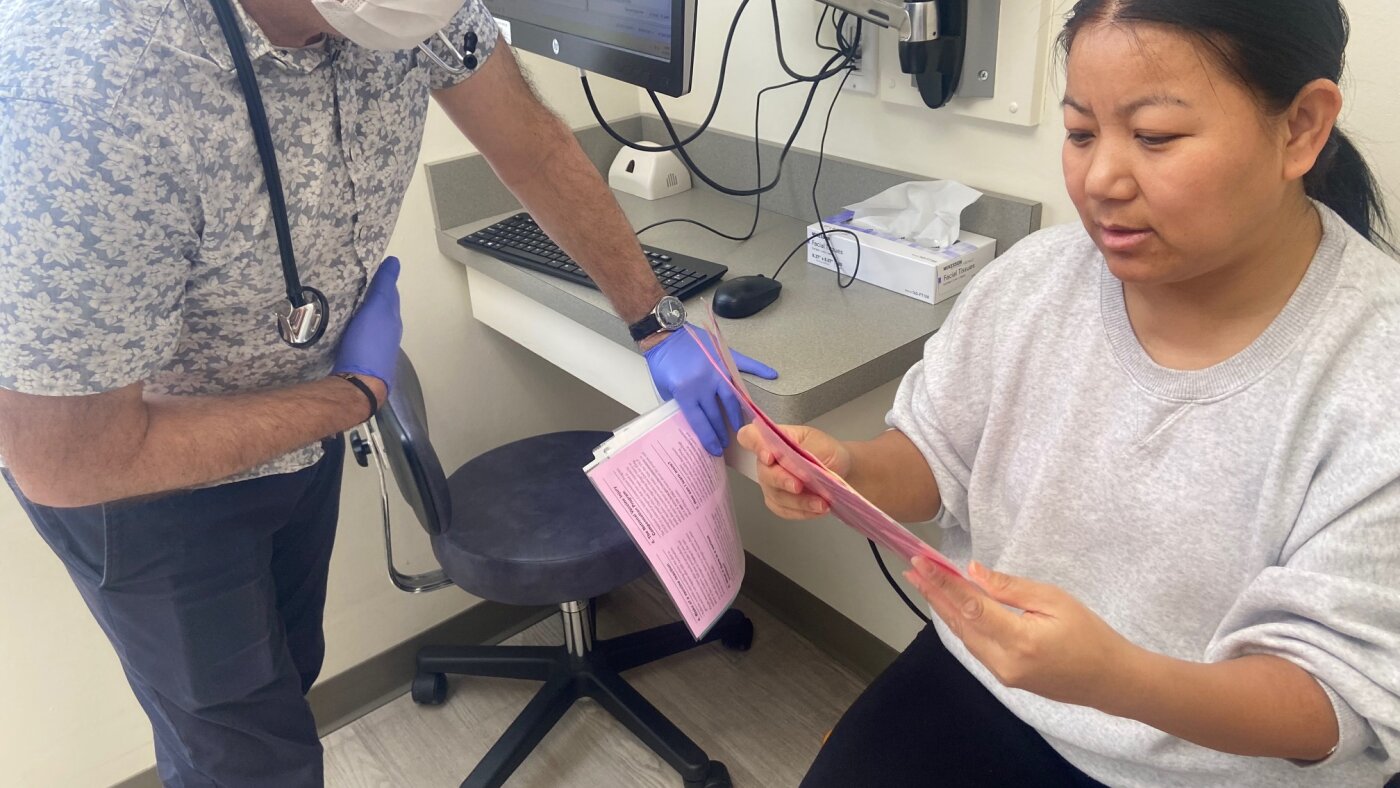
The document's strongest points are procedural. It calls for comprehensive evaluations before initiating treatment, including thorough health histories, psychosocial assessments, and physical examinations. It recommends psychotherapy before pharmacotherapy in mild cases. It highlights the value of behavioral interventions, physical activity, dietary improvements, and reduced screen time. It emphasizes careful deprescribing when medications are discontinued.
None of these recommendations are controversial -- or new. The American Academy of Child and Adolescent Psychiatry's (AACAP) 2009 guidelines similarly emphasized that prescribers should complete thorough evaluations and develop treatment plans that integrate both psychosocial and pharmacological interventions based on the best available evidence.