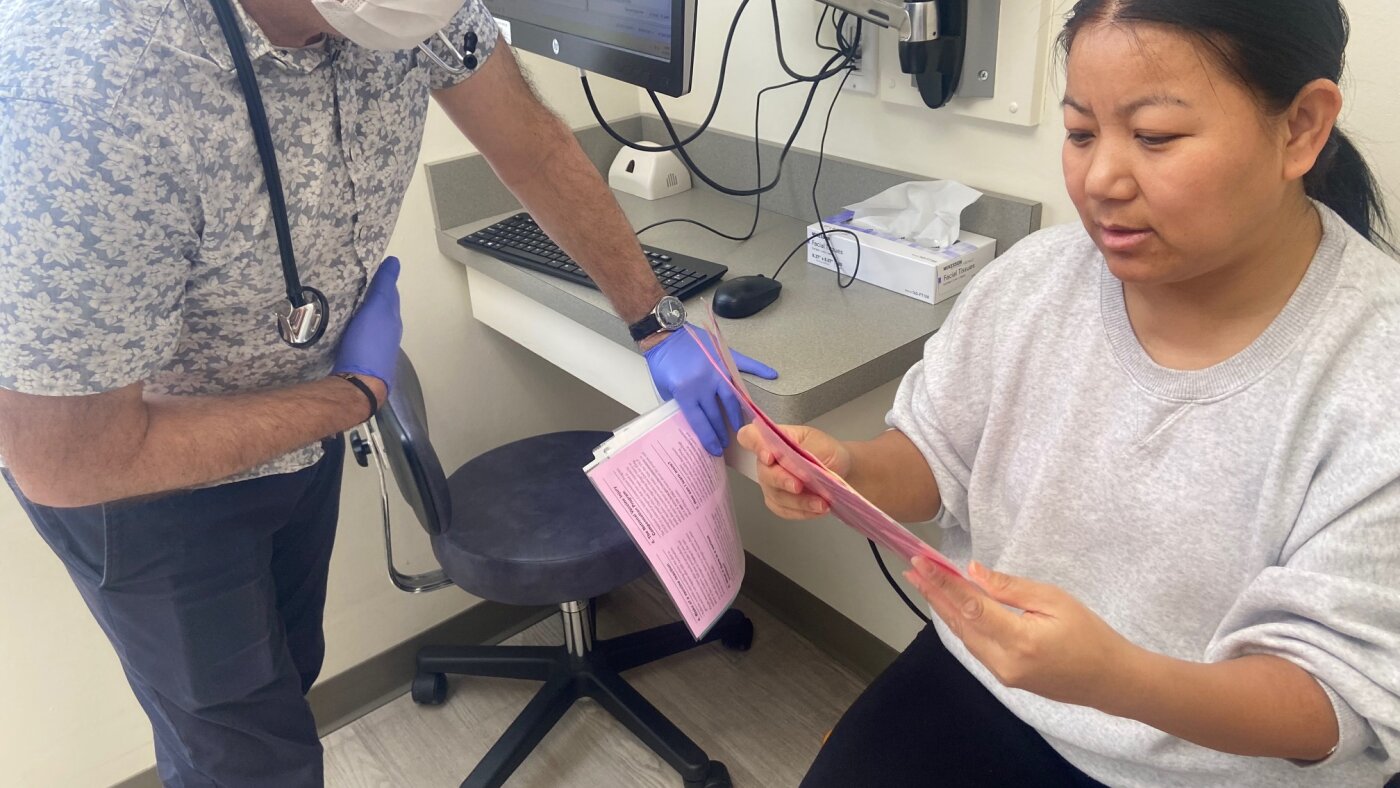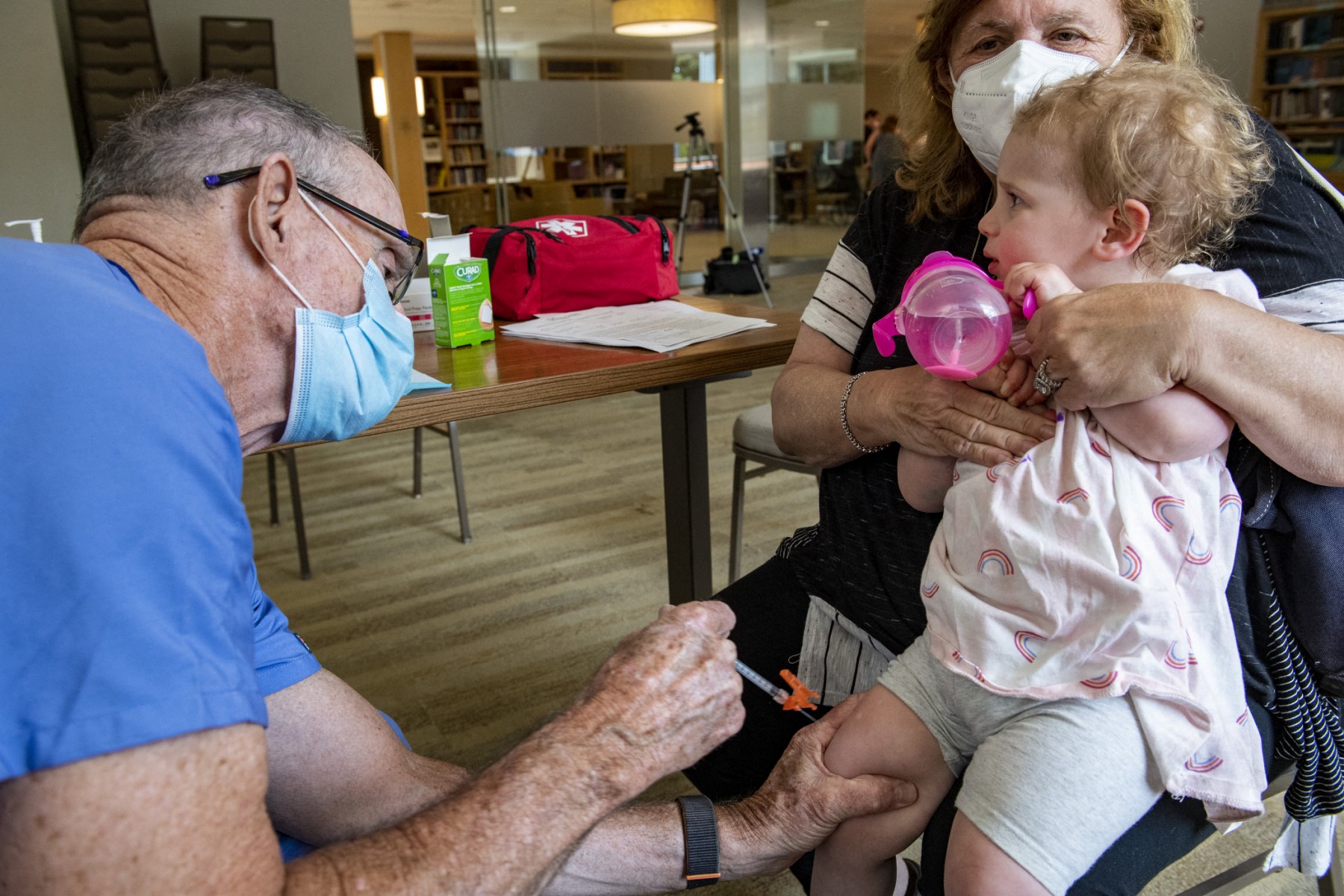
AMHERST, Mass. — For the last 30 years, whenever pediatrician John Snyder wanted to find the most up-to-date research on treating young patients, he would turn to the Centers for Disease Control and Prevention.
If he wanted to learn more about an outbreak of measles or hantavirus, he would pore over the weekly CDC report that came by email. If a patient’s family was traveling to Africa or Asia, he would check the latest CDC vaccine recommendations for overseas travel. And if a family was worried about potential side effects from a shot, he could always send them to the CDC’s website to bolster his argument to get the immunization.
Public trust in the CDC has hit bumps in the road during infectious disease outbreaks, but for medical professionals, Snyder said, “the CDC used to be, worldwide, the most trusted source of information pertaining to public health and infectious disease.”
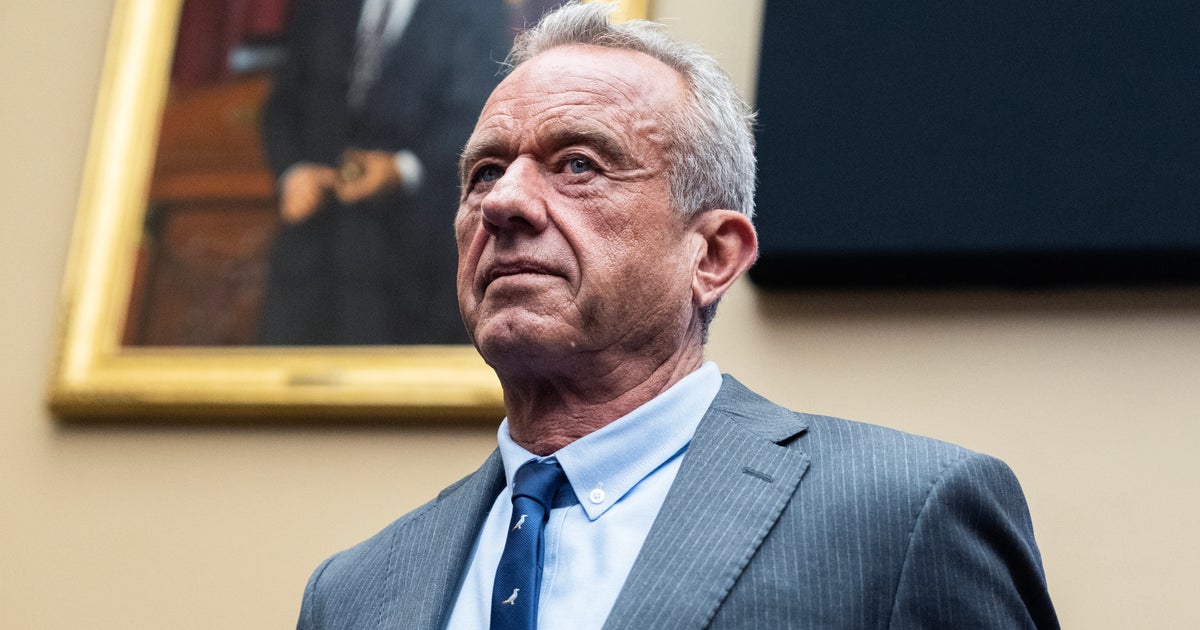
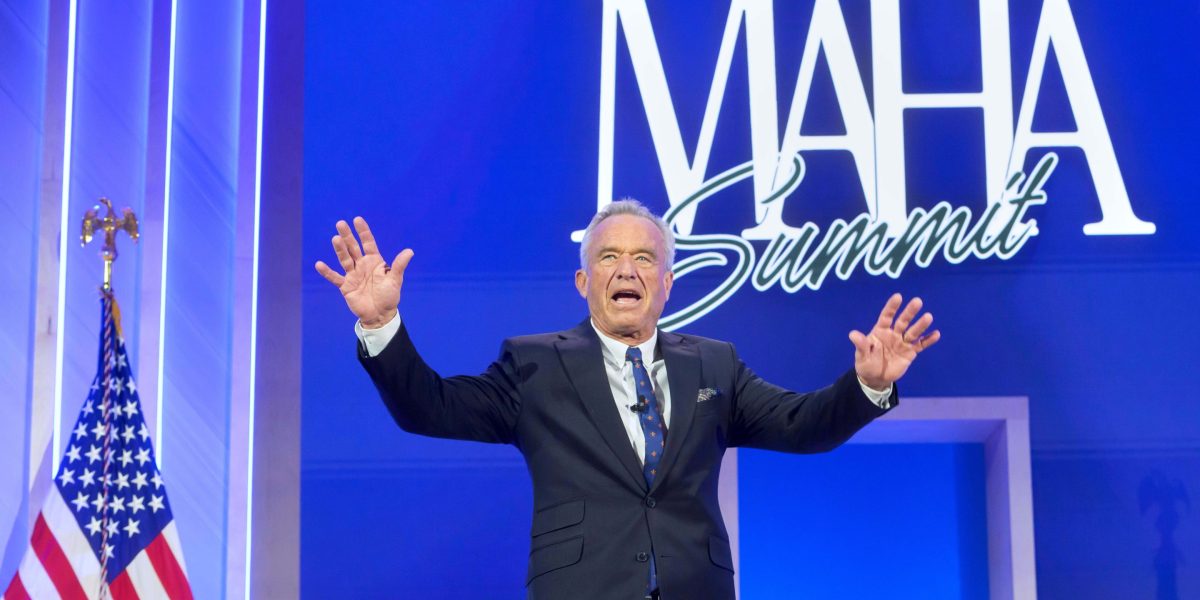
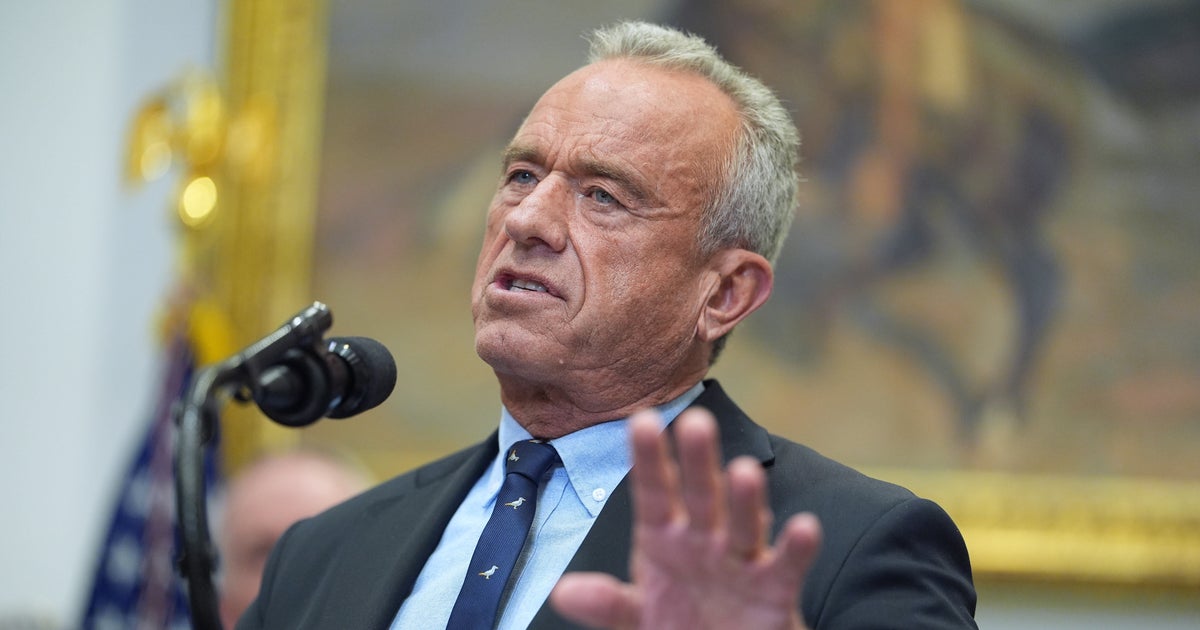
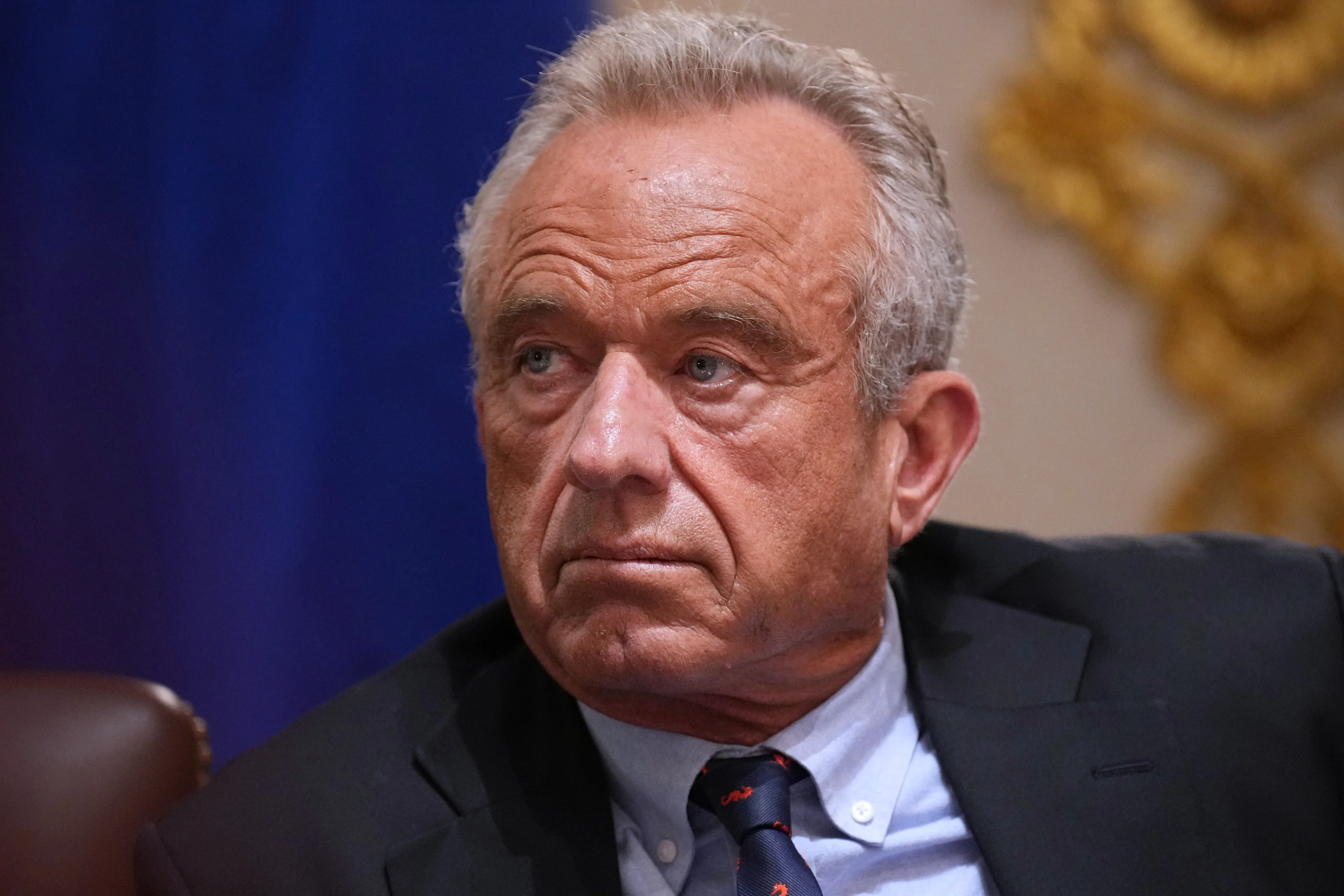
Yet even doctors began losing trust, Snyder said, after Donald Trump was elected president again. Trump quickly tapped longtime anti-vaccine activist Robert F. Kennedy Jr. as his nominee to lead the Department of Health and Human Services, which oversees the CDC.
Within months of his confirmation as secretary, Kennedy had dismissed every member of the CDC’s vaccine advisory board and replaced them with new appointees, some of them prominent vaccine skeptics.