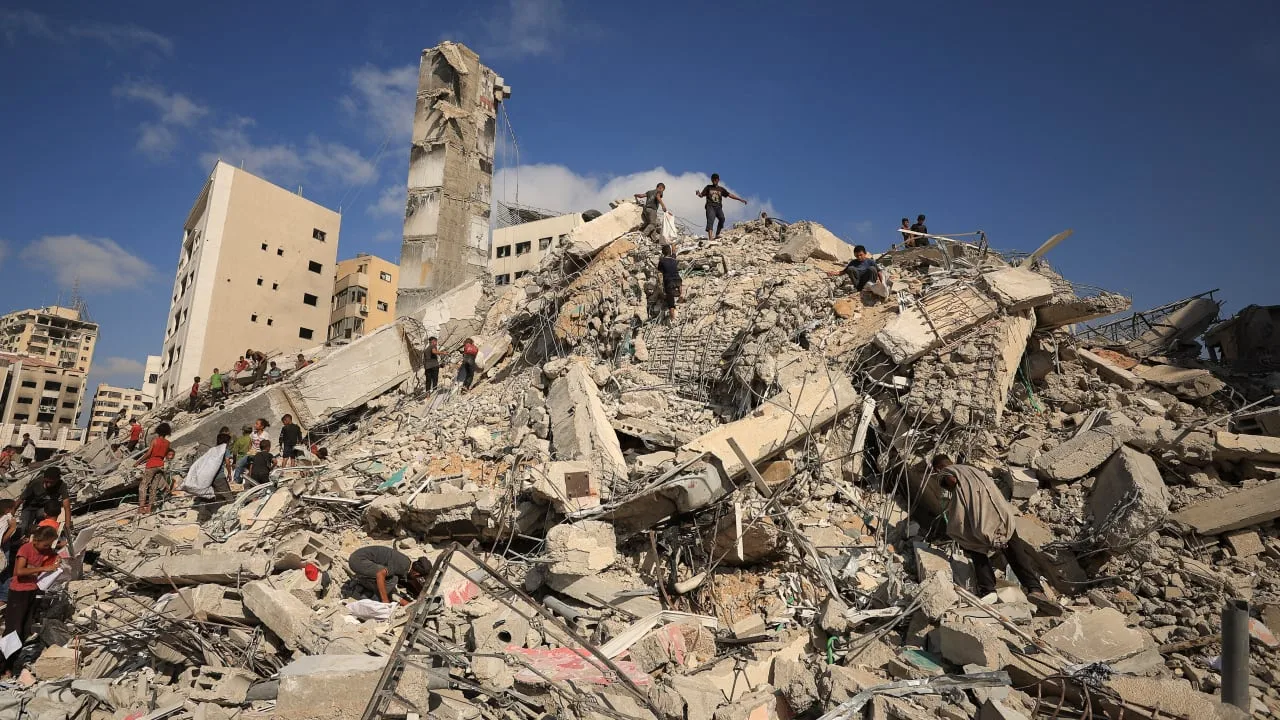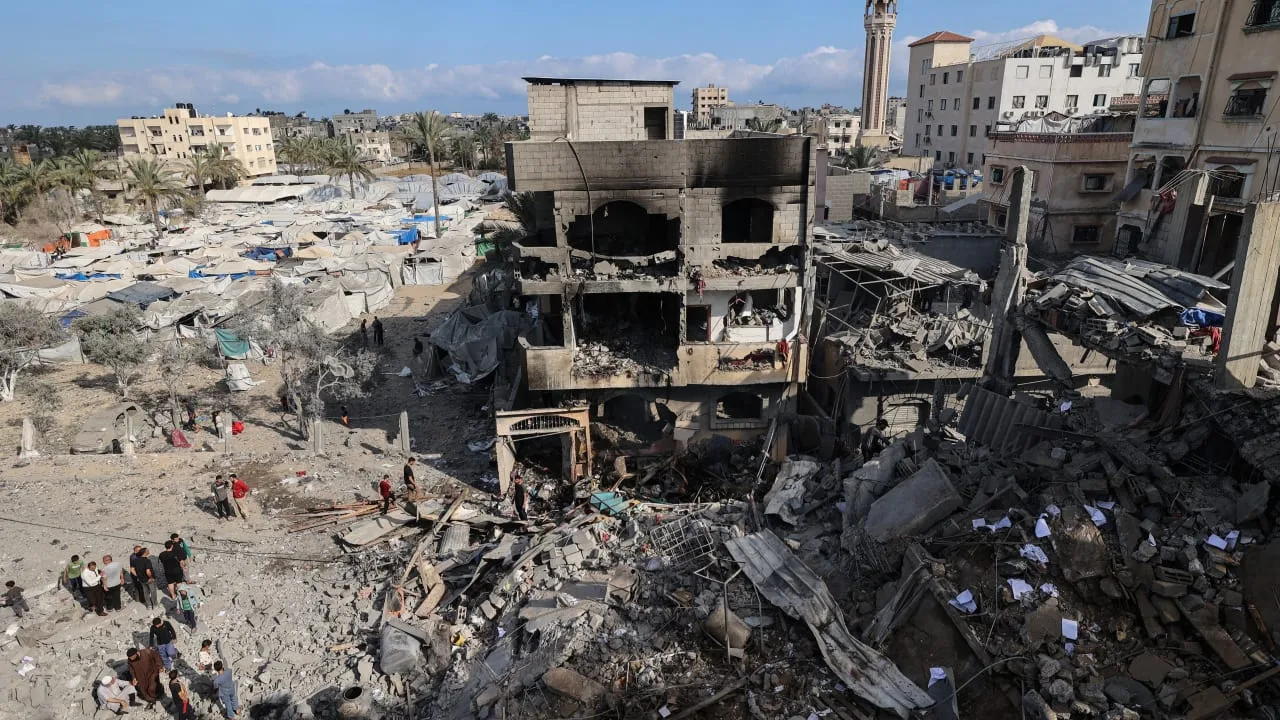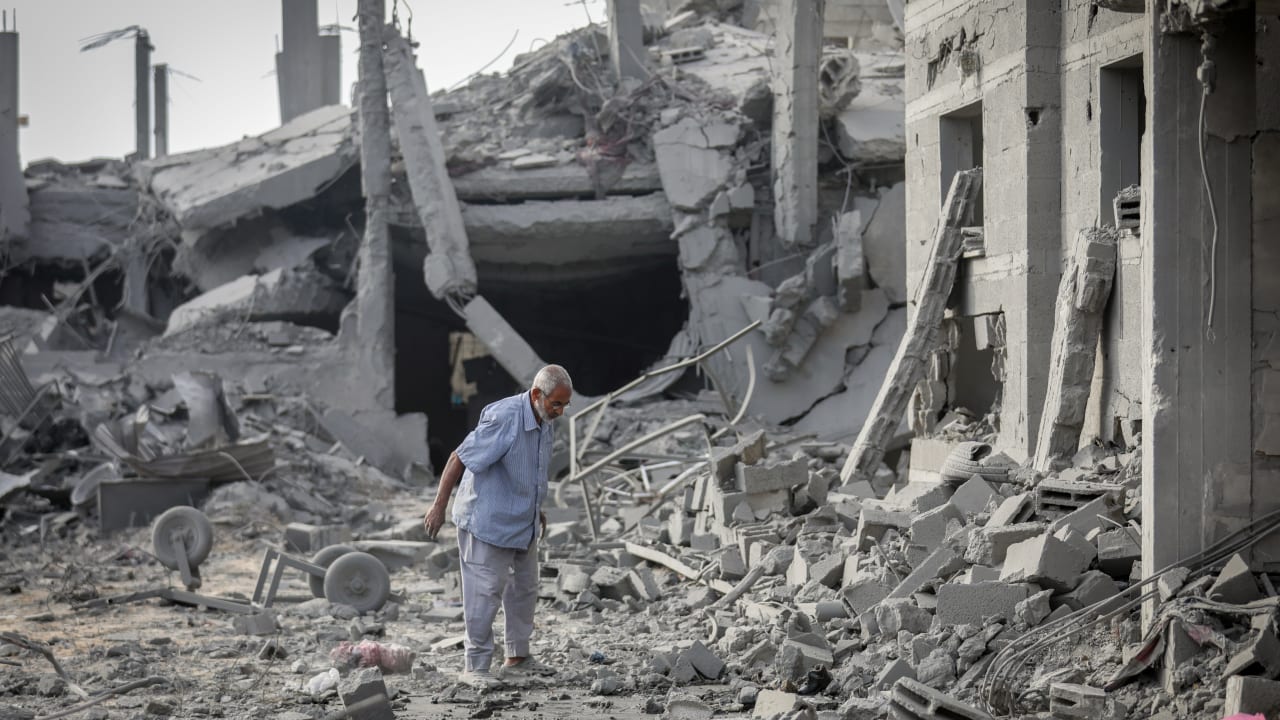
WASHINGTON—Gaza’s reconstruction faces two pressing financial problems. The first is the massive cost, which the United Nations estimated at upwards of seventy billion dollars. The solution to this problem is clear though daunting: Nearly all the reconstruction funds will need to come from international donors, many of whom are beginning to contribute. The second problem is just as important: ensuring funds go to the right individuals. Here a digital identification system in Gaza incorporating distributed-ledger technology—the same kind of technology used in blockchain currencies—could be transformative.
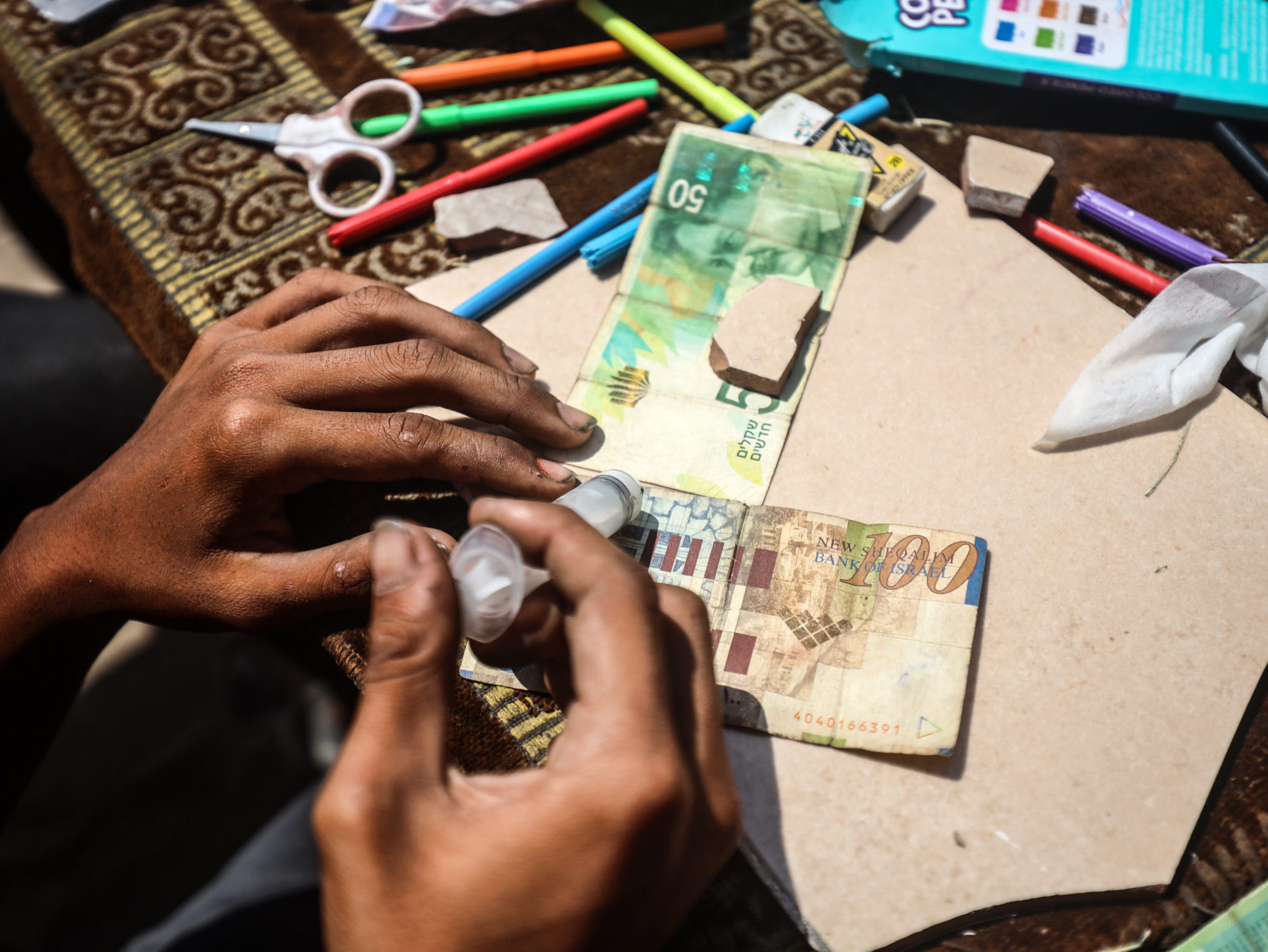
By necessity, most financial aid in Gaza will move through digital channels. The question is whether the people in Gaza are going to be participants in that system or recipients of it; whether they will have wallets and agency, or whether they will be waiting at distribution points for cash that takes weeks to arrive and disappears into informal economies.
The identity problem in Gaza started well before the attacks on October 7, 2023 and the subsequent war. In 2021, for example, roughly five thousand Gazan residents still had open, unresolved cases with no recognized identity documents, out of an estimated 55,000 cases that had accumulated over decades. The situation is complicated further by the 2007 split between the Palestinian Authority (PA) and Hamas. Each has maintained separate civil registries. While some Gazans hold PA-issued IDs, others are registered only through Hamas’s internal system. A meaningful share of people are not counted in either system. Moreover, it is not clear how much of Hamas’s internal documentation has survived the war, or how many hospitals managed to maintain birth registration records throughout the fighting. Reconstruction planners, therefore, are starting from a fractured slate.