This article is the first in Realign for Palestine’s series The Future of Money in Palestine, which examines the monetary policy frameworks needed for Gaza’s reconstruction and seeks to provide a practical blueprint for establishing a financial system that Palestinians can trust.
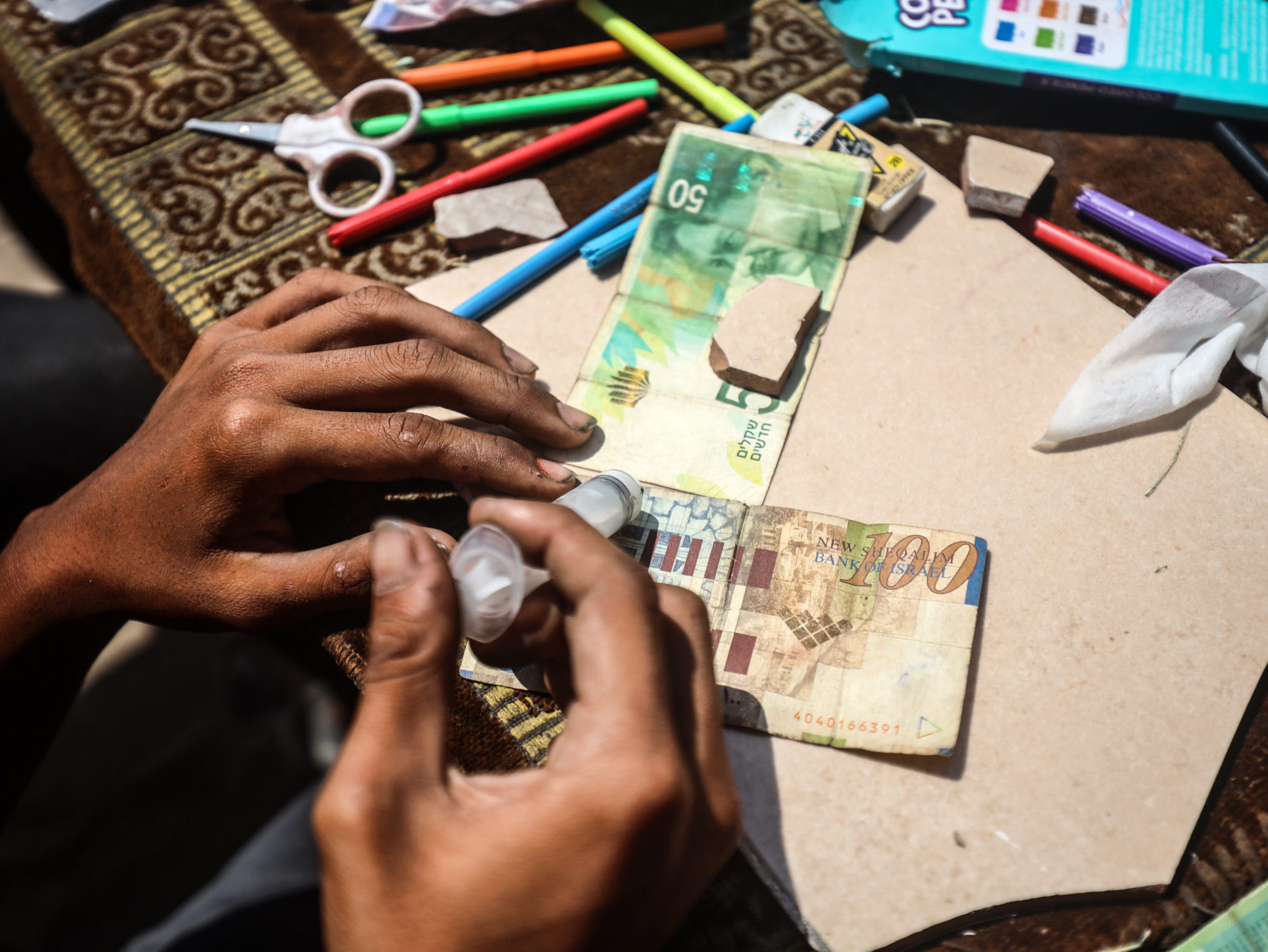
The Gaza Strip faces an unprecedented challenge. Years of conflict, extensive infrastructure destruction, population displacement, and fragmented governance have severely disrupted economic activity and public services, including systems for managing population and identity data. In this environment, giving citizens and small businesses access to secure, regulated, and efficient financial transactions will be critical to supporting economic recovery and maintaining social stability.
A closed-loop digital financial system tailored to Gaza’s unique circumstances could help address these challenges. Rather than focusing on large-scale trade or conventional commercial banking infrastructure, such a system would focus on the everyday financial needs of individuals and small and medium enterprises (SMEs). It could support humanitarian aid distribution, commercial transactions, and broader economic revitalization through a secure digital ecosystem.