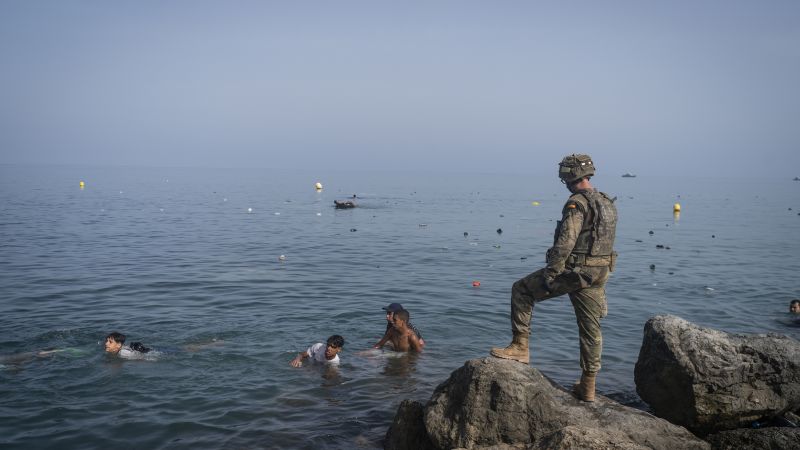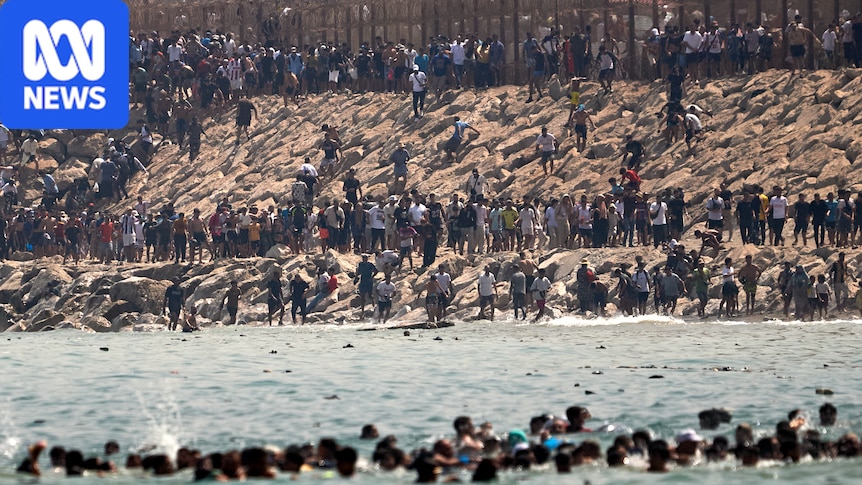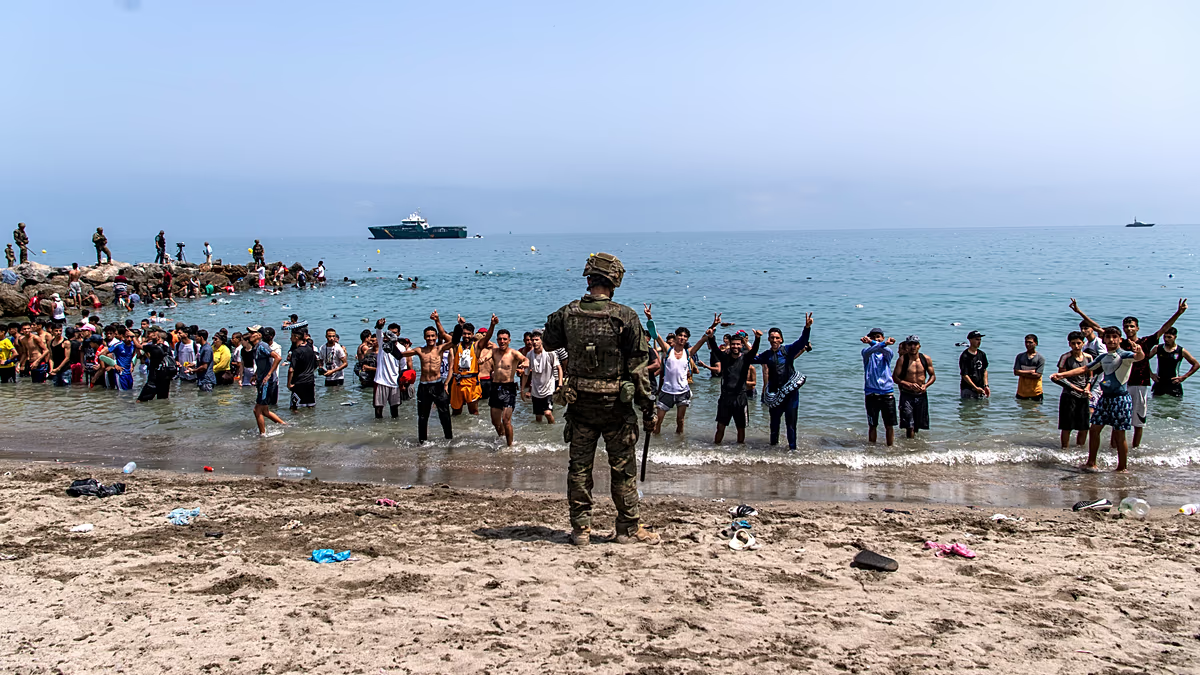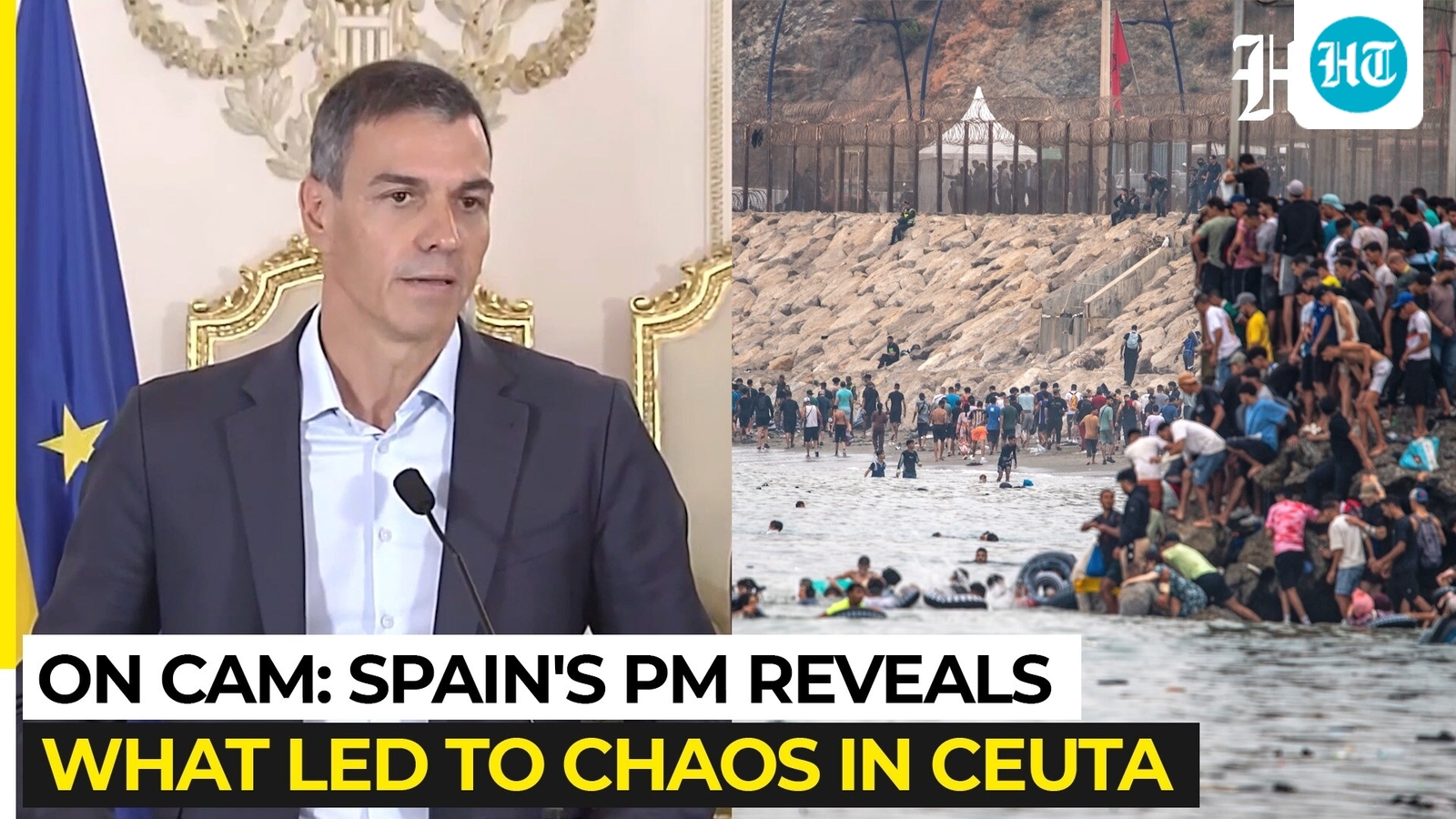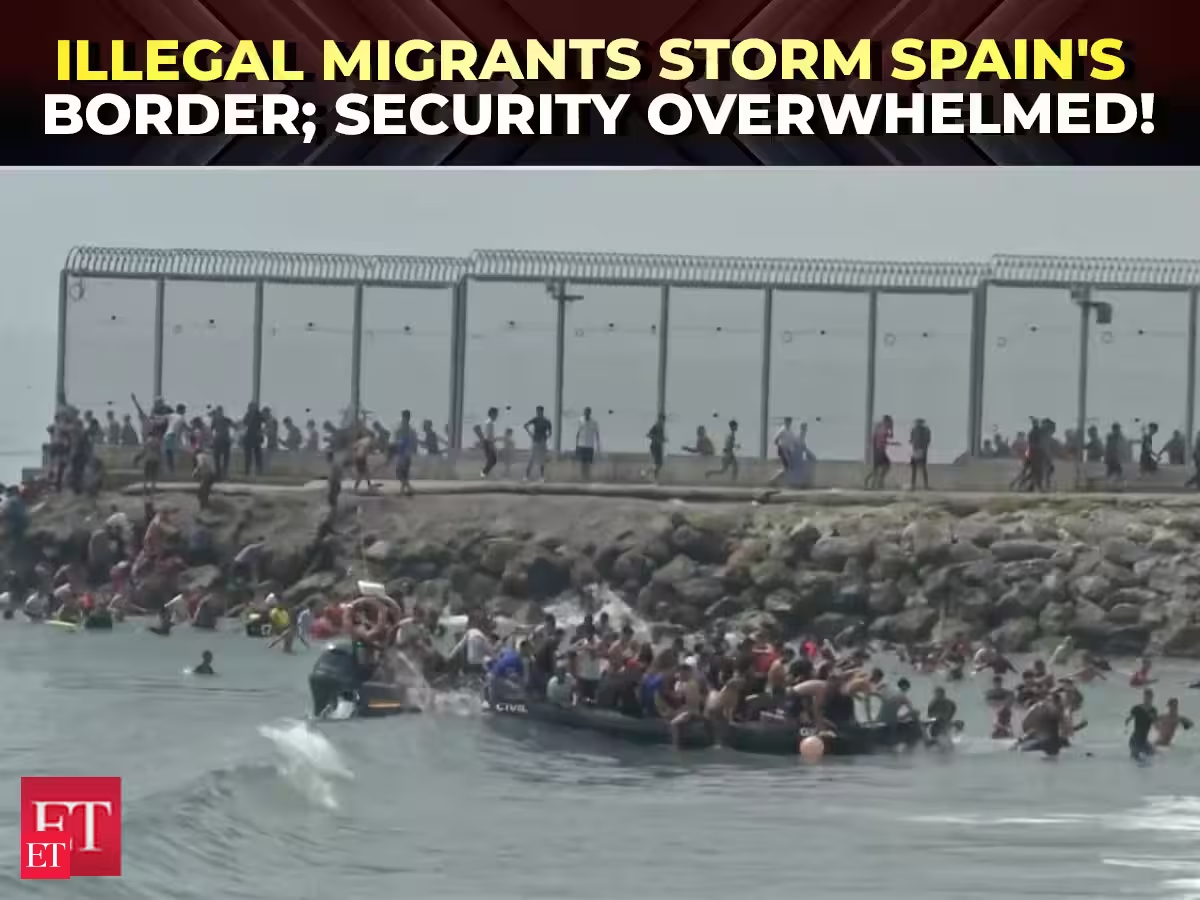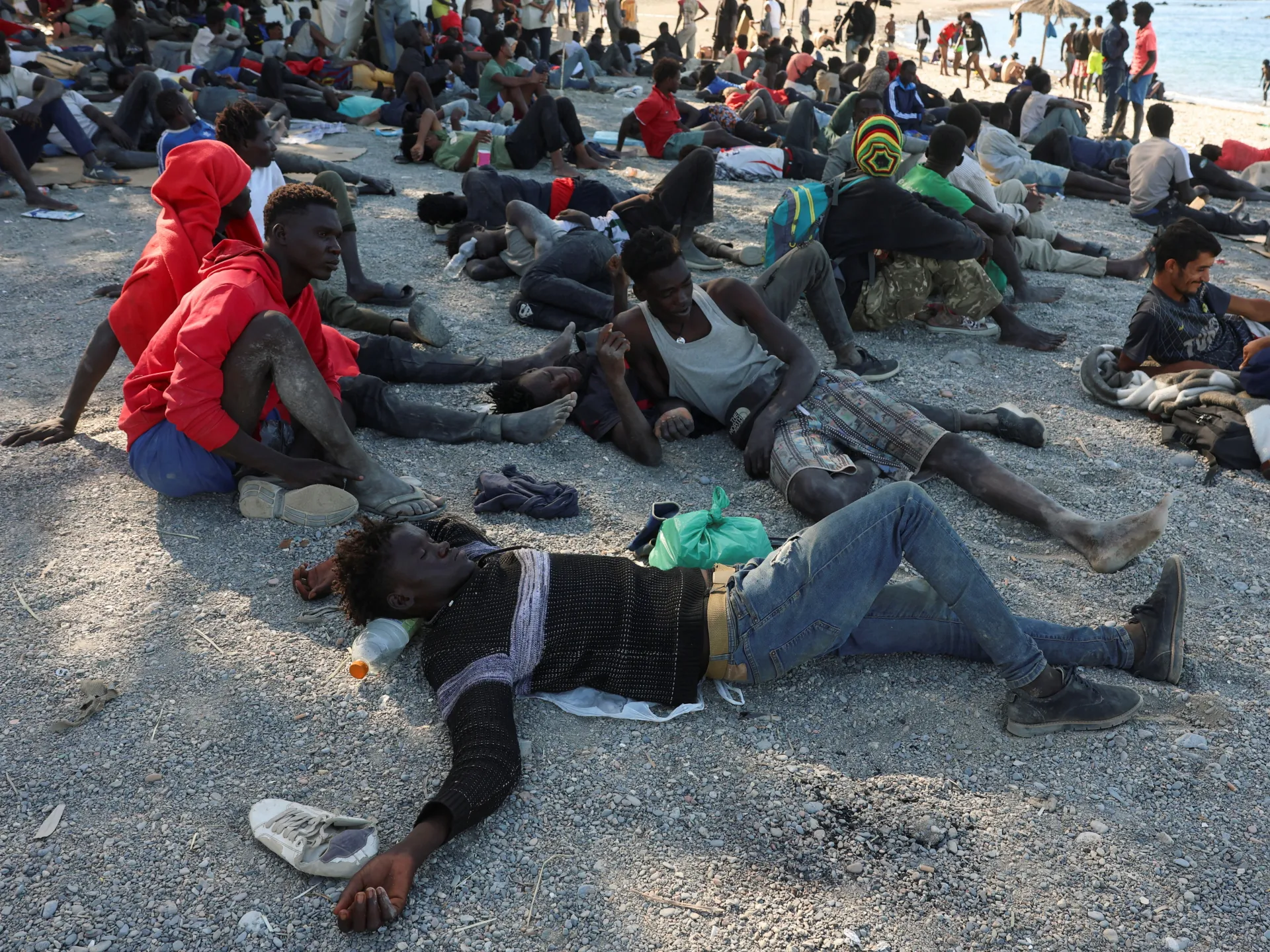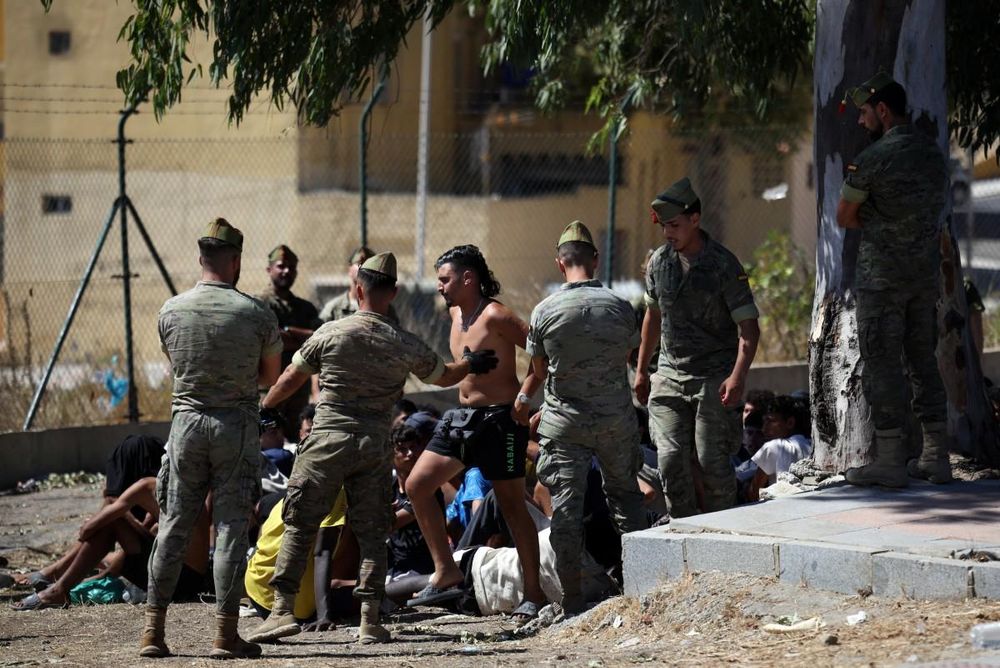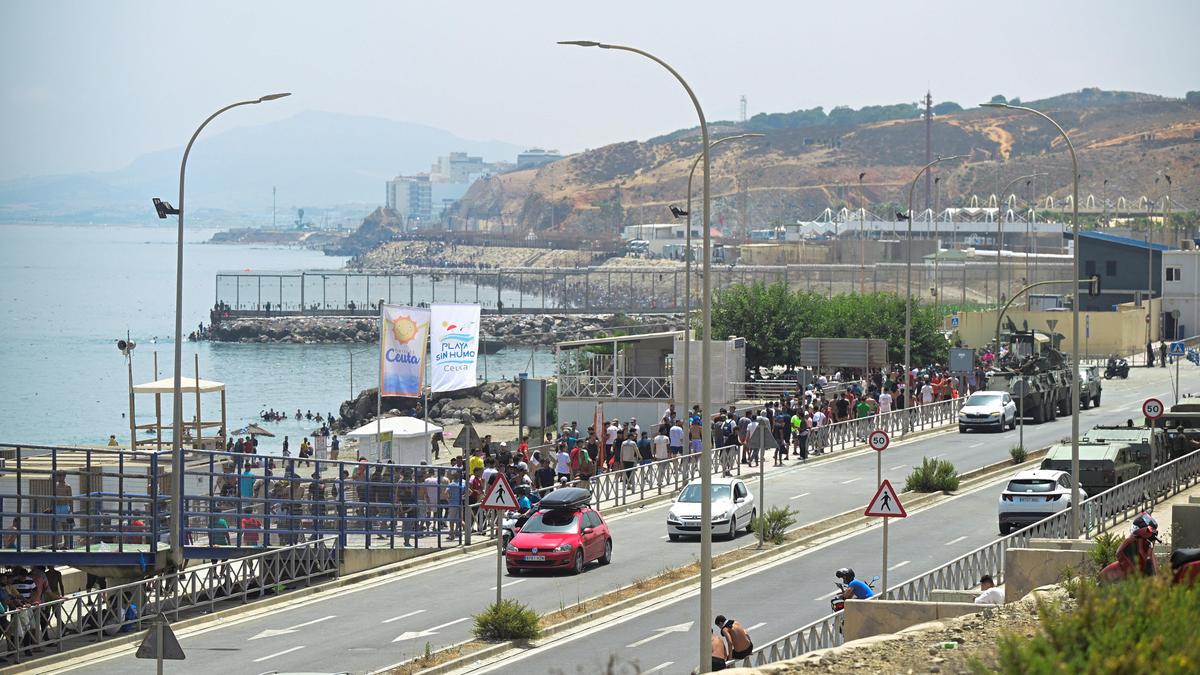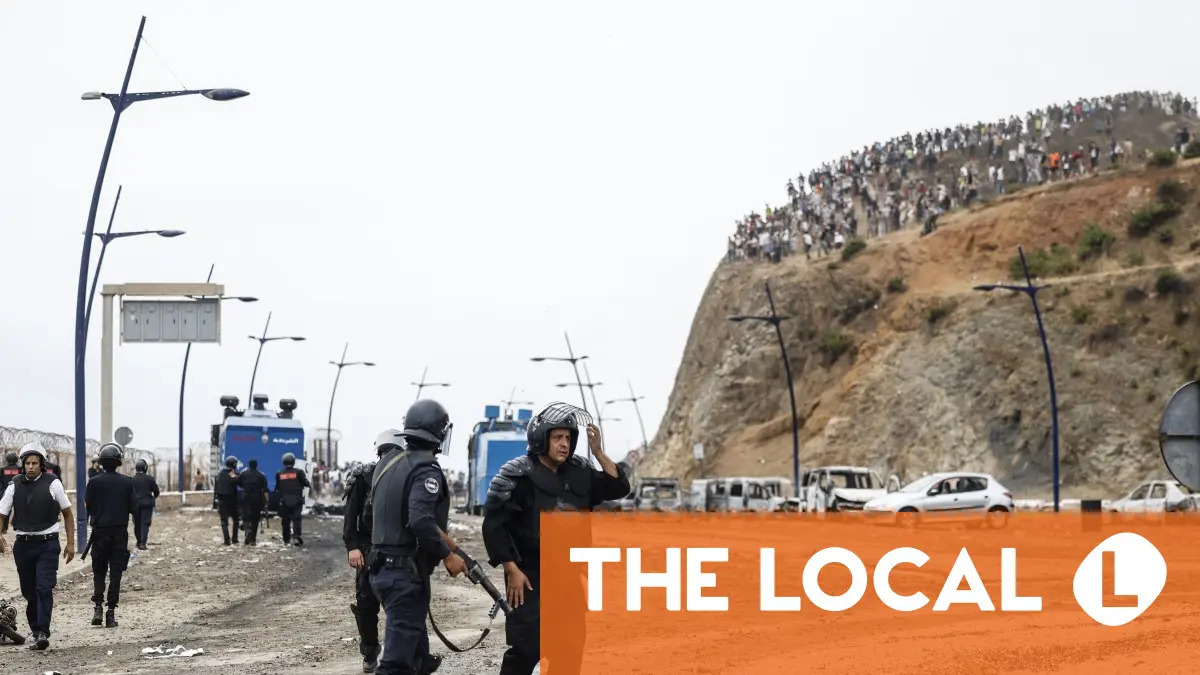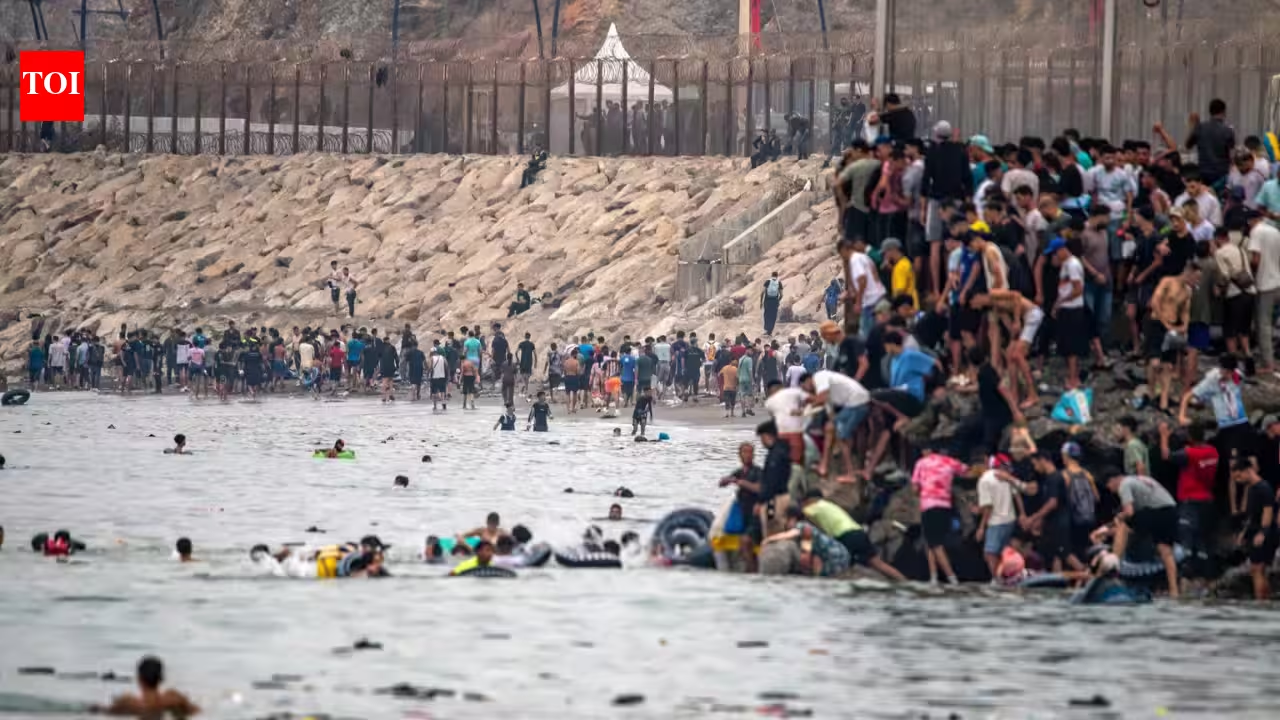
Spanish authorities believe the immediate trigger was a recent ruling by Spain's Supreme Court concerning migrants who reach Ceuta and Melilla by sea.Spain's North African enclave of Ceuta has been thrust into the centre of Europe's migration debate after an unprecedented surge saw tens of thousands of people cross from neighbouring Morocco within hours.The sudden influx prompted Spain to deploy troops and additional police, while Moroccan security forces attempted to stem the flow with tear gas, water cannons and warning shots. Authorities said at least 41 people died during the chaos, with some drowning while others were caught in a deadly stampede near the border fence.While images of illegal migrants swimming around Ceuta's breakwater quickly spread around the world, the crisis did not emerge overnight. Spanish officials say a combination of legal confusion, human smuggling networks, worsening economic pressures in Morocco and Spain's increasingly open approach to immigration created the conditions for one of the largest border surges the enclave has ever witnessed.The episode has also reignited a fierce political battle over migration in Spain and across Europe, with critics accusing Prime Minister Pedro Sánchez's government of encouraging irregular migration, while Madrid insists criminal trafficking networks deliberately spread misinformation to exploit vulnerable migrants.Why did thousands suddenly head for Ceuta?Spanish authorities believe the immediate trigger was a recent ruling by Spain's Supreme Court concerning migrants who reach Ceuta and Melilla by sea.The June 29 judgment found that illegal migrants arriving by sea could not be summarily returned without due legal process, unlike those intercepted after crossing by land or climbing the border fence. Although the ruling did not grant migrants the right to remain in Spain, officials say human trafficking networks portrayed it as an opportunity to enter Europe more easily.Prime Minister Pedro Sánchez said smugglers "misinterpreted" the judgment and rapidly circulated false claims through their networks, convincing thousands of young Moroccans that reaching Ceuta by swimming would allow them to stay in Spain.Spain's Interior Ministry echoed that assessment, saying trafficking organisations exploited the ruling to encourage undocumented migrants to attempt the dangerous crossing.Not everyone agrees with that explanation. Human rights activists in Morocco questioned whether large numbers of young people would have known about a complex legal judgment, arguing that deeper economic factors played a far bigger role.Morocco continues to struggle with high youth unemployment, which remains above 37%, despite a modest decline in the country's overall jobless rate. Many of those who crossed into Ceuta told reporters they were simply searching for work and a better future."There is nothing at home," 21-year-old Abdulah Buji from Tetouan said before deciding to return to Morocco after finding no opportunities in Ceuta.Authorities also dismissed speculation that the crisis was linked to diplomatic tensions between Spain and Morocco over Madrid's improving ties with Algeria, insisting relations between Rabat and Madrid remain strong.How Spain's migration policy became part of the debateThe border crisis unfolded just months after Sánchez's Socialist government unveiled one of Europe's largest illegal migrant regularisation programmes.Spain approved plans to offer legal status to around 500,000 undocumented migrants already living in the country, arguing the measure would help address labour shortages and support an ageing population. Applicants must prove they had been living in Spain before January 1, possess a clean criminal record and meet other eligibility requirements.The programme has attracted enormous interest, with nearly 1.2 million applications submitted before the registration window closed. Although officials estimate only around half a million people will ultimately qualify, the scale of applications has fuelled criticism from the opposition.Sánchez has repeatedly defended the policy, arguing immigration is essential to Spain's economy. He has warned that without illegal migrant workers the country would face shrinking economic output, labour shortages and mounting pressure on public services.His opponents see the issue differently.The conservative Popular Party and the far-right Vox party argue that the regularisation programme sends the wrong signal and risks encouraging more irregular migration. Vox leader Santiago Abascal described the Ceuta crisis as evidence that the government's policies had created an "invasion", while regional leader Isabel Díaz Ayuso accused Sánchez of allowing Spain's borders to be breached.The government has firmly rejected those claims, insisting the regularisation programme applies only to migrants who were already living in Spain before this year and had no connection to the latest arrivals in Ceuta.Humanitarian emergency sparks European concernThe sheer scale of the influx overwhelmed Ceuta, whose population is about 85,000. Local authorities estimated that around 60,000 illegal migrants entered the enclave within 24 hours, although roughly half later returned voluntarily to Morocco.Thousands of illegal migrants, including unaccompanied children, were left sleeping in parks and on pavements as local services struggled to cope. Ceuta's president, Juan Jesús Vivas, described the situation as "absolutely unsustainable", warning that the city's healthcare, security and social services had been stretched beyond capacity.Spain deployed the military to reinforce border security, while Moroccan authorities intensified efforts to prevent further crossings. By Friday afternoon, many illegal migrants had already begun returning voluntarily after finding little prospect of shelter or employment inside the enclave.The crisis also reverberated across Europe. European Commission President Ursula von der Leyen described the scenes in Ceuta as "unacceptable" and called for stronger action against human smuggling networks. France announced tighter checks along its border with Spain, while Italy's Prime Minister Giorgia Meloni cited the crisis to argue for tougher European border controls.
Court ruling, trafficking gangs: What led to the chaos at Spain's Ceuta border
Spain's North African enclave of Ceuta has been thrust into the centre of Europe's migration debate after an unprecedented surge saw tens of thousands of people cross from neighbouring Morocco within hours.
887 words~4 min read