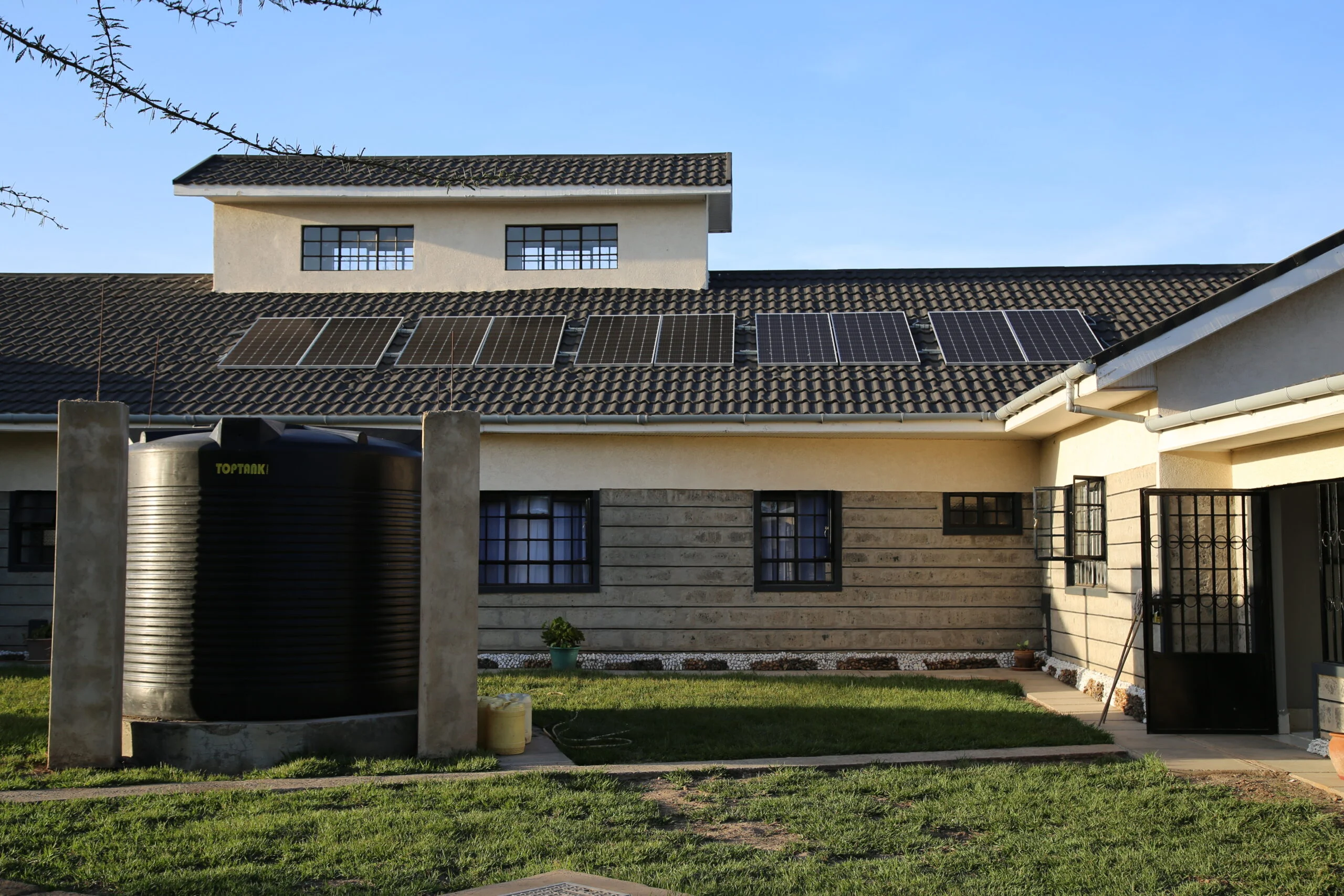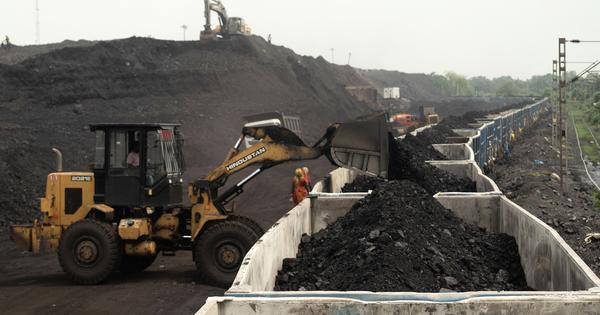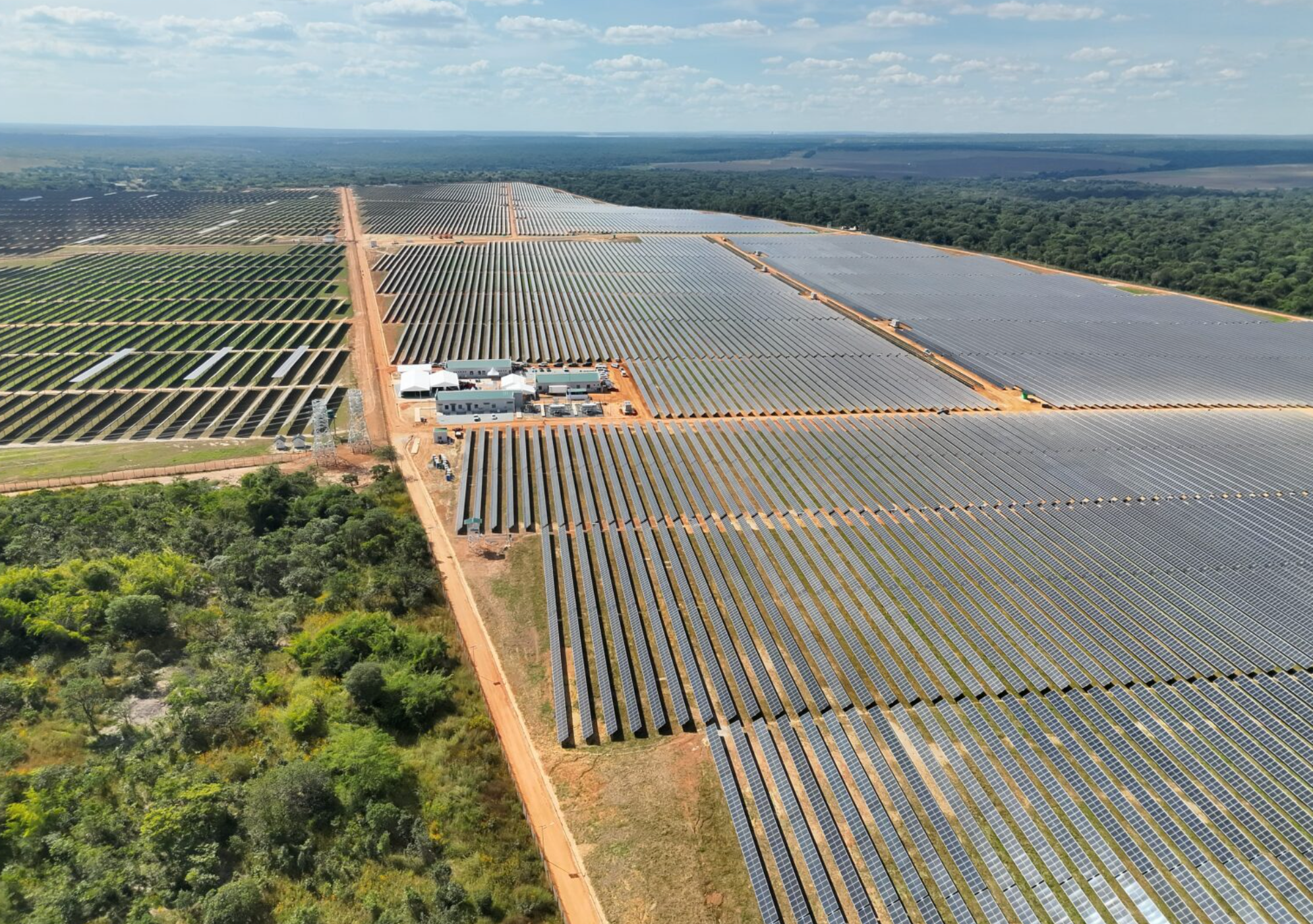
Prolonged droughts, especially those linked to the 2023–24 El Niño, exposed the vulnerability of Zambia and Zimbabwe’s hydropower-dependent electricity systems, triggering severe power shortages and renewing interest in coal.While coal is viewed as a short-term solution to stabilize electricity supplies and support industrialization, it could undermine Paris Agreement commitments, lock in carbon emissions and reduce export competitiveness as trade rules that put a cost on carbon emissions come into play.Households and businesses in Zimbabwe are increasingly investing in rooftop solar, demonstrating that decentralized renewable energy is becoming a practical response to unreliable grid electricity.Although solar power is becoming more cost-effective, limited access to finance and policies that continue to favor fossil fuels are slowing the transition to cleaner, climate-resilient energy systems across Southern Africa.
LUSAKA —For years, Zambia and Zimbabwe have boasted of enviable success in harnessing hydropower.
More than 80% of Zambia’s power supply and about half of neighboring Zimbabwe’s supply came from hydropower sources in 2024.
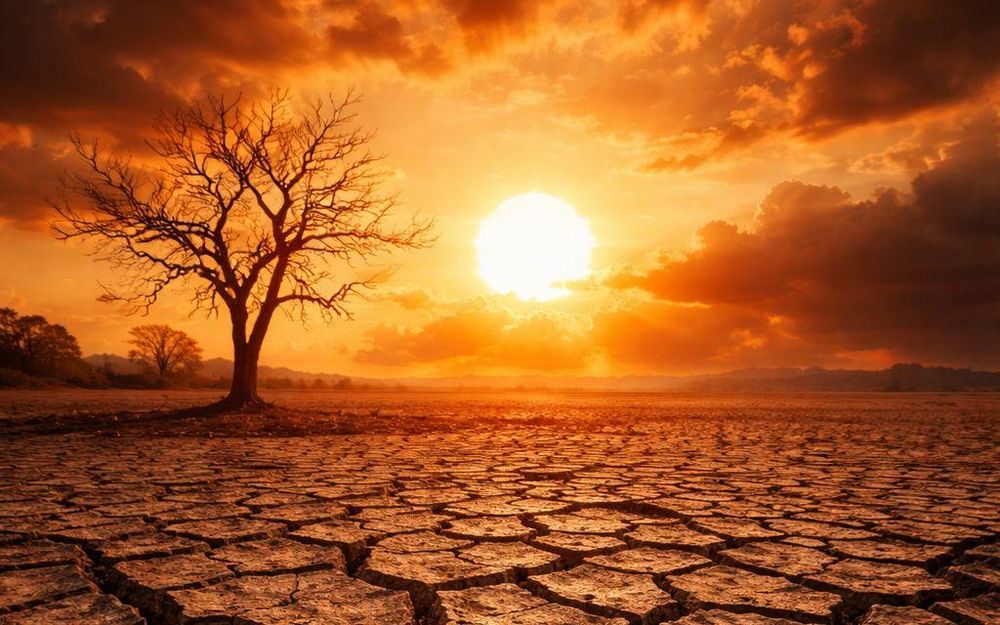
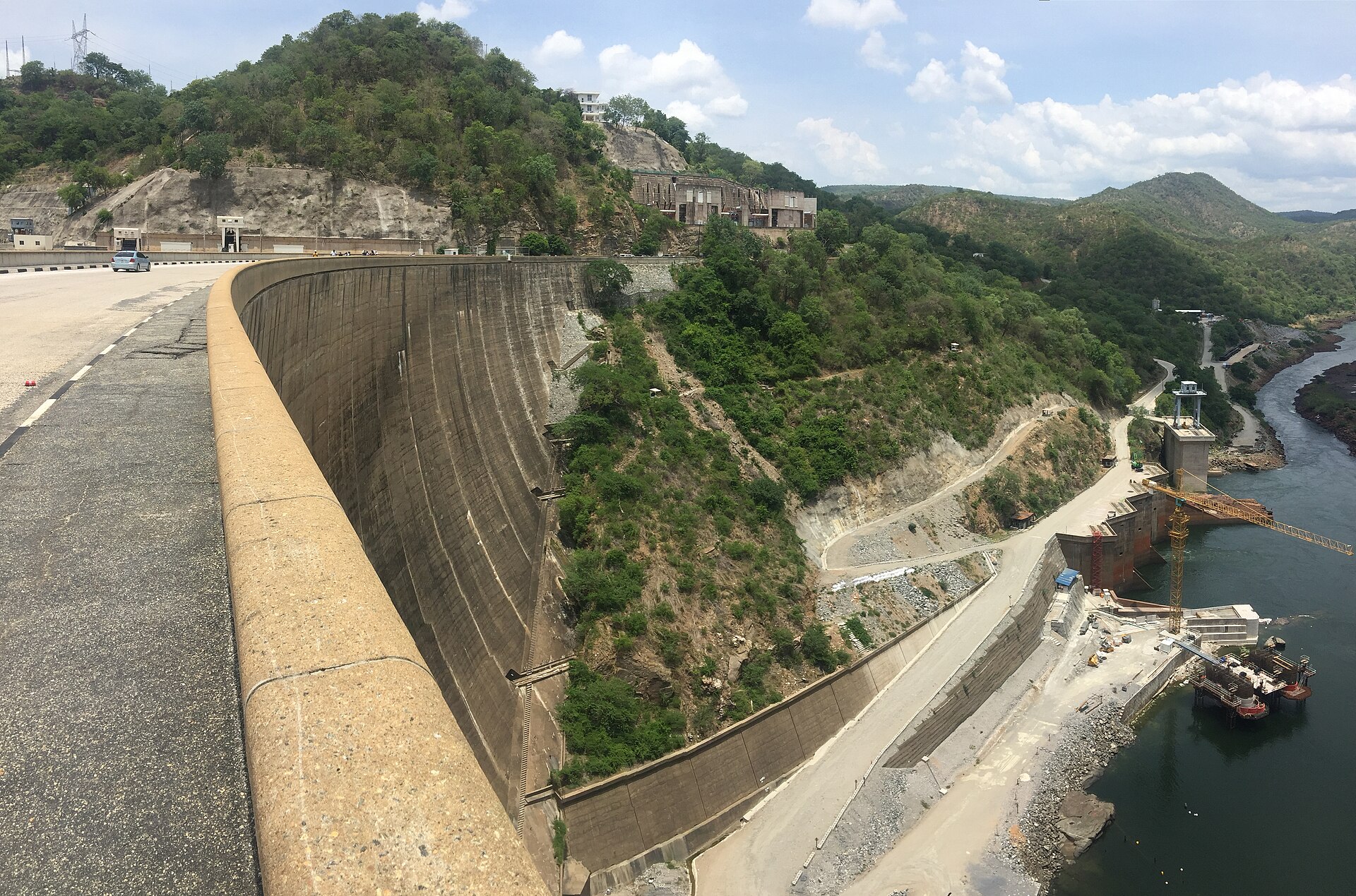
But climate change has continued to expose the fragility of this dependence. Successive droughts, linked to the 2023-24 El Niño, caused water levels in Lake Kariba, formed by a dam on Zambezi River, to drop, drastically reducing electricity generation. It precipitated one of the region’s worst energy crises in decades.