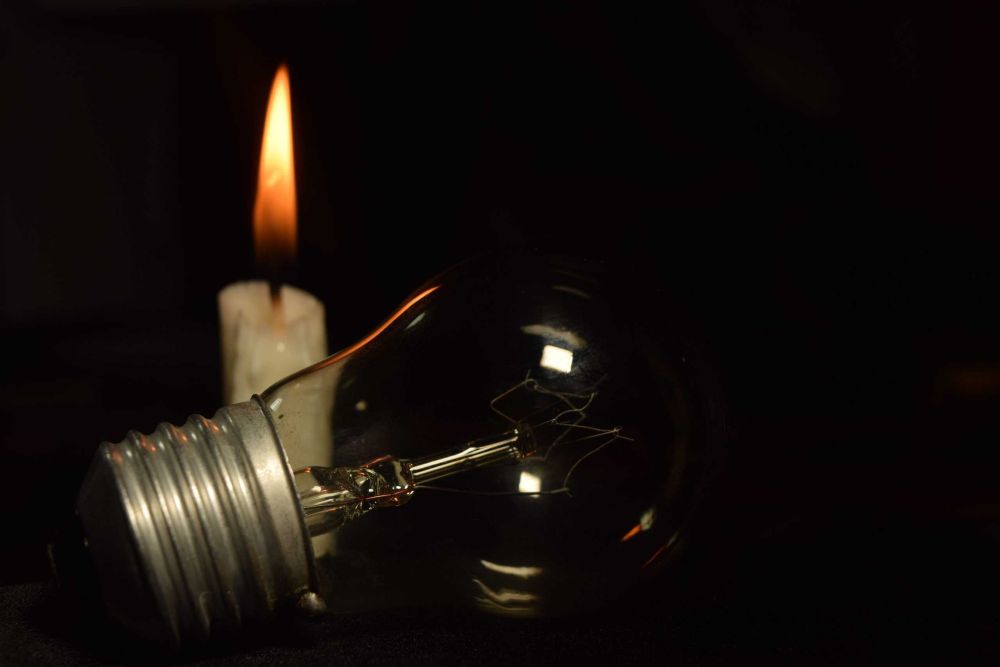
Winter has a way of making us think about energy, whether we mean to or not. The geyser works harder. The heater stays on longer. Cold mornings remind you just how much you rely on electricity before the sun has had a chance to warm things up. For much of the last decade, that also meant checking which stage of load shedding was scheduled for the day. This winter, for the first time in more than ten years, most of the country hasn't needed to.
Eskom's fleet availability has climbed from below 50% to above 65%, and two of the country's newest coal-fired power stations have finally reached full output. One of South Africa's three big energy questions has, for now, been answered.
The other two are easier to miss. That's exactly why they're worth talking about.
The first is gas. South Africa produces almost none of its own. Nearly all the underground piped natural gas used by industry and households in and around Johannesburg comes from two ageing fields in Mozambique that have been in production since 2004.
Sasol imports that gas before it reaches homes and businesses through Egoli Gas's 800km reticulation network. Sasol has twice pushed back the date until which it can guarantee that supply: first to June 2027, then to July 2028.