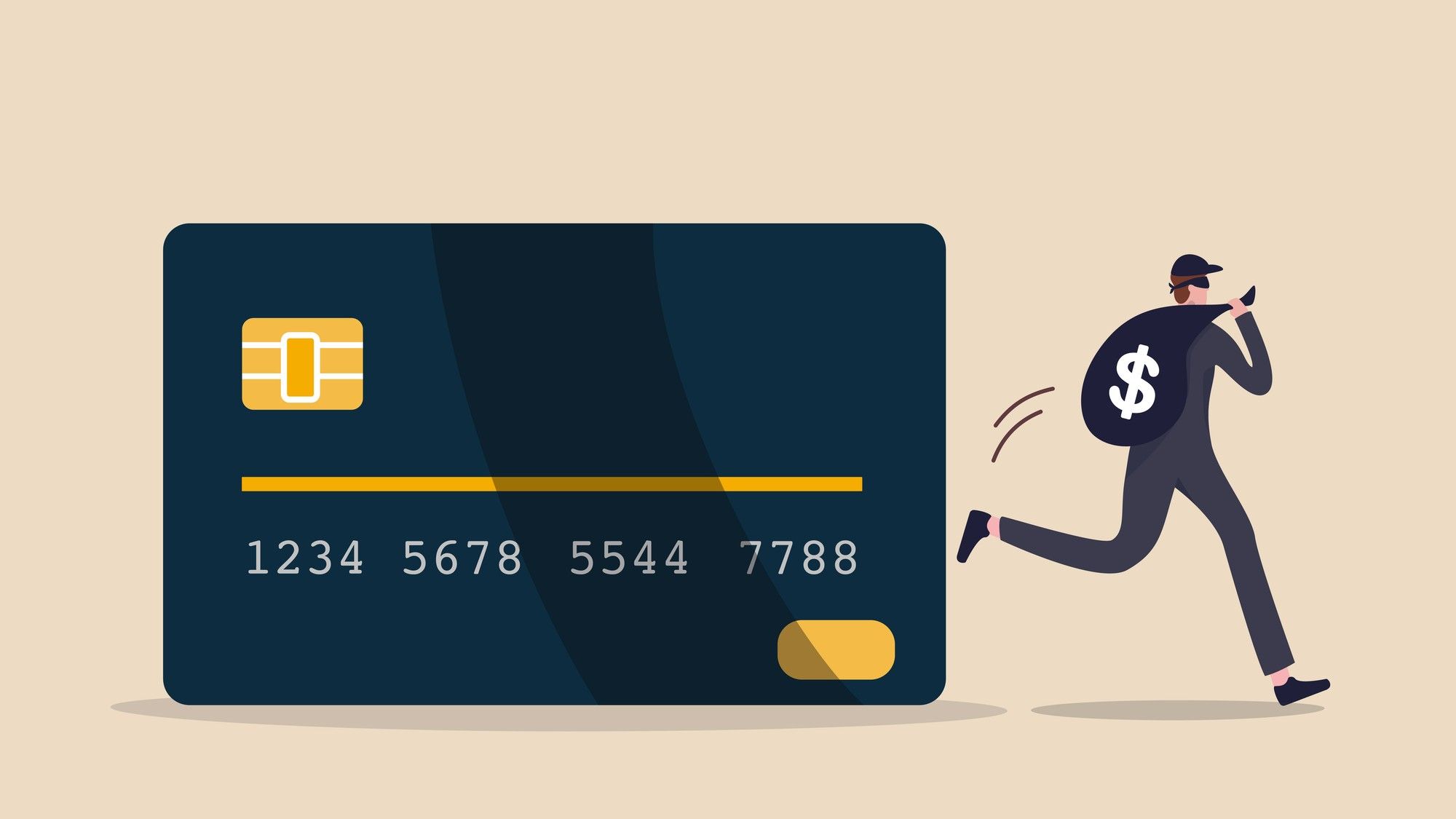
It’s a pretty common experience at this point: you open your credit card statement, see something that you don’t remember purchasing, then call up your bank to see what’s going on. Maybe you realize it is a fraudulent charge, after all. So you charge it back.Disputing transactions, or “chargebacks,” is supposed to a be last resort when you’re charged fraudulently, but according to Amanda Mull, senior reporter at Bloomberg Businessweek, chargebacks are happening more and more frequently. “Since 2021, we have seen in the U.S. about a 29% increase in chargebacks,” said Mull, who recently reported on the rise of chargebacks. “Globally, it's even higher. It's 46%.”And a good chunk of those chargebacks are fraudulent. Some, said Mull, are accidental: people don’t recognize the vendor on their credit card statement and then dispute it, even though the transaction was legitimate. But sometimes, the fraudulent chargeback is intentional.“You know, prices are rising, and I think that especially among young people, they're looking at this this system and going, well, I'm going to do a little bit of fraud as a treat,” said Mull. “Like, why can't I have this pair of shoes that I want for free?”“Marketplace” host Reema Khrais spoke to Mull about her story. To listen, use the media player above.
Credit card chargebacks are on the rise — part of the reason is fraud
“Since 2021, we have seen in the U.S. about a 29% increase in chargebacks,” said Amanda Mull, senior reporter at Bloomberg Businessweek. “Globally, it's even higher. It's 46%.”
212 words~1 min read