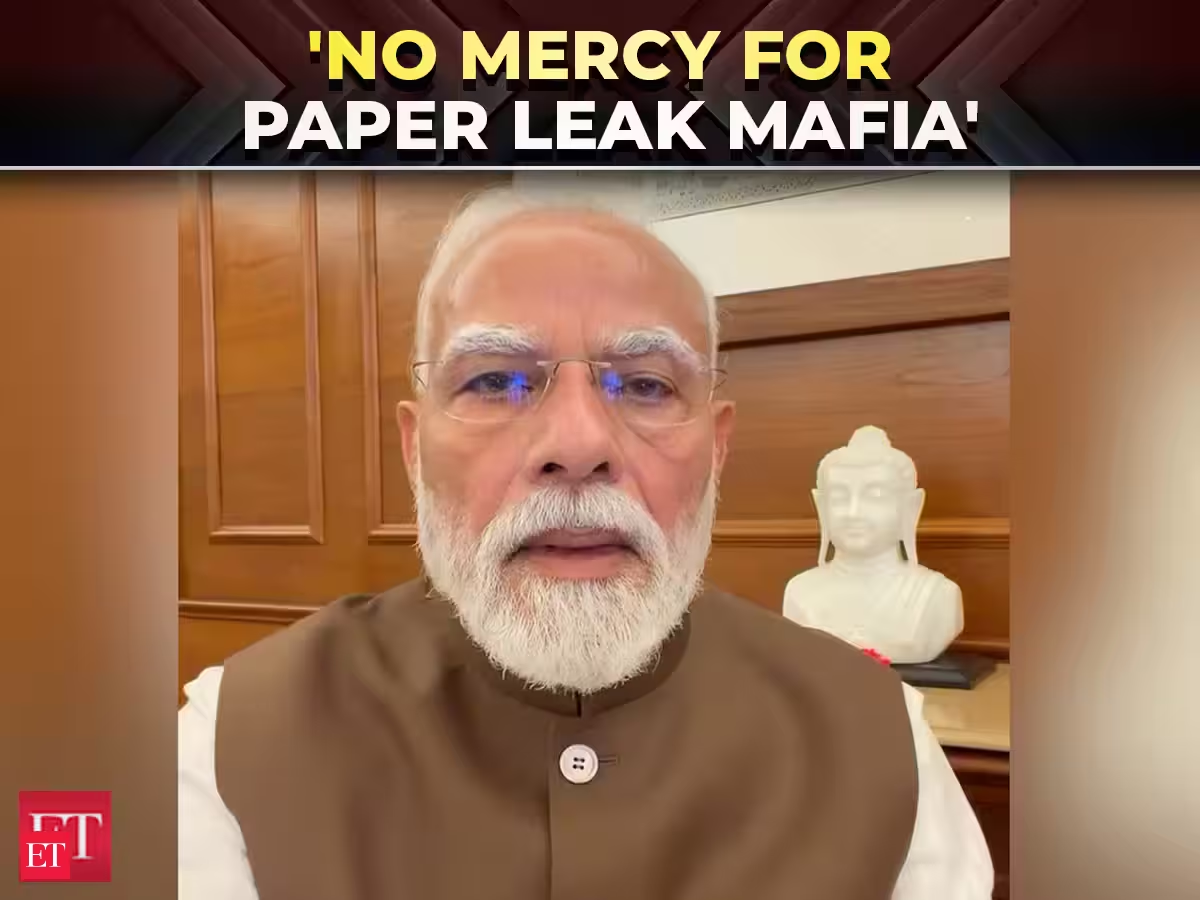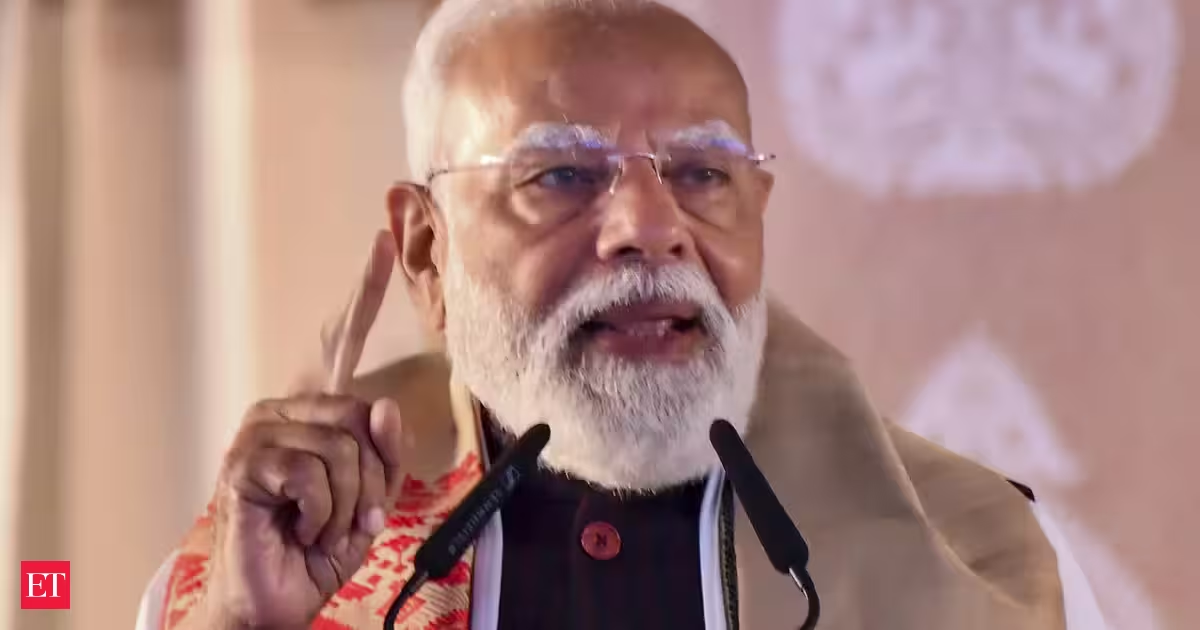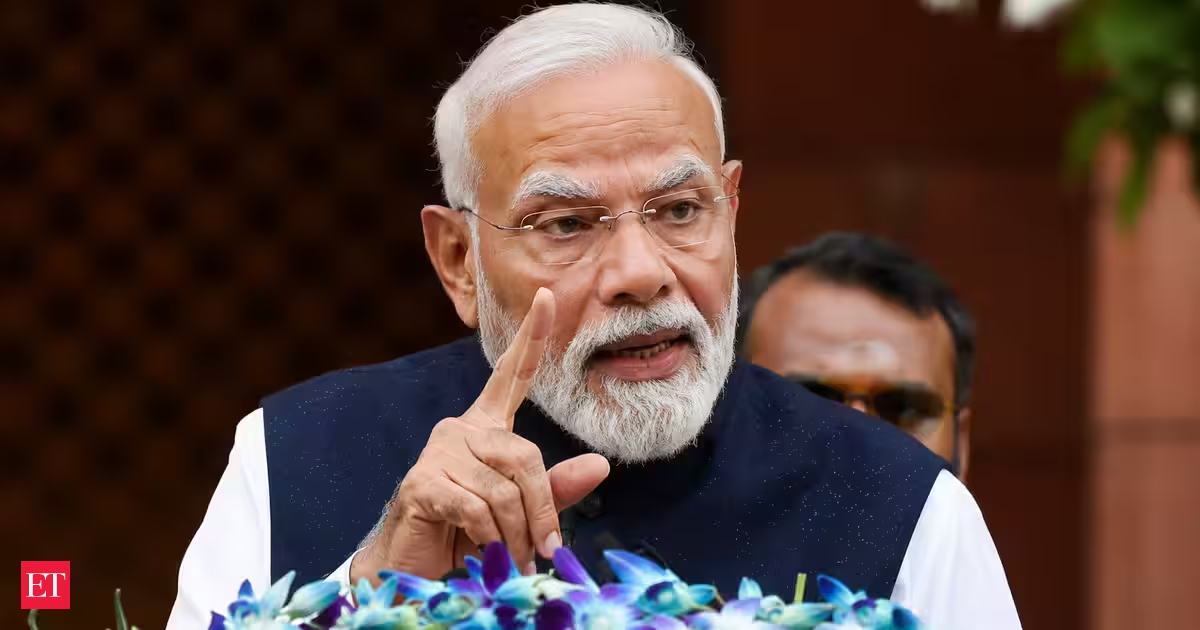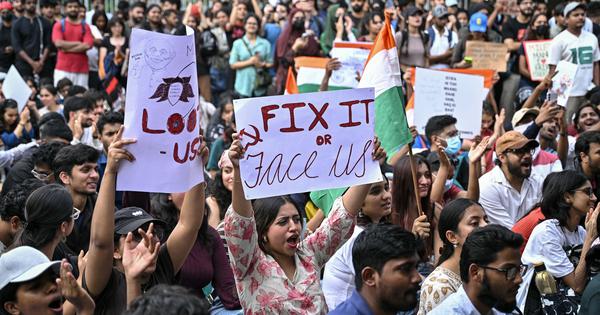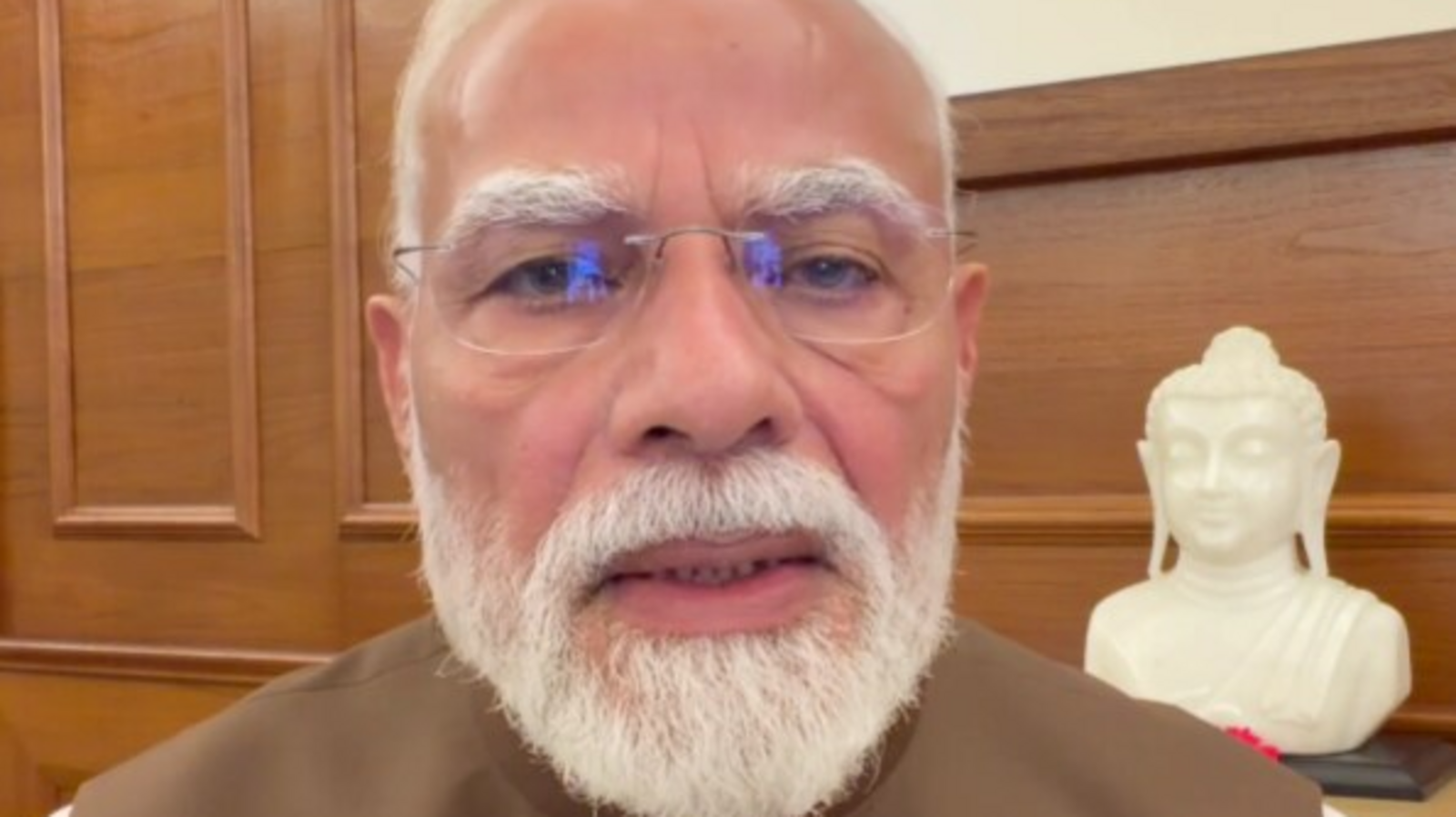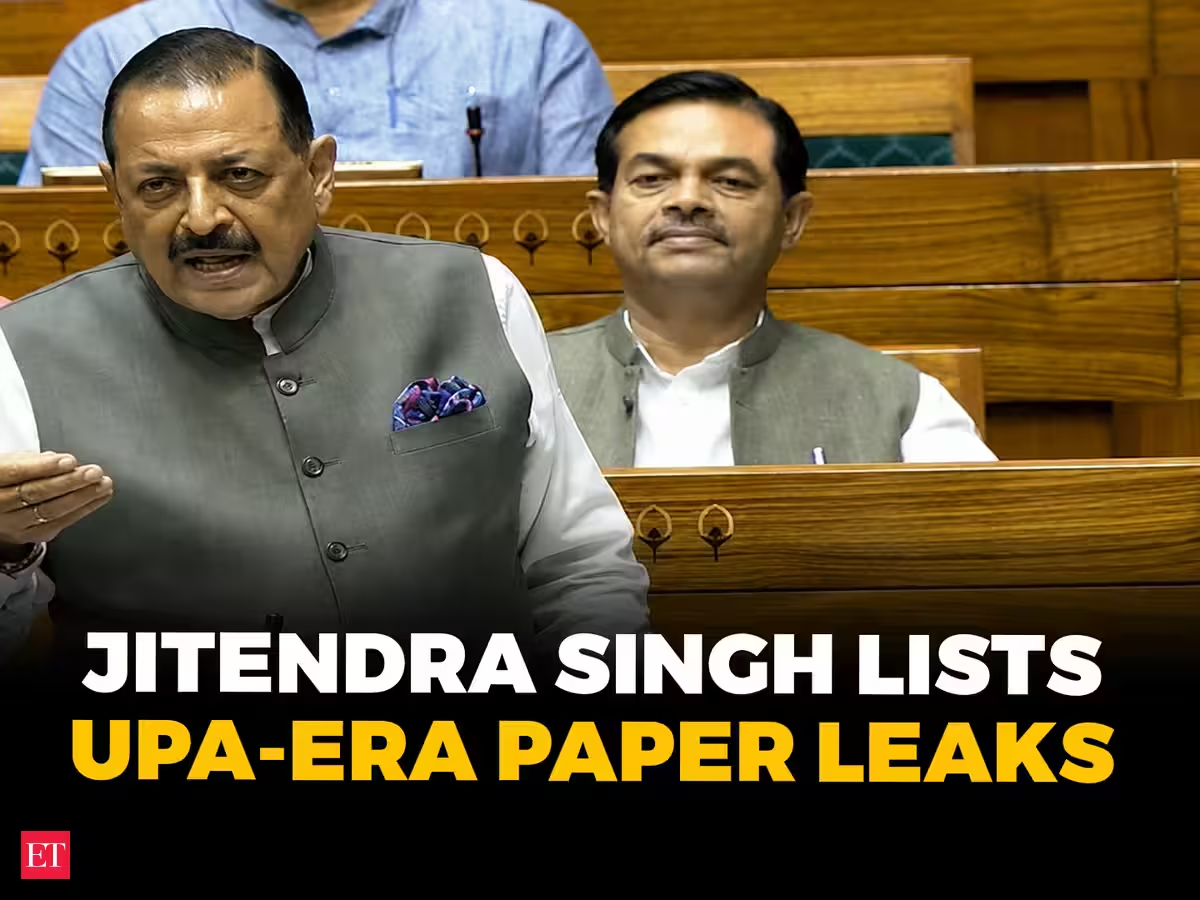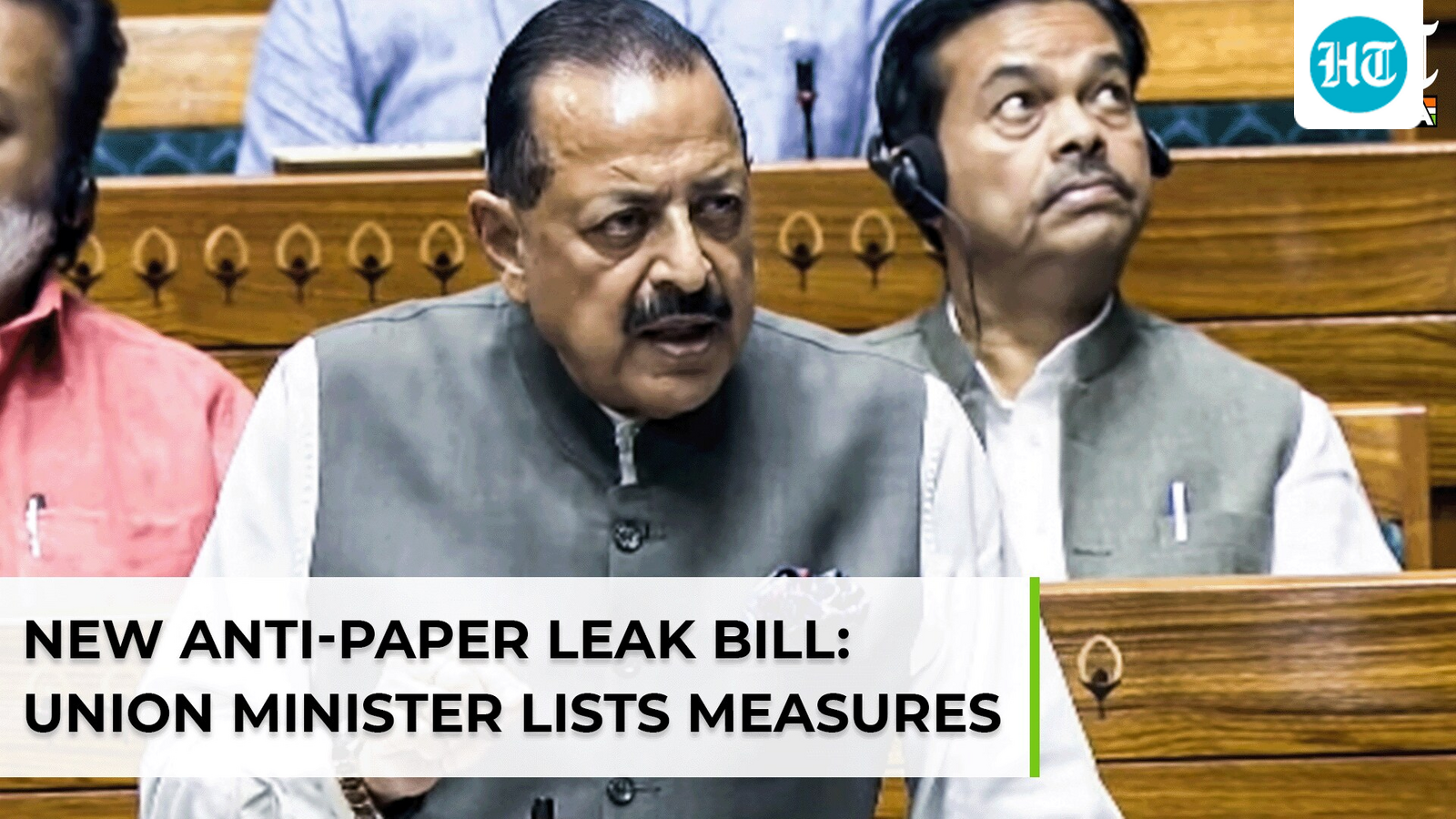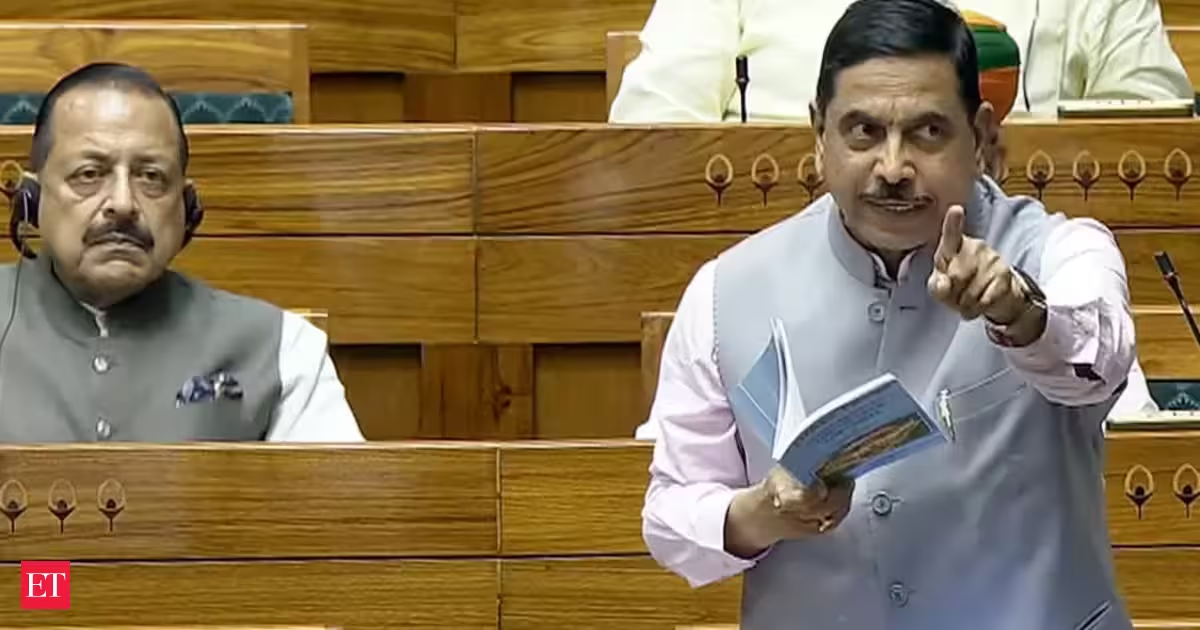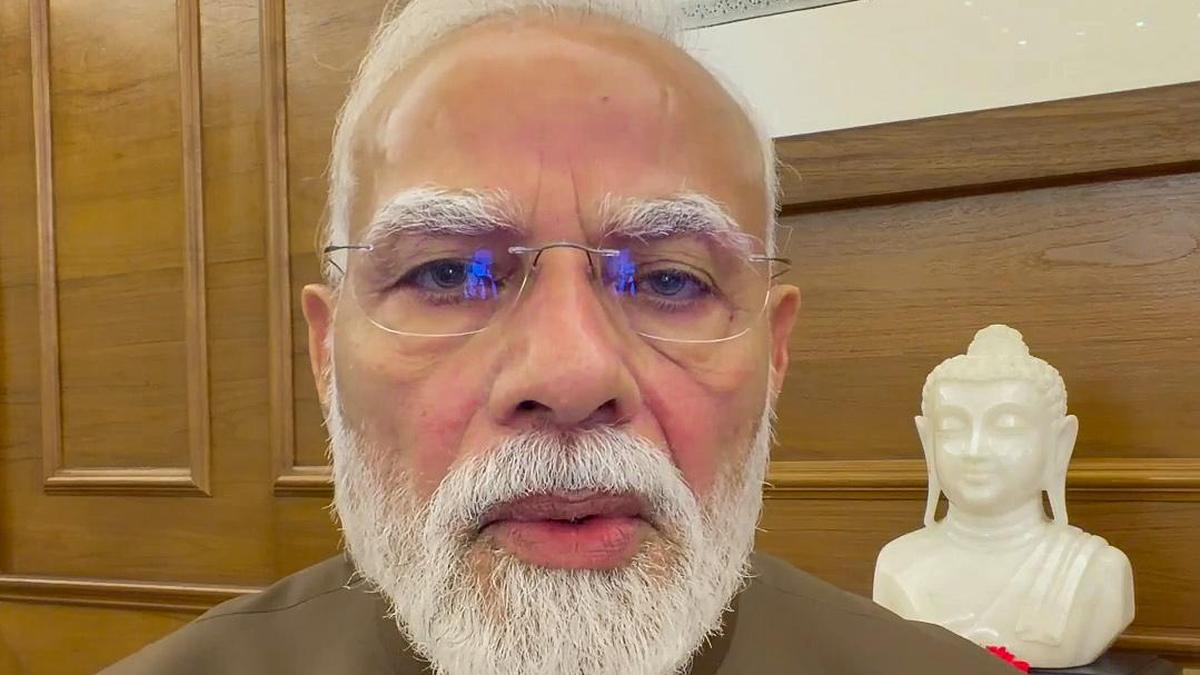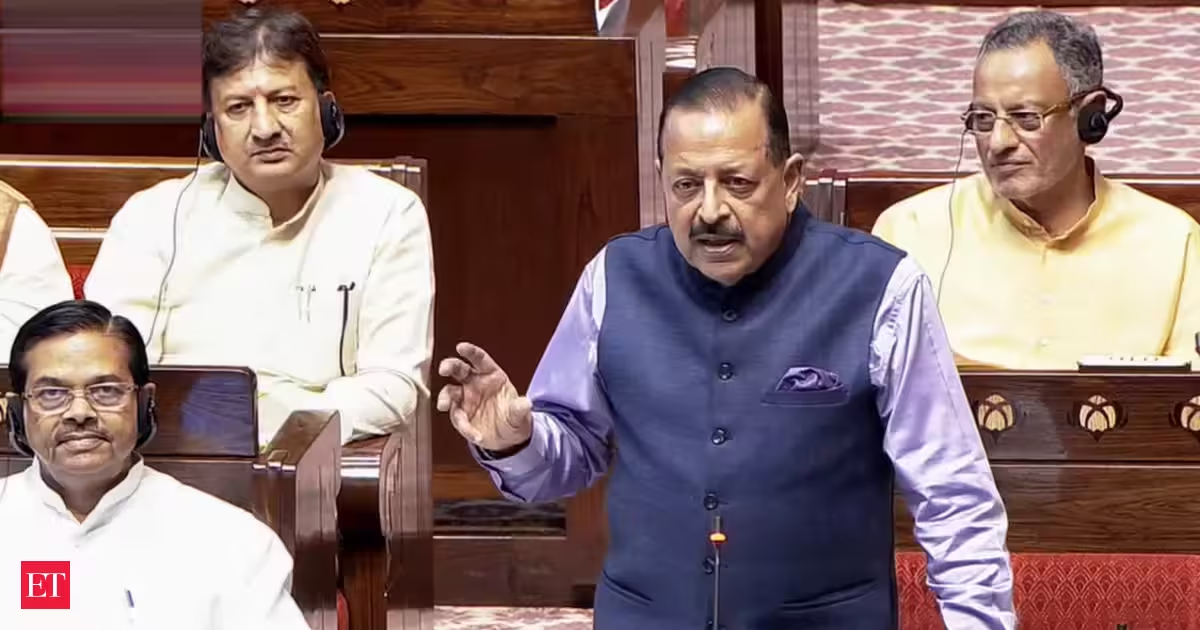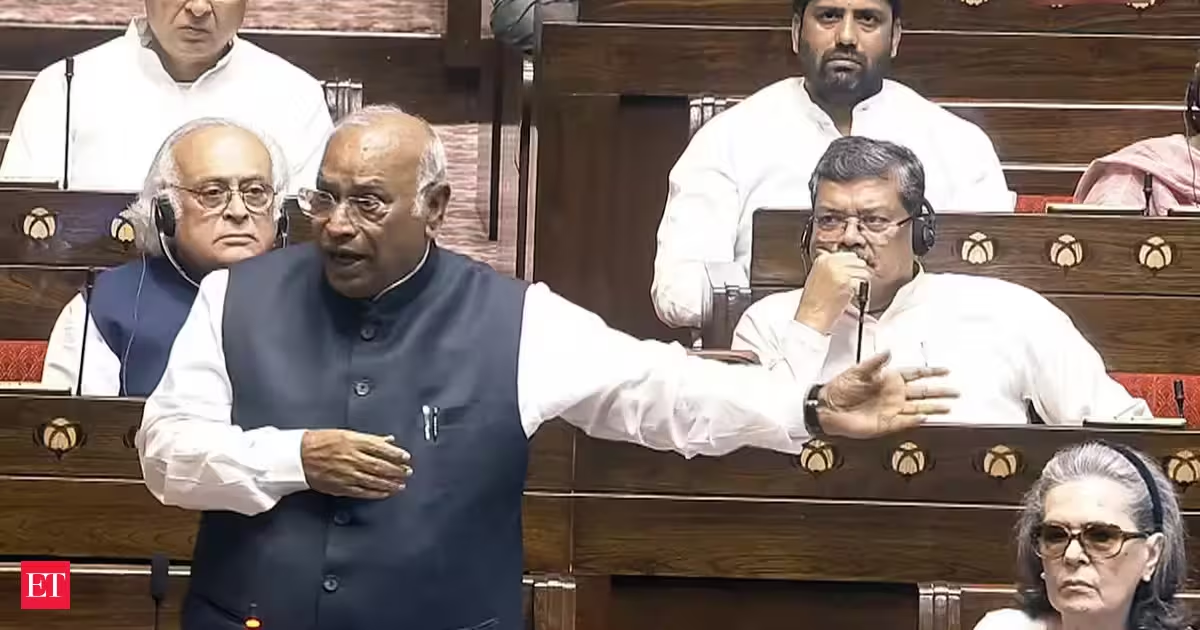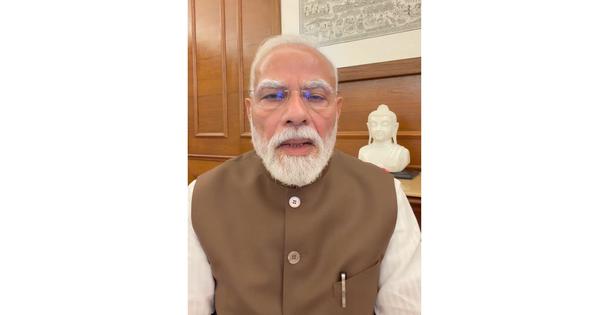
Hours after Parliament cleared a bill to amend a law against exam paper leaks, Prime Minister Narendra Modi on Thursday said the education system needed reforms.In his fourth social media video in a week, Modi said that the “future of children had been at risk” for the “past several decades” because of paper leaks.Rajya Sabha passed the 2026 Public Examinations Prevention of Unfair Means Amendment Bill through a voice vote. The Lok Sabha had cleared the bill on Wednesday. It will be sent for presidential assent.The bill was introduced on Monday, days after nationwide protests by the youth against alleged irregularities in the conduct of competitive examinations. It proposes imprisonment of five to ten years for individuals found using unfair means in public examinations. The maximum fine for such persons would increase from Rs 10 lakh to Rs 50 lakh.In his video, Modi said that the country’s competitive examinations system needed to use technology more.He added that the Union government “won’t spare any paper mafia, paper leak gang or anyone that tries to play with the future” of the youth. That is why tougher laws were needed, he said.“We took the bill to Parliament and, as you were promised, over the last two days in both Houses, a majority of MPs discussed it in detail,” he said. “And today, both Houses have passed this bill with tough laws and provisions.”The prime minister said that with the passing of the bill, the country had “achieved a significant milestone in ensuring transparency in education”.Members of the Opposition INDIA bloc walked out of the House before Jitendra Singh, the minister of state for personnel, public grievances and pensions, replied to the debate on the draft legislation.Mallikarjun Kharge, the leader of the Opposition in the Rajya Sabha, said that the bill was “incomplete”, and would not make any difference in cases of paper leaks.Key provisionsOne of the key provisions of the bill cleared by Parliament on Thursday empowers the Union government to set up a Special Task Force to investigate offences of paper leaks. The probe by police, central investigating agencies or the task force would have to be completed within two months, it says.The bill would also require state governments and Union Territory administrations to set up special fast track courts. Pending cases under the Act would also be transferred to these fast track courts and disposed of within three months of transfer.If instances of paper leaks or other offences listed under the bill are found to be organised, the bill proposes a minimum sentence of seven years and a fine of up to Rs 10 crore.Fifteen illegal acts, including leaking question papers, tampering with optical mark recognition sheets, creating fake websites and issuing fake admit cards, have been listed as offences under the bill.Optical mark recognition is a system that reads answers marked by candidates by detecting filled bubbles or marks on an answer sheet.Written by Nachiket Deuskar. Edited by Tanya Shrivastava.
Education reforms needed, says PM Modi as Parliament clears bill to amend anti-paper leak law
In his fourth social media video in a week, the PM said the Centre ‘won’t spare any paper mafia or anyone that tries to play with the future’ of the youth.
490 words~2 min read