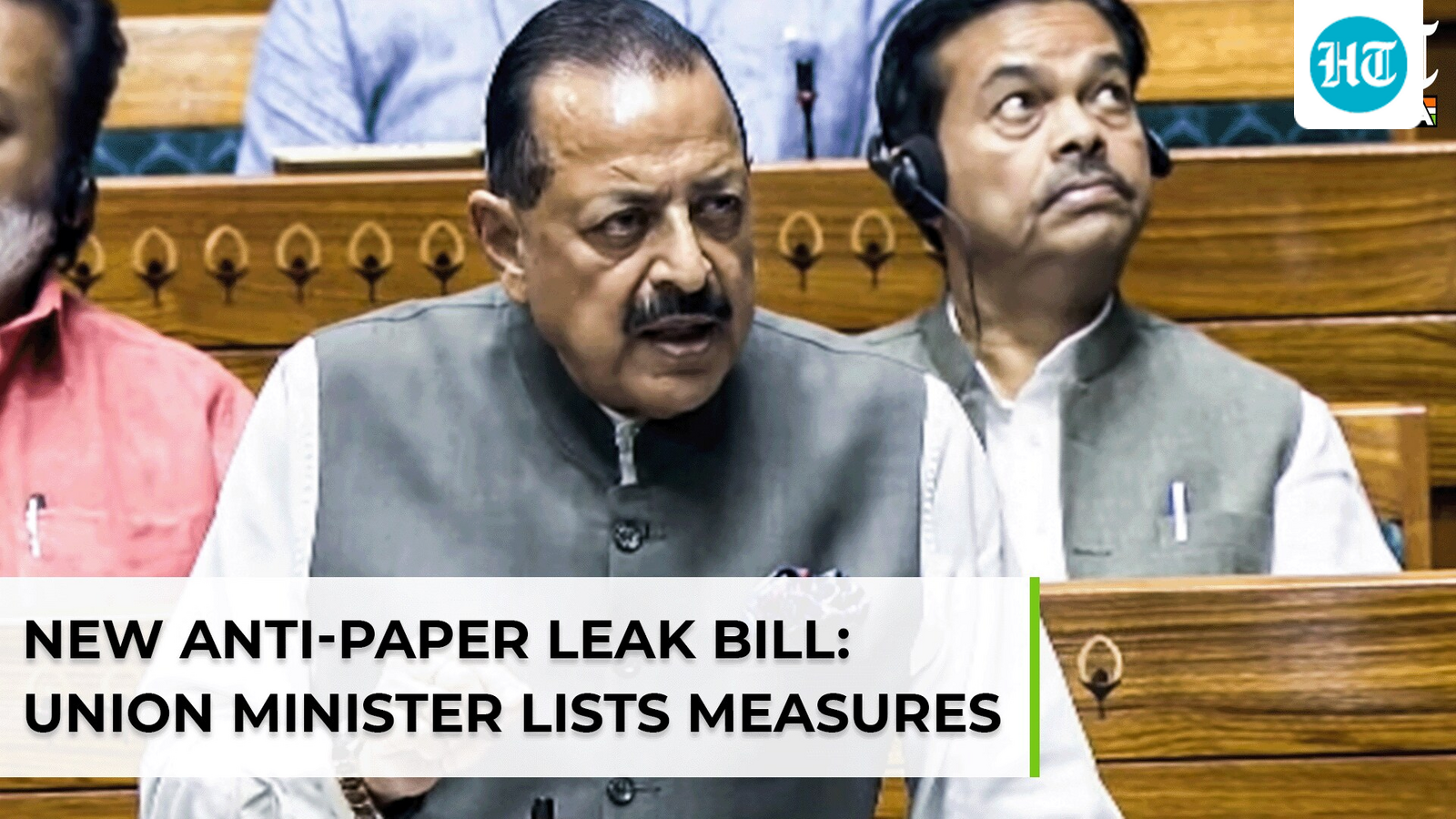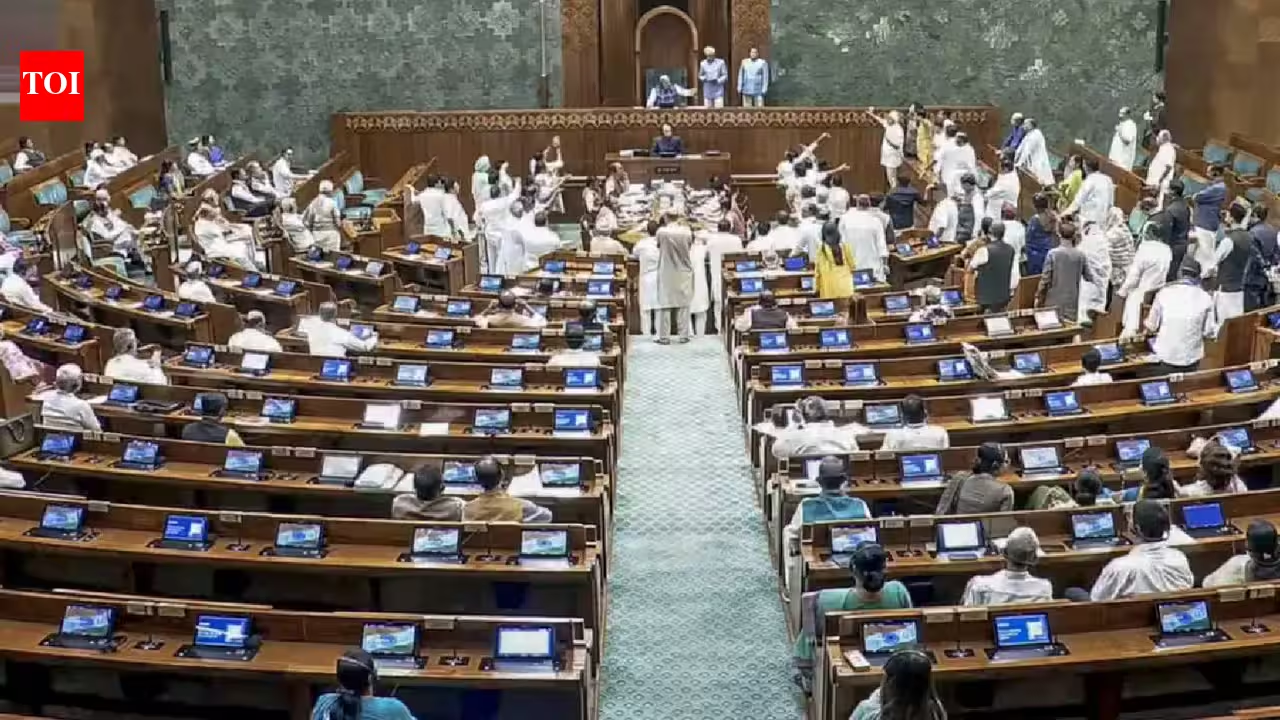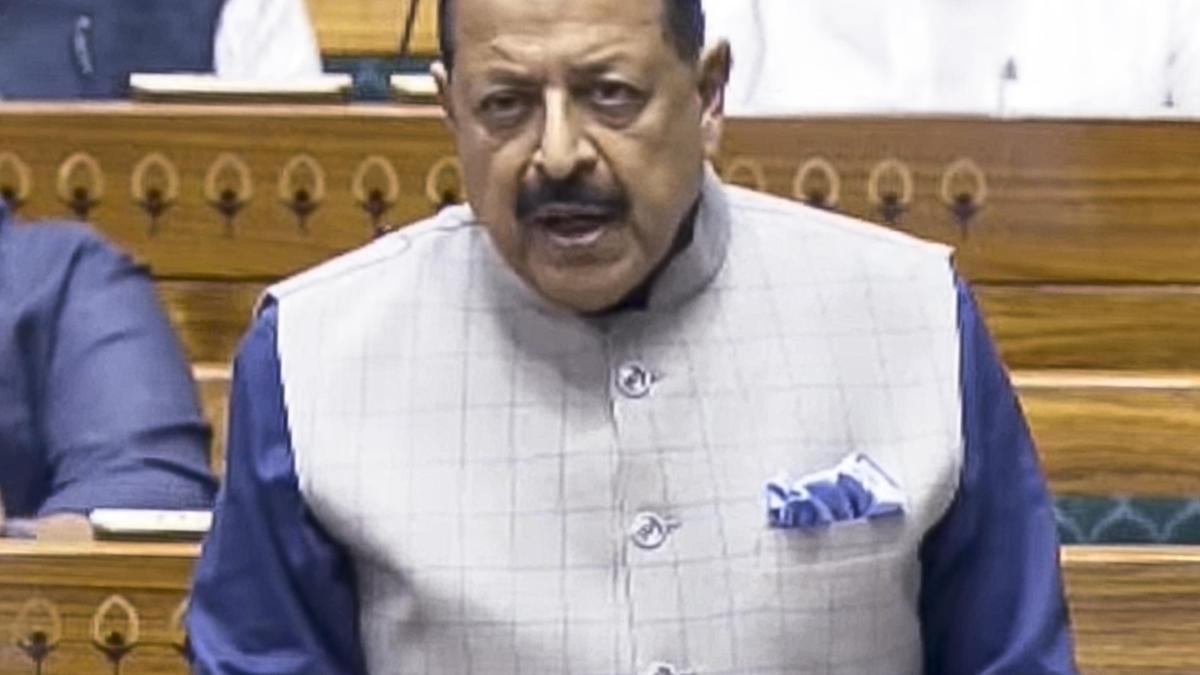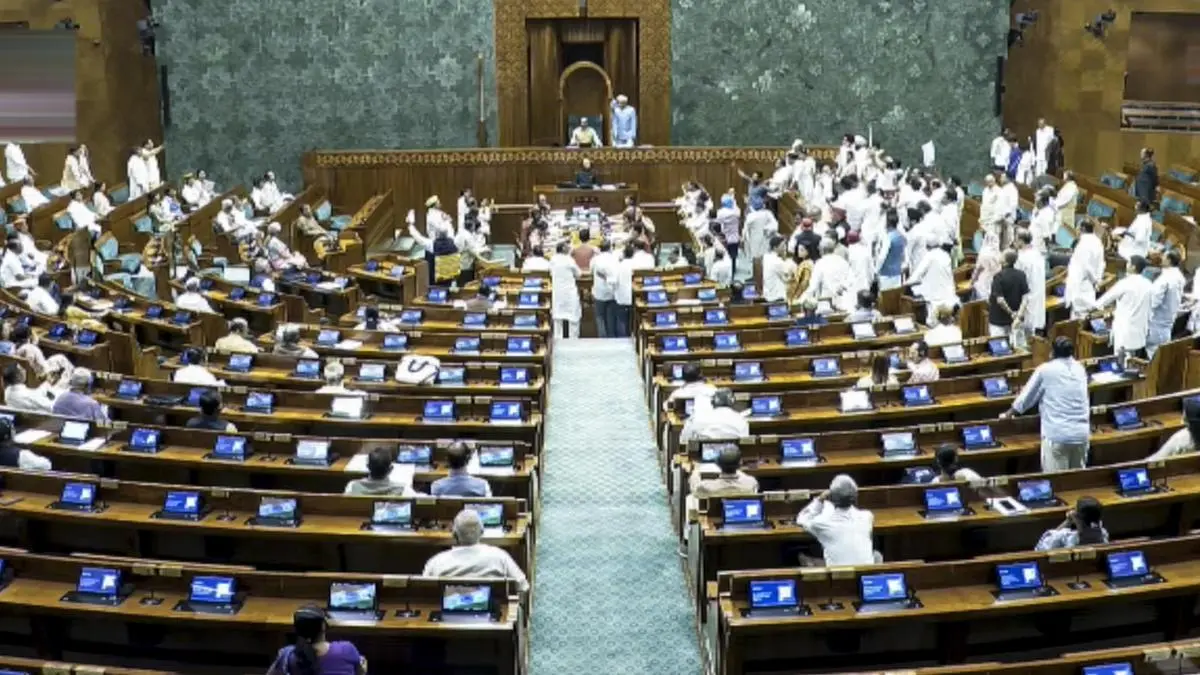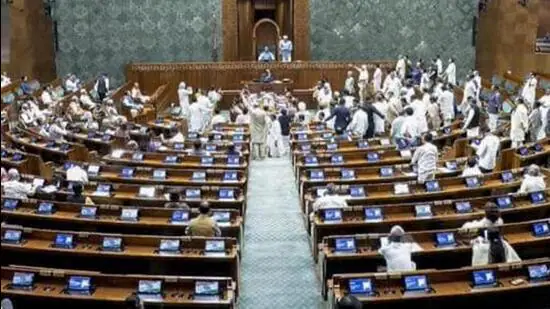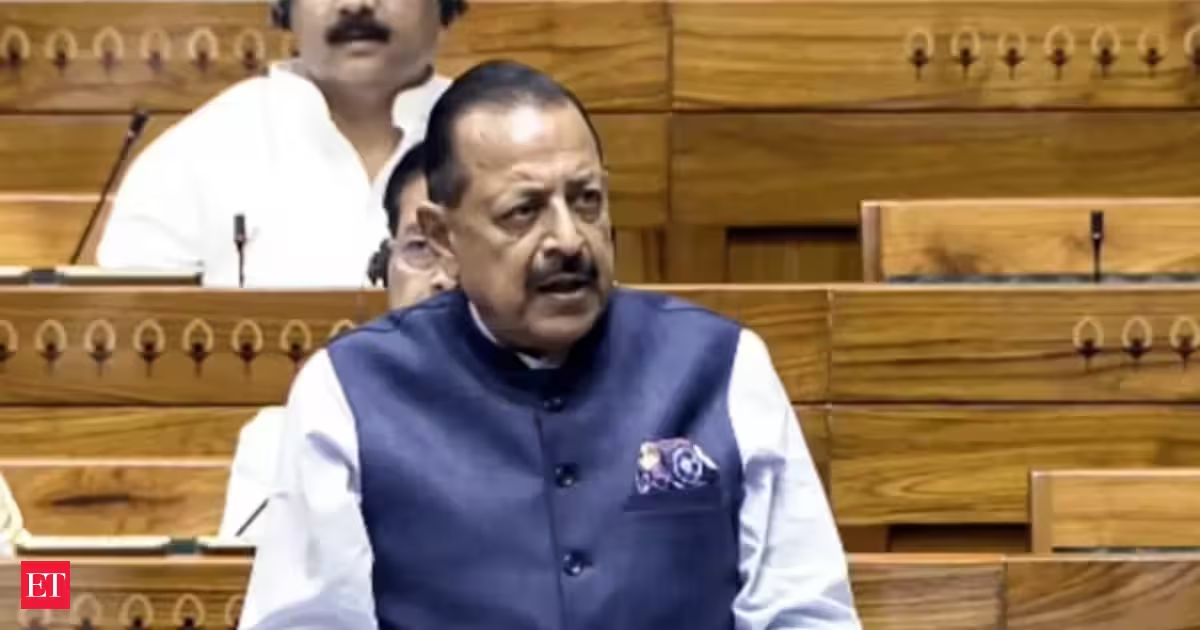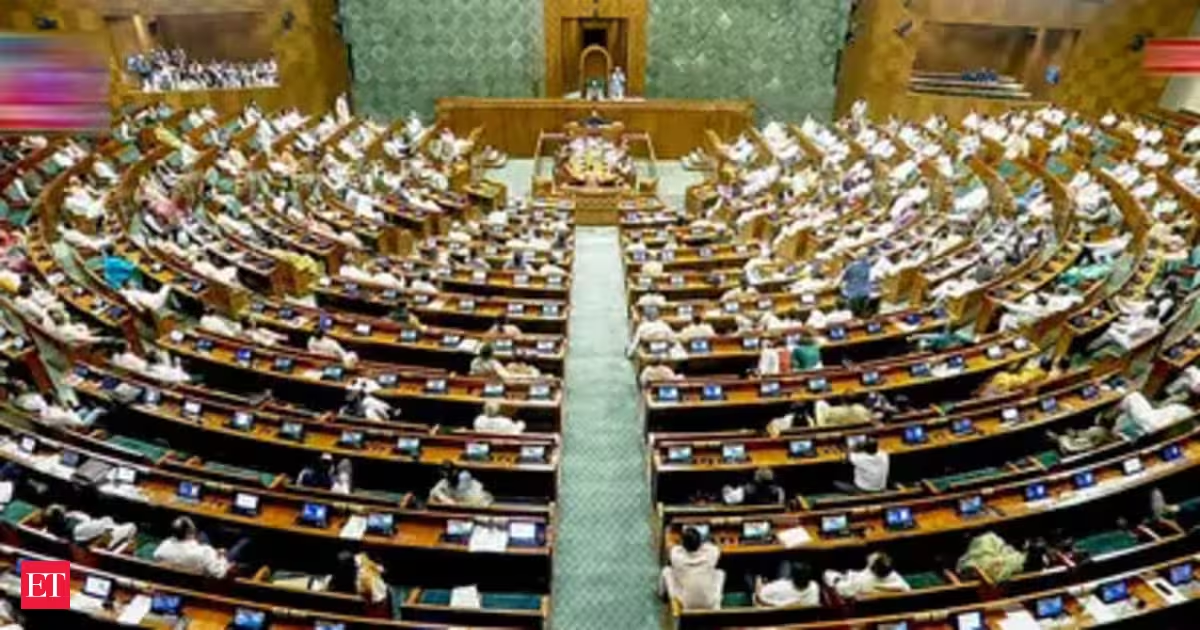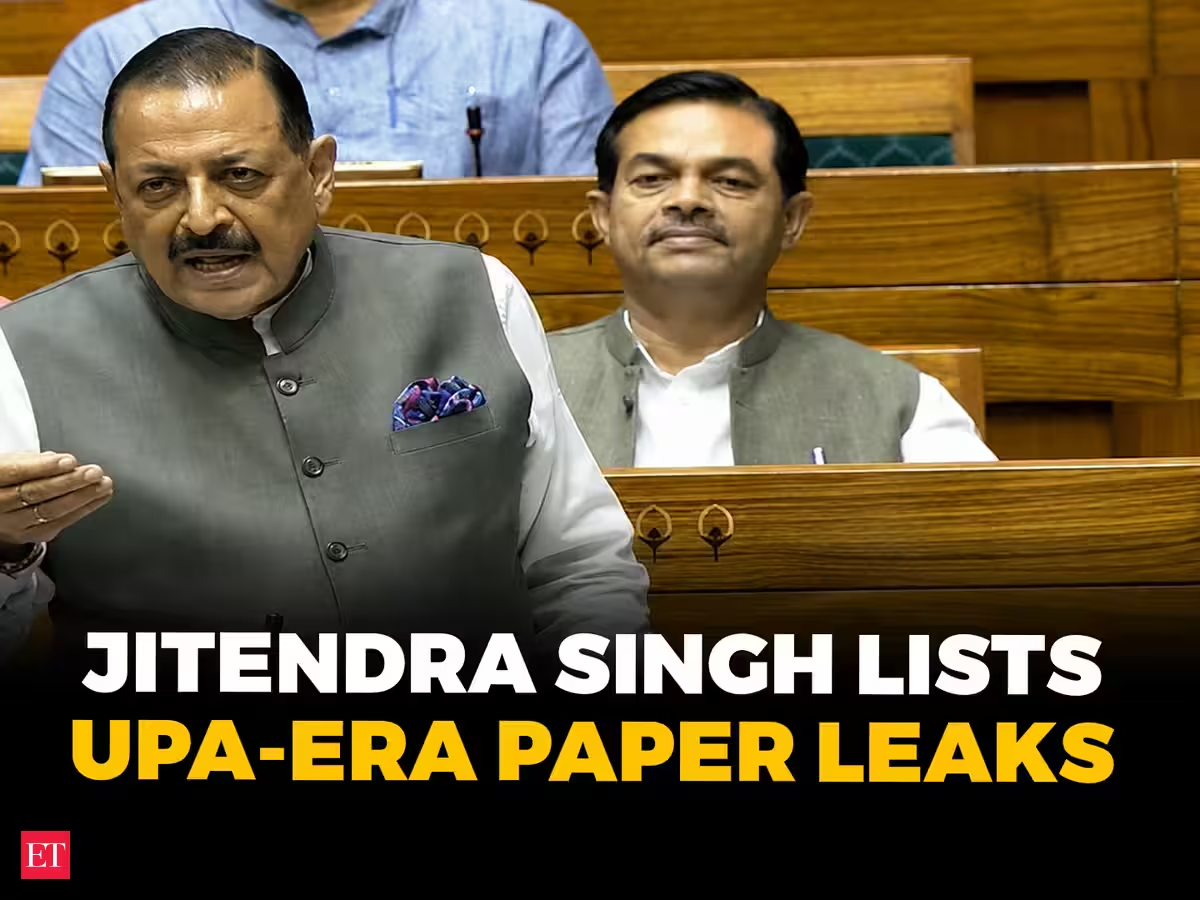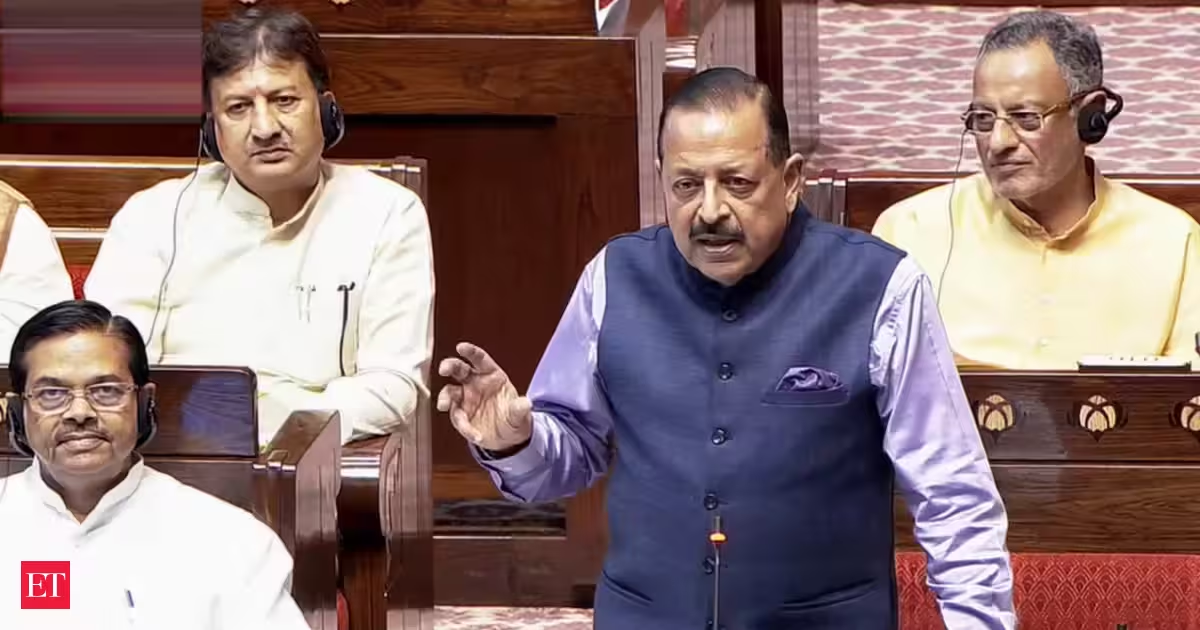
The amendment to the anti-paper leak law is a testimony that the government has zero tolerance towards exam paper leaks and its resolve that nobody will be allowed to jeopardise the future of our children, Union minister Jitendra Singh said as the Rajya Sabha took up the Public Examinations (Prevention of Unfair Means) Amendment Bill, 2026, on Thursday.Piloting the bill, Singh said the government has brought this amendment in right earnest and was open to constructive suggestions from all quarters. He described the bill as a reaffirmation of the government's highest commitment to regard the welfare of students.The Lok Sabha passed the bill on Wednesday by a voice vote, and now its various provisions will be discussed and debated in the Upper House.Also read: 'Why are PM Modi and Amit Shah silent?': Kharge attacks Centre over paper leak crisis as Rajya Sabha debates anti-paper leak BillSingh said the bill testifies that this government does not stand on prestige and is open to healthy inputs. "We are open to constructive suggestions from all quarters, and that's exactly the reason why, in the wake of the recent sequence of events, the PM lost no time to declare that nobody will be allowed to jeopardise the future of our children, and also announced the resolve of zero tolerance to paper leak," Singh said.The minister also read out a list of paper leak cases during the tenure of various governments, including that of the UPA, and said special fast-track courts will be created to look into these cases. His remarks on past leak incidents triggered protests in the House.According to Singh, the amendments mandate that investigations into paper leak cases be completed within two months. States and Union Territories have been empowered to designate Sessions Courts as special fast-track courts to conduct day-to-day trials and complete them within three months of the filing of the chargesheet.The bill also enhances penalties for offenders. Those found guilty of paper leaks or other unfair means in public examinations will face imprisonment ranging from five to 10 years, along with fines of up to ₹50 lakh. Organised rackets attract a minimum sentence of seven years and fines of up to ₹10 crore. The Centre has also been empowered to constitute special task forces to investigate such cases whenever necessary.
Anti-paper leak bill testifies govt's resolve for zero tolerance towards exam leaks: Jitendra Singh in Rajya Sabha
The Rajya Sabha debated the Public Examinations Amendment Bill, 2026, on Thursday. This bill aims to prevent unfair means and paper leaks in public examinations. Offenders face imprisonment from five to ten years and significant fines. Investigations into leak cases must be completed within two months. Special fast-track courts will expedite trials and ensure swift justice.
381 words~2 min read