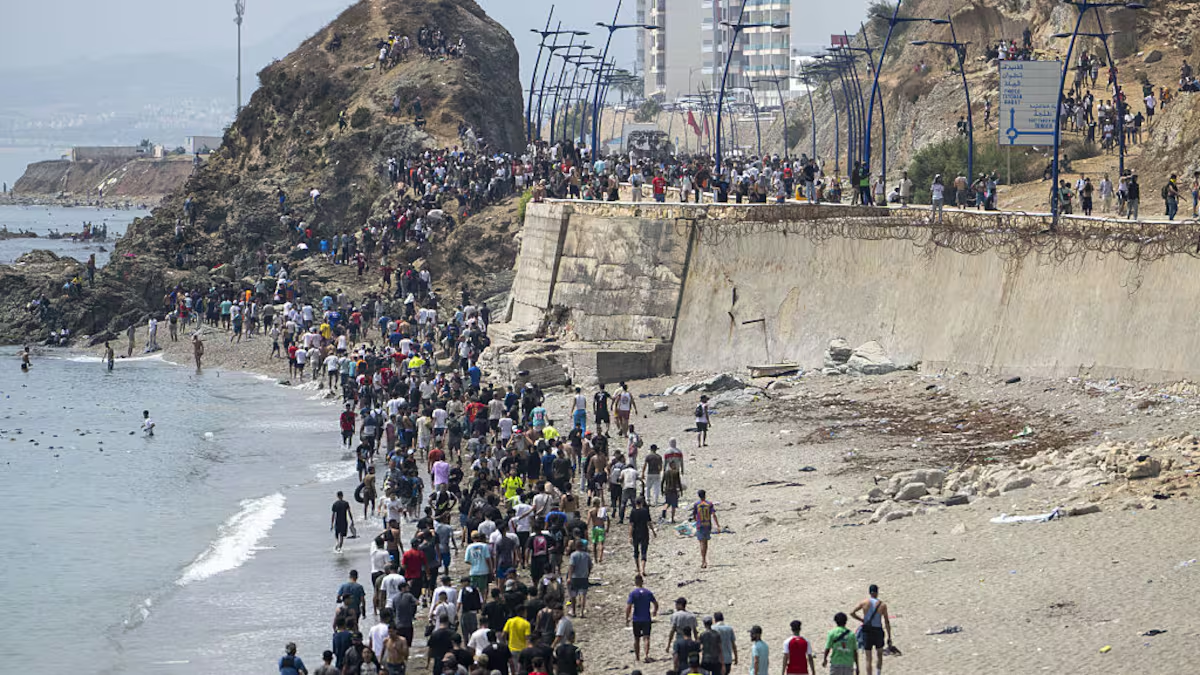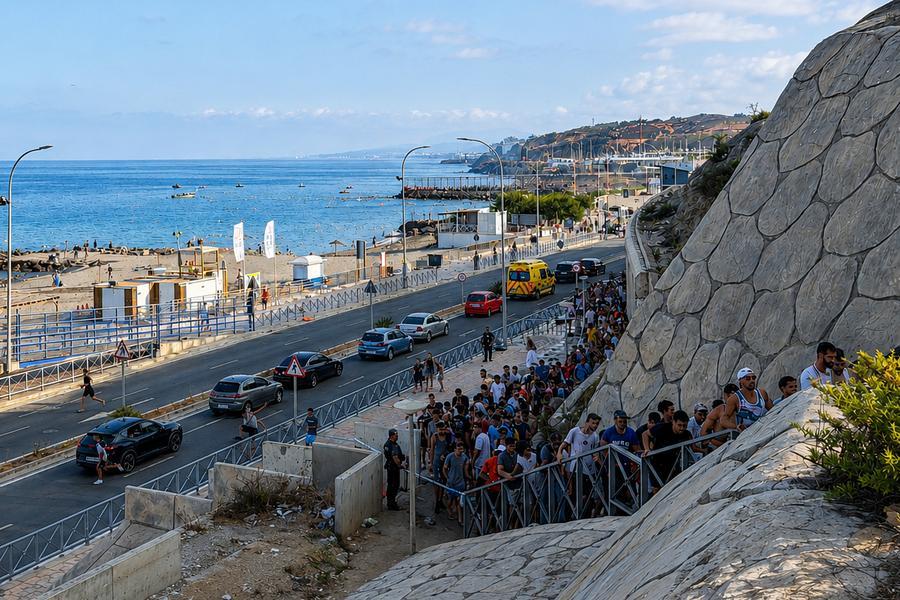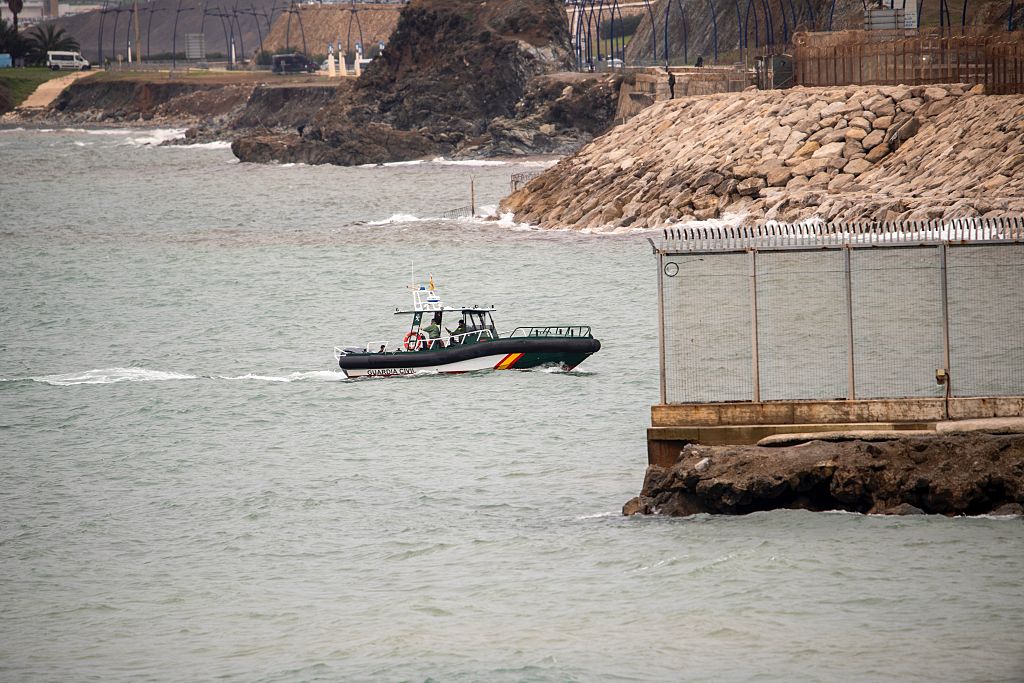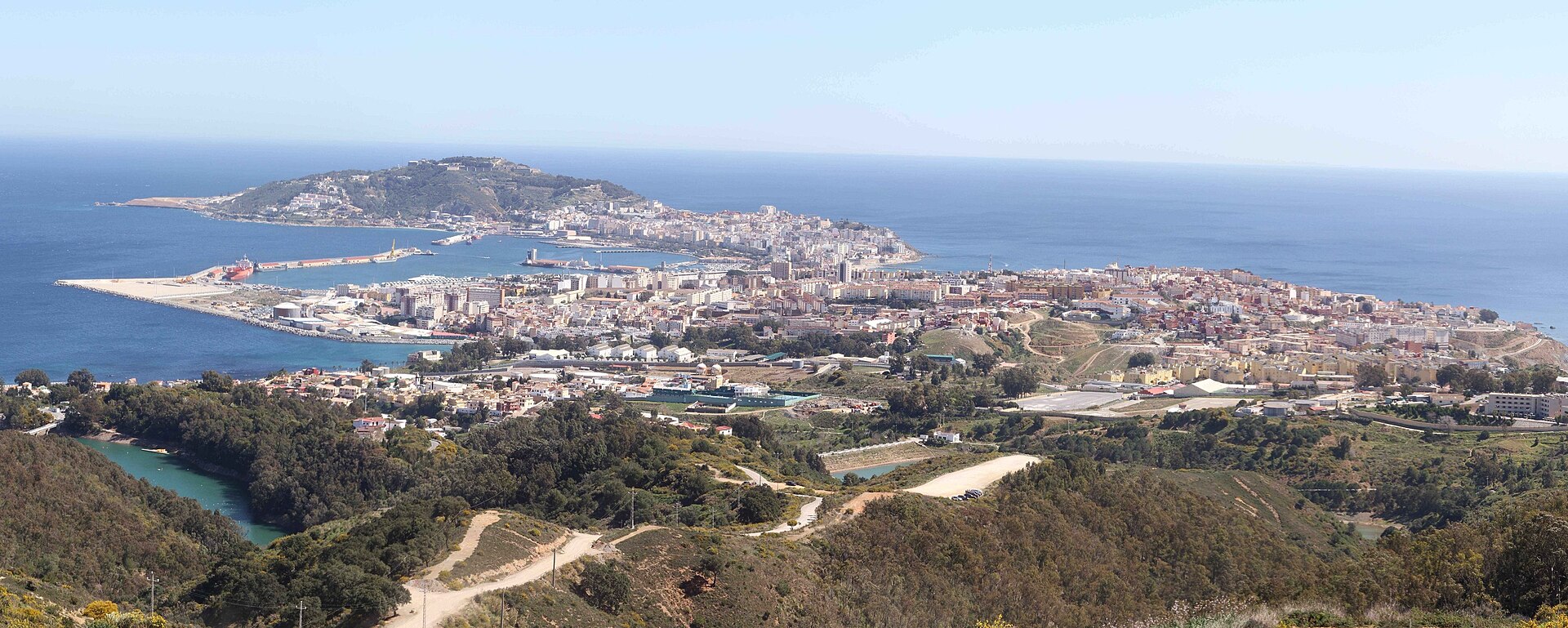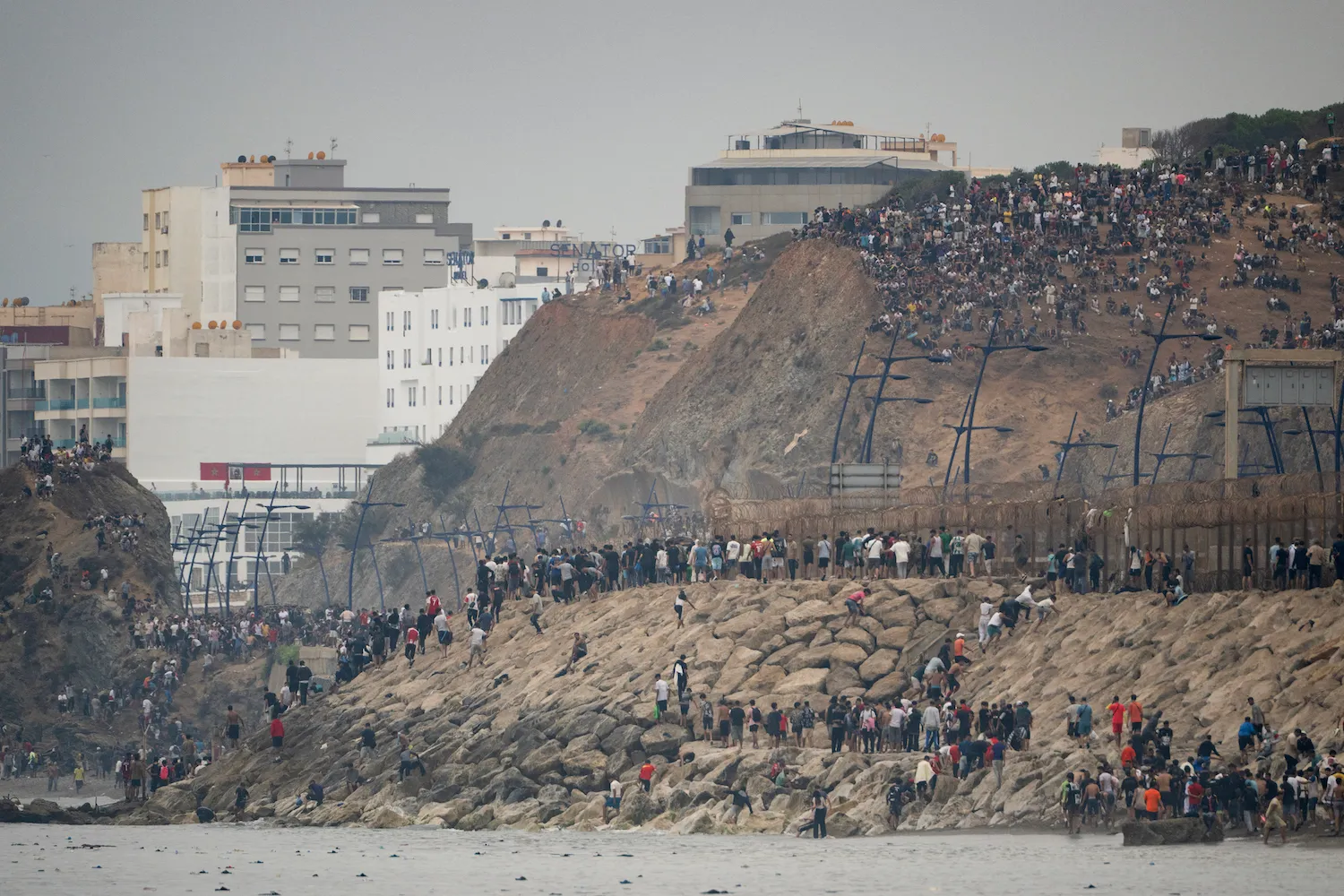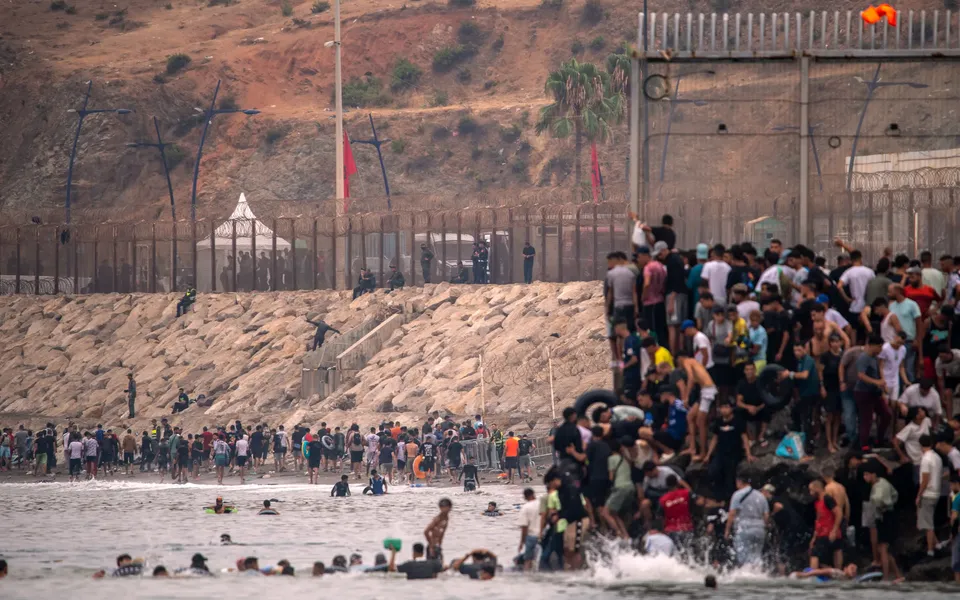
Migrants return to Morocco from the Spanish enclave of Ceuta, Friday, July 31, 2026. [Antonio Sempere/AP]
One of the most interesting parameters in the management of illegal migration is the fragile and constantly threatened balances due to its complex nature. Specifically, migration constitutes a multifactorial equation directly dependent on the effects of the international economy, the alternation of government formations and the fall of regimes, the outbreak or cessation of armed hostilities and, more recently, climatic conditions. Sometimes exogenous and unpredictable factors and sometimes political decisions at the national level can trigger international turmoil and geopolitical upheavals that, in turn, translate into massive migratory flows and population displacements, facilitated by technological progress and the unprecedented accessibility of modern means of mass transportation.
This scenario gives the impression of an unpredictable, dynamically evolving phenomenon that does not allow much room for preparation by the appropriate state services, since any predictive models are based mainly on estimates and less on tangible data. Nevertheless, Greece, which has been at the epicenter of migration in recent decades due to its geographical location, has managed to develop considerable know-how and a multifaceted ability to manage migration crises, prioritizing the protection of borders and national security, but without compromising on human rights.