The Debate | Opinion | Southeast Asia
The Arakan Army’s quest for international recognition should be tied to Rohingya rights and accountability.
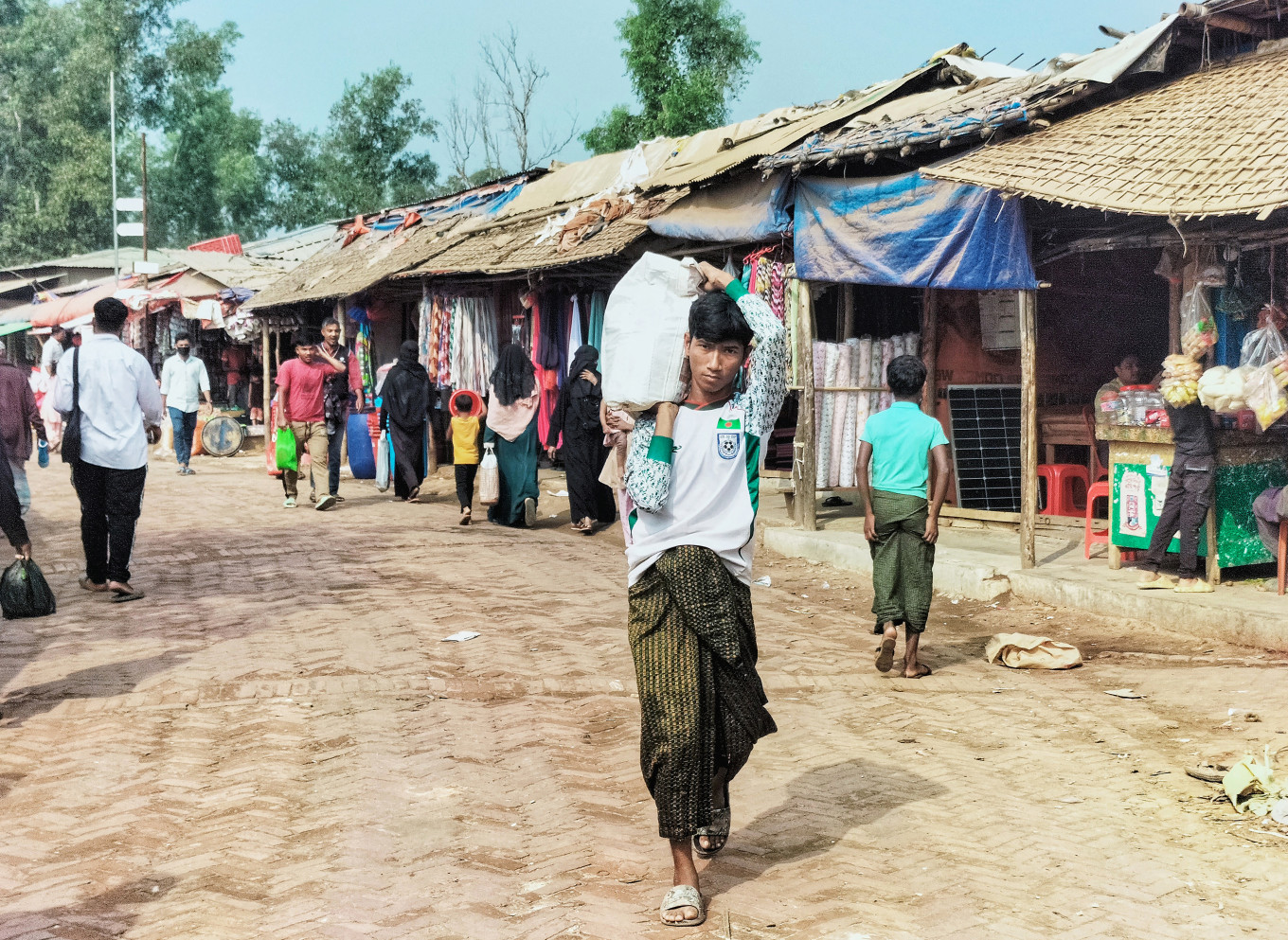
Recently, Human Rights Watch published a distressing investigative report, tellingly titled “Skeletons and Skulls Scattered Everywhere.” The report confirmed that the Arakan Army had massacred at least 170 Rohingya civilians, including 90 children, and likely killed or wounded hundreds more in the village of Hoyyar Siri (Htan Shauk Khan in Burmese) in the Buthidaung Township of Myanmar’s Rakhine State on May 2, 2024.
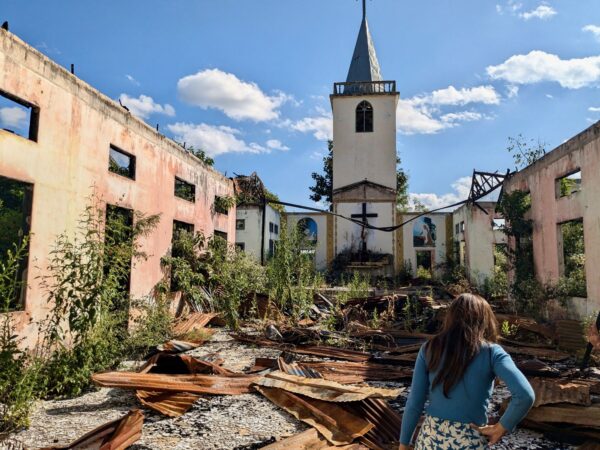
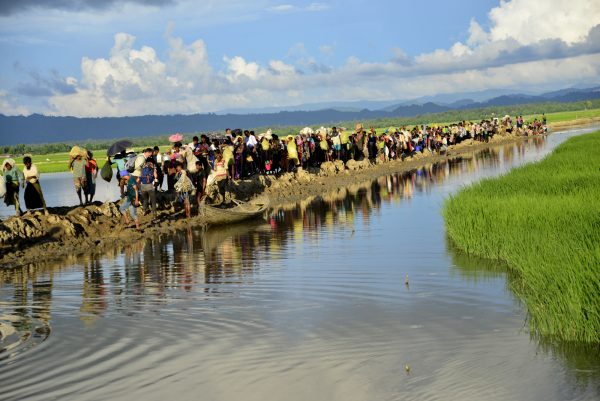
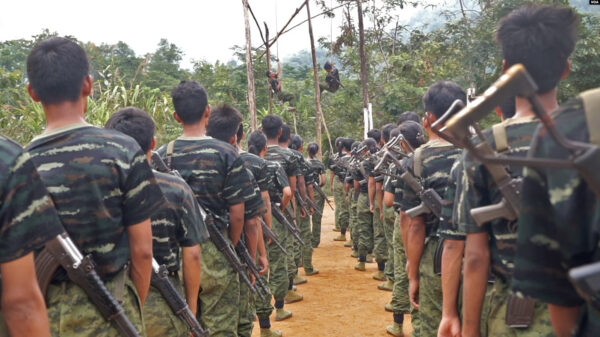
This constitutes only a small fraction of the Arakan Army’s record of human rights violations against the Rohingyas. Since the ethnic armed organization (EAO) has wrested control of much of the Rakhine State in 2023-2024, it has expelled more than 150,000 Rohingyas into Bangladesh, committed war crimes — massacres, rape, and arson — against Rohingya civilians; subjected them to severe restrictions, extortion, and forced conscription; and even banned the use of the word “Rohingya” upon the threat of harsh penalty. In fact, Major General Twan Mrat Naing, the commander-in-chief of the Arakan Army and the Chairman of the United League of Arakan (ULA), had publicly denied the distinct identity of the Rohingyas, terming them as “Bengalis.”