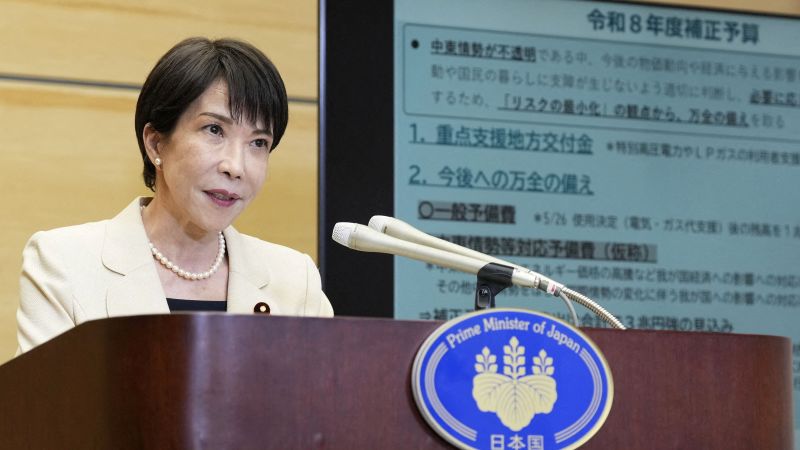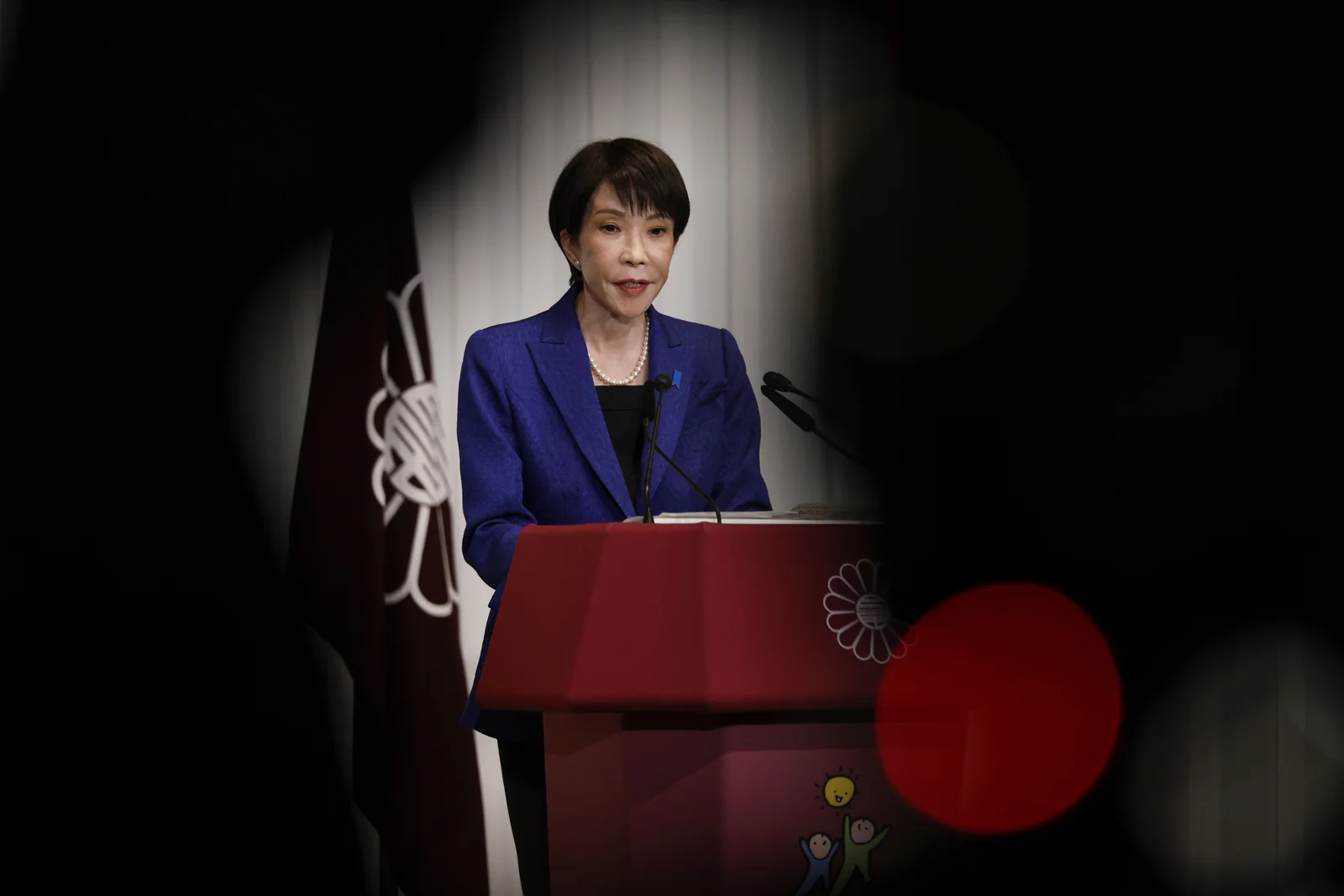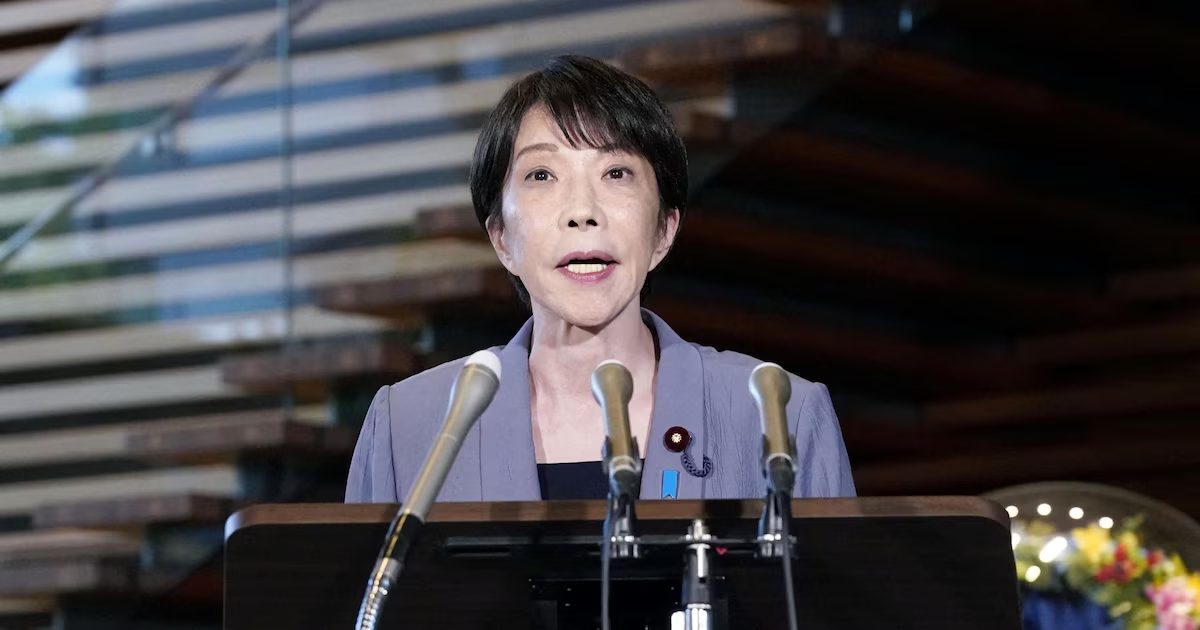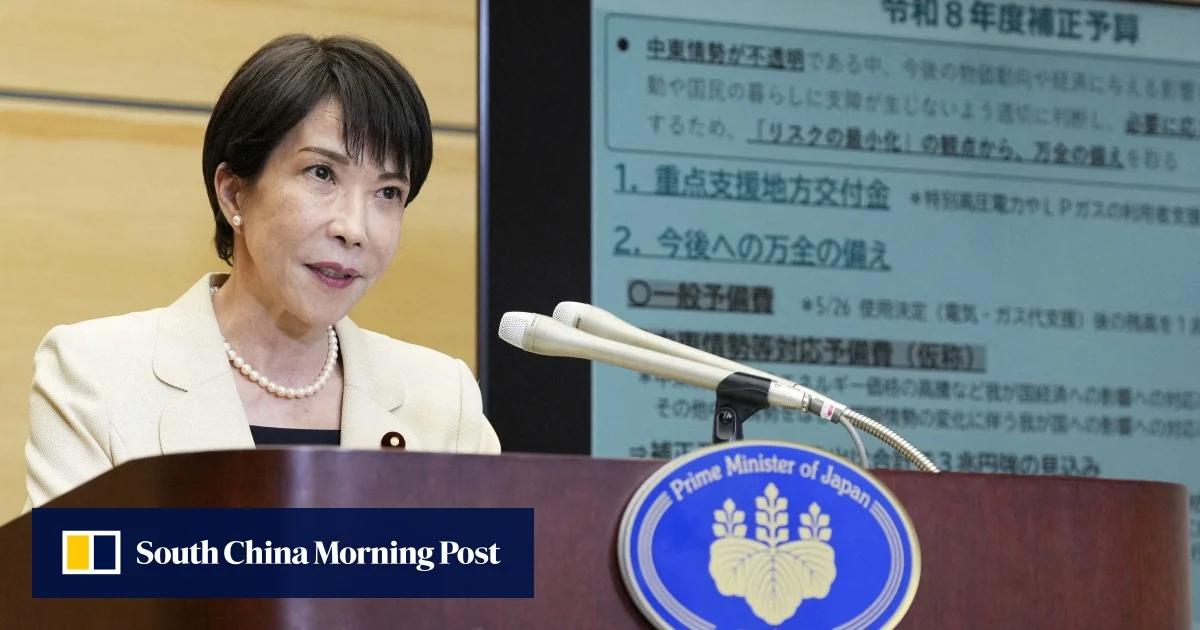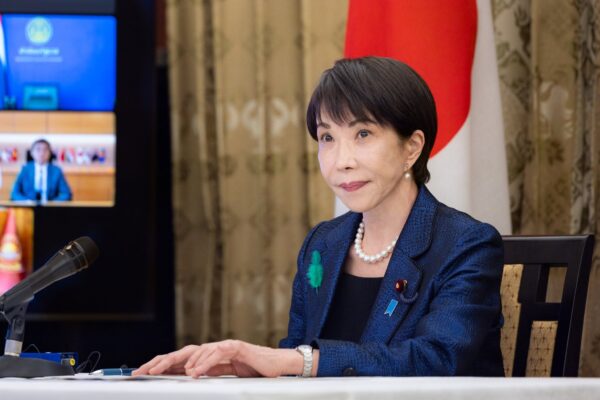
In order to deal with a worsening regional security environment, Japan is stepping up its intelligence capabilities. Since establishing the National Intelligence Council (NIC) this summer, Prime Minister Takaichi Sanae acknowledged the threat caused by leaks of sensitive technology to foreign intelligence services.
“We will continue discussions on ‘enhancing foreign intelligence collection’ and ‘strengthening the prevention of improper foreign influence’ while maintaining a balance with the people’s ‘liberty and human rights,’” she said at a recent press conference.
As Japan continues its intelligence reforms, the government must also consider how to strengthen its counterintelligence capabilities. This will impact not only the development of a Japanese foreign intelligence service, but also Japanese aspirations to play a larger role in intelligence liaison relationships with friends and allies like the U.S. and its Five Eyes partnership. It is critical that Japanese policymakers strengthen Japan’s ability to defeat foreign espionage.
Counterintelligence is a critical part to the broader intelligence mission. According to James Olson, formerly the head of the CIA’s counterintelligence section, counterintelligence is “all the measures a nation takes to protect its citizens, secrets, and technology from foreign spies.”