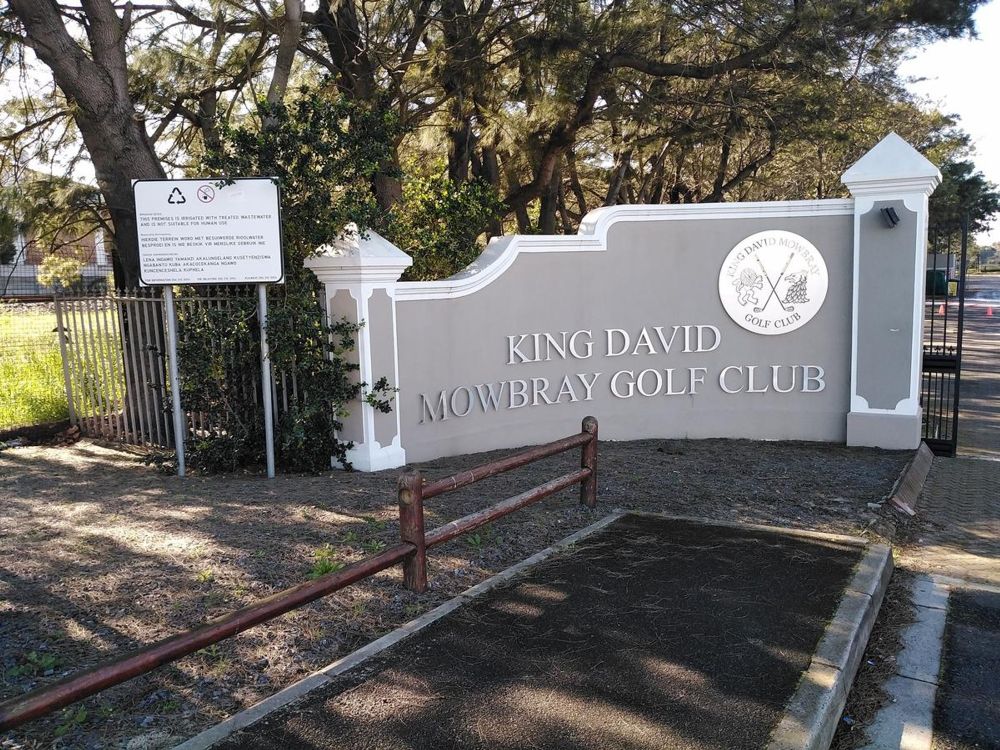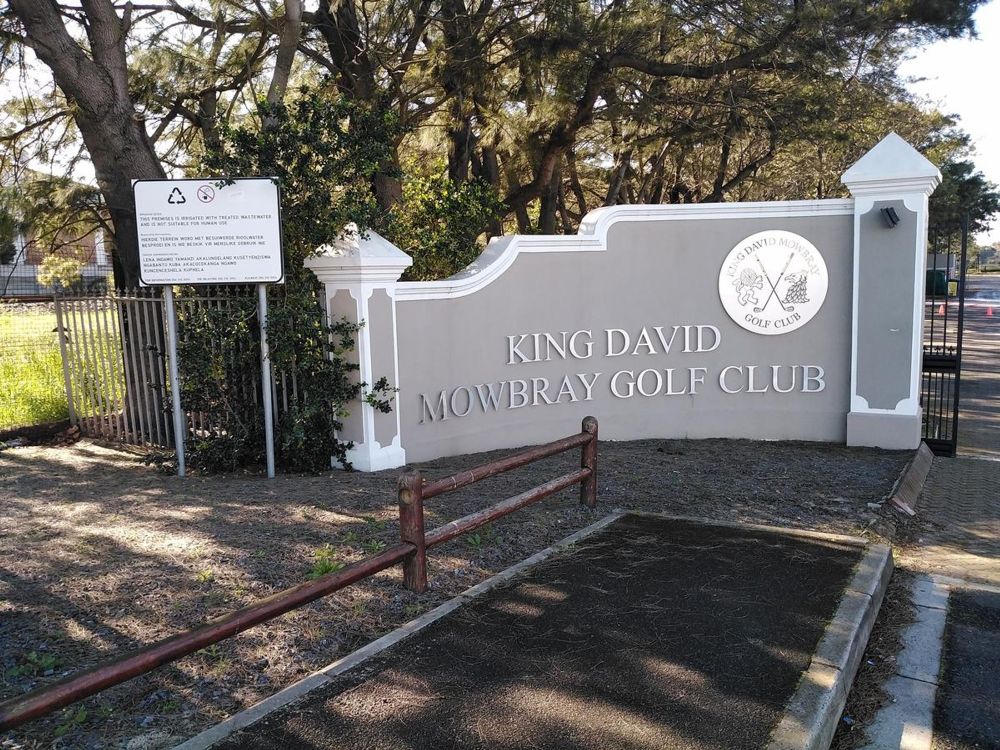
A public participation process for the City of Cape Town’s proposed mixed-use development at the King David Mowbray golf club precinct is under way.
Nick Tarlie
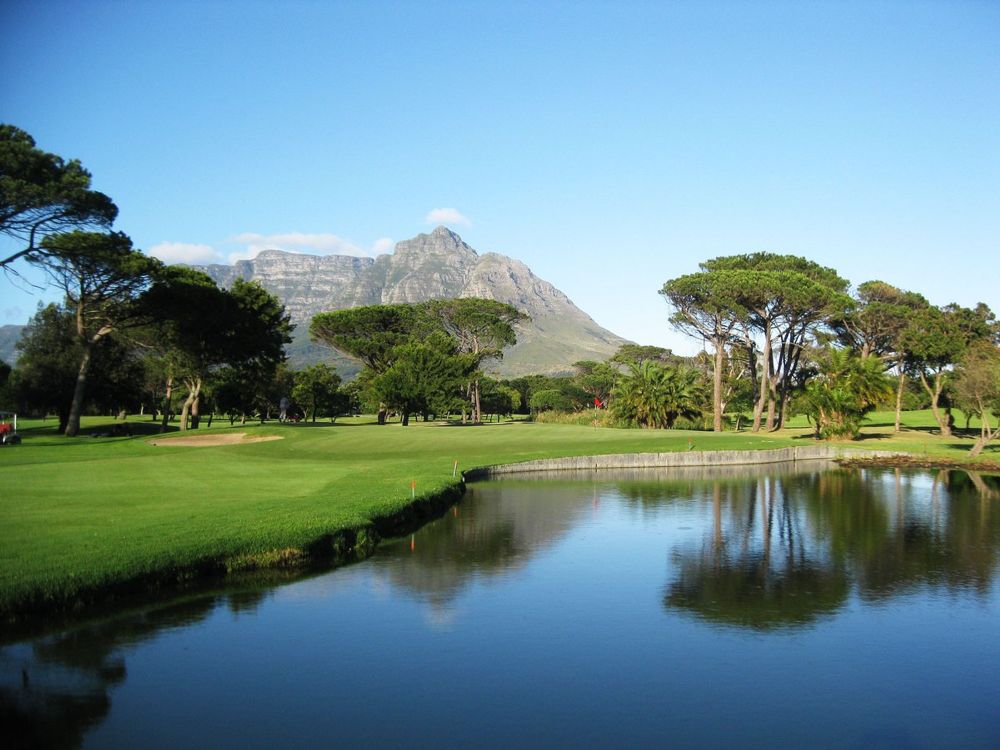
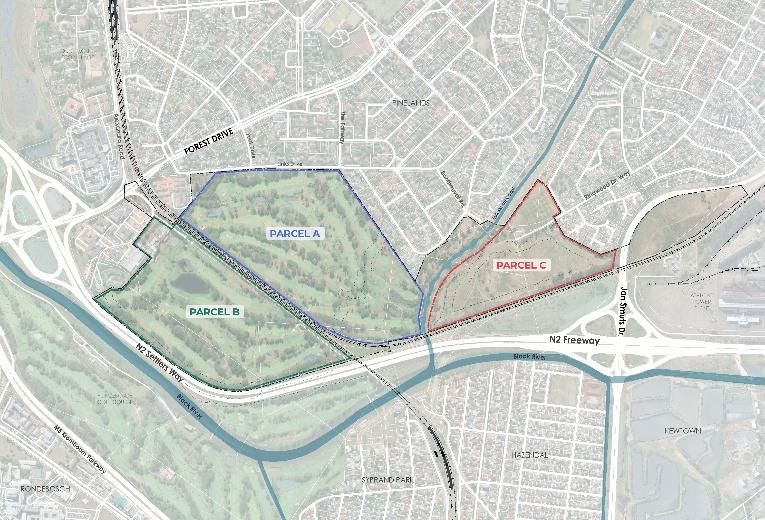
On 7 August, the public comment window closes on the City of Cape Town's draft plan to redevelop the site of the King David Mowbray golf course (KDM) into a mixed-use precinct of over 6000 housing units. What has been almost entirely absent from the debate is any reckoning with what the city stands to lose economically and employment wise if it goes ahead. The City is about to make an irreversible land-use decision without appearing to have properly assessed its economic consequences.
Nobody disputes that Cape Town needs more housing. The pressure is real. But the existence of a housing need does not, by itself, justify choosing this particular site over any other. Cape Town has vast tracts of vacant, unproductive land lying unused in and around the metro. Directing new development toward that land, rather than toward one of the city's most beloved golf courses, would be a win for everyone: more housing, without sacrificing an asset that is generating substantial economic value.
I am not an economist, but some basic maths, based on national industry benchmarks, makes the case clear enough: KDM's own contribution to the Cape Town economy is somewhere between R112 million and R1.1 billion a year. That is indeed a wide range, and meaningfully so: these are extrapolations from national data, not a formal valuation. But the width of that range is itself the point. When the low and high estimates of a single site's annual economic contribution differ by a factor of ten, that is precisely the kind of material uncertainty that demands a proper economic assessment before an irreversible decision is taken, not after. That having been said, even at R112 million, the figure is significant.