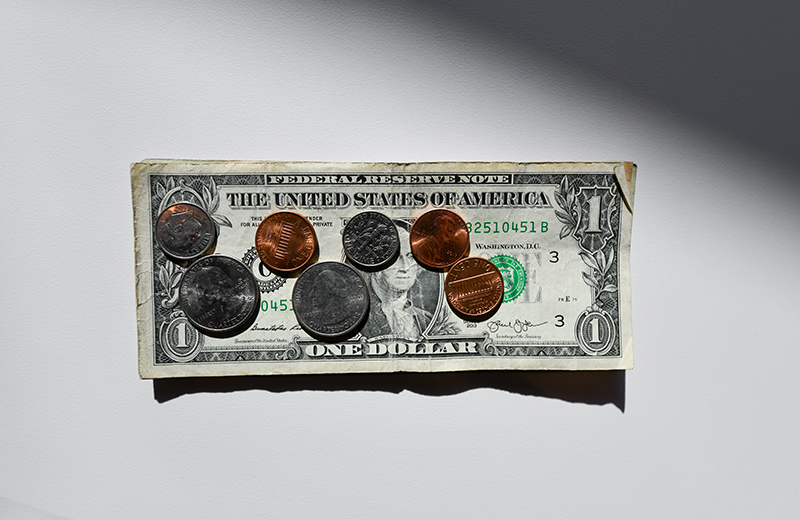
You know the feeling. It’s the Tuesday before payday, the fridge is looking sad, the car needs petrol, and your bank balance has that uncomfortable habit of turning red before the month is even done. This gap between what you owe and what you have — the “cash gap” — is one of the most common financial hiccups for middle-aged South Africans juggling a mortgage, school fees, aging parents, and rising grocery bills all at once. The good news: a cash gap isn’t a crisis if you know how to handle it. Think of it less like a financial emergency and more like a pothole in the road — annoying, but manageable if you slow down and steer carefully.
What Exactly Is a “Cash Gap” — And Why It Sneaks Up on You
A cash gap happens when your expenses land before your income does. Picture your monthly budget as a bridge stretching from one payday to the next. Most months, the bridge holds. But throw in a burst geyser, a higher-than-usual electricity bill, or a school trip payment, and suddenly there’s a hole in the middle of that bridge — and you’re standing right on the edge of it. It’s rarely about being bad with money. It’s usually about timing: bills that don’t line up neatly with income.
Five Warning Signs Your Wallet Is About to Hit a Wall