The group has evolved into an important global south voice. But long-term credibility will depend on something far more tangible: whether it can translate declarations into productive investment and industrial growth, argues the writer.
Tafadzwa Chibanguza
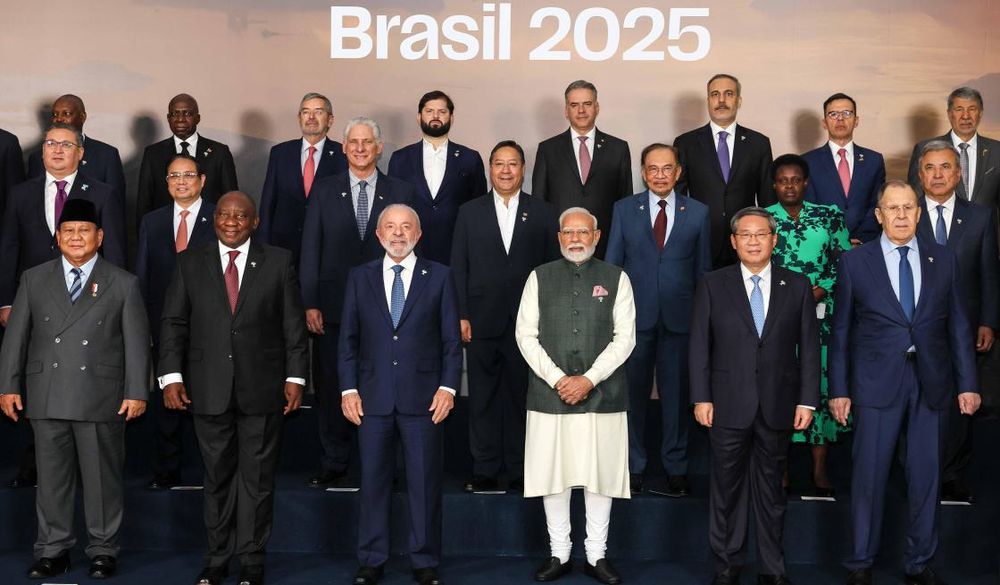
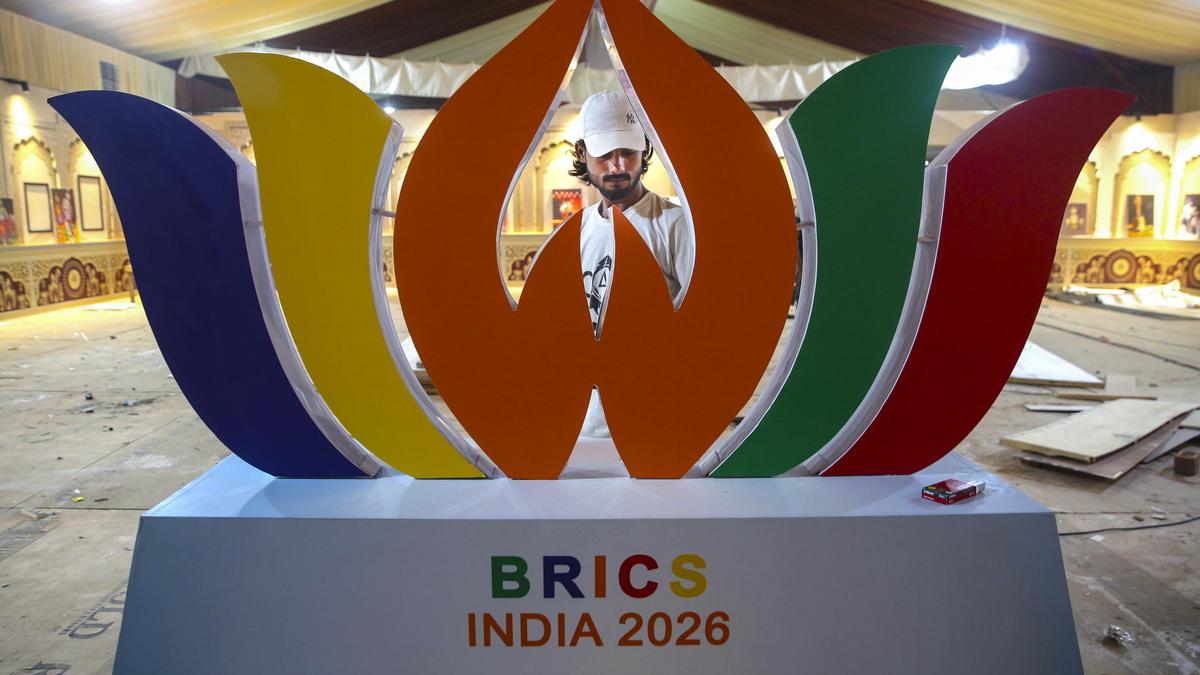
When leaders gather in India for the BRICS 2026 Summit this September, they will do so at a pivotal moment for the global economy. Trade patterns are shifting. Supply chains are being redesigned. Manufacturers are rethinking where they invest, produce and source critical goods. For countries willing to move decisively, this disruption presents an opportunity to reshape their industrial future. That is precisely where BRICS can distinguish itself.
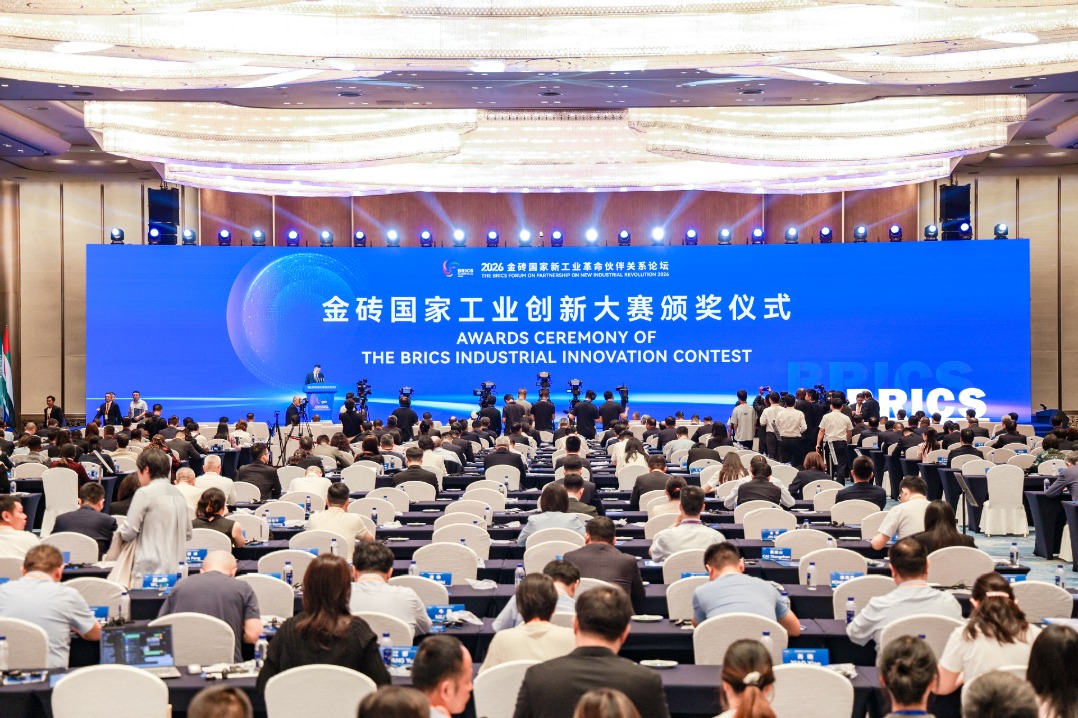
The group has evolved into an important global south voice. But long-term credibility will depend on something far more tangible: whether it can translate declarations into productive investment and industrial growth. For the South African BRICS Business Council’s Manufacturing Working Group, that means focusing on a single priority: building a pipeline of high-impact, bankable manufacturing projects that can attract investment and deliver measurable economic outcomes.
For too long, industrial cooperation has centred on identifying opportunities. The next chapter must be about execution. Factories are not built on declarations. They are built on commercially viable projects backed by robust feasibility studies, sound governance, financial modelling and credible risk management. Without that preparation, even the most promising ideas struggle to attract capital. This is one of the biggest gaps across emerging markets. There is no shortage of manufacturing potential; there is a shortage of investment-ready projects that meet the expectations of development finance institutions, commercial lenders and private investors.