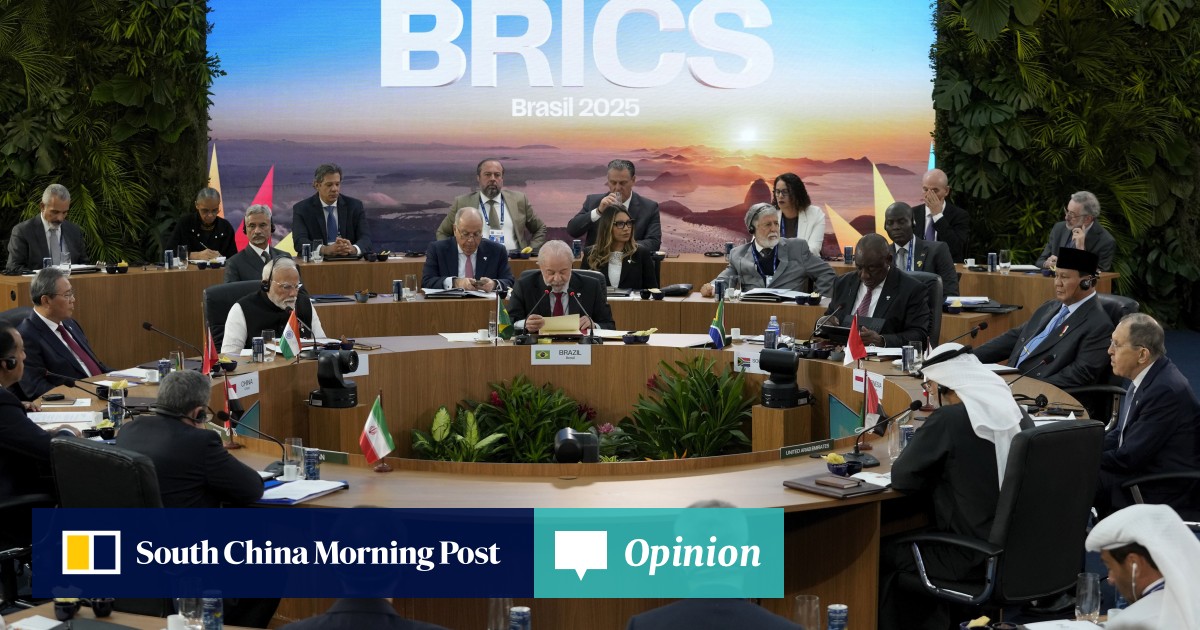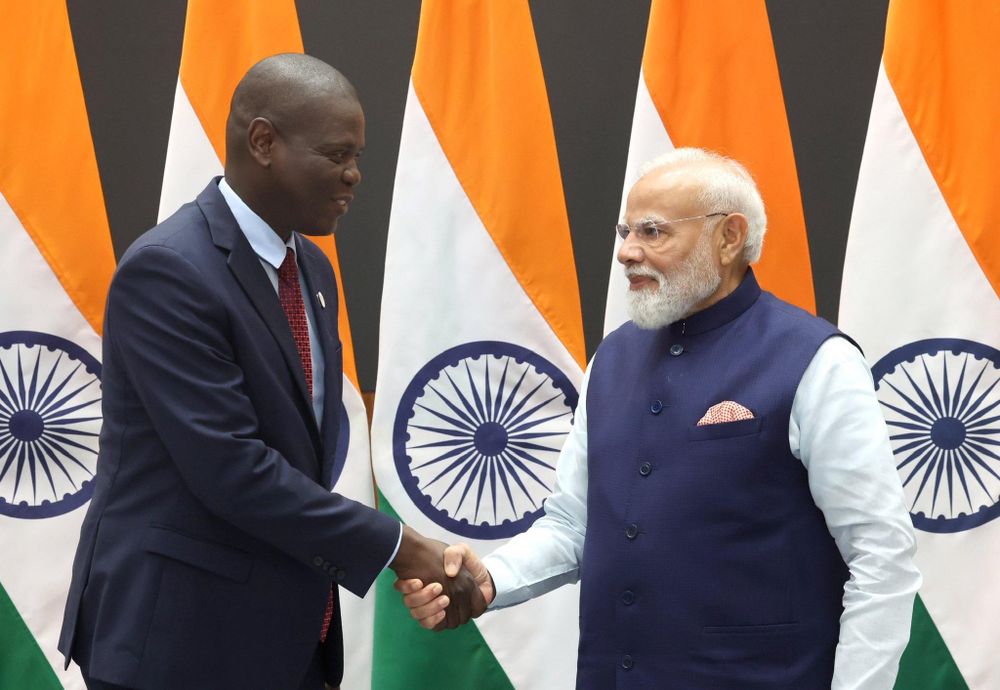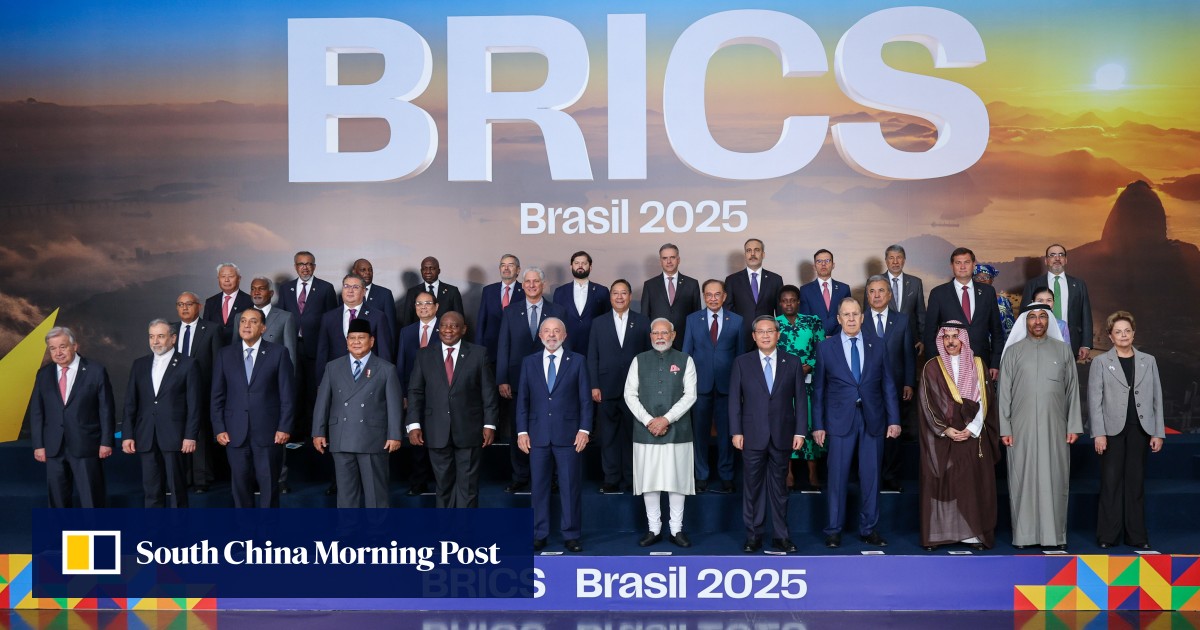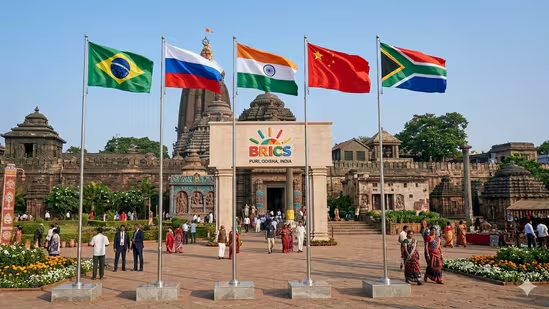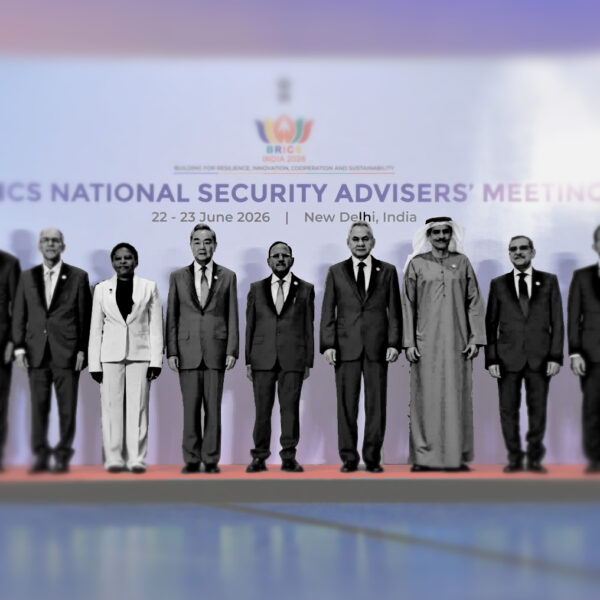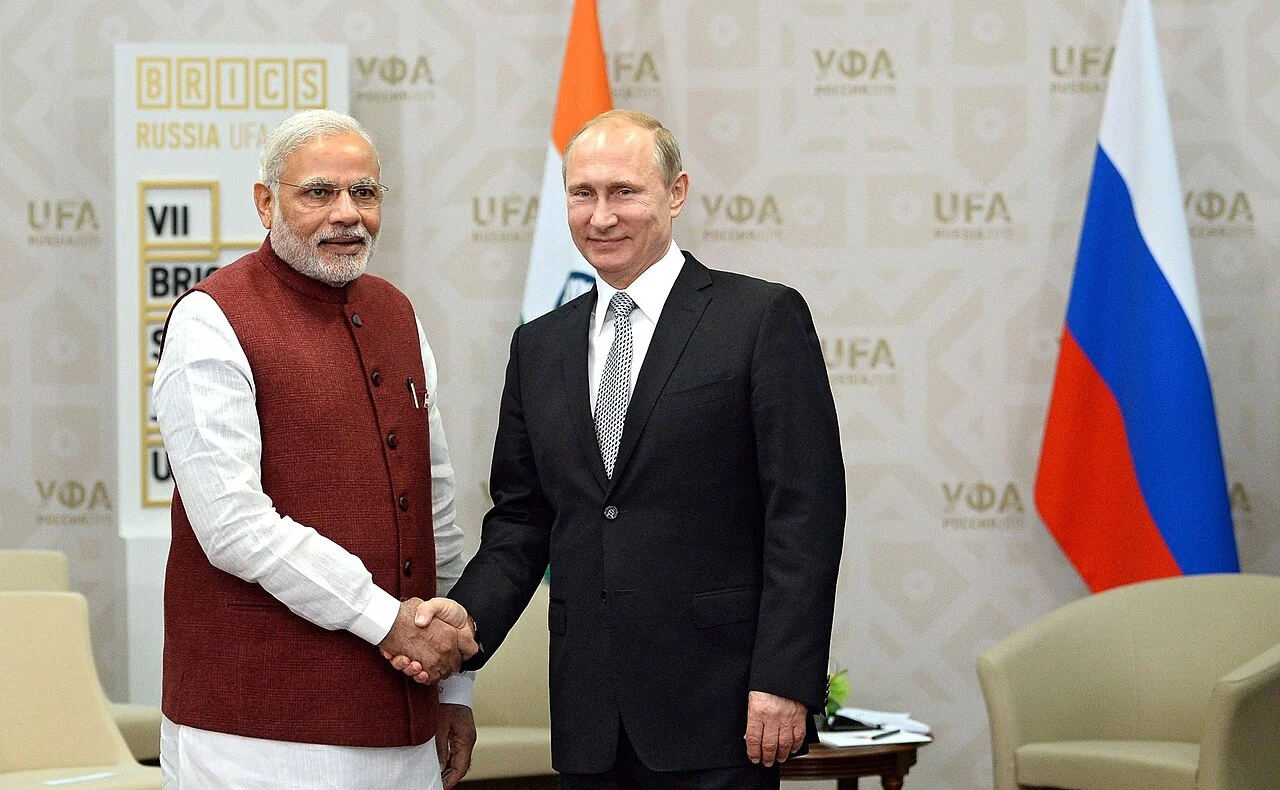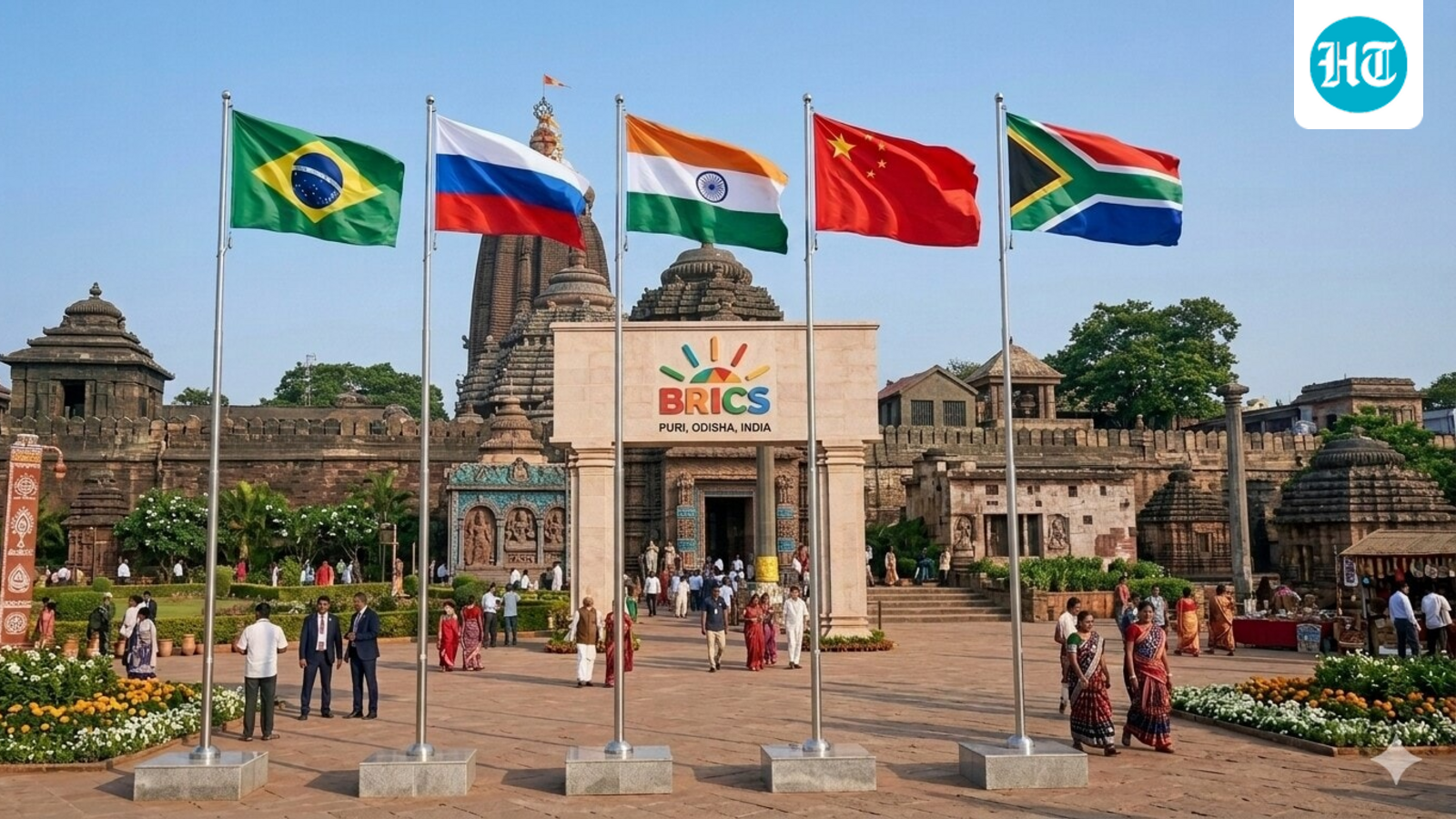
In the rapidly-changing global geopolitics, the BRICS has emerged as a pivotal counterweight to efforts to reinforce a unipolar order. Under the Trump administration, Washington has intensified its use of tariffs and trade mechanisms as instruments of pressure against sovereign nations and rising powers, particularly India, China, Russia, and Iran. These measures compel alignment with American strategic preferences, often at the expense of the economic autonomy and diversified partnerships that emerging economies pursue. The recent advancement of legislation authorising tariffs of up to 100% on imports from major purchasers of Russian oil stands as a stark illustration of this approach. In this environment, the upcoming BRICS summit under India’s presidency assumes exceptional significance, offering a platform for collective resistance, institutional innovation, and the practical advancement of multipolarity.BRICS (Gemini)This pattern reflects a broader strategy of asserting unipolar dominance in an era when the West's relative weight is declining, and the centre of economic gravity has shifted toward Asia and the Global South. BRICS, originally comprising Brazil, Russia, India, China, and South Africa, has expanded to include Egypt, Ethiopia, Iran, the United Arab Emirates, Indonesia, and others, representing roughly half the world’s population and a substantial share of global GDP, energy reserves, and manufacturing capacity. The group’s emphasis on local-currency settlements, development finance through the New Development Bank, and reduced dependence on the dollar challenges the institutional foundations of the post-Cold War order. Trump has publicly framed BRICS as an assault on the dollar’s primacy and threatened further tariffs precisely for membership or alignment with its agenda. Such rhetoric and policy convert economic interdependence into a tool of political leverage, pressuring countries to choose sides rather than pursue independent development paths.For India, the stakes are particularly acute. As a major importer of Russian oil and a country with balanced relations with Washington, Moscow, and Beijing, New Delhi faces the prospect of punitive tariffs that could disrupt export markets critical to its growth. Similar pressures on China reinforce the perception that economic success outside the American orbit invites containment. Russia, already under extensive sanctions, finds its remaining energy markets targeted through secondary measures, while Iran’s trade partners confront parallel tariff threats. These actions collectively aim to isolate or subordinate rising powers, limiting their ability to coordinate outside Western-led frameworks. Yet, the very intensity of the pressure has accelerated the search for alternatives. Trade within BRICS has grown, payment systems that bypass traditional channels have advanced, and political coordination has deepened even amid internal differences, such as those between India and China.The forthcoming BRICS summit in New Delhi on September 12-13, 2026, under India’s chairmanship, therefore, arrives at a decisive juncture. With the theme centred on building resilience, innovation, cooperation, and sustainability, the summit is expected to draw high-level participation, including potentially President Xi Jinping and President Vladimir Putin alongside leaders from the expanded membership. India’s presidency provides an opportunity to shape the agenda toward practical outcomes. deeper financial cooperation, supply-chain diversification, technology partnerships, and a collective response to unilateral trade barriers. Unlike alliances bound by formal military commitments, BRICS functions as a flexible platform for dialogue and joint initiatives among diverse political systems united by a shared interest in multipolarity. It does not seek to dismantle the existing order wholesale but to reform global institutions, secure greater voice for the Global South, and create parallel mechanisms that reduce vulnerability to external pressure.The current moment hardens the tension between unipolar assertion and multipolar reality. Unipolar strategies that rely on tariffs and secondary sanctions assume that economic costs will compel compliance. Historical experience, however, suggests that such tools often produce the opposite effect when applied to large, resilient economies with alternative options. India’s diversified partnerships, China’s industrial scale, Russia’s resource base, and Iran’s regional networks enable adaptive responses. BRICS amplifies these capacities through coordination. India’s leadership role is especially meaningful as a democracy with strong ties to both the West and the East; it can bridge differences within the group while articulating a vision of multipolarity rooted in strategic autonomy rather than confrontation.Ultimately, the crucial character of BRICS at this juncture stems from the mismatch between American efforts to reimpose hierarchical discipline through economic instruments and the structural forces driving the diffusion of power. The 100% tariff legislation targeting Russian oil importers exemplifies the coercive toolkit, yet it also highlights the limits of that toolkit when confronted by determined, coordinated actors. The New Delhi summit offers a chance to translate the rhetoric of multipolarity into institutional substance. Whether through joint statements rejecting unilateral barriers, concrete financial initiatives, or expanded membership and partnerships, the outcomes will signal whether the emerging powers can convert demographic and economic weight into genuine strategic agency. In an age of heightened great-power competition, the ability of BRICS to foster resilience among its members may prove decisive in determining whether the international system evolves toward genuine multipolarity or remains contested under the shadow of renewed unipolar ambitions.(The views expressed are personal)This article is authored by Pravesh Kumar Gupta, associate fellow, Vivekananda International Foundation, New Delhi.
India’s BRICS summit: A multipolar turning point
This article is authored by Pravesh Kumar Gupta, associate fellow, Vivekananda International Foundation, New Delhi.
833 words~4 min read