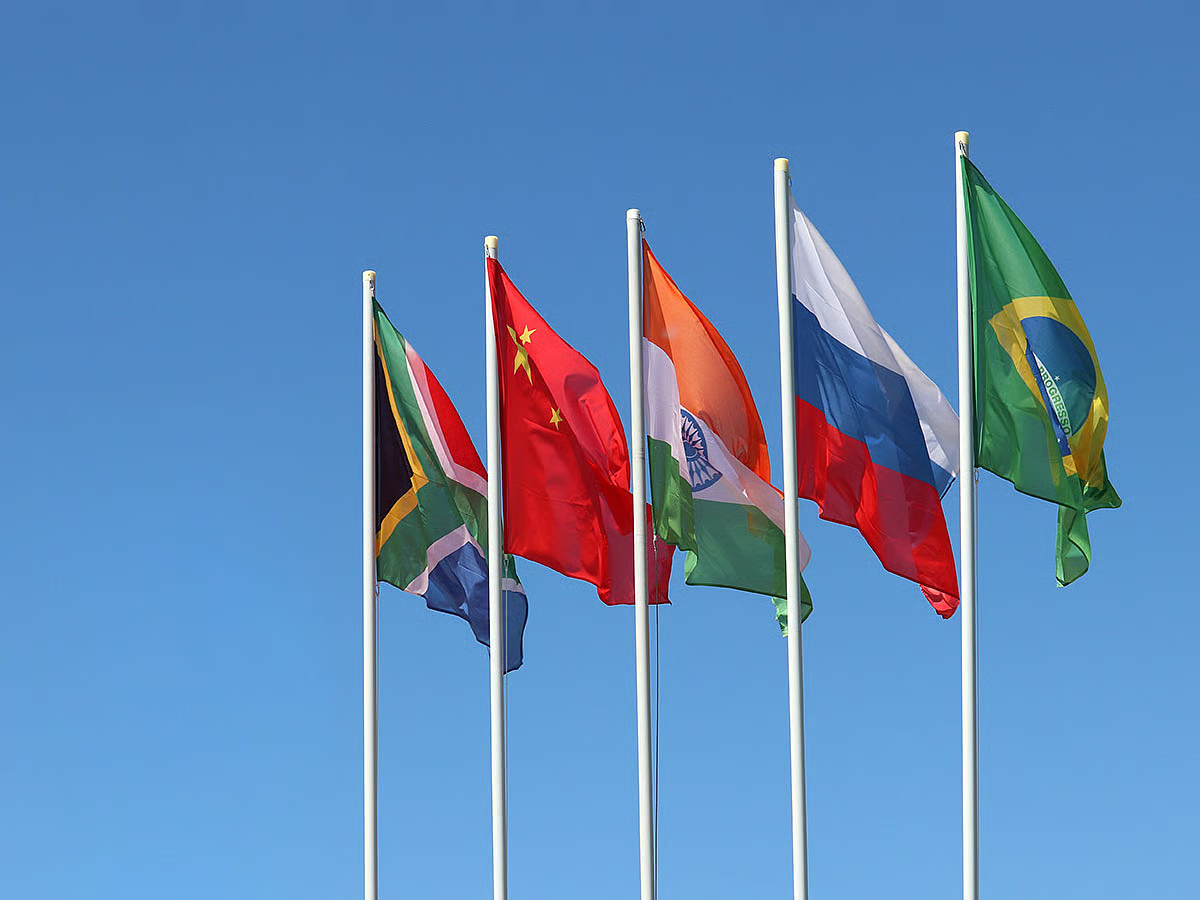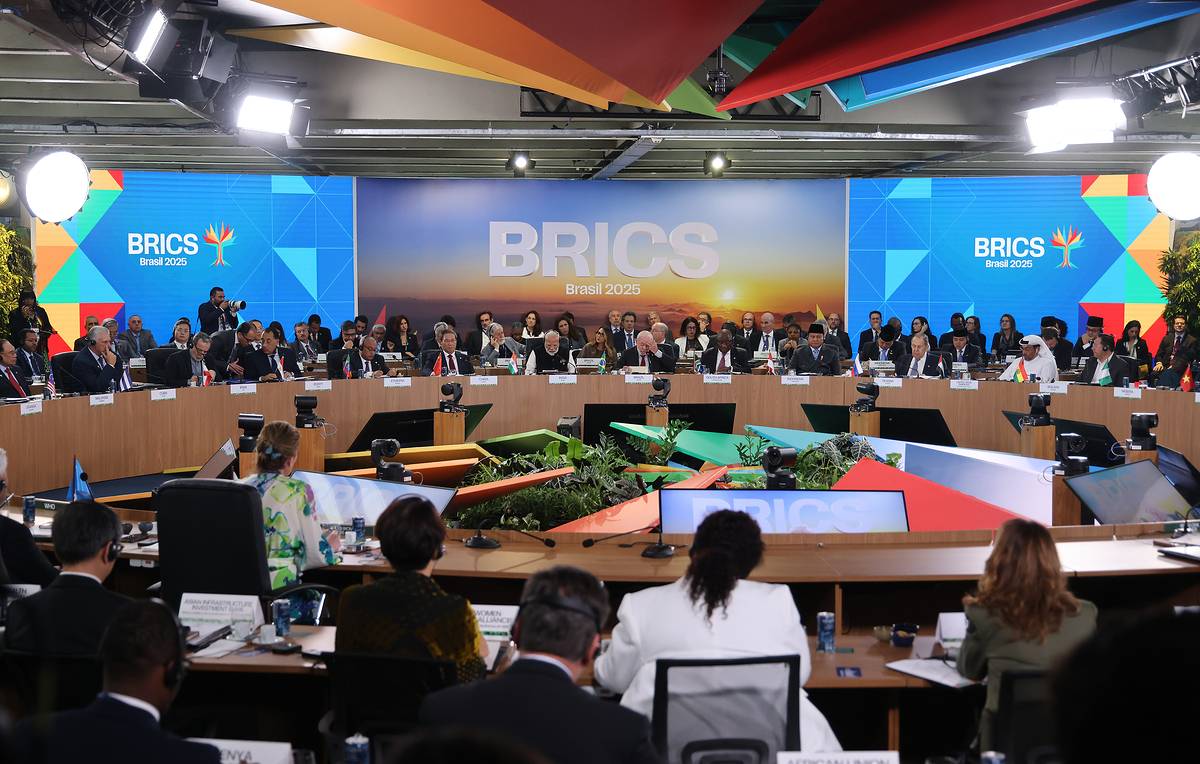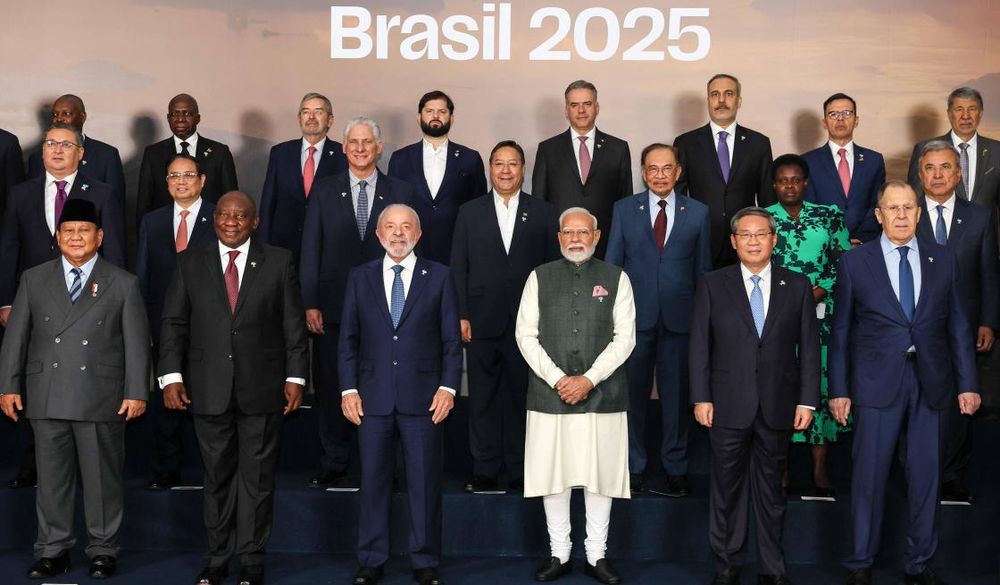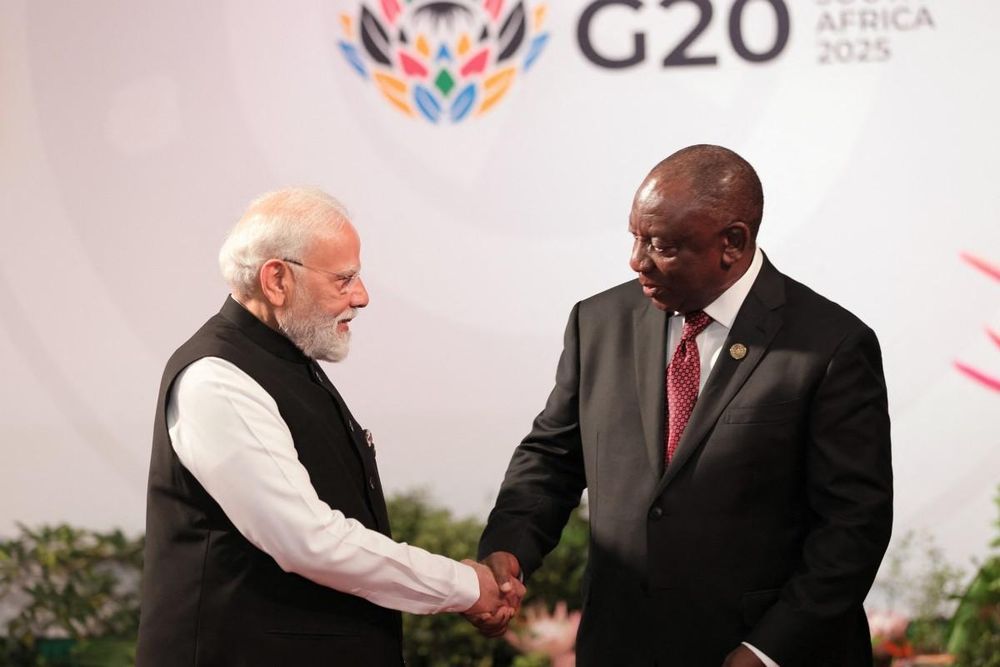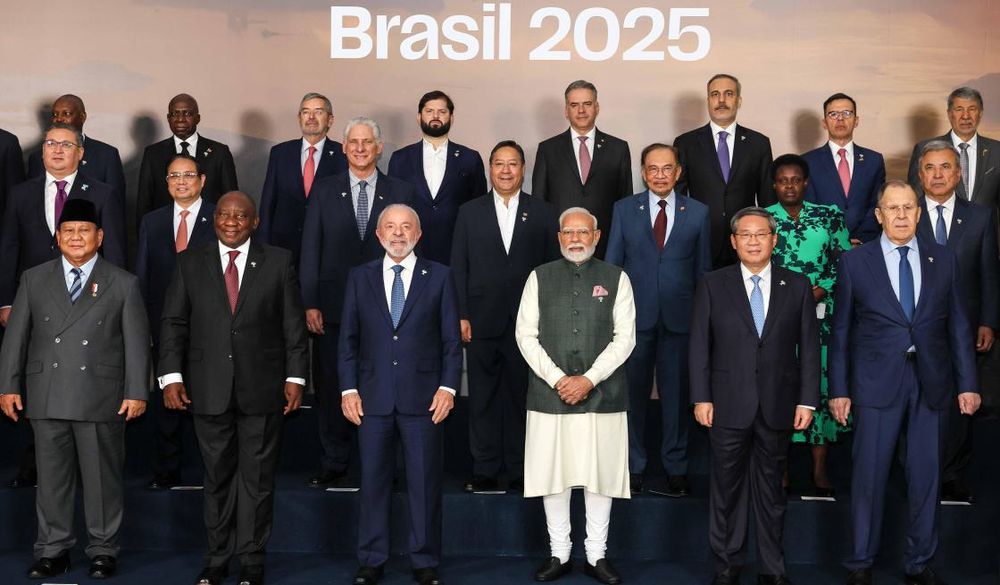
Heads of State and Government from BRICS Member Countries pose for a family photo at the XVII BRICS Summit at the Museum of Modern Arts held in Rio de Janeiro, Brazil on July 7, 2025. BRICS can move towards global governance, by creating forms of cooperation that reflect the interests of the global majority and not by copying the institutions of Western dominance, says the writer.
Timofey Bordachev
As BRICS adjusts to its expansion in 2024 and 2025, it faces two linked questions. How can the group stabilise itself internally, and how can it assume a more important role in global governance?
The answer shouldn’t be to imitate existing institutions because BRICS will only succeed if it identifies common objectives that matter to its members and that are also relevant to the wider international community. No credible system of global governance can now be imposed by a small group of powerful states. It must reflect the interests of the international majority.
For BRICS, the most promising basis for such a role lies in sustainable development. The United Nations has pursued this objective for decades, but the continued dominance of Western states in many global institutions has prevented those goals from being implemented fairly, so BRICS could offer a different model.