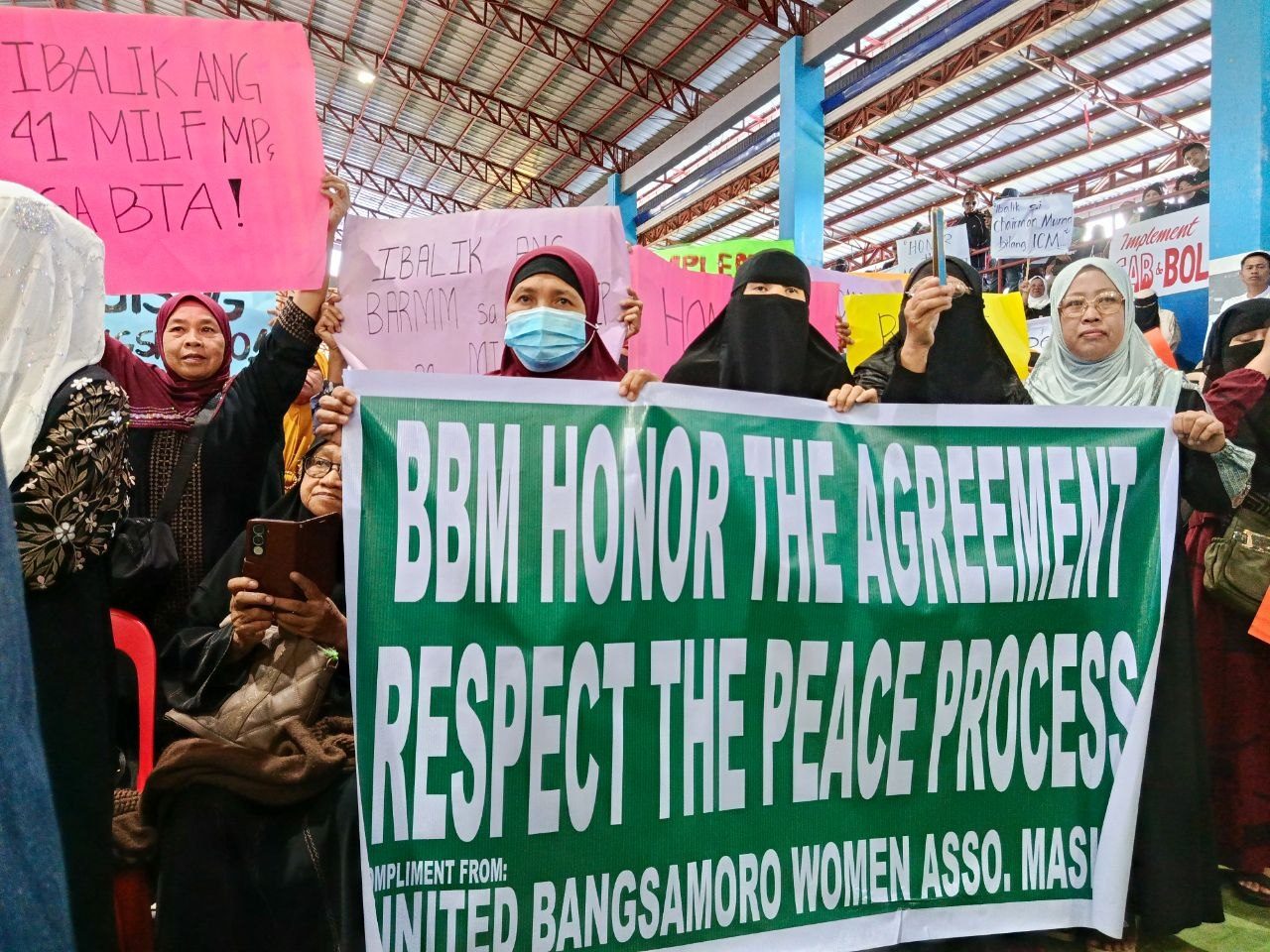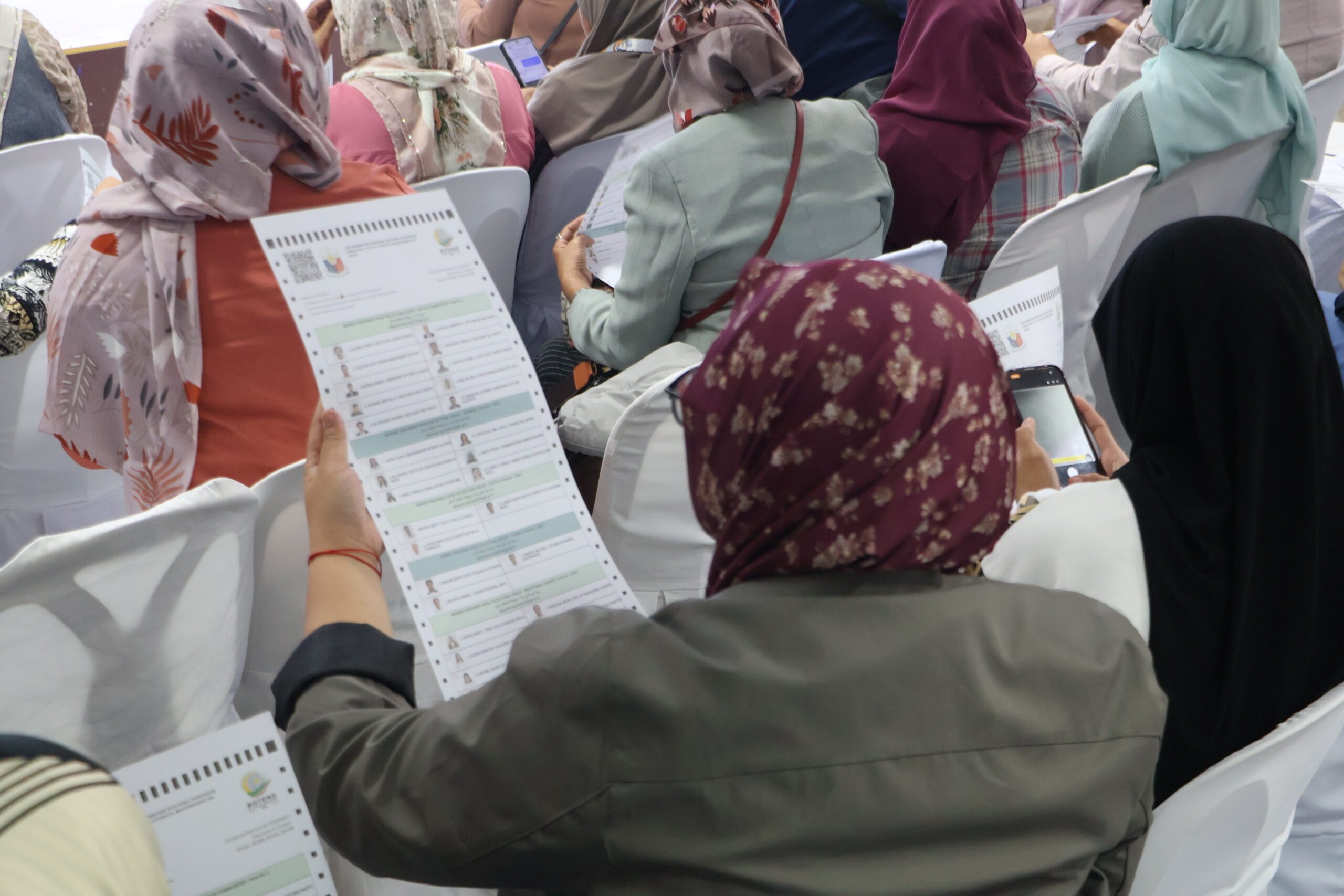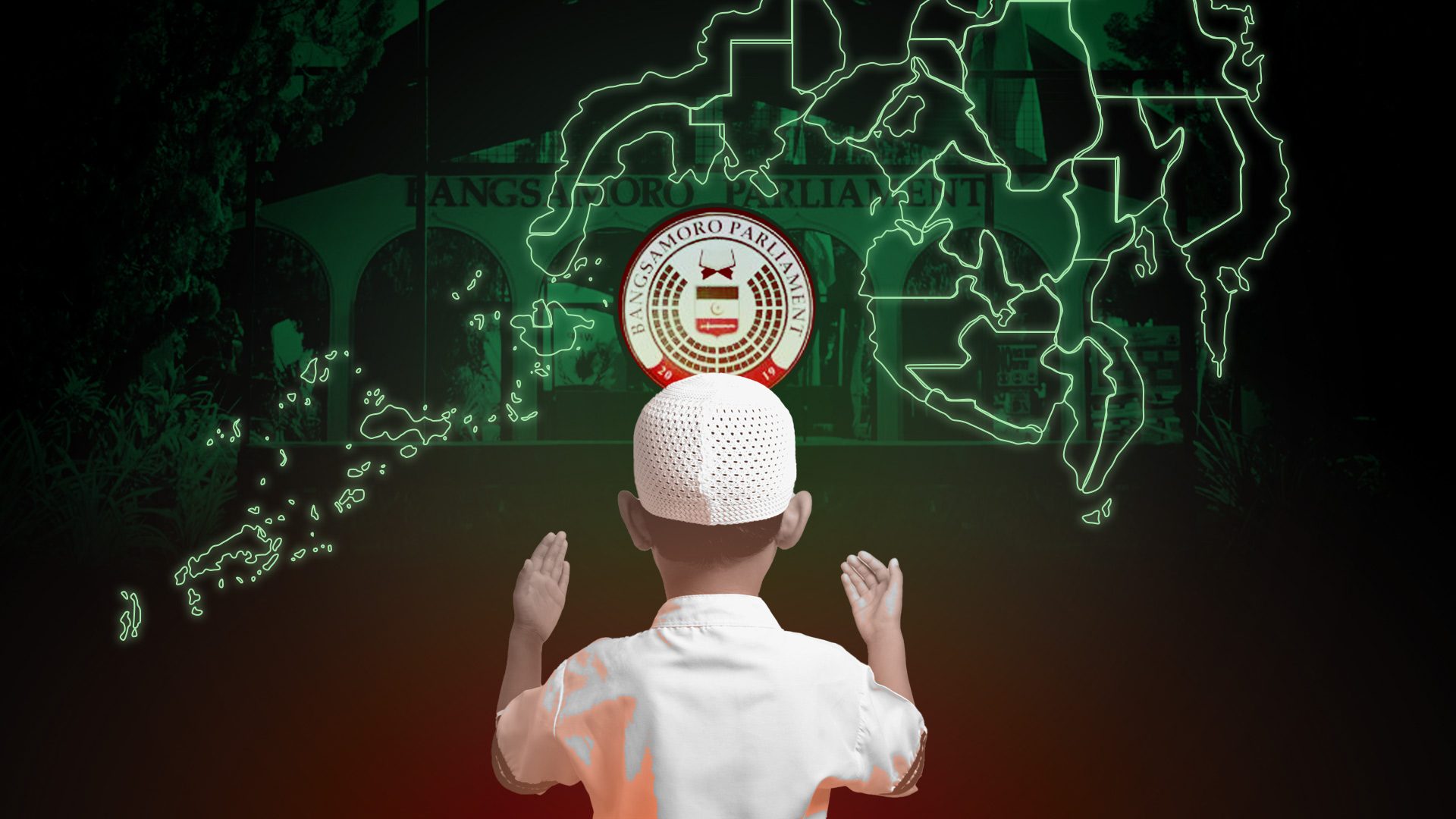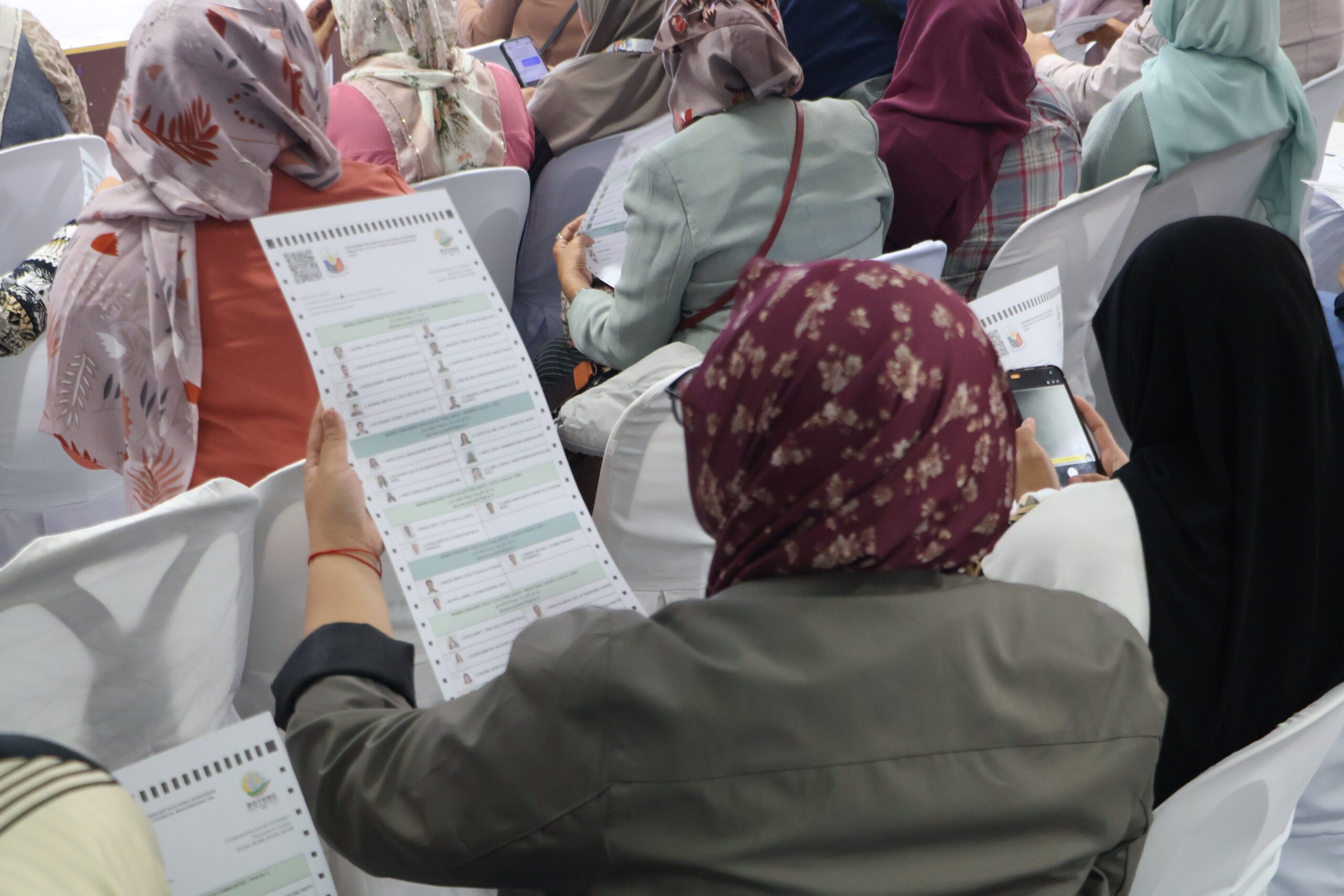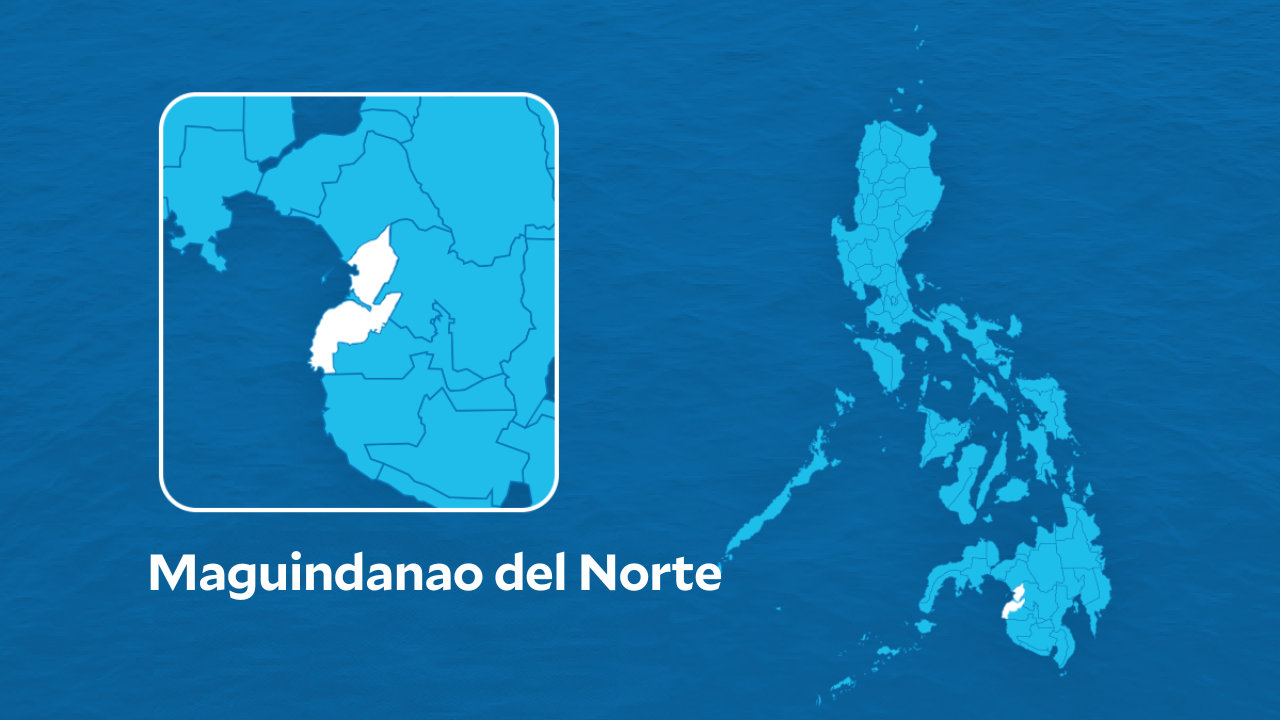
The Bangsamoro Autonomous Region in Muslim Mindanao (BARMM)’s first parliamentary elections, scheduled for September 14 after years of postponement, will complete one of the central political commitments under the Comprehensive Agreement on the Bangsamoro (CAB): the transition from an appointed government to an elected one.
This milestone, however, will not mark the end of the peace process writ large.
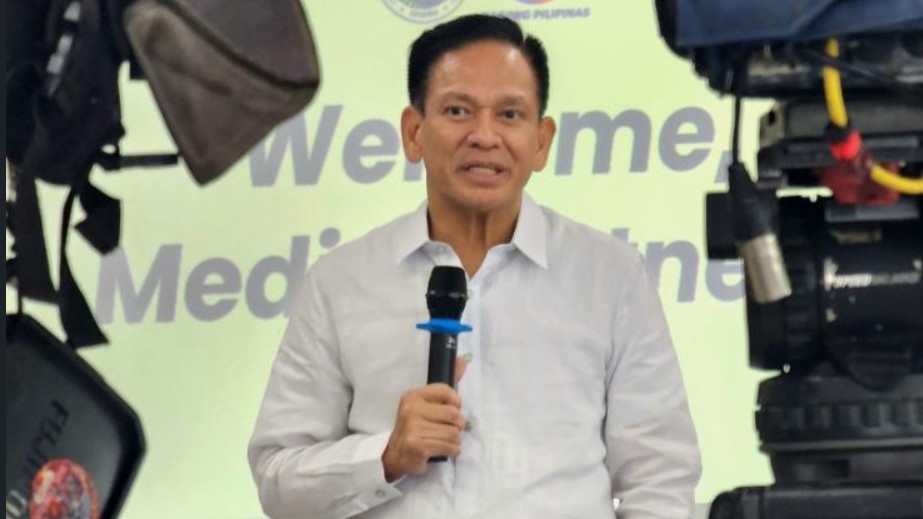
The appointment in mid-July of a new chair of the Philippine Government Peace Implementing Panel illustrates why the implementation of the CAB remains an ongoing political process. After months without a permanent government counterpart to the Moro Islamic Liberation Front (MILF), a vacancy that had prompted the MILF to temporarily pause some peace process engagements, the appointment restored the principal bilateral mechanism responsible for implementing the CAB. More importantly, it signals that the difficult work of implementing the agreement will continue long after the ballots are counted.
Earlier this year, I argued that the elections would test the Bangsamoro peace process. That remains true, but just as important is the question of what comes after them. The remaining commitments under the CAB, including the completion of the decommissioning of combatants, the socioeconomic transformation of war camps, the dismantling of private armed groups, and transitional justice, still require sustained cooperation between the Philippine government and the MILF regardless of who wins the elections.