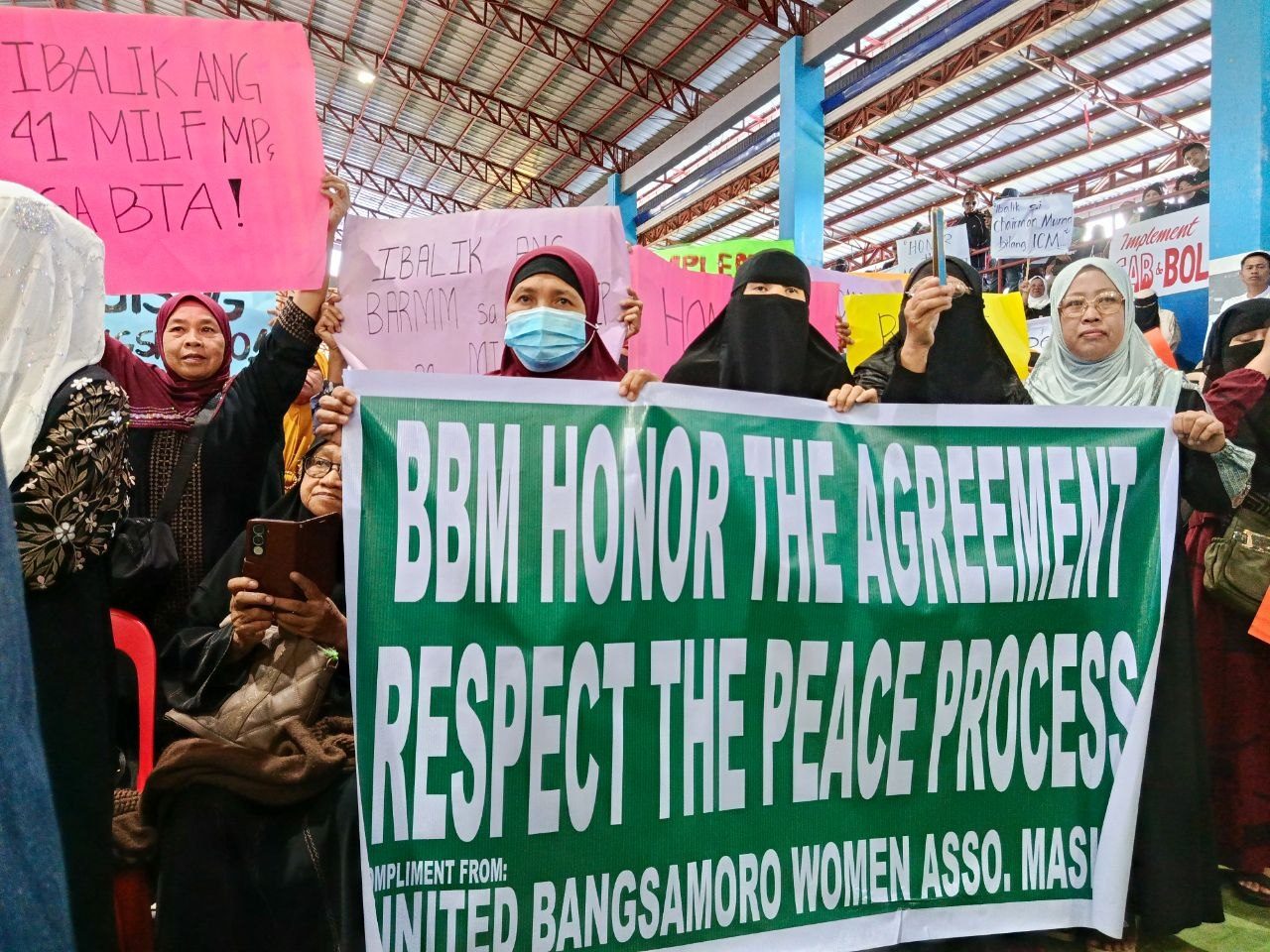
LANAO DEL SUR, Philippines – Years after the government and the Moro Islamic Liberation Front (MILF) began negotiating an end to one of the country’s longest-running insurgencies, tensions are mounting in the Bangsamoro over what supporters of the peace process describe as a steady erosion of the landmark 2014 peace accord that ended decades of armed conflict in Mindanao.
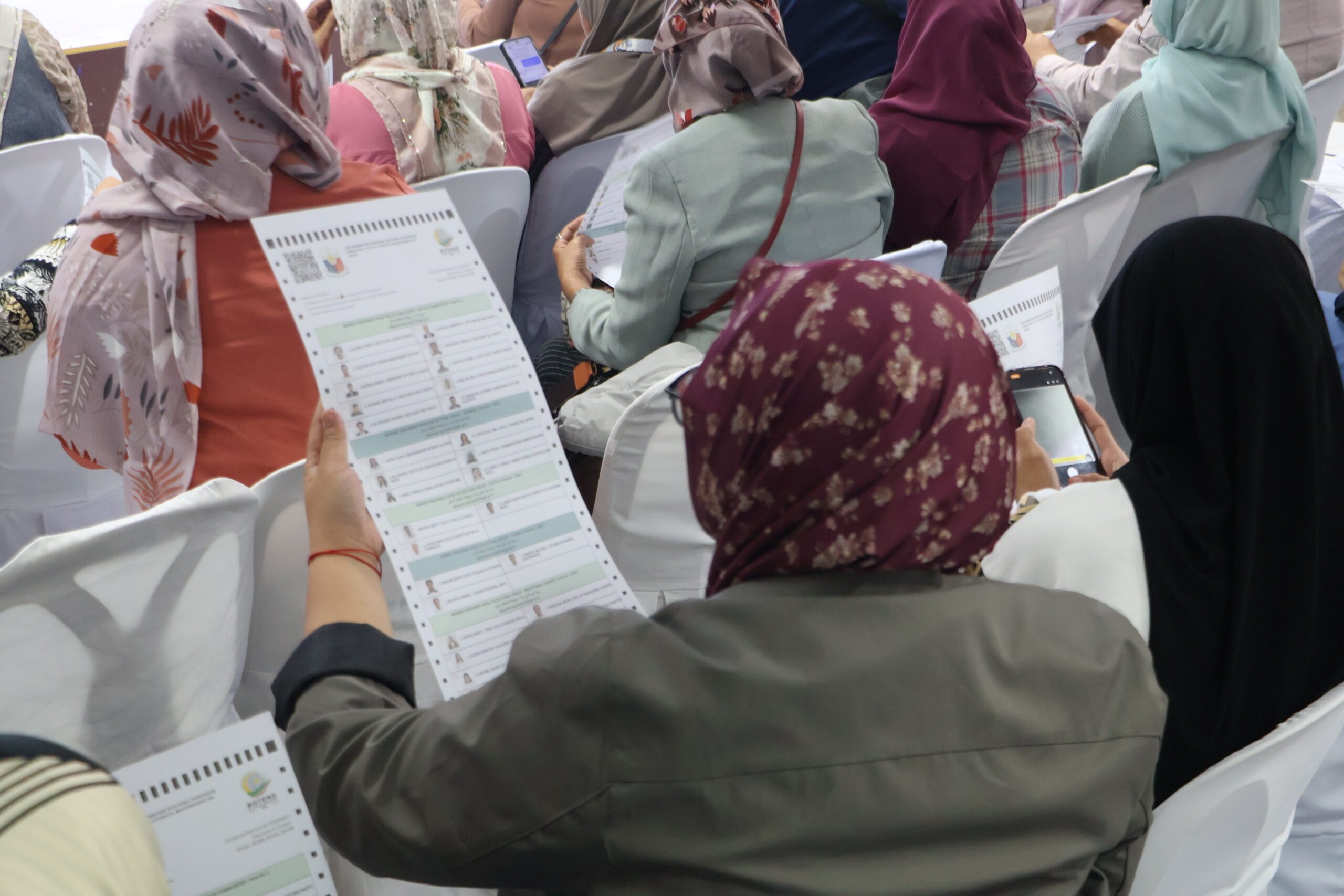
With the Bangsamoro Autonomous Region in Muslim Mindanao (BARMM) preparing for its first parliamentary elections in September, political disputes over leadership, power-sharing, and the implementation of key provisions of the agreement are raising fears that hard-won gains could begin to unravel.
The concerns extend beyond the electoral contest itself. Peace advocates, academics, and former rebel leaders say a series of government decisions over the past two years – including changes in the Bangsamoro leadership, delays in filling key peace process posts, and what they describe as deviations from the agreement’s political and normalization commitments – have weakened confidence in the Comprehensive Agreement on the Bangsamoro (CAB), the blueprint that paved the way for the region’s self-rule after decades of conflict.