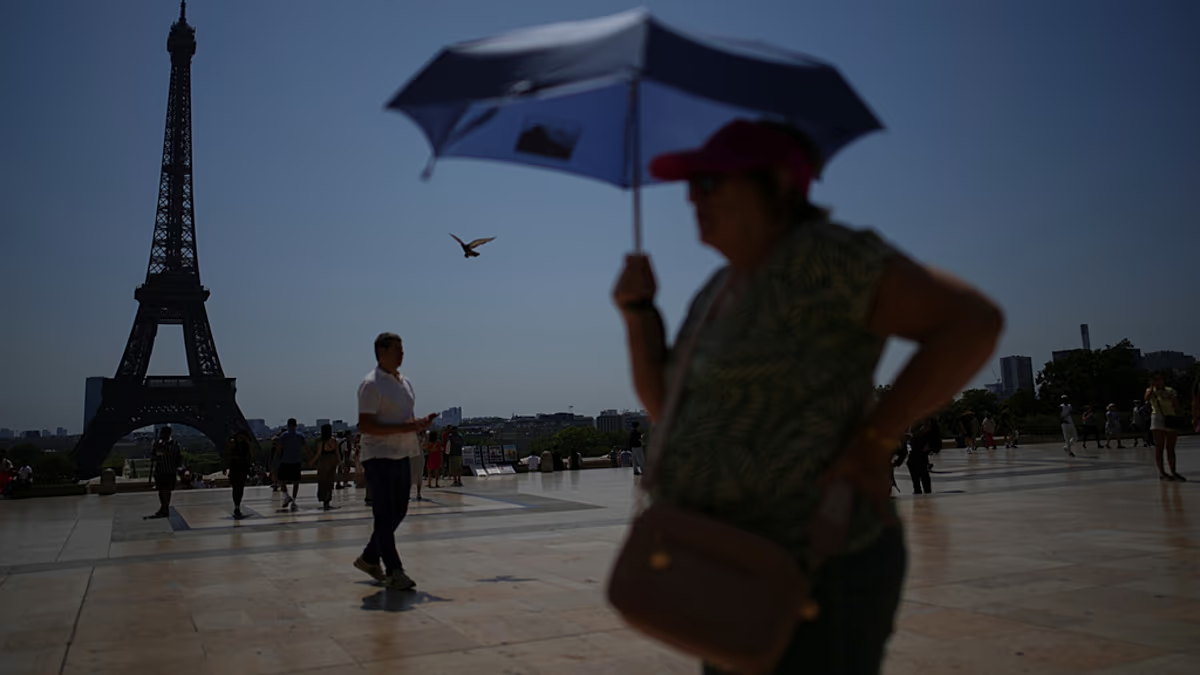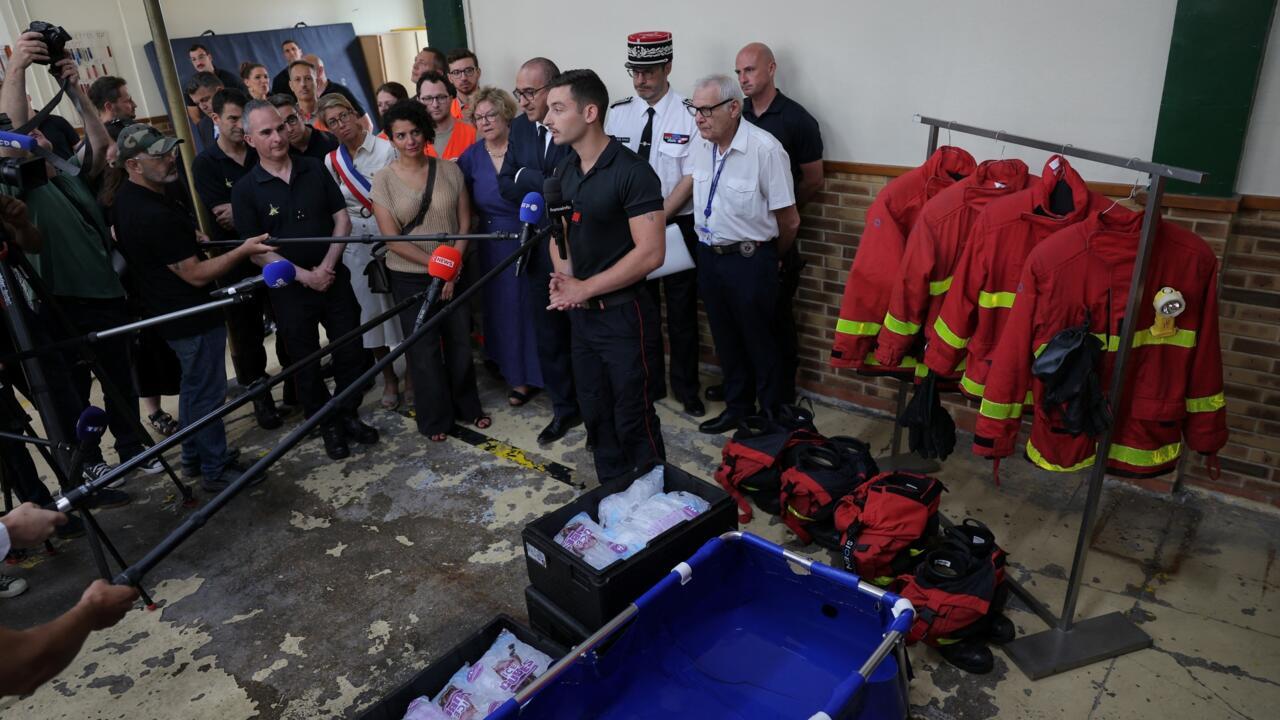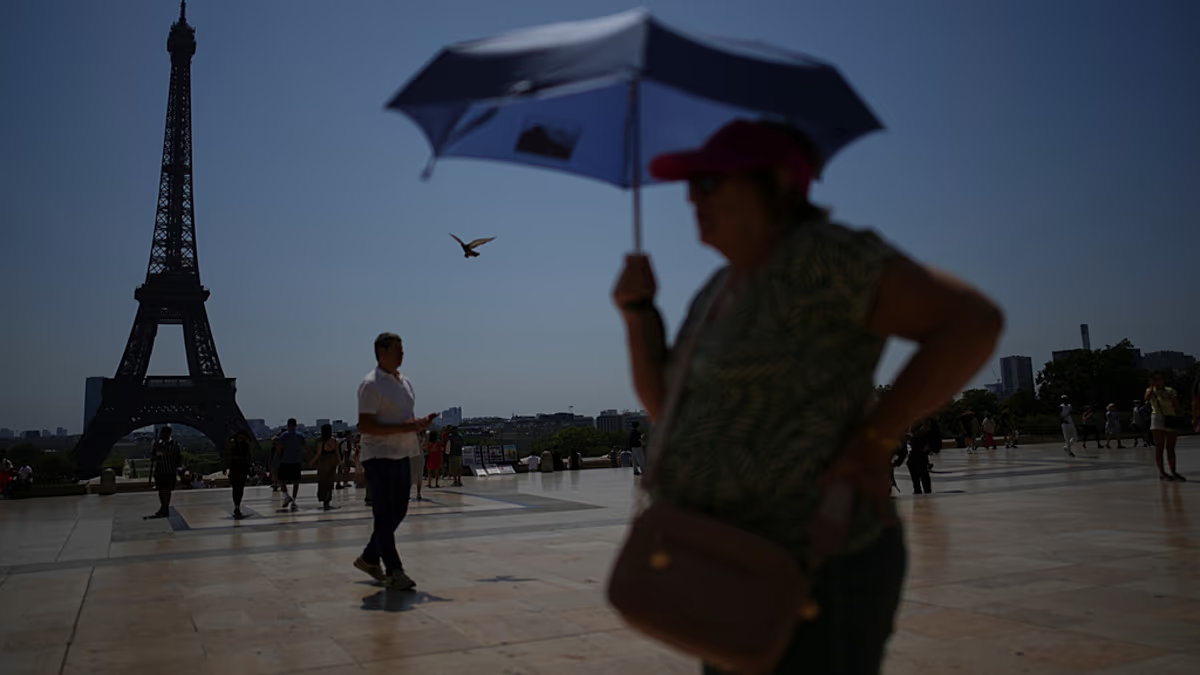
Repeated heatwaves in France are taking a toll on people's lungs, doctors say, with young patients with no prior respiratory issues increasingly being admitted to hospital, a leading pulmonologist has told RFI.
"Extreme heat causes the bronchi to constrict. This bronchoconstriction leads to breathing difficulties," Professor Colas Tcherakian, a pulmonologist and consultant at Foch Hospital near Paris, told RFI. "You may feel unwell, even without having a respiratory condition." "With the succession of heatwaves, we are learning that anyone can end up in hospital with a respiratory infection," Tcherakian added. "It has now been clearly demonstrated that, when a heatwave lasts more than three days, the risk of developing this type of infection increases by 70 percent: that’s enormous." Heat affects the range and circulation of bacteria, viruses, mould and other pathogens, while also reducing the body’s ability to fight infection. "The first effect is that it inhibits our immune defences, which function less effectively above a certain temperature," Tcherakian said. "We become less able to defend ourselves against infection." Record June heatwave sees France record 'unprecedented' 5,764 excess deaths Heat also interferes with the development of a protein known as CFTR, which helps the body regulate fluid and electrolyte levels. In the lungs, it plays an important part in controlling the thickness of mucus. That mucus normally traps infectious agents, dust and pollution before being moved out of the bronchial tubes by tiny hair-like structures. When it becomes too thick, it can no longer perform that function properly. "All of this accumulates in the lungs, along with bacteria, viruses and an immune system that isn’t functioning properly," Tcherakian said. "Ultimately, this leads to more frequent lung infections." Up to 10 million people in France have a respiratory condition such as chronic obstructive pulmonary disease, pulmonary fibrosis or lung cancer. Heat can quickly make breathing more difficult for them and increase the risk that their condition will worsen. Children under 15, people over 75 and women are also more sensitive to heat, Tcherakian said. France heatwave overwhelms hospitals and forces Pride march delay Heat and pollution High temperatures are not the only danger. Heatwaves generally occur during periods of strong sunshine and increased road traffic pollution, creating higher concentrations of ozone. Sunshine, heat and exhaust fumes combine to produce the gas, which irritates the respiratory system. People are therefore exposed to both the direct effects of heat and increased air pollution. France has experienced a sharp rise in emergency admissions during its recent heatwaves, particularly among older people. But the number of younger patients with respiratory infections has also surprised doctors. "I was extremely surprised by the frequency of respiratory infections in people I wouldn’t have expected: young people with no risk factors being hospitalised for infections," Tcherakian said. "I also saw a patient hospitalised with flu at this time of year, which points to quite significant changes in viral circulation and susceptibility to infections." Recent heatwaves appear to be affecting a different range of patients from those seen during previous episodes. "These heatwave episodes are really very different from what we’ve seen before," Tcherakian said. "This is probably due to better management of patients who are already vulnerable. But we’re still seeing a change in the profile of people affected during heatwaves."