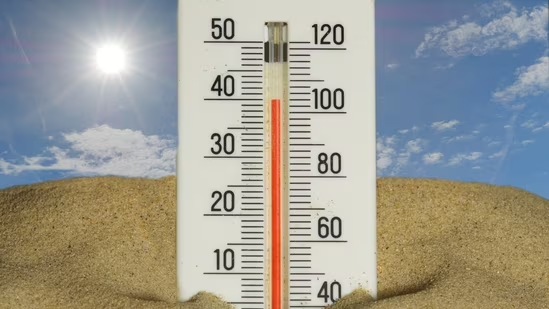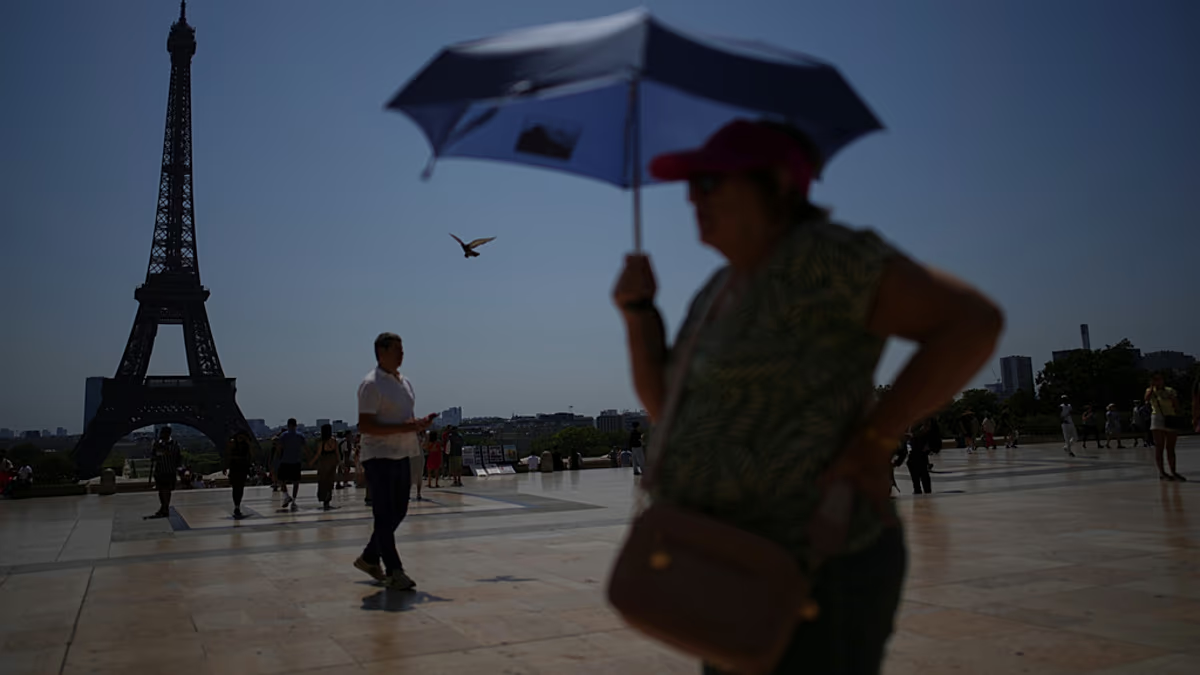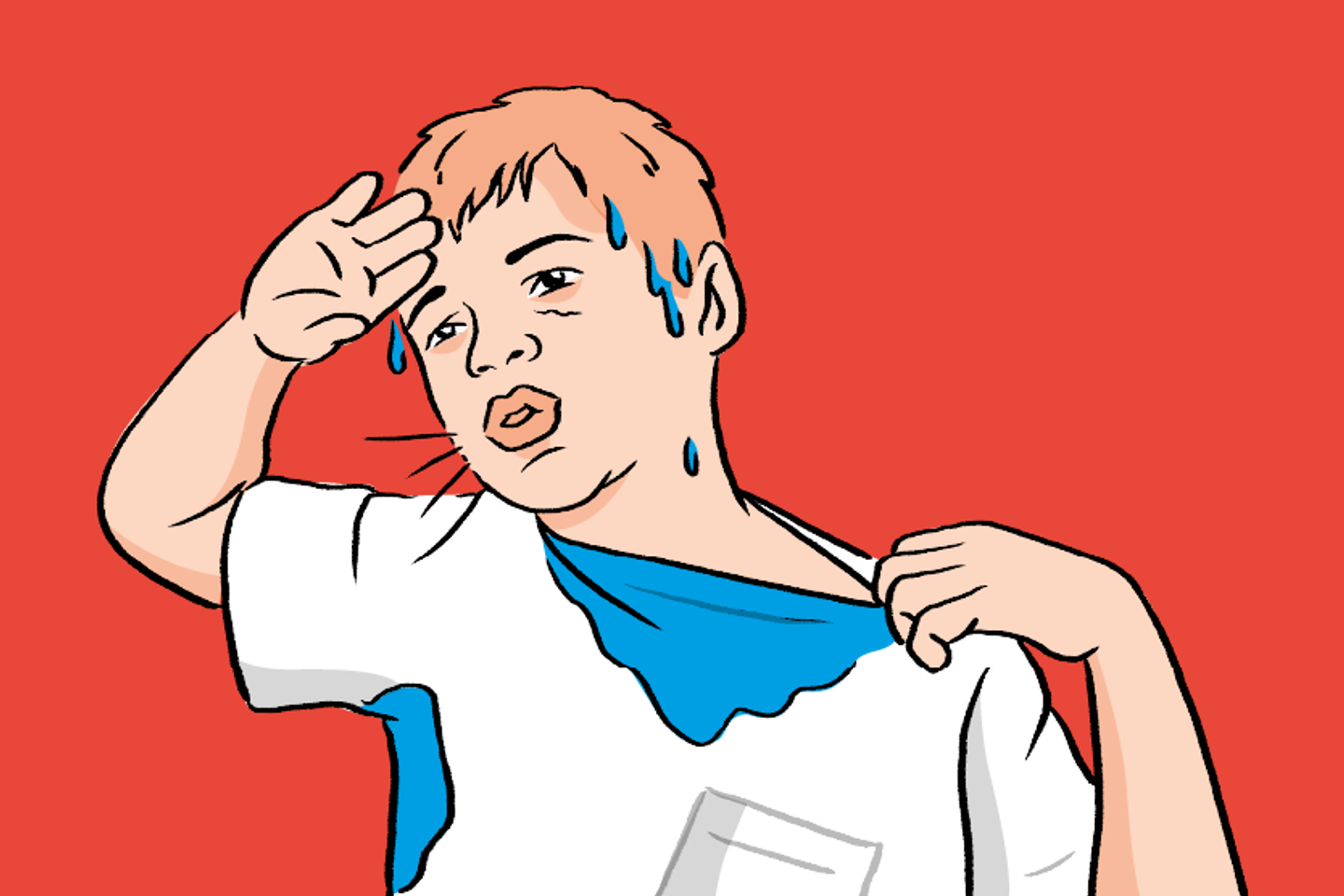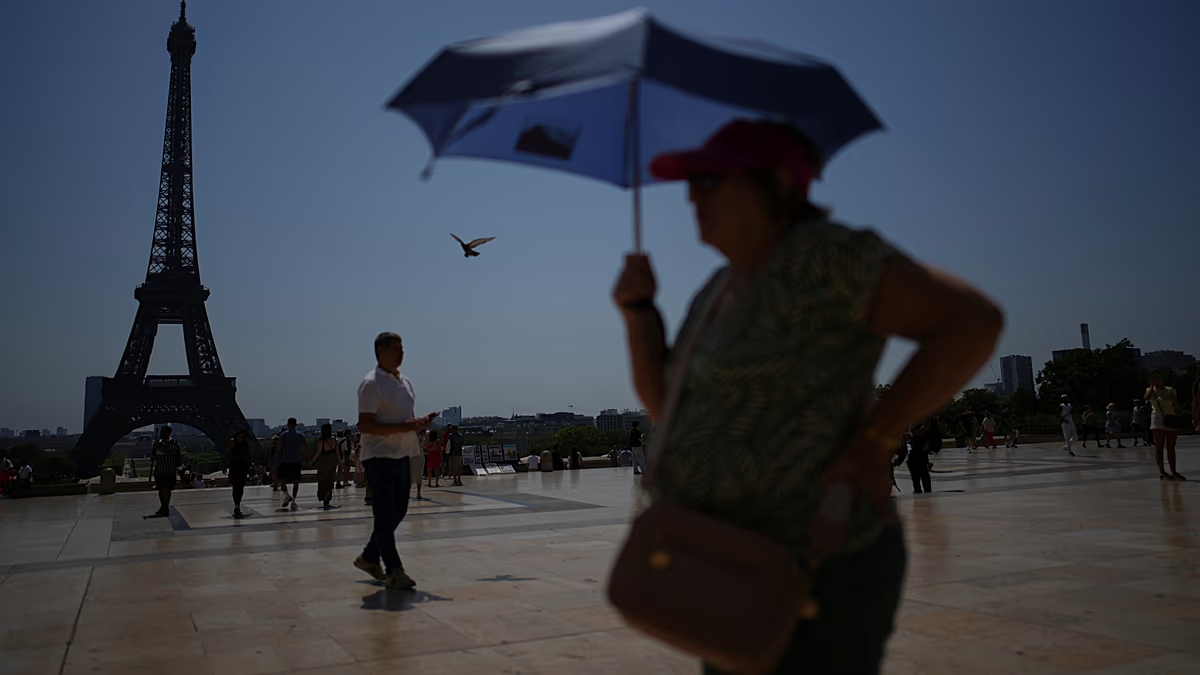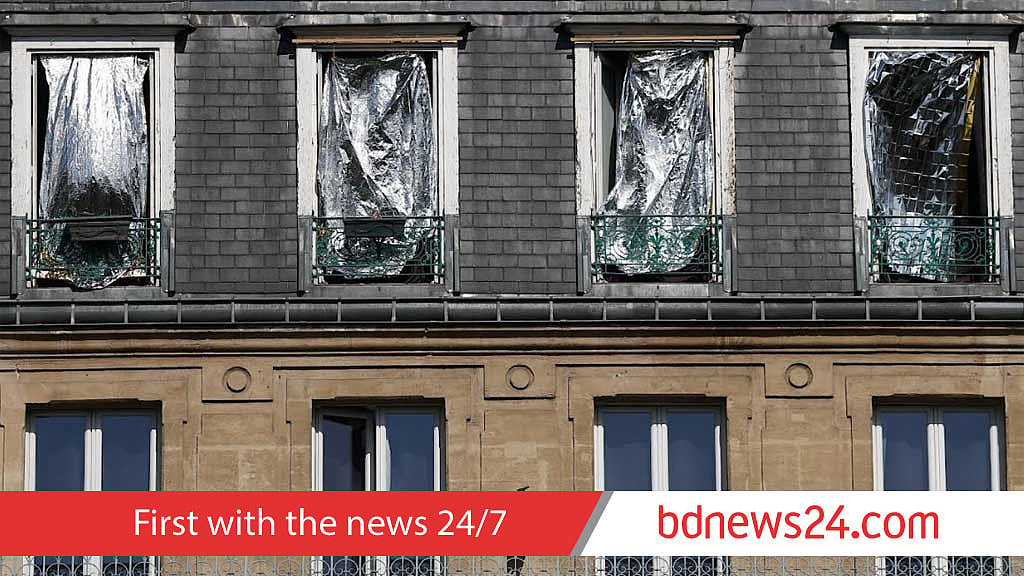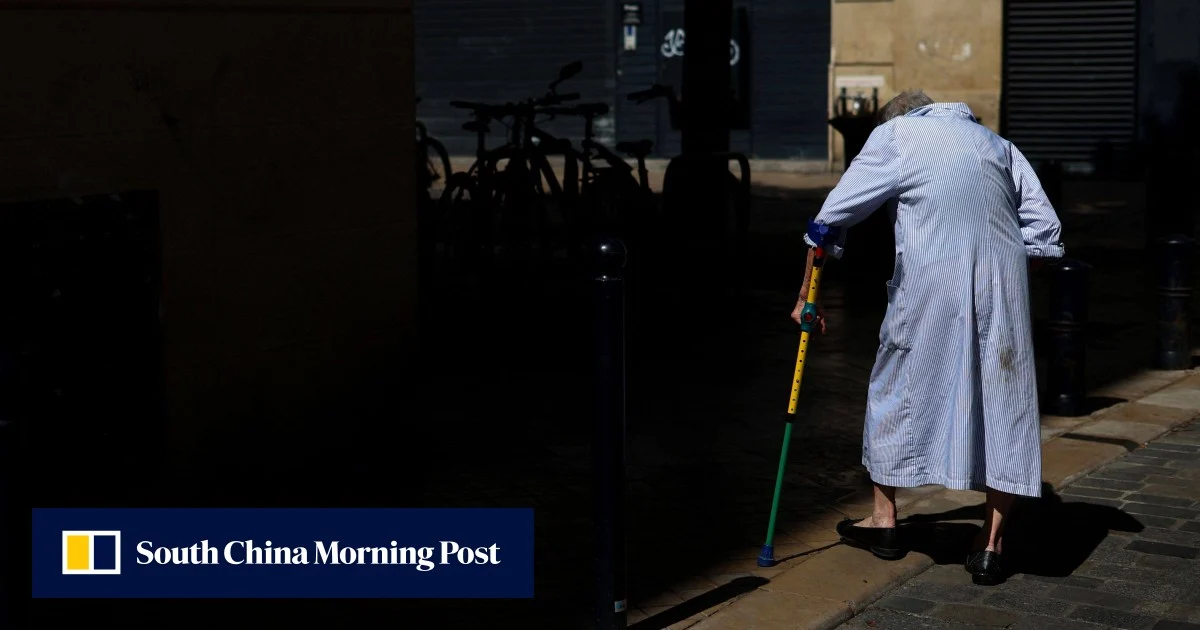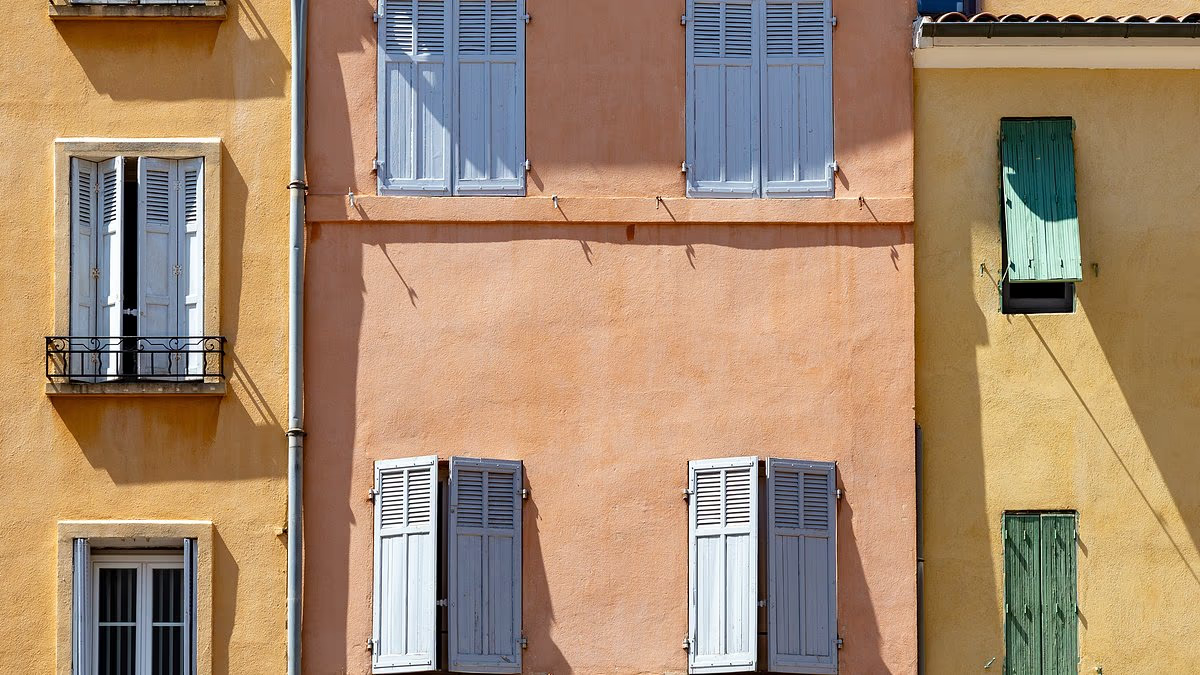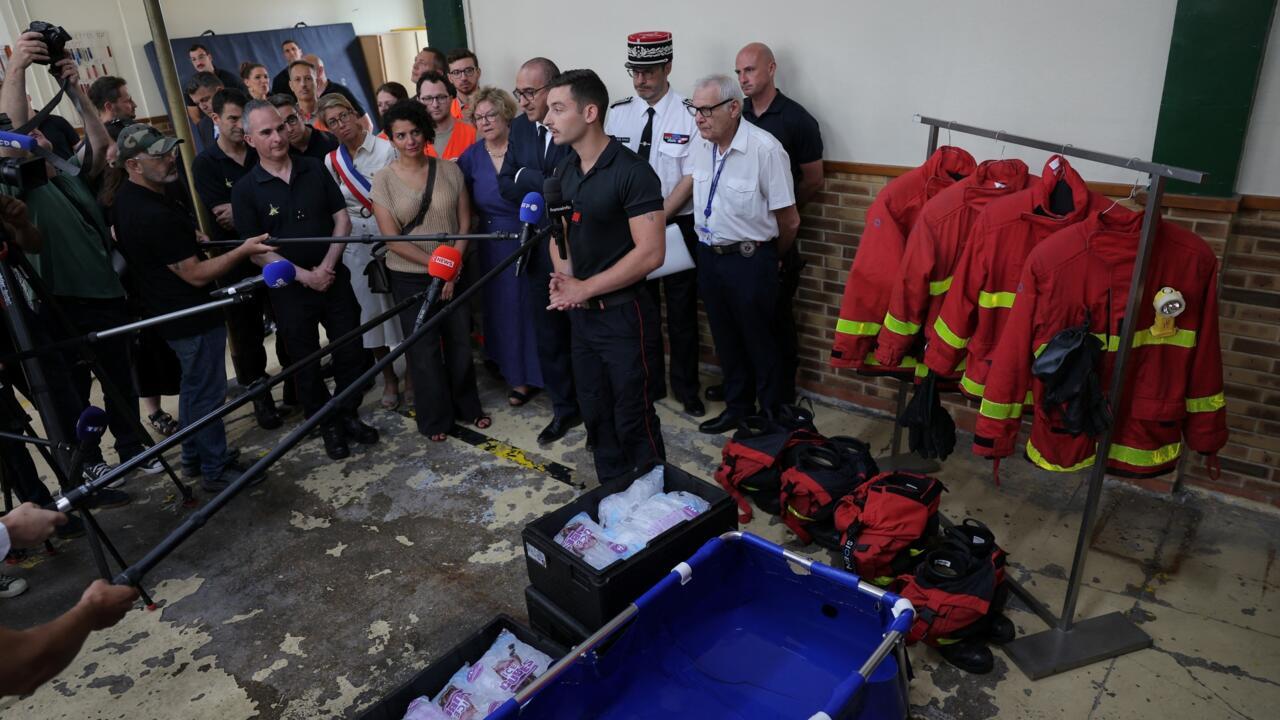
Europe has been baking for weeks. An intense and prolonged early summer heatwave has left people across the continent sweaty, sleepless and at risk of real damage to their health. Parisians enjoyed some relief over the weekend as thunderstorms and cooler winds brought temperatures down to somewhat bearable levels. Yet the true human toll is only beginning to become clear. Preliminary data on fatalities is beginning to trickle out, with France’s national health agency tallying 1,000 more deaths than expected from June 24. The toll is expected to climb in the coming days. Some 85 percent of the dead were people aged 65 and over: the elderly are among the most vulnerable populations to extreme heat. At least 40 more people in France died from drowning as people turned to canals, rivers and open bodies of water for a brief respite from the summer heat.
To display this content from YouTube, you must enable advertisement tracking and audience measurement.
One of your browser extensions seems to be blocking the video player from loading. To watch this content, you may need to disable it on this site.
Cover image: © France 24
The situation was so dire that even mortuaries and funeral homes said they were overwhelmed and overburdened by the spike in fatalities. The head of the National Funeral Federation said that occupancy at funeral homes was more than 66 percent nationwide; a significant jump from the normal 30 to 45 percent. Two funeral homes in central Paris have been at full capacity since Friday. The issue has also been heavily politicised – by critics on France’s left and right admonishing the government's response, or lack thereof. French Prime Minister Sébastian Lecornu on Monday defended the state stance at a meeting, saying that the official measures had "held up well". Unfortunately, the situation in France is expected to worsen, as this is unlikely to be the last heatwave of the summer. Temperatures are expected to rise again early July, and Paris will feel the burden. Cities tend to be more vulnerable to extreme heat because of a phenomenon known as the urban heat island, which sees significantly warmer temperatures pool in urban zones compared to surrounding rural areas, primarily due to human activities and dark, heat retaining surfaces like asphalt and concrete. Read moreParisians are most at risk of dying in European heatwaves The idyllic summers long enjoyed by many Europeans may be a thing of the past. Europe is warming at roughly twice the global average rate. Scientists haven’t come to a consensus on why, although they say it is almost certainly fuelled by climate change caused by human activity. Extreme heatwaves are becoming the new normal – so much so that a recent study even posited that Europe’s climate may have permanently changed. In France, this isn’t just a question of comfort, but a public health issue. Adapting to the new normal Epidemiologist Antoine Flahault, who works at Bichat hospital in northern Paris, said that the conditions at his facility were far better than most healthcare centres in the rest of the country simply because it had air conditioning. “Most of the hospitals beds are not equipped with air conditioning,” he said, referring to the many hospitals in France that do not have this basic facility. Flahault added that air conditioning in hospitals could reduce mortality during heatwaves by at least 40 percent. “I think it’s a consensus now among most of the political parties that we need this equipment, this air conditioning” in hospitals, schools and aged care facilities, he said.