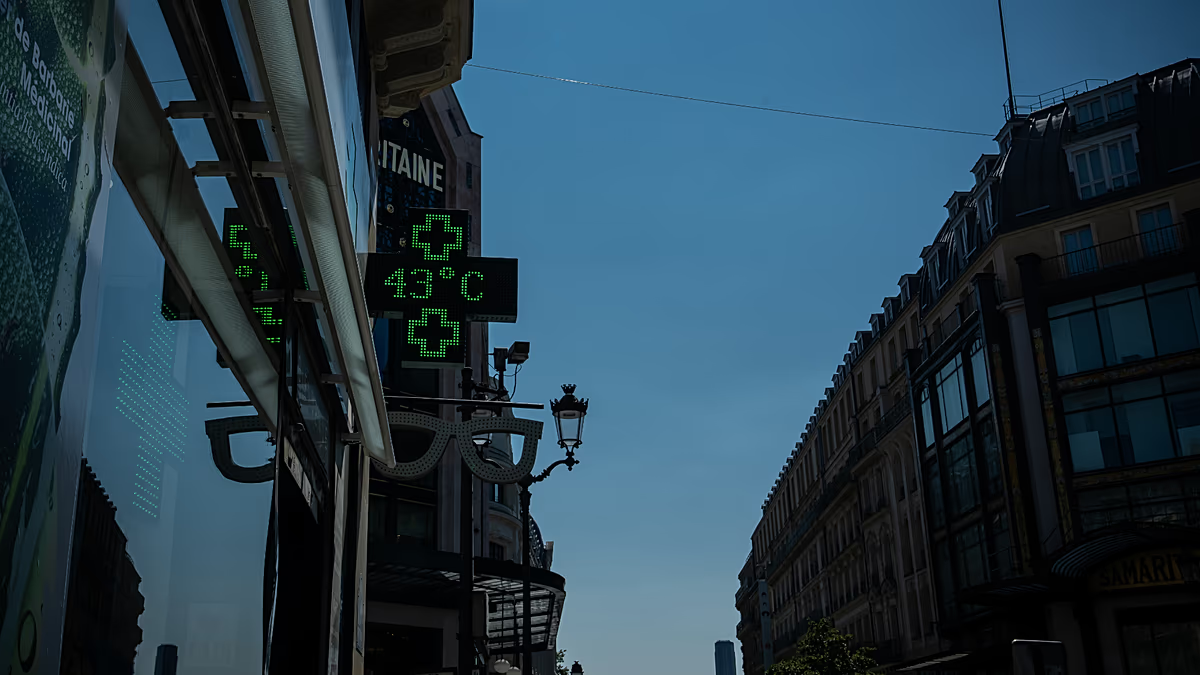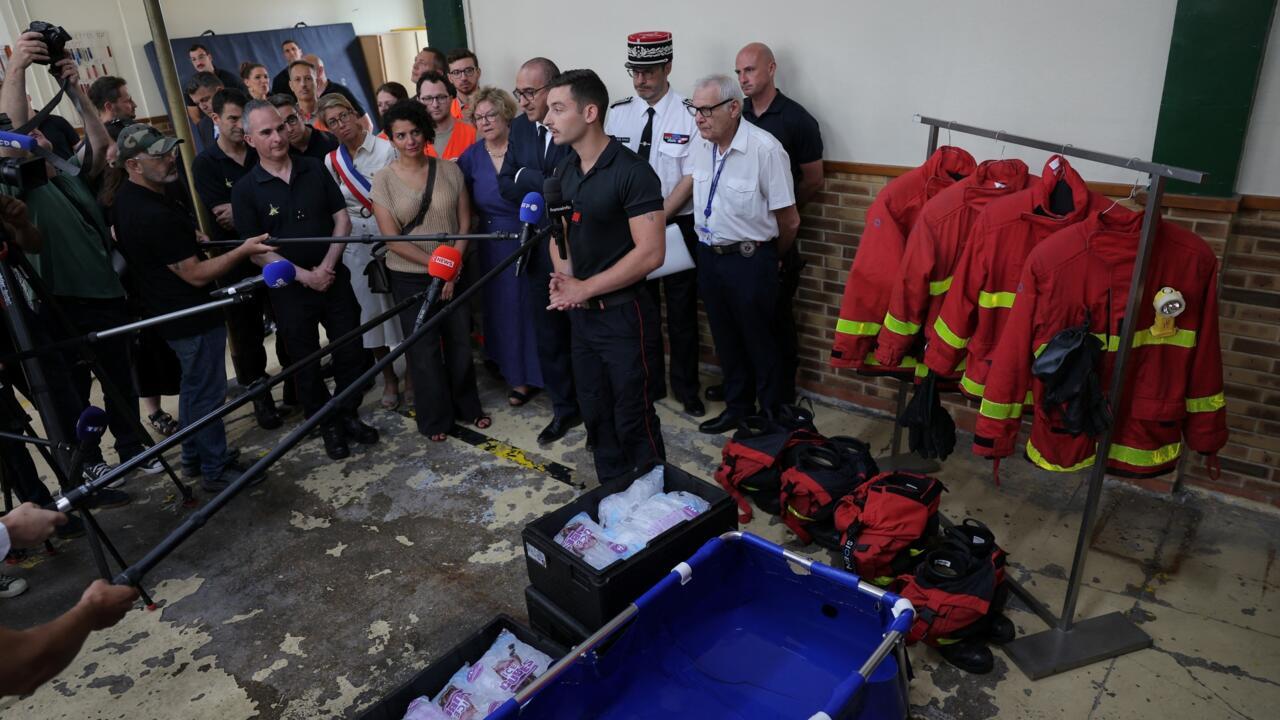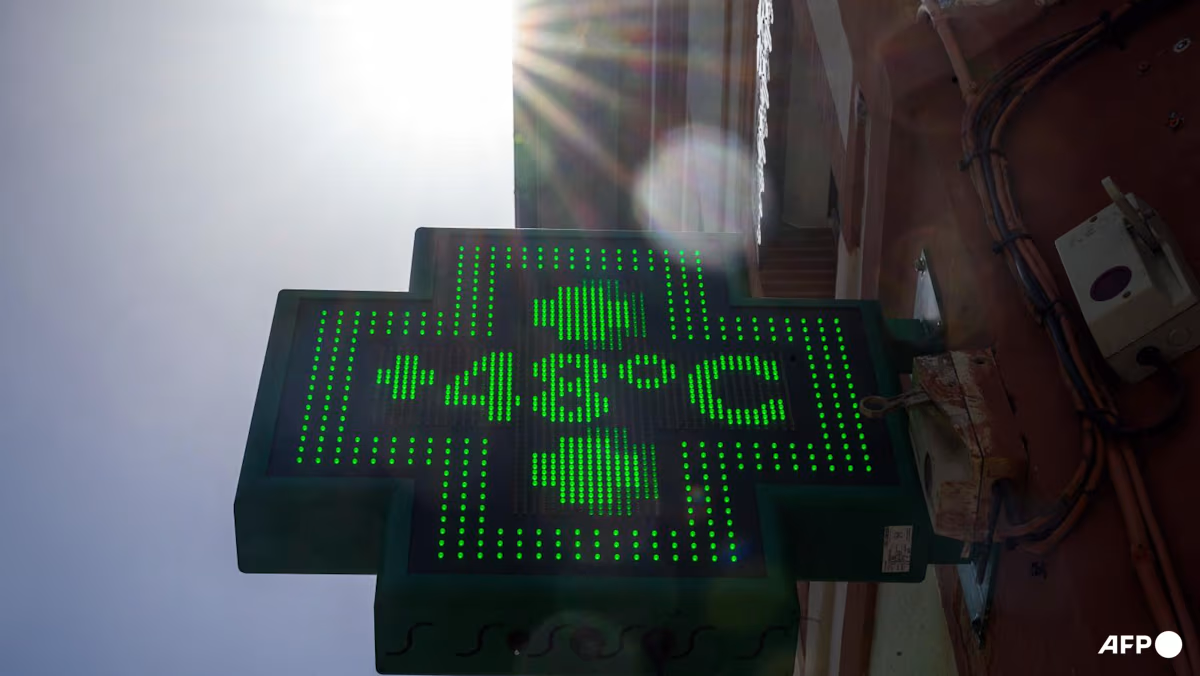
As France experiences its latest heatwave, residents of urban "heat islands" – dense neighbourhoods with few trees or green spaces – are suffering acutely in the high temperatures, and local authorities are searching for solutions.
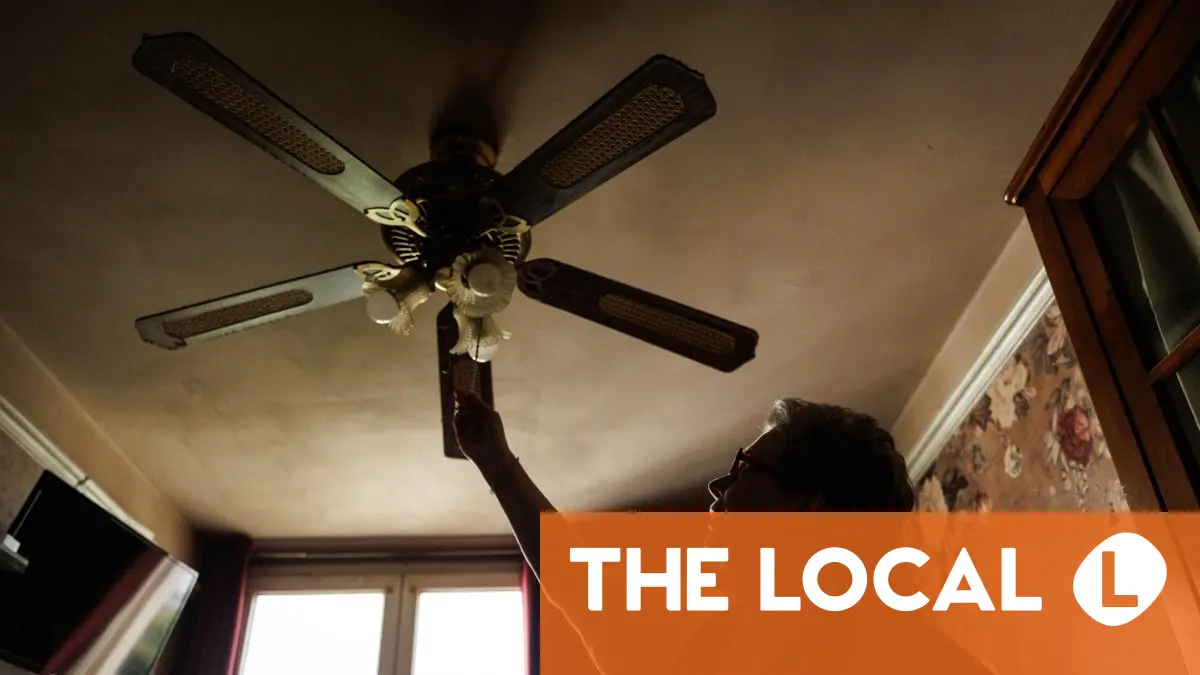
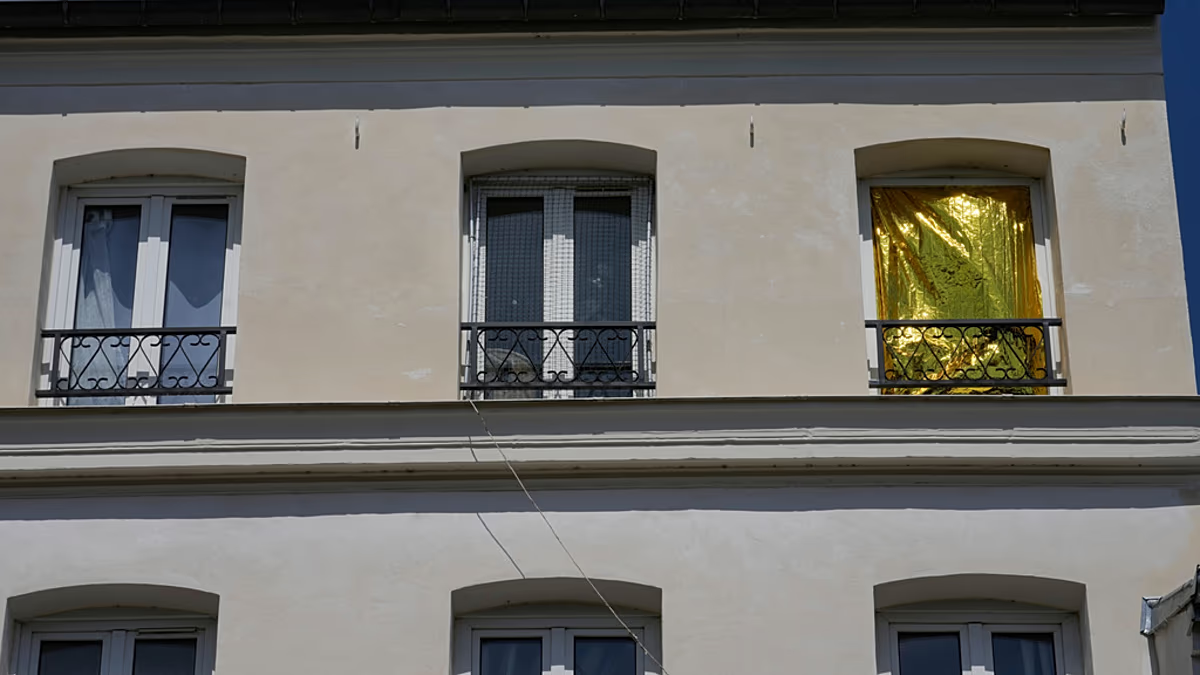
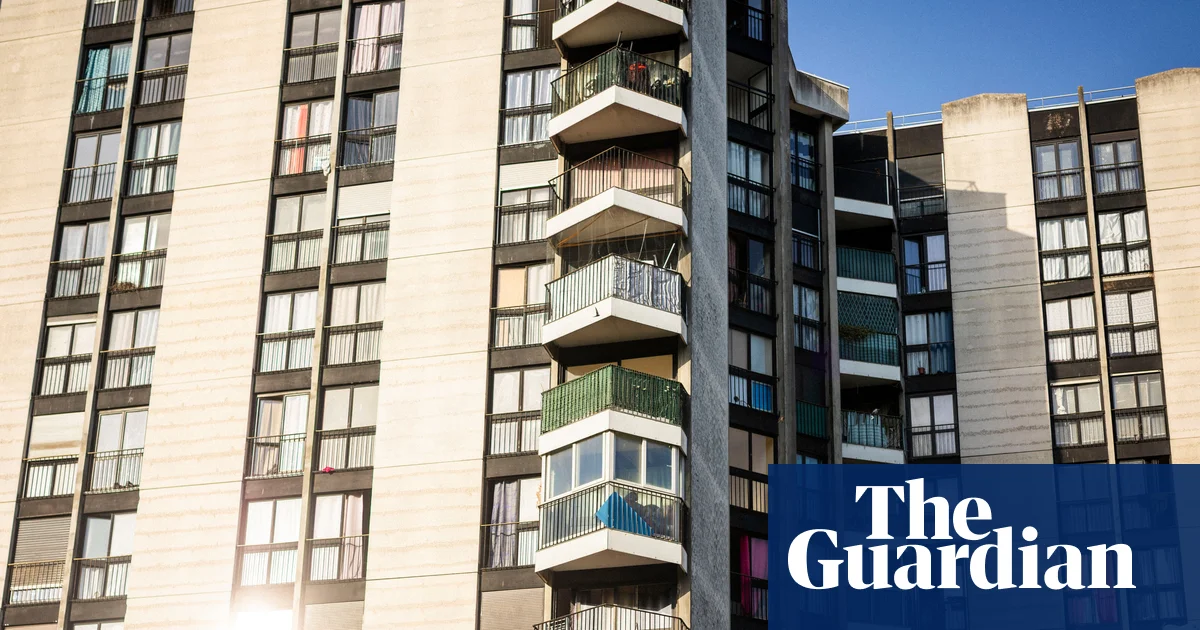
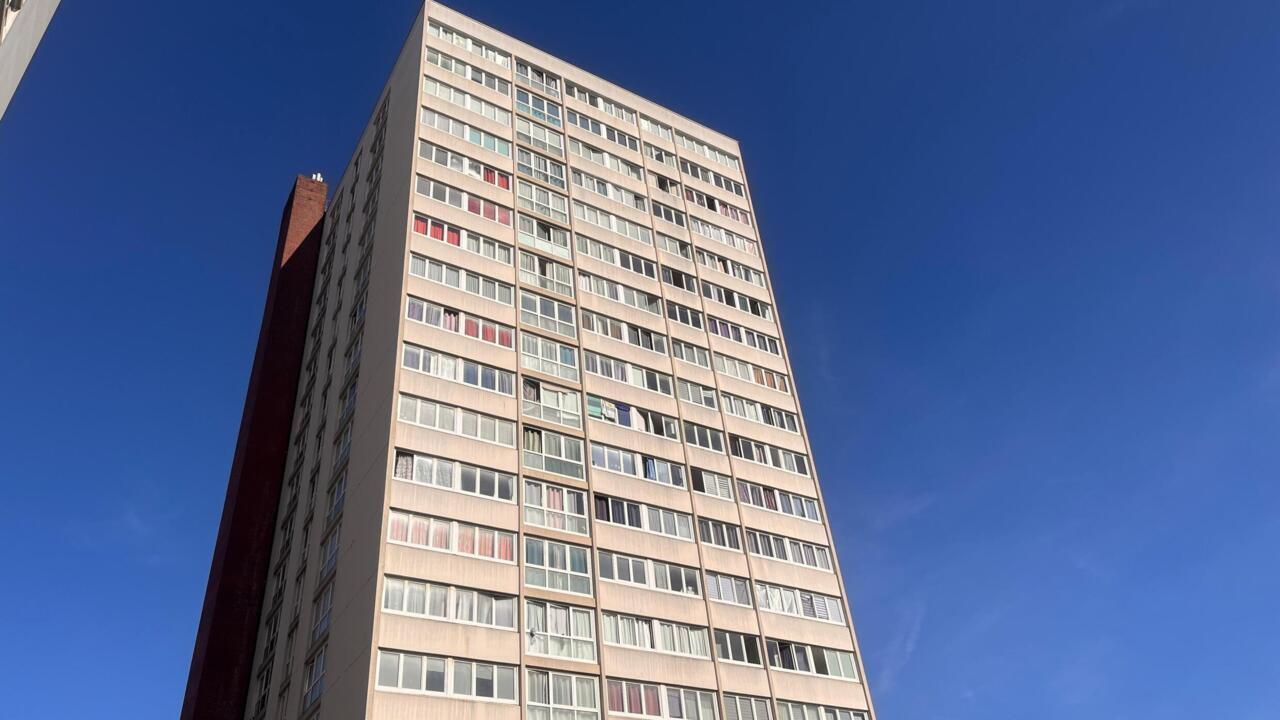
Nadia lives in the town of Aubervilliers, just north of Paris. At noon, she returns from her night shift at the hospital. Upon arriving at her apartment building, in a public housing complex built in the 1970s, she takes the only one of the four lifts still in service. As she opens the door to her apartment, the heat that escapes is in stark contrast to the relative cool of the hallway. All the windows in Nadia's apartment face the street and, she tells RFI: "The sun beats down from 7am until 7pm." As France experiences its fifth heatwave since May, the situation is becoming particularly difficult for people like Nadia, who live in urban heat islands like Aubervilliers, Saint-Denis and La Courneuve – all commuter towns just outside Paris. In these densely built-up neighbourhoods, characterised by concrete surfaces and a lack of vegetation and green spaces, asphalt absorbs sunlight during the day and traps heat, which is then slowly released after nightfall. Consequently, nighttime temperatures in these areas can remain high, while daytime heat is intensified. In Aubervilliers, after sunset, temperatures are up to four degrees higher than in neighbouring areas with lower building density.