Story audio is generated using AI
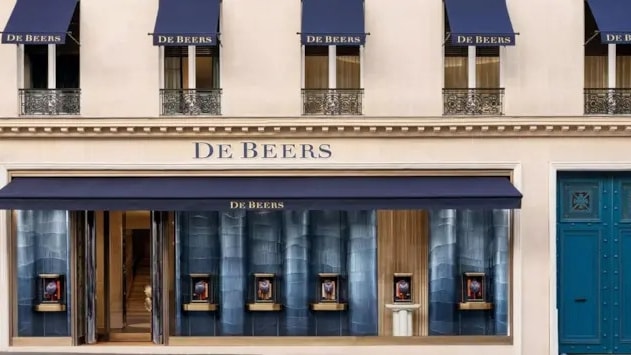
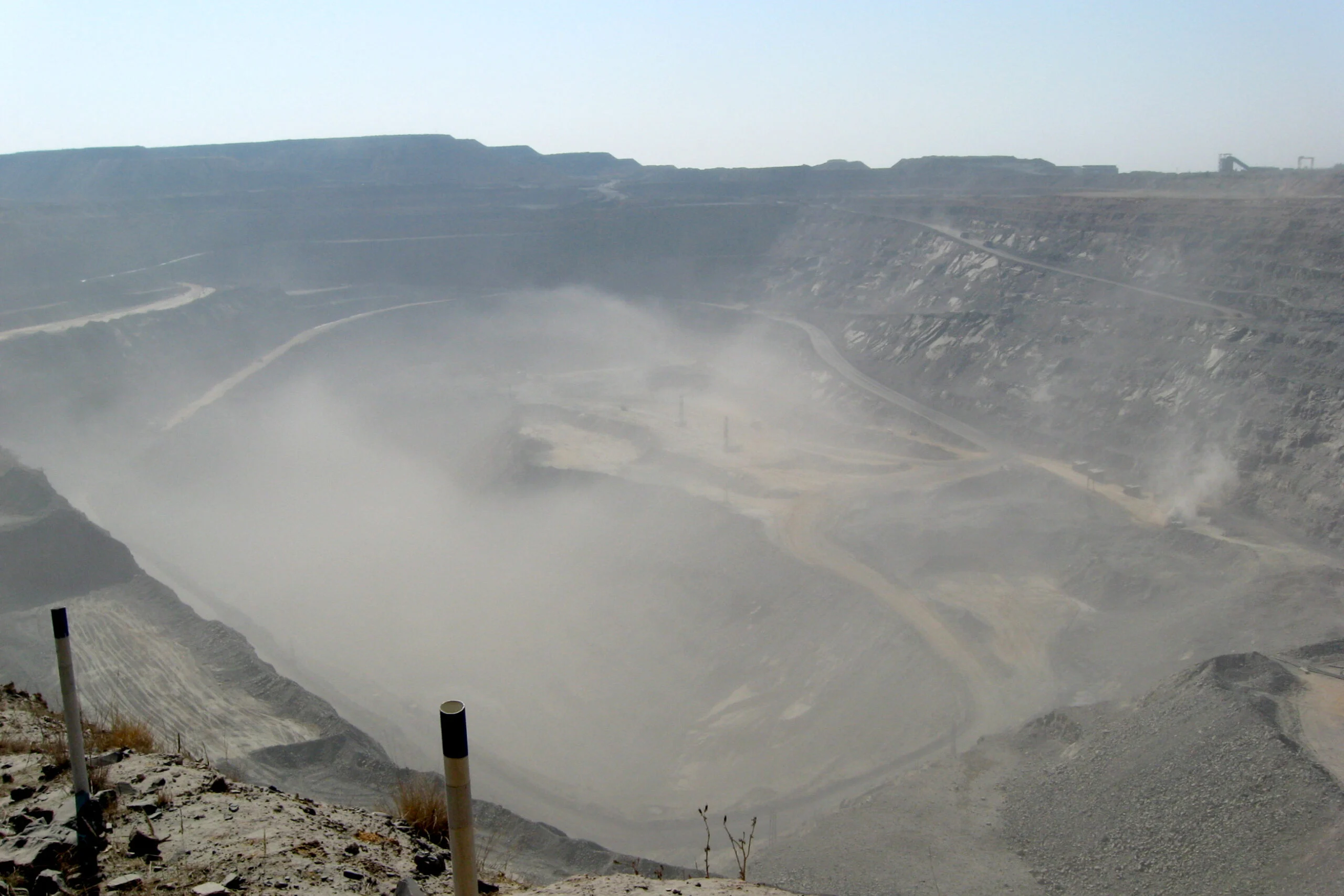
Anglo American has, for accounting purposes, reclassified De Beers as an asset not held for sale in its books, while retaining its intention to sell the business — a transaction that has dragged on for more than year as the diamonds industry faces an unprecedented structural shift as cheaper lab-made gems win favour with consumers.The group, which is looking to wrap up the deal for De Beers ahead of its mega copper-inspired merger with Canadian copper miner Teck Resources, in its financial statements said it has considered the progress with the De Beers divestment process, including the status of any negotiations with potential purchasers.“While the group remains committed to a divestment of the business, there remains considerable uncertainty around the timing, terms, legal structure and regulatory approvals for any such transaction. As a result, the business did not meet the criteria to be classified as held for sale as at June 30 2026,” a note in the financial statement reads.“The group has also considered the status of the divestment process when considering potential indicators of impairment or impairment reversal. (Dorothy Kgosi) “This assessment was performed alongside the latest internal valuation analysis, which, among other factors, considered the potential impact of De Beers’ recently announced portfolio and organisational changes and did not indicate a change in the underlying value of the various De Beers CGUs [cash-generating units].“While the divestment process may provide indicative values associated with the business, there remains significant uncertainty regarding the ultimate transaction terms, timing and outcome. Accordingly, the group has concluded that neither the current status of the divestment process nor the results of the internal valuation analysis were deemed to be an indicator of impairment or impairment reversal as at 30 June 2026.”The mining major has impaired more than $3bn of De Beers value over the past two years. To save costs, De Beers this month said it will halt production at Venetia, its only South African mine, for the next two years to cut costs.While the divestment process may provide indicative values associated with the business, there remains significant uncertainty regarding the ultimate transaction terms, timing and outcome. — Note in the financial statement.Venetia, the diamond giant’s only mine in South Africa, employs about 3,500 people and accounts for about a tenth of the group’s output. It is the biggest diamond supplier by value in South Africa, accounting for 40% of production.Anglo CEO Duncan Wanblad told Business Day that the group was confident that De Beers’ sale would go through despite the obstacles.“We are making very good progress in the trade sale process. We still have a number of buyers that are interested in the business. The uncertainly the note in the financial statement refers to is that we have all the potential buyers in the form of a consortium, in one way or the other,” Wanblad said.“There is also an enormous amount of alignment between the consortium’s partners that needs to happen. We also have the government of Botswana that has a right of first refusal. So technically we can’t be certain that this deal is going to happen any time soon. However, we continue to make progress.” De Beers’ interim results show revenue plunged $400m in the six months ended June to R1.6bn, compared with the previous period driven by lower rough diamond sales of $1.3bn, down from the $1.7bn reported in the prior period.The diamond producer warned that rough diamond trading conditions are expected to remain challenging, particularly in lower-value categories.“In China, trading conditions remain muted with no significant recovery expected in the near term. Retail prices for synthetic lab-grown diamonds continue to fall and competition is expected to put further pressure on margins over time,” De Beers said in a statement.“The growing price gap is expected to support consumer understanding of the differences between natural diamonds and synthetic lab-grown diamonds, further establishing them as two separate product categories.”