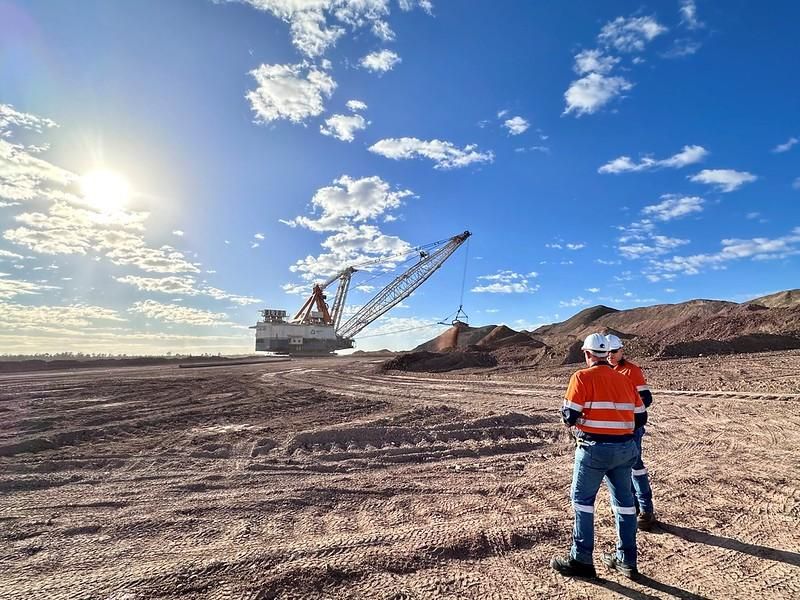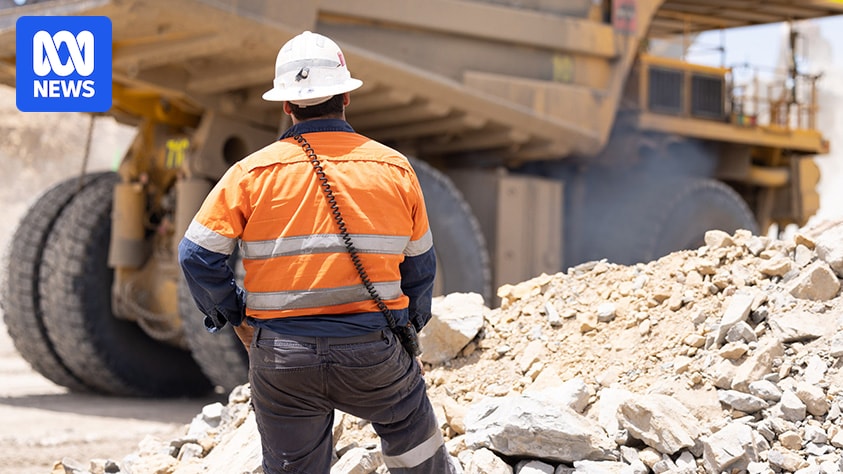
The mooted sale of De Beers has become the single biggest hurdle looming over Anglo American’s restructuring ambitions and its upcoming merger with Teck Resources after the company landed a R65bn coal mine sale on Monday.Securing the coal buyer had been an essential step in the company’s shift to focus entirely on copper, iron ore and potash and puts to rest any lingering uncertainty surrounding the underground explosion which derailed Anglo’s initial sale plans.In March last year, an underground explosion at Moranbah, the largest of the steelmaking coal mines in Western Australia, saw US-based Peabody Energy withdraw its $3.7bn bid to buy the coal mining portfolio.The fallout was more than a year of tense talks between the miners, which ended in a complete collapse of the deal, with both sides threatening legal action.In a statement on Monday, Anglo reiterated its stance that the incident at Moranbah did not constitute a “material adverse change”. It said it continued to pursue arbitration with Peabody.With its coal, platinum group metals and nickel portfolios sold, the diamond business is now the only non-core asset left on Anglo’s simplification agenda. But getting an attractive price for the unit is proving challenging in a market captured by lab-grown stones.The company has still not provided a specific target date for the disposal of De Beers, more than two years after announcing its intention to sell the business.Anglo spokesperson Ernest Mulibana told Business Day it would not provide “running commentary” on the sale of De Beers but reiterated that “the process is progressing well, and we have a number of parties participating in what is a competitive sale of the world’s premier diamond business”.Anglo holds an 85% stake in De Beers, a brand founded by Cecil John Rhodes in the late 1880s which, for much of last century, enjoyed a tight grip on the world’s diamond trade, maintaining scarcity and high prices through a cartel-like system of market control, backed by a powerful advertising engine.Through arguably one of the most successful marketing campaigns in history, De Beers single-handedly altered consumer behaviour across the world by making diamond engagement rings synonymous with marriage.But since the turn of the century, synthetic diamonds, originally developed for industrial uses, have surged in popularity as technological advancement gave rise to purer, prettier stones which are much cheaper and more environmentally friendly than their natural counterparts. Declining marriage rates in the US and China, two big markets, have added to the pressure on demand.As synthetics continue to gain market share, De Beers’ estimated value has plunged from $12.75bn in 2011 to just $2.3bn this year. In 2025, the subsidiary saw its third consecutive write-down in three years.One answer to Anglo’s problems could be Botswana, the owner of De Beers’ remaining 15%. In recent months, the country’s government has shown an interest in growing its stake — a vote of confidence which is significant given the damage diamonds have done to its economy.A shrinking market for diamonds, which account for about a quarter of Botswana’s GDP and 80% of its exports, has strangled the country’s GDP growth and fuelled a ballooning debt to GDP ratio, prompting ratings downgrades by both Moody’s and S&P Global last year.But diamonds were also at the heart of Botswana’s development story. After discovering some big diamond deposits soon after its independence from Britain in 1967 and setting up Debswana, a 50/50 joint venture with De Beers, in 1969, the country’s economy grew by an average 10.6% a year from 1970 to 2000, outperforming China’s average over the same period.Botswana has used the windfall to build schools, clinics and essential infrastructure, making it a rare post-colonial success story. In 2004, it bought the minority stake in De Beers, further securing its position.Another potential player is Angola, which joined the list of potential De Beers suitors late last year after the country’s state-owned gem giant Endiama submitted an offer to acquire Anglo’s majority stake, according to Bloomberg.Still, recent reports have offered little in the way of detail. In its latest quarterly production report, Anglo said simply: “We are progressing the sale process for De Beers and continue to assess further cost and capital preservation measures to minimise the impact from challenging diamond markets.”Meanwhile, the stakes to secure a sale are mounting, as Anglo prepares for its merger with Teck Resources, a bid to increase its focus on copper, to conclude in the second half of this year.
De Beers sale emerges as biggest threat to Anglo overhaul
Anglo still faces De Beers hurdle as it pushes ahead with major restructuring plans
735 words~3 min read