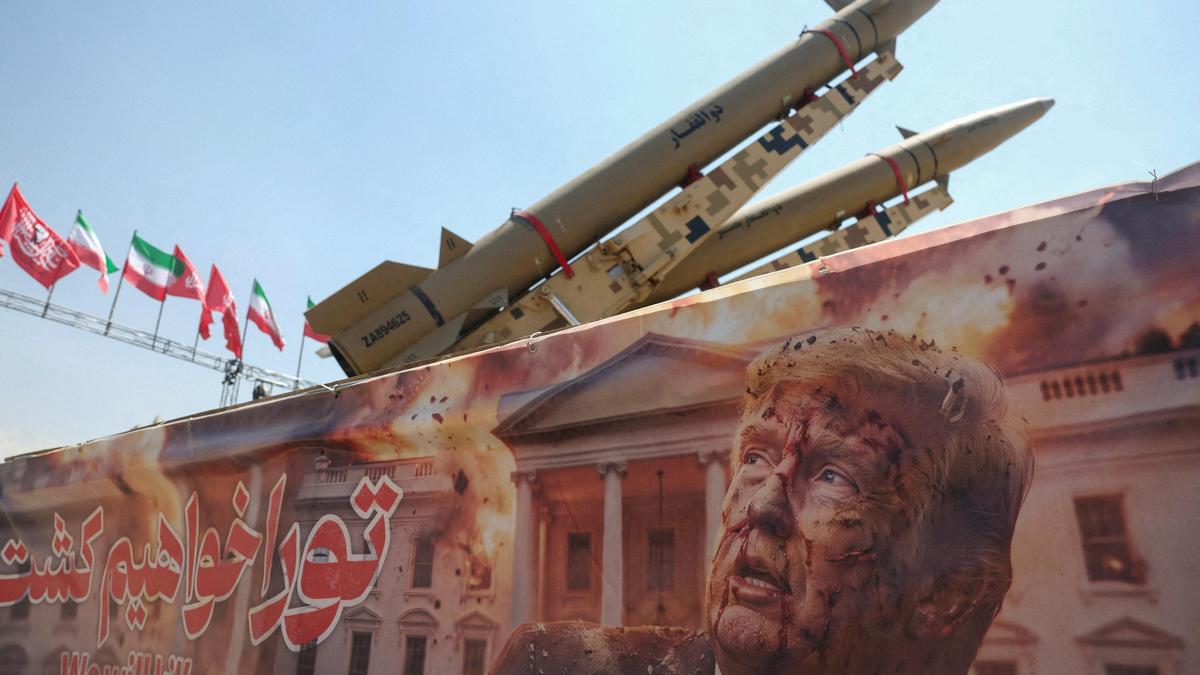
Despite decades of suspicion, Tehran has been careful not to cross the line into building a nuclear bomb
| Photo Credit:
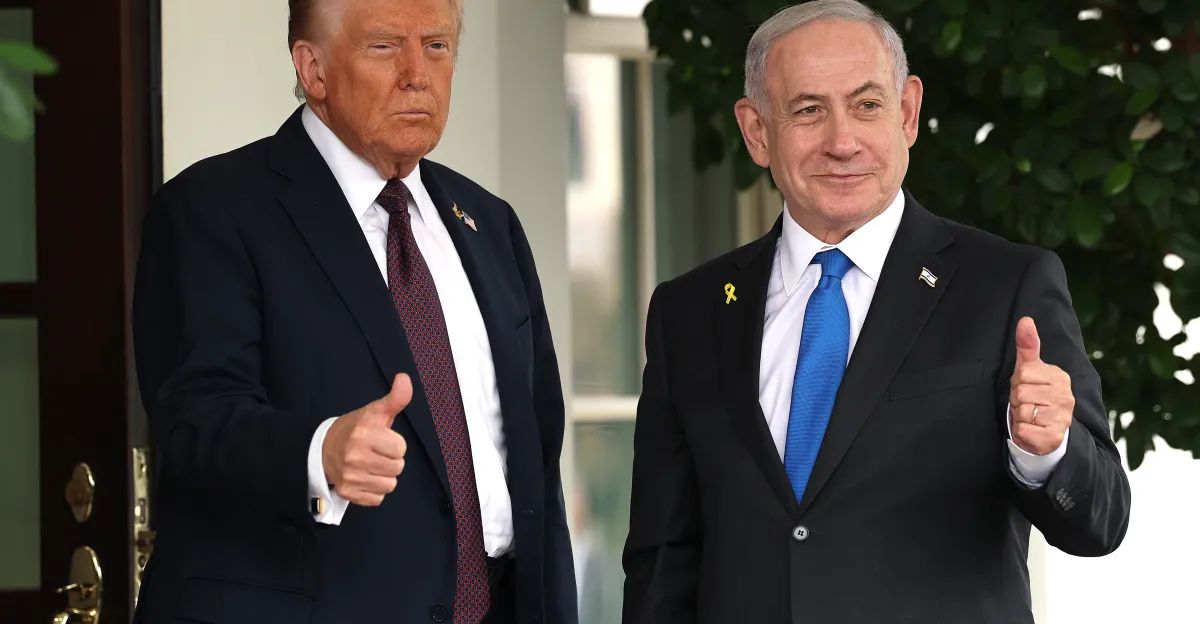
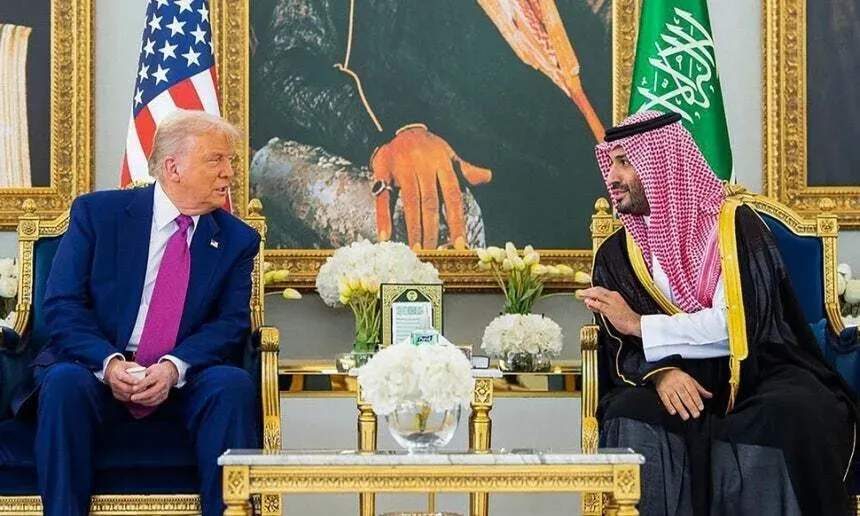
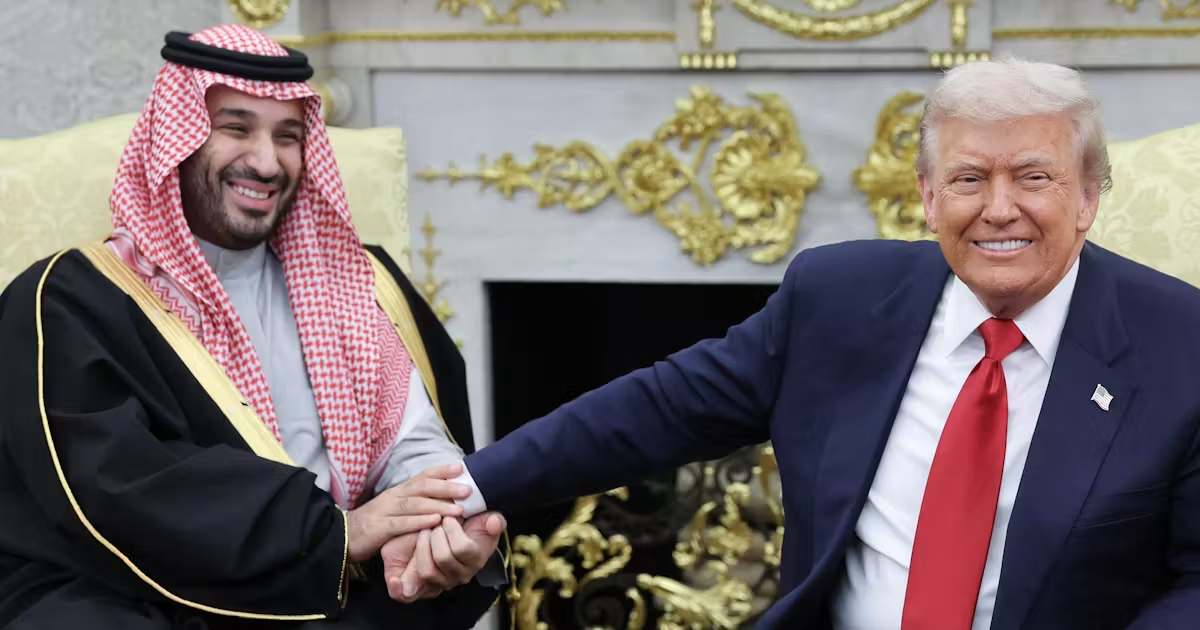
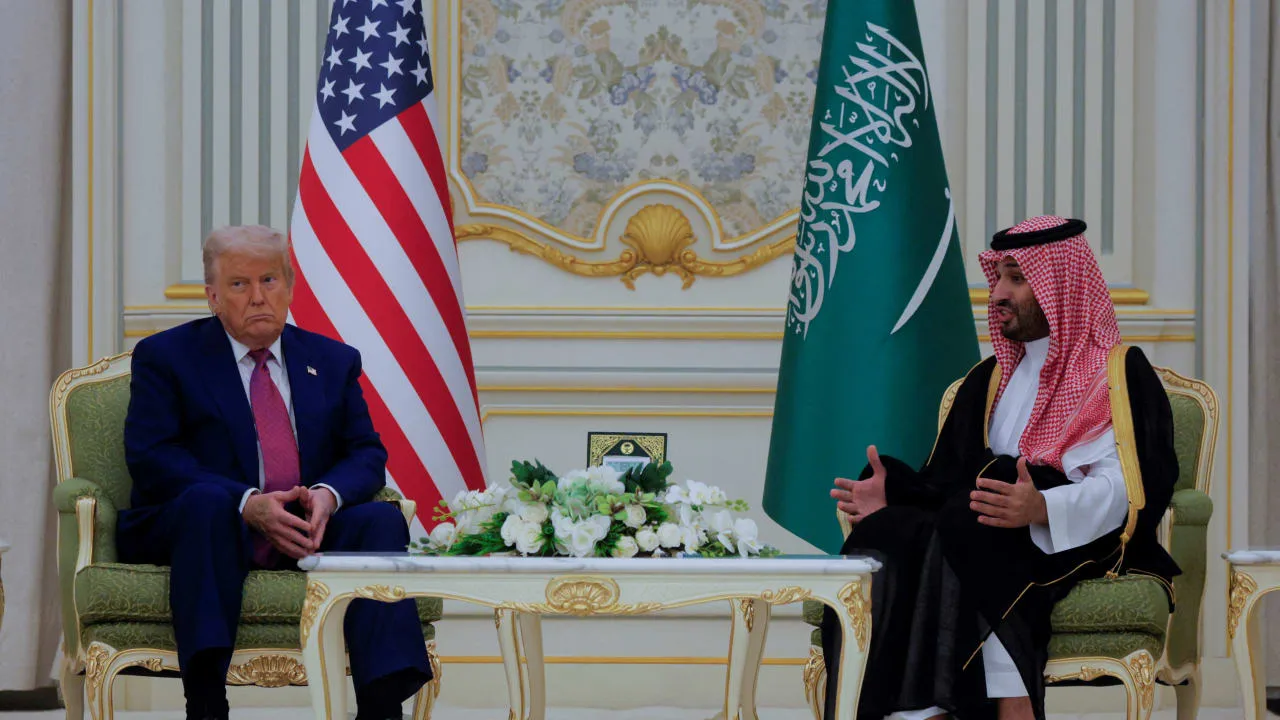
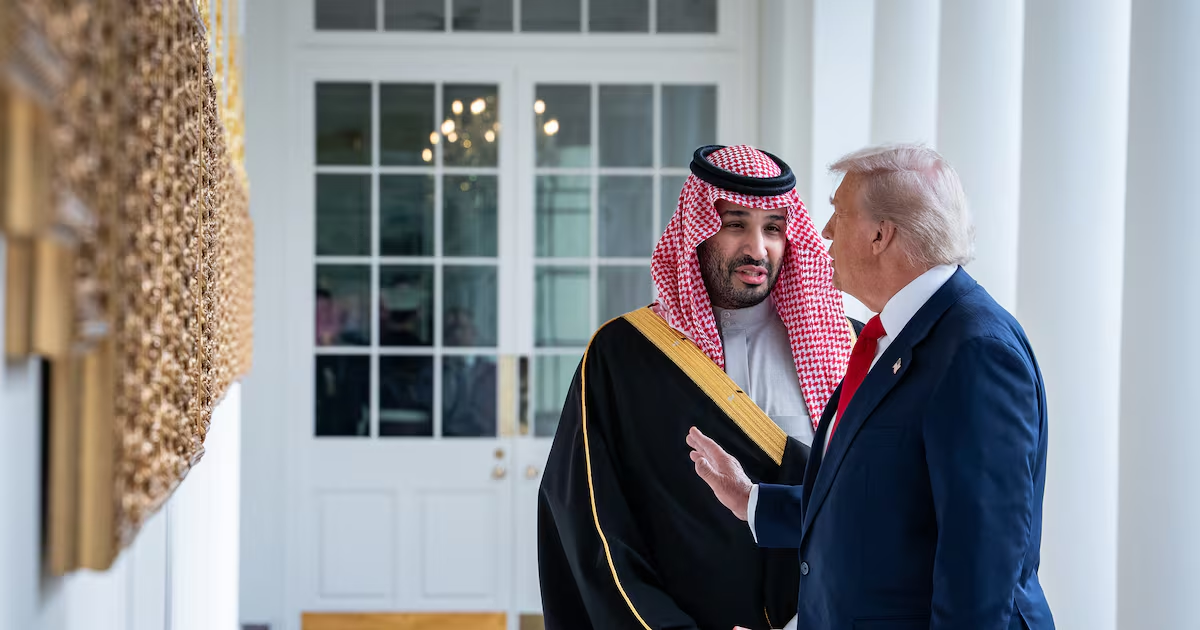
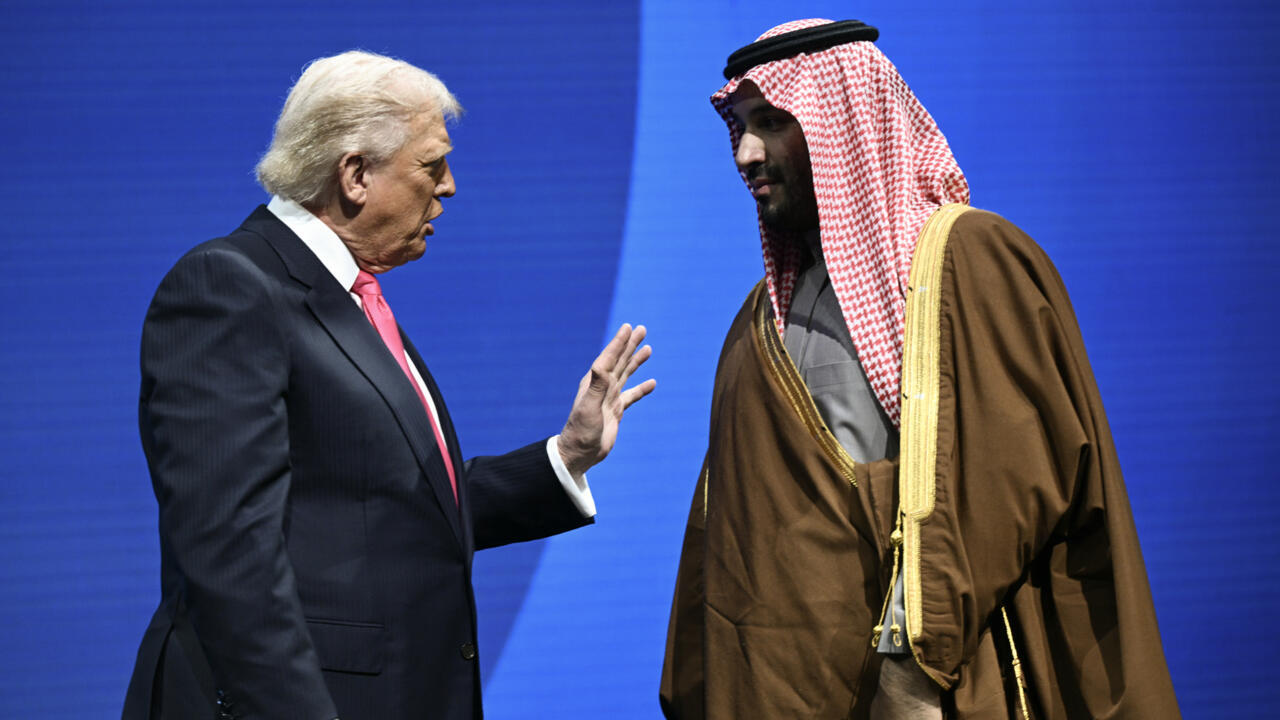
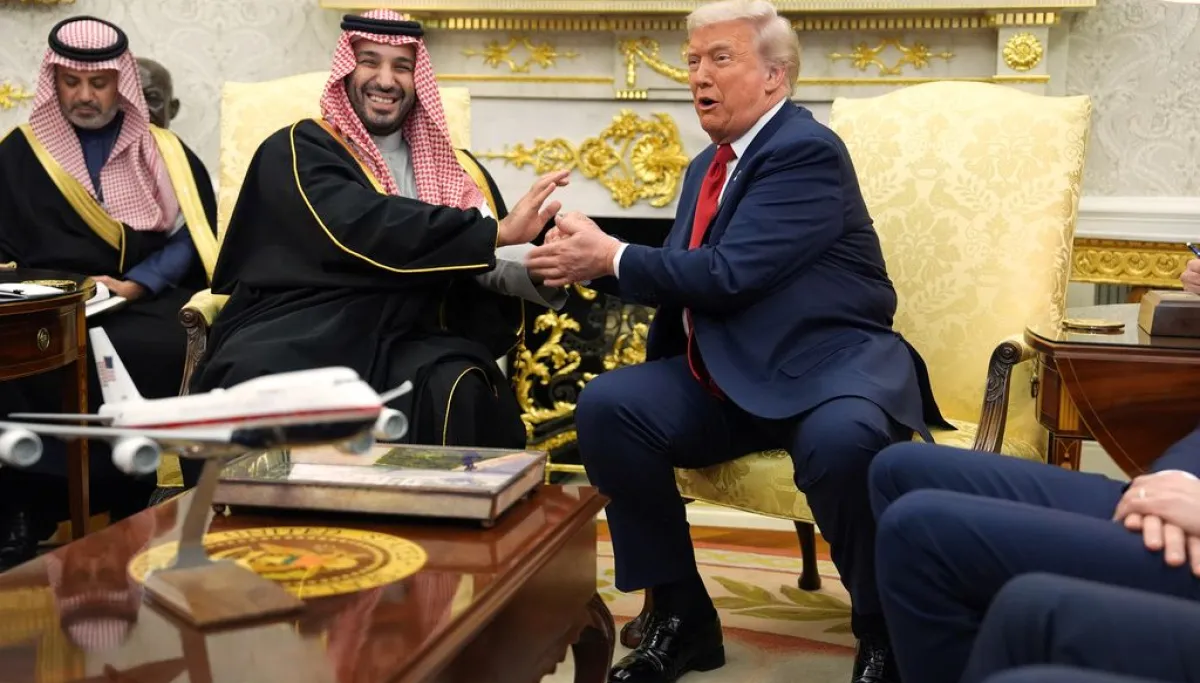
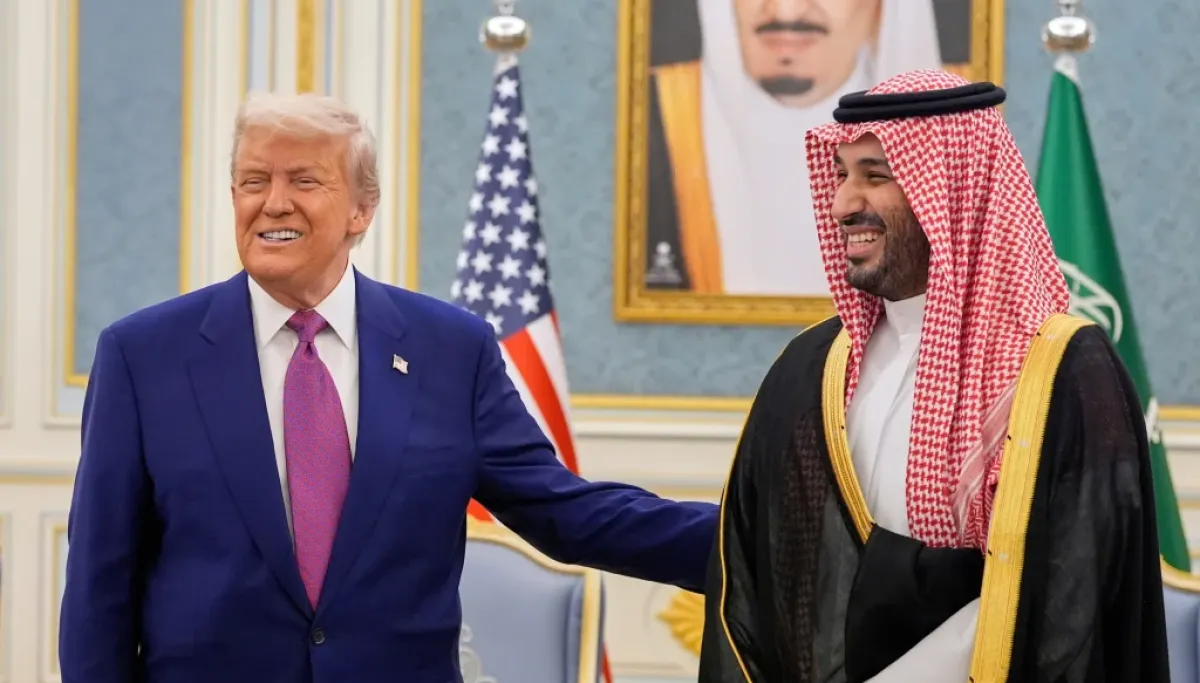
It was a deal that rang alarm bells across the Middle East, India and far beyond. US President Donald Trump stunned allies and foes alike when he announced an agreement allowing Saudi Arabia to enrich uranium on its own soil. Adding to the controversy, the kingdom’s facilities would not be subject to the kind of full international inspections normally demanded under nuclear agreements.No country was watching more nervously than Iran.Many analysts have long argued that, despite decades of suspicion, Tehran has been careful not to cross the line into building a nuclear bomb. The reasoning is simple: an Iranian bomb would almost certainly trigger a nuclear arms race across the Middle East, with Saudi Arabia and potentially others seeking their own deterrents, creating a far more dangerous and unpredictable region.That’s precisely why Trump’s Saudi deal caused such unease.Yet by this week, Trump appeared to be having second thoughts. In characteristic fashion, he tossed a new card onto the table, declaring Riyadh would first have to sign the Abraham Accords and recognise Israel before moving ahead.The Saudi response was swift and dismissive.“If Saudi recognition of Israel had been a formal condition for the nuclear deal, it would have been negotiated before the agreement was signed and explicitly included in its terms,” Saudi geopolitical analyst Mohammed Alhamed told The Hill. He added bluntly that Trump’s fresh demands “do not change the substance of the agreement.”Middle East reshapedThe episode is the latest twist in a region turned upside down over the past year. Trump, backed by Israeli Prime Minister Benjamin Netanyahu, has reshaped the Middle East with a series of dramatic interventions that have left allies, rivals and oil markets struggling to keep up.This week Netanyahu arrives in Washington for his first visit since the US-Israel-Iran conflict erupted. One question hangs over the trip: will he try to persuade Trump to resume military action against Iran? The answer is almost certainly yes.The timing could hardly be worse.Even as Netanyahu lands in the US capital, the Gulf is again sliding deeper into turmoil. Yemen’s Houthi movement has re-entered the conflict and is threatening tankers loading crude at Saudi Arabia’s Yanbu export terminal on the Red Sea before they pass through the vital Bab el Mandab strait, the gateway linking the Red Sea to the Indian Ocean.For India, there has at least been one stroke of good fortune. Russian oil tankers appear to have been spared Houthi attacks. That matters because India’s appetite for Russian crude keeps growing. In June, Russia supplied a record 52 per cent of India’s oil imports. July’s figure will be even higher.Who’s feeling the heat?All of this raises an obvious question: does Trump care about the turmoil his actions are causing?Apparently not as much as many other countries would like.American motorists are paying significantly more at the pump than a year ago, something that could become a political headache ahead of the midterms. But the US imports only a small share of its oil from the Gulf. The countries facing the real headaches are in Asia. India, Japan, South Korea and the Philippines have been forced to scramble for alternative supplies and rethink energy security calculations.China, traditionally one of the Gulf’s biggest customers, has also surprised traders by sharply reducing purchases. Some oil industry analysts speculate Washington wanted to remind Beijing that the US remains the world’s dominant energy power and could disrupt Chinese supplies if it chose. If so, China may already have short-circuited the strategy.Whatever Trump’s objective, one thing is evident: the region is growing more volatile by the day and the margin for error is shrinking.Iran has stepped up attacks and pressure campaigns against multiple Gulf states, including the UAE, with which it has traditionally maintained relatively workable relations.Bahrain has also found itself in the firing line because it hosts a major US naval base.Israel’s campaigns, meanwhile, have sent shockwaves through Syria, Lebanon and Iraq. For decades, Israeli leaders have viewed Iran as their most formidable regional adversary and sought to weaken its influence.Yet Iran is not some minor regional player that can simply be wished away. It’s a nation of 93 million people, an old civilisation, and woven into the Middle East’s political, religious and economic fabric.The uncomfortable reality is that after months of wars, threats, sanctions and brinkmanship, nobody has solved the Iran problem. They may simply have made it bigger. And in a Middle East already crowded with fault lines, the next spark could ignite a fire nobody can control.Published on July 31, 2026