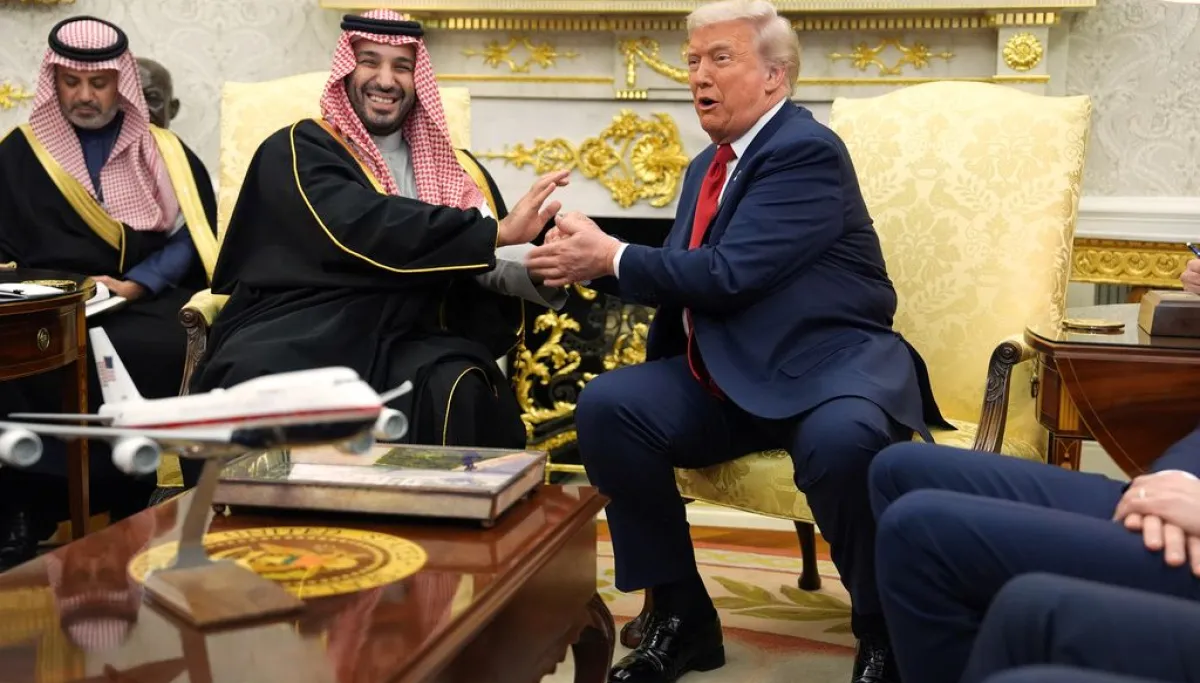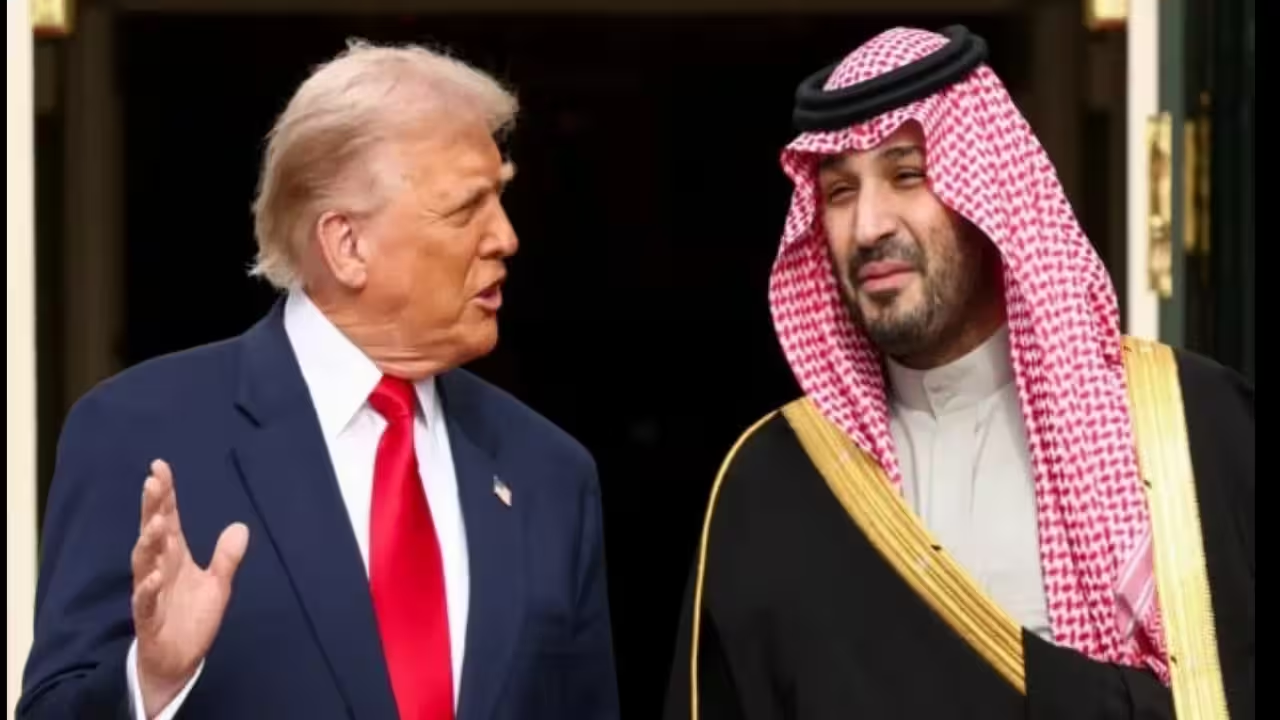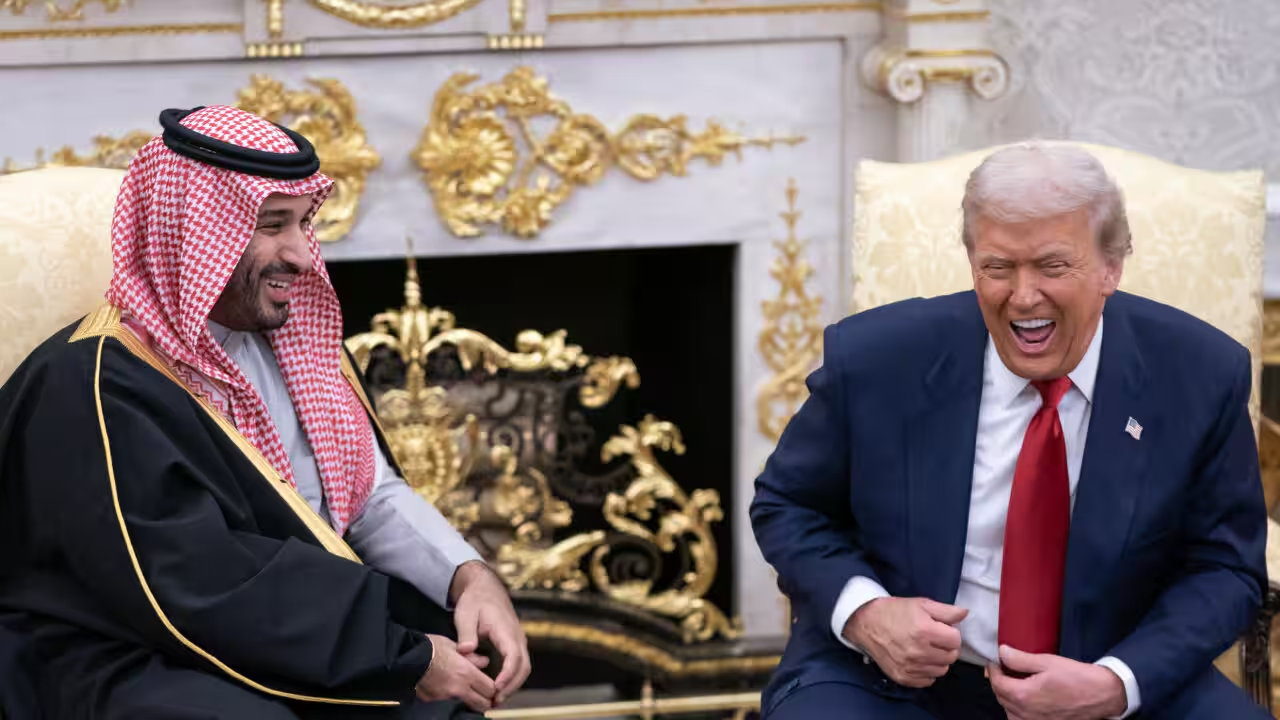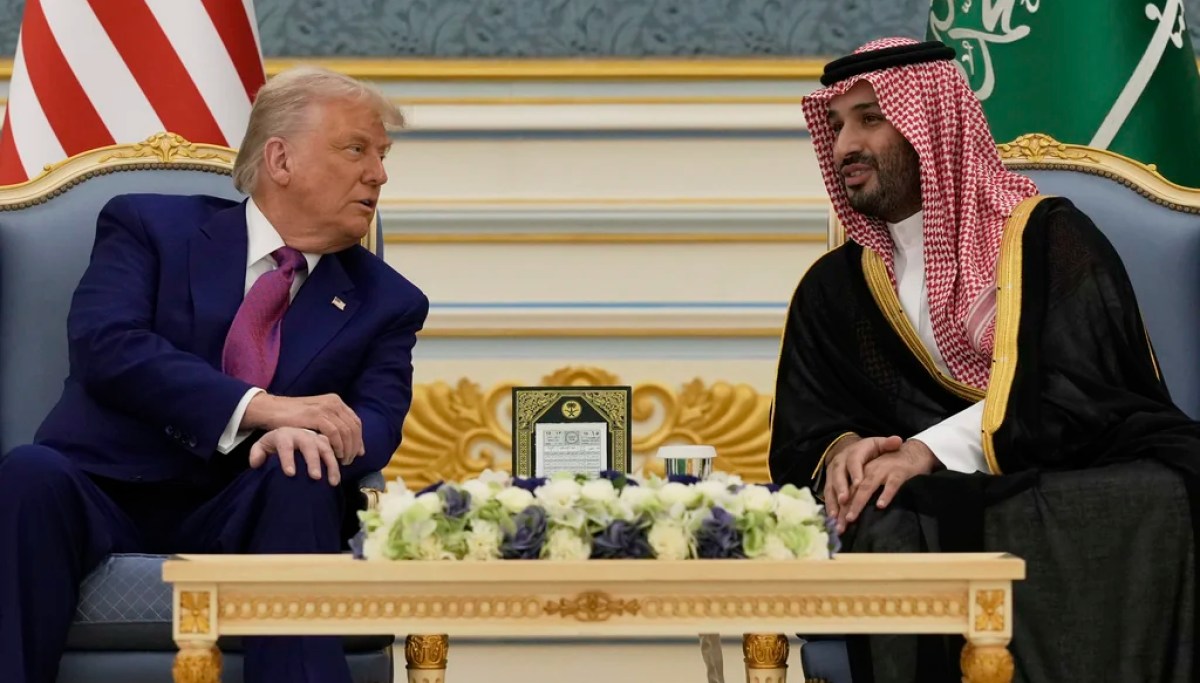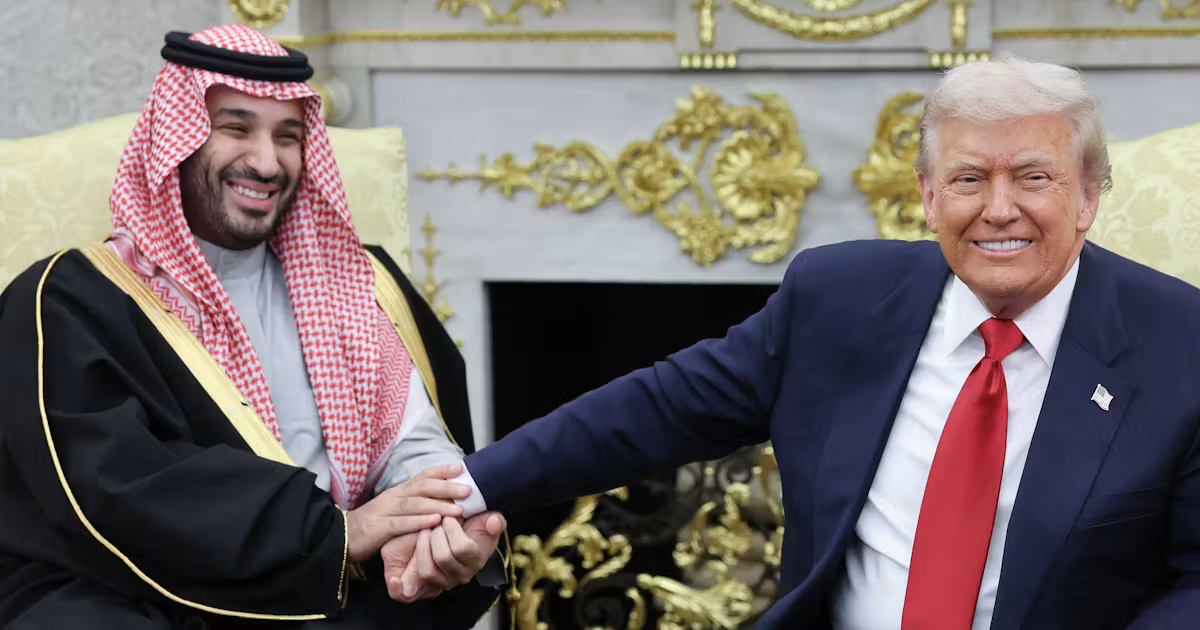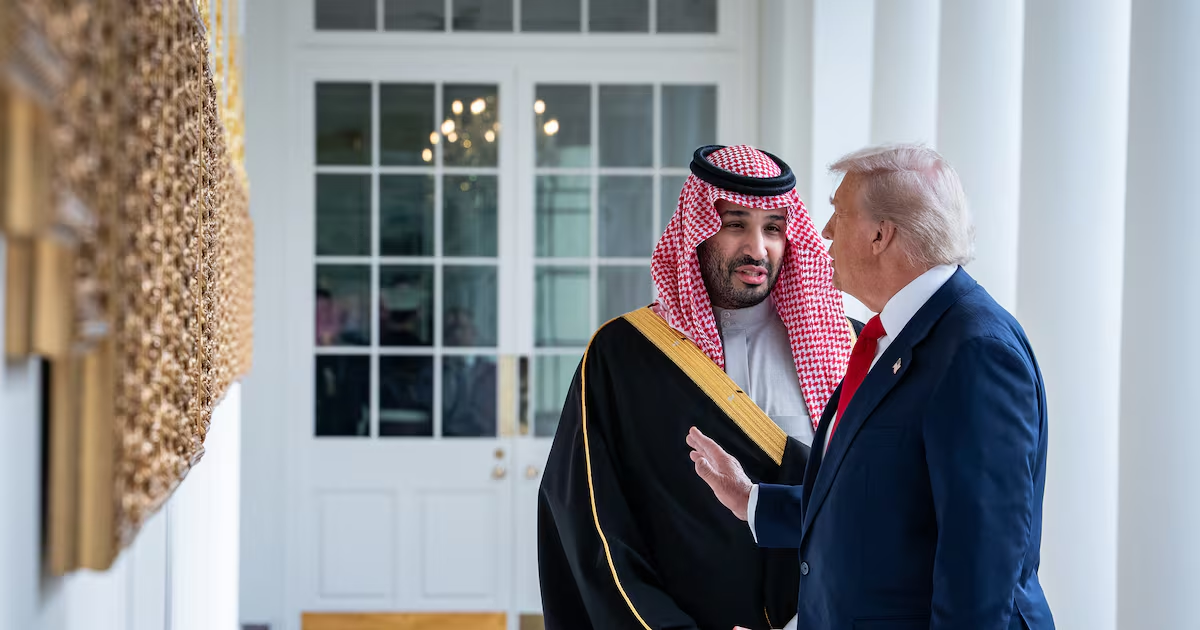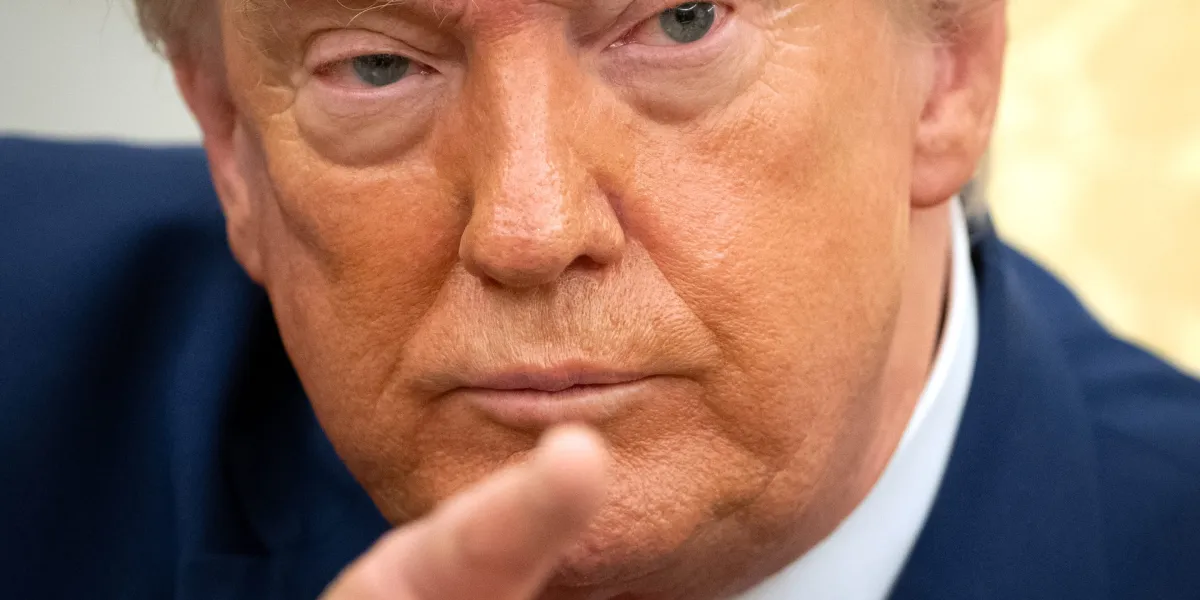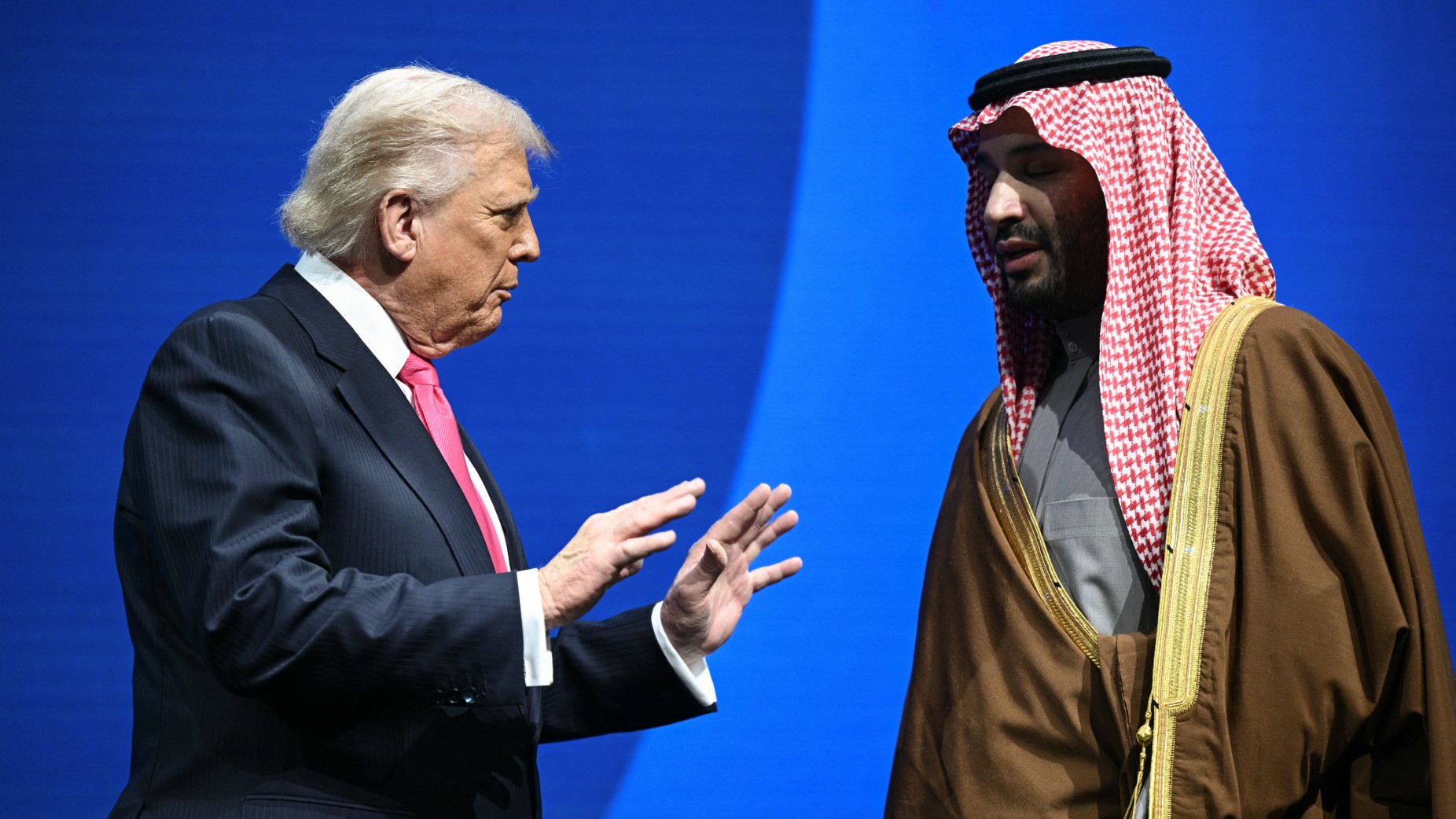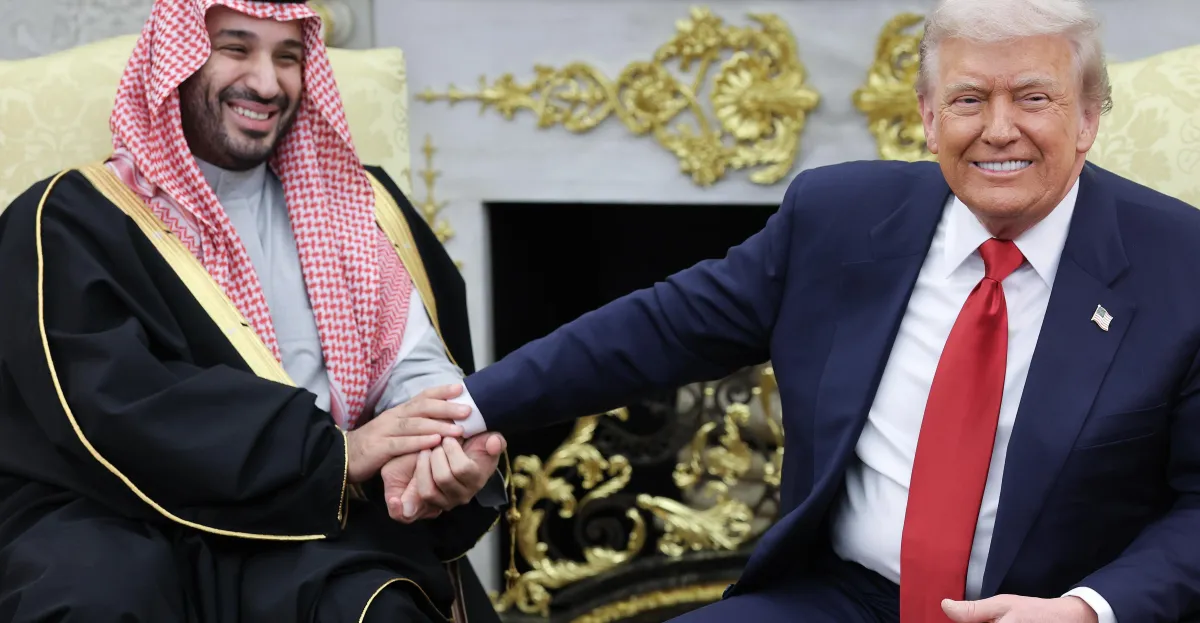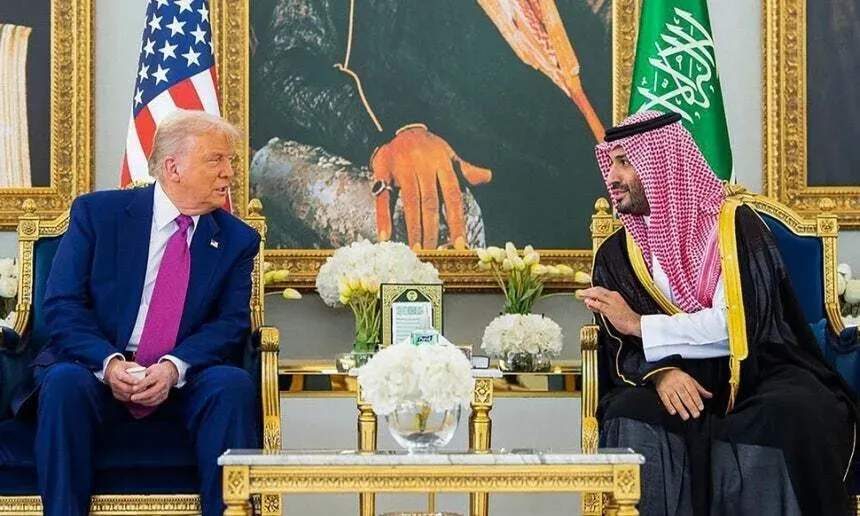
US President Donald Trump speaks to Saudi Crown Prince Muhammed bin Salman in May 2025 in Riyad, Saudi Arabia. (UPI/Yonhap)
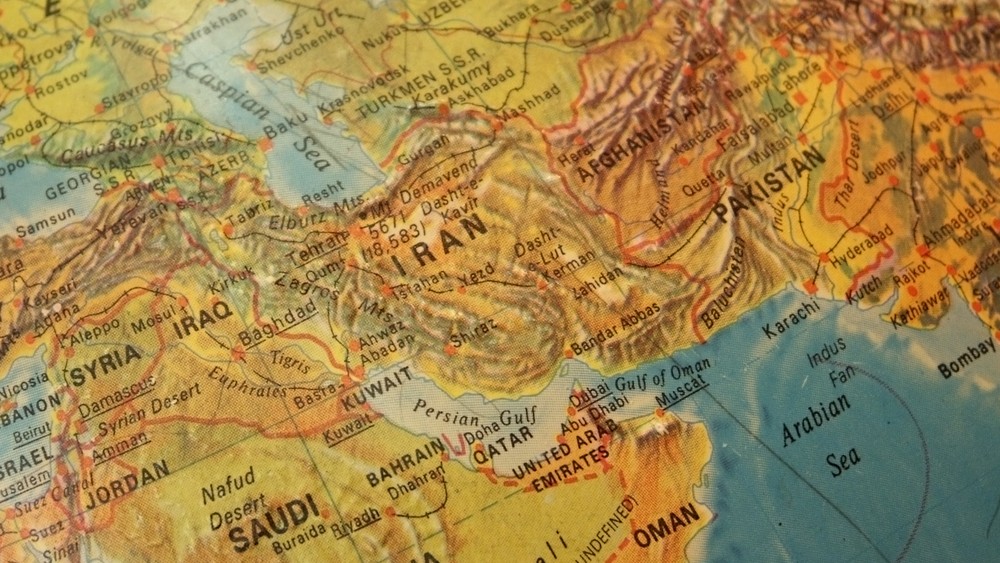
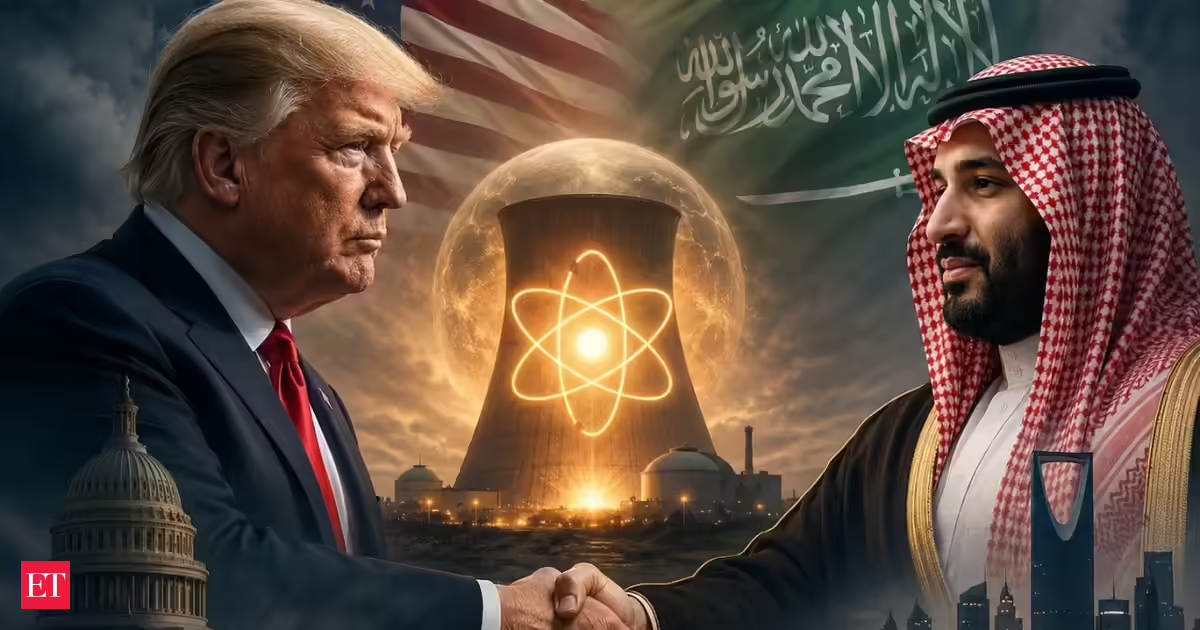
The Trump administration’s unusually generous nuclear cooperation agreement with Saudi Arabia, which could potentially allow the kingdom to acquire nuclear weapons capability, is expected to further unsettle the Middle East.Critics say the agreement lacks adequate safeguards against nuclear weapons development, raising concerns about potential backlash from Iran, which remains at war with the US, and possible efforts by Saudi rivals like the United Arab Emirates to pursue their own nuclear capabilities.The US Department of Energy officially announced that Energy Secretary Chris Wright and his Saudi counterpart, Prince Abdulaziz bin Salman, signed a nuclear cooperation agreement and bilateral safeguards agreement on Wednesday.The Energy Department said the agreement upholds “high standards of nuclear safety, security and nonproliferation.”But those safeguards may not be adequate. The US has reportedly opened the door for Saudi Arabia to enrich uranium and reprocess spent nuclear fuel, though officials stipulate that the project’s feasibility would first have to be demonstrated through two years of joint research.Such terms are highly unusual.While the US has signed nuclear cooperation agreements with Japan and several European countries permitting uranium enrichment, those countries already possessed enrichment technology or were effectively engaged in enrichment activities.The New York Times described the accord as an attempt to “further bind the United States with the Saudi government” as the war in the Middle East drags on.The construction of nuclear reactors, which takes more than a decade, and the subsequent transfer of nuclear technology could strengthen security and commercial ties between the two countries for years to come.Bloomberg described the deal as a “carrot” offered at a time when Saudi Arabia harbors serious frustrations with the US. In other words, Washington may be seeking to reward Saudi Arabia with the nuclear deal amid mounting economic pain stemming from Iran’s ongoing retaliation and its closure of the Strait of Hormuz.Saudi Arabia has recently sought to pressure the US by openly considering the adoption of nuclear reactor technology from China, which does not impose nonproliferation restrictions. Riyadh’s signing of a nuclear power agreement with Beijing, rather than Washington, would deal a major blow to American influence in the Middle East.Some analysts argue that since the Abraham Accords — a Middle East initiative pursued during Trump’s first presidency to isolate Iran — have been stalled during the US’ war against Iran, Trump is seeking to achieve the accords’ ultimate goal of recruiting Saudi Arabia through the incentive of nuclear cooperation.The Abraham Accords yielded a diplomatic breakthrough in 2020 when Sunni states including the UAE and Bahrain normalized relations with Israel, but failed to persuade Saudi Arabia, regarded as the leading Sunni power.Since then, the accords have teetered on the brink of collapse because of Saudi Arabia’s nuclear ambitions, the war in Gaza and the outbreak of the Iran war in late February.That’s why some analysts think Trump is offering the nuclear deal as a means of placating Saudi Arabia.This agreement is expected to have wide-ranging repercussions across the Middle East.Above all, it could make it even harder for the US to curb Iran’s nuclear program as the two sides negotiate an end to the war. For one thing, Iran could demand terms comparable to those offered to Saudi Arabia in its own nuclear talks with Washington.The Trump administration has held in the ceasefire talks that Iran must not only give up its existing stockpile of highly enriched uranium but also forgo any future uranium enrichment. Yet that’s contradicted by Trump’s apparent willingness to allow Saudi Arabia — Iran’s regional rival — to pursue uranium enrichment.There are also concerns that the agreement could open a Pandora’s box by stoking nuclear ambitions across the Middle East.With Israel and Pakistan already regarded as de facto nuclear-armed states, Iran has been pursuing nuclear weapons capability while other countries in the region, including Turkey and Egypt, follow developments closely.Egypt and the United Arab Emirates, among other countries, are expected to voice dissatisfaction with Washington’s preferential treatment of Saudi Arabia and press for comparable terms.Under a 2009 nuclear cooperation agreement with the US, the UAE agreed to permanently forgo domestic nuclear fuel production and submit to stringent nuclear inspections. Given its rivalry with Saudi Arabia, the UAE is unlikely to meekly watch as the Saudis are given more generous terms.“Everyone worries about a proliferation chain reaction. Granting the Saudis the right to make nuclear fuel after what Iran has done is like trying to put out a fire with kerosene. It’s a sad situation. It should never have gone this far,” said Henry Sokolski, a former nuclear policy official for the Pentagon.In short, the potential for a proliferation chain reaction is yet another concern in the conflict-torn Middle East.By Jung E-gil, senior staff writerPlease direct questions or comments to [english@hani.co.kr]