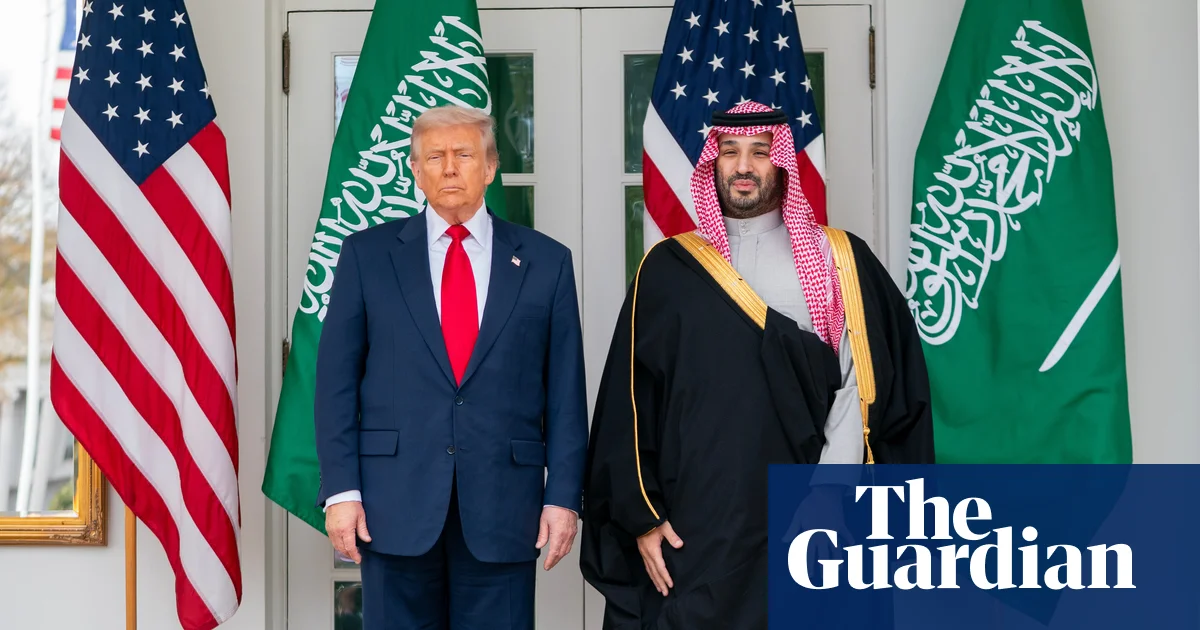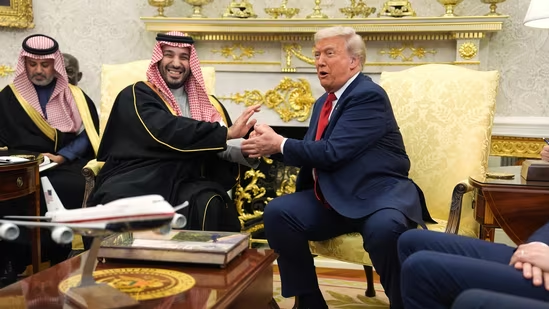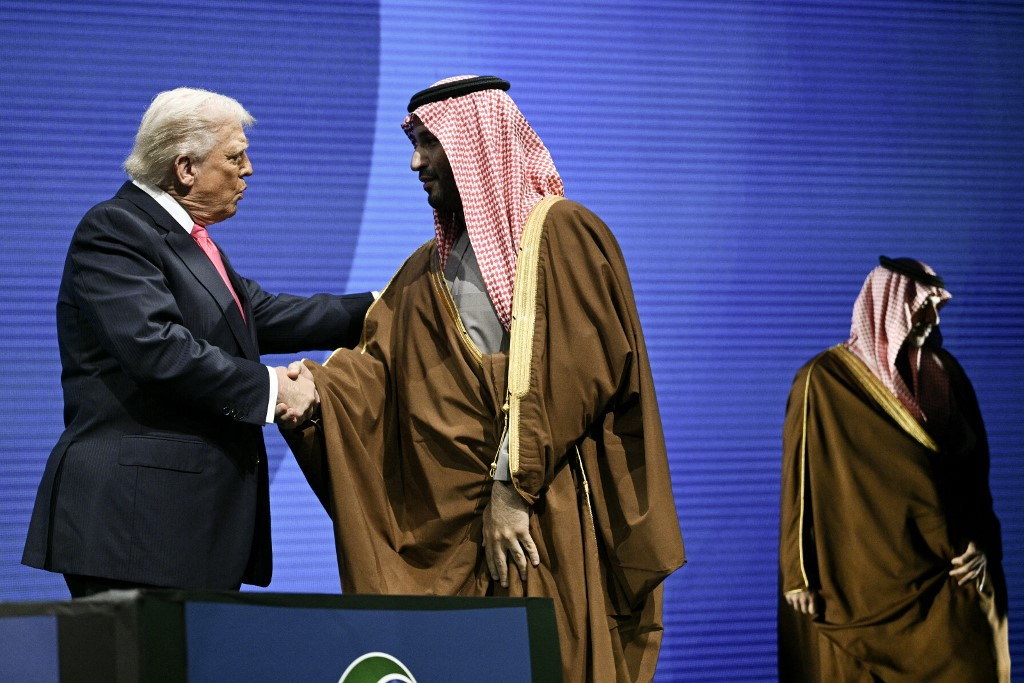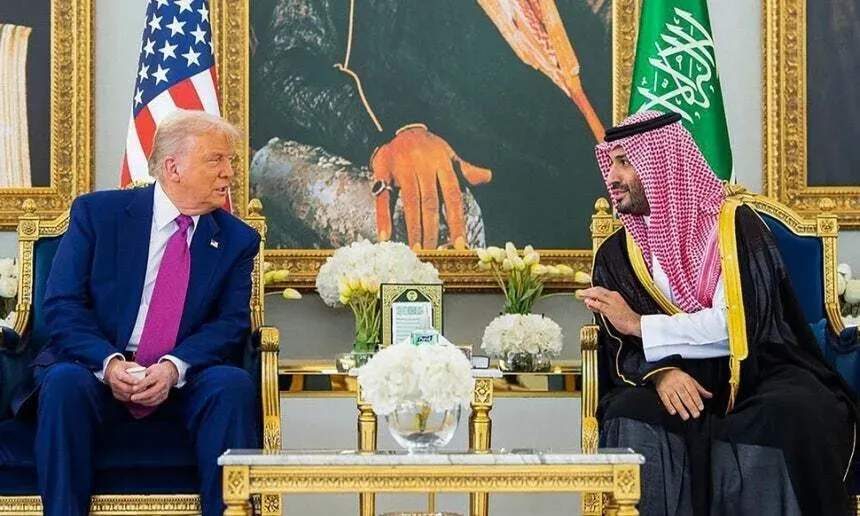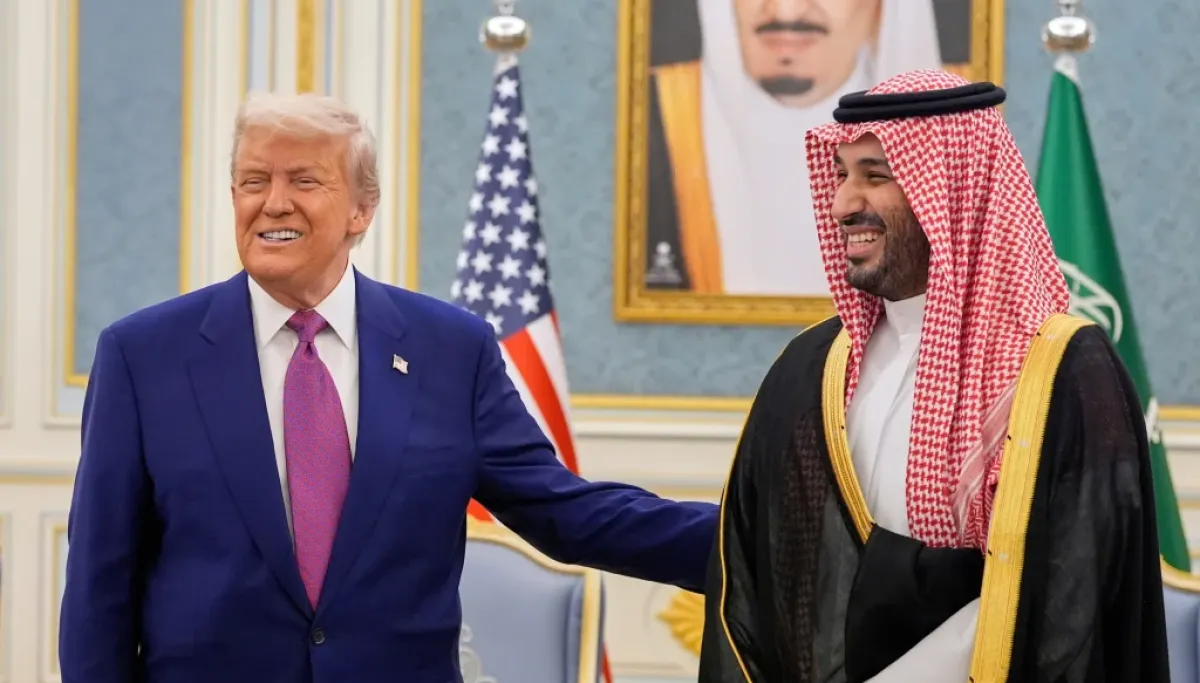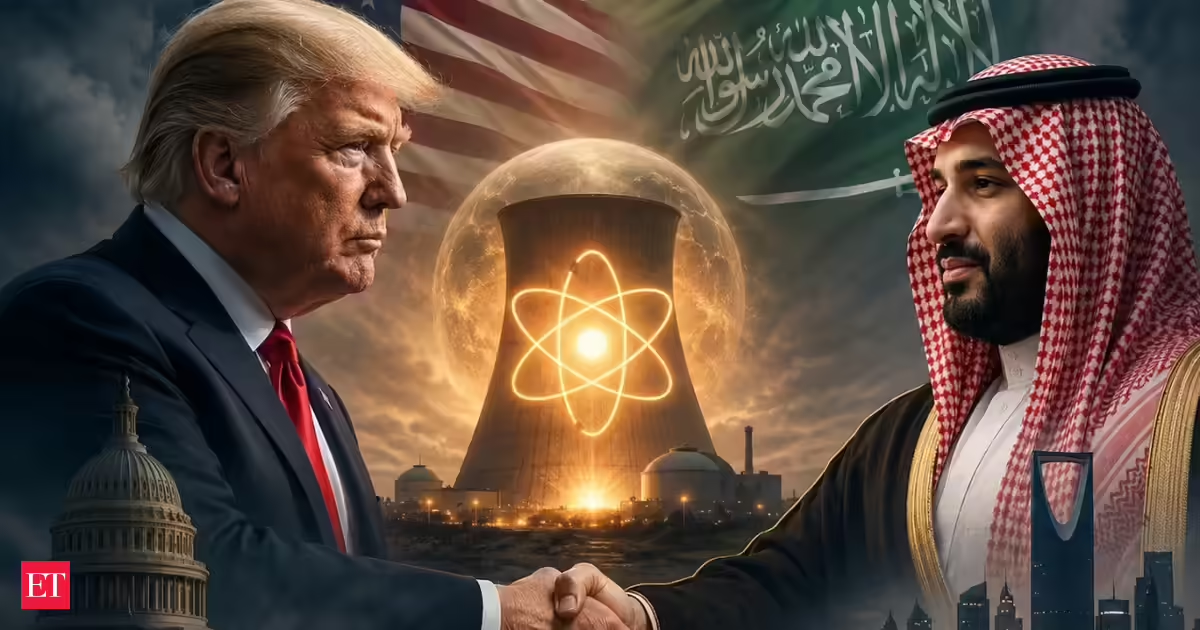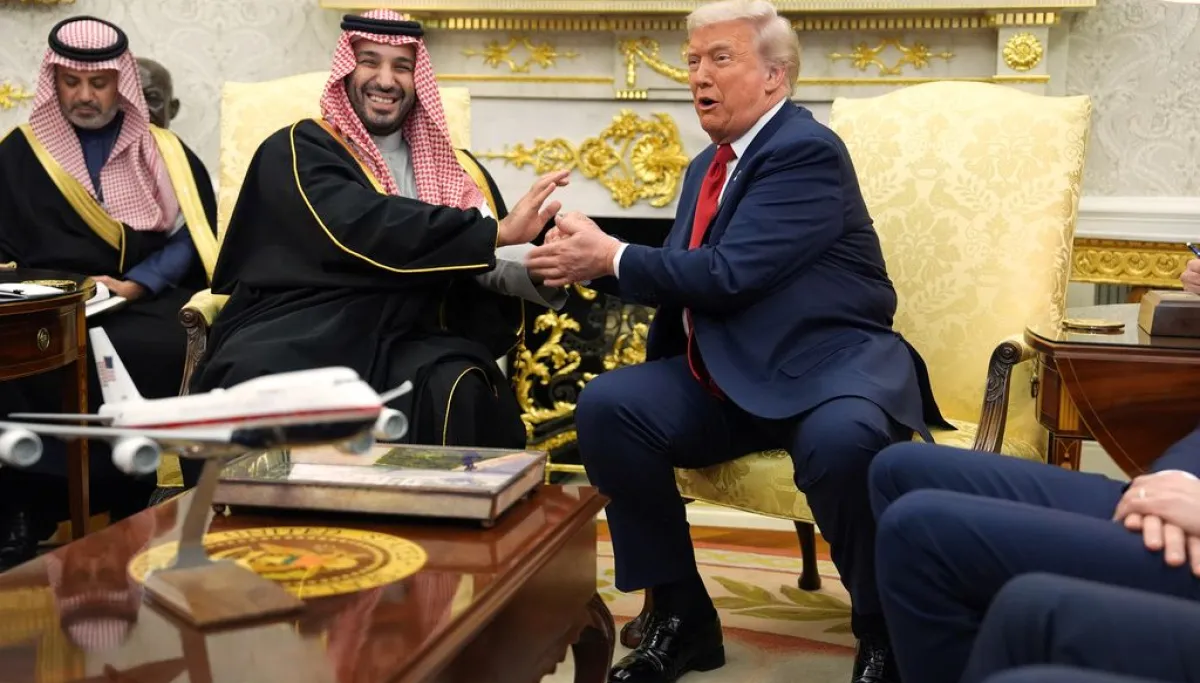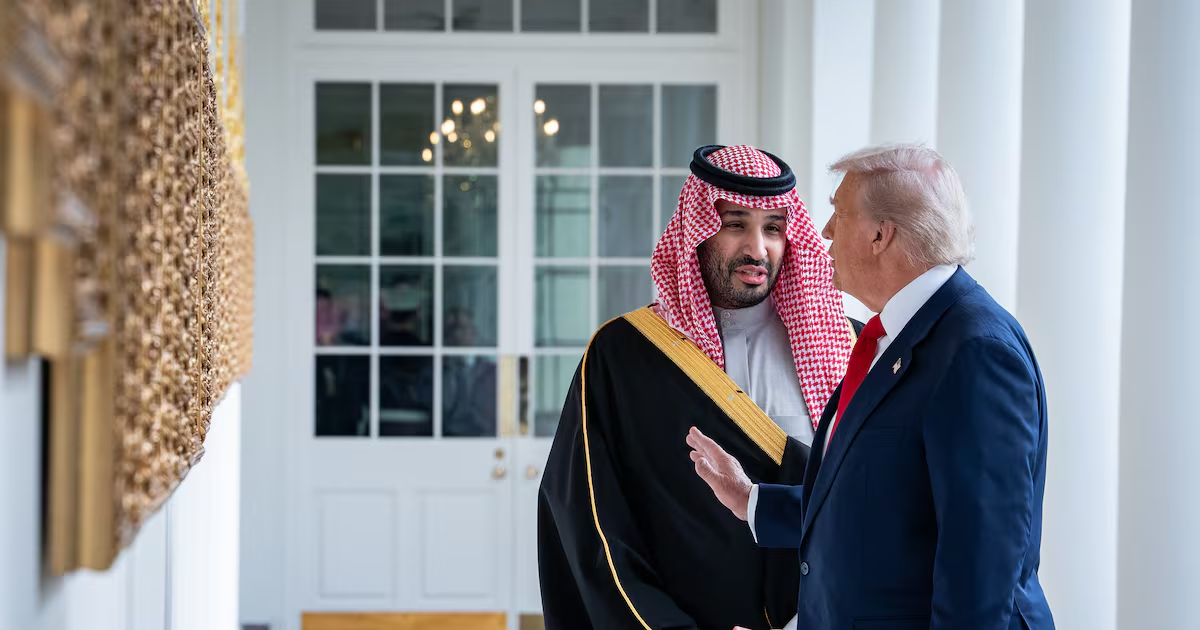
US president Donald Trump went to war with Iran in part to force compliance with two long-standing US demands: Iran must stop enriching nuclear fuel for at least two decades, and it must allow international inspectors to go anywhere and see anything to verify the country is not producing a bomb.On Wednesday, Trump took the reverse approach to Saudi Arabia, its close ally in the region. To seal a deal for Westinghouse and other American companies to seize a big piece of the business in building two nuclear reactors on Saudi territory – and more to come – it opened the door to allowing the kingdom to begin enriching its own nuclear fuel after two years.And it gave in to the kingdom’s demand that it not have to abide by an inspection agreement that applies to more than 140 other countries. Those rules, the Saudis said, are just too intrusive.Now Trump will have to make the case to Congress, and to allies throughout the Middle East, that in loosening the nuclear standards for one close ally, he is not ushering in a new age of proliferation, especially in a region of the world already on fire. If the daily missile exchanges with Iran finally give way to resumed negotiations, there is no question Iran will seize on the concessions made to Saudi Arabia and insist on the same.Already on Wednesday, administration officials were arguing that there was nothing to worry about, and that the United States will be so engaged in Saudi Arabia’s nuclear future that there is no way the kingdom could divert its nuclear fuel and know-how to a secret bomb programme.President Donald Trump and secretary of defence Pete Hegseth salute during a transfer for soldiers killed amid the conflict with Iran, at Dover Air Force Base in Delaware, on July 22nd, 2026. Photograph: Kenny Holston/The New York Times
Why has the US done a nuclear deal with Saudi Arabia?
Nuclear experts say Trump’s deal creates a destabilising situation that could raise the risk of nuclear war
1,359 words~6 min read