By Editorial Dept - Jul 24, 2026, 6:00 AM CDT
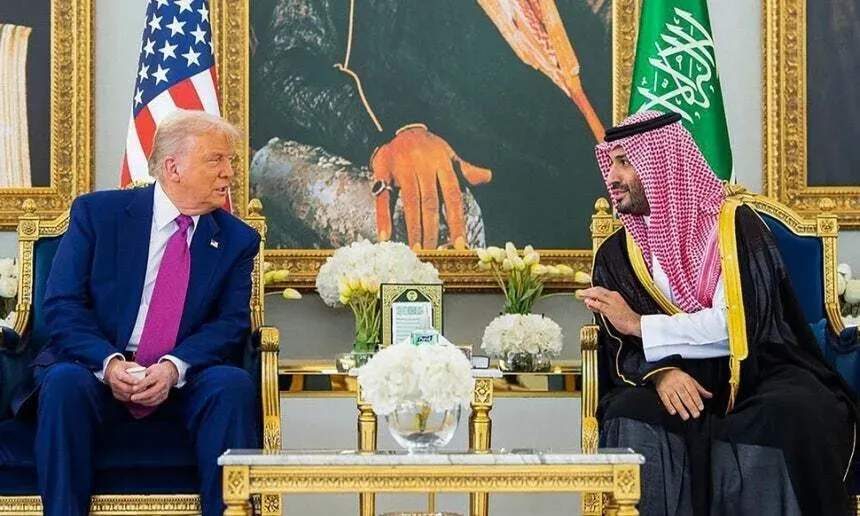
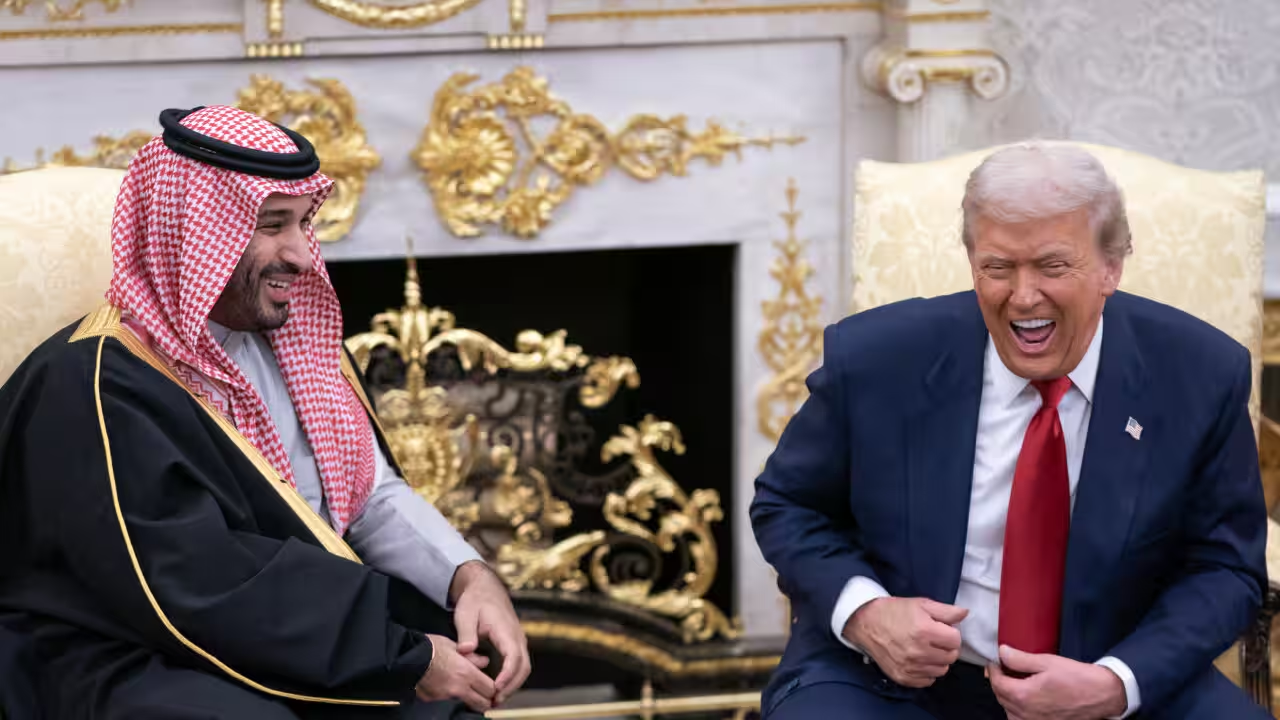
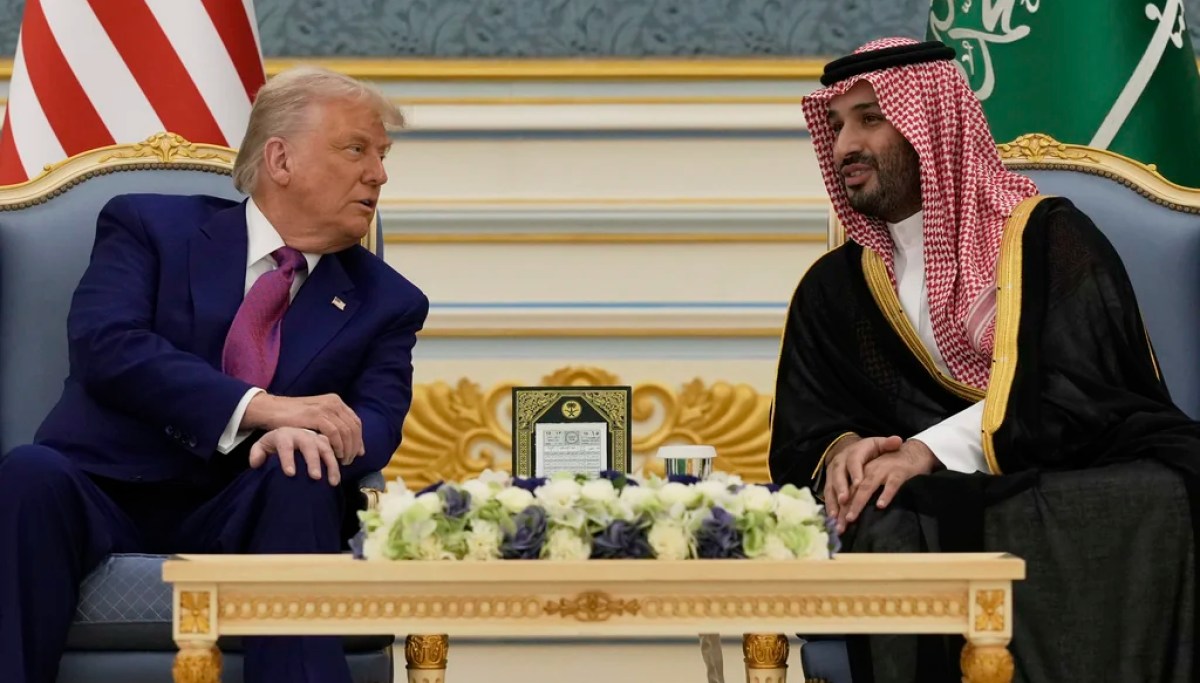
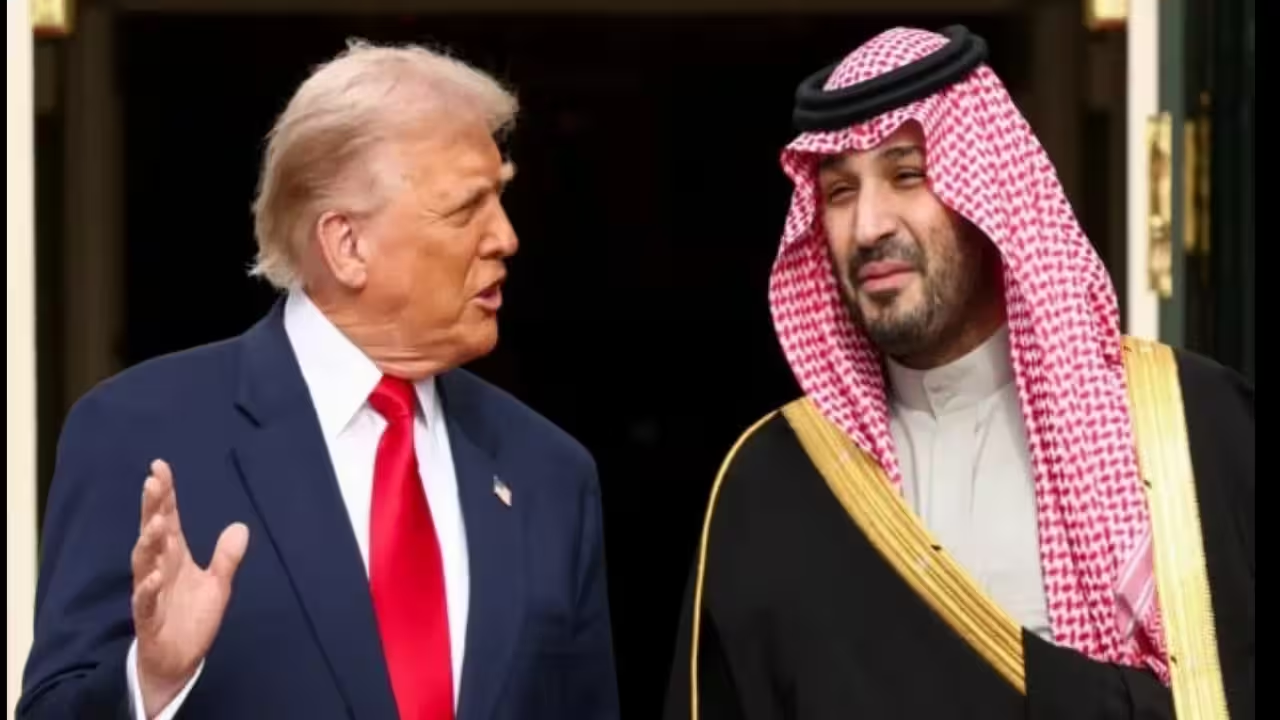
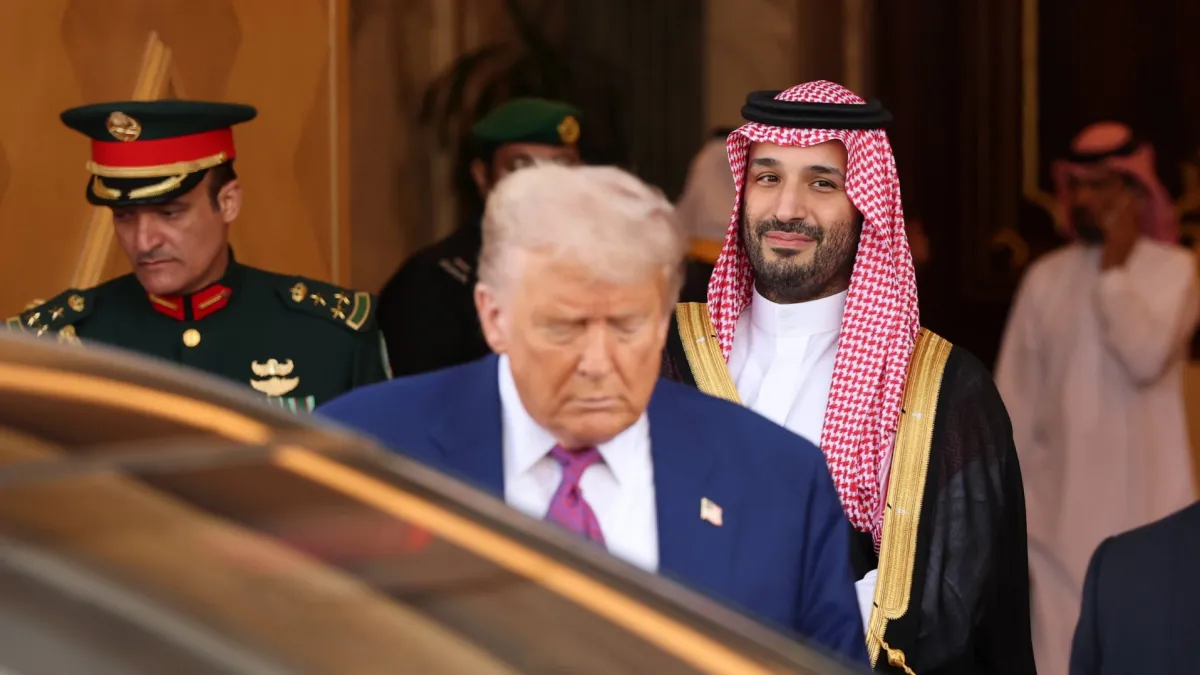
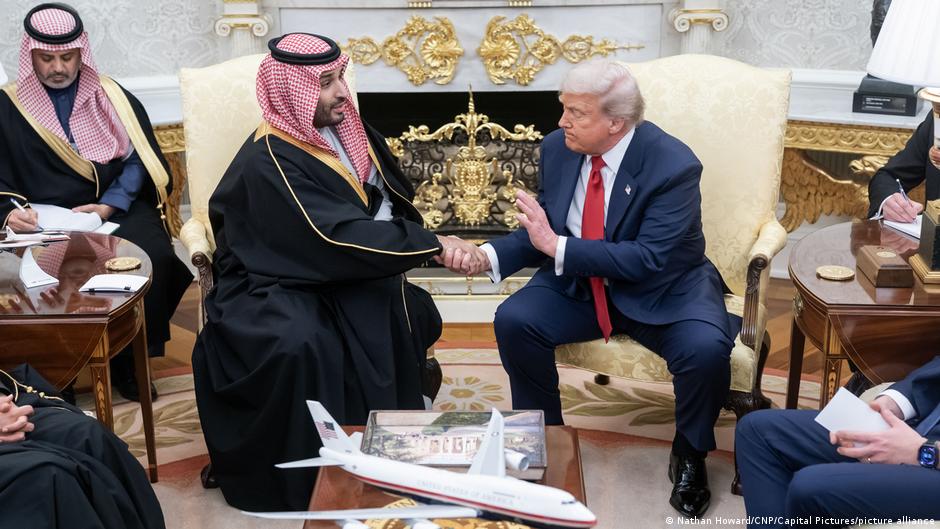
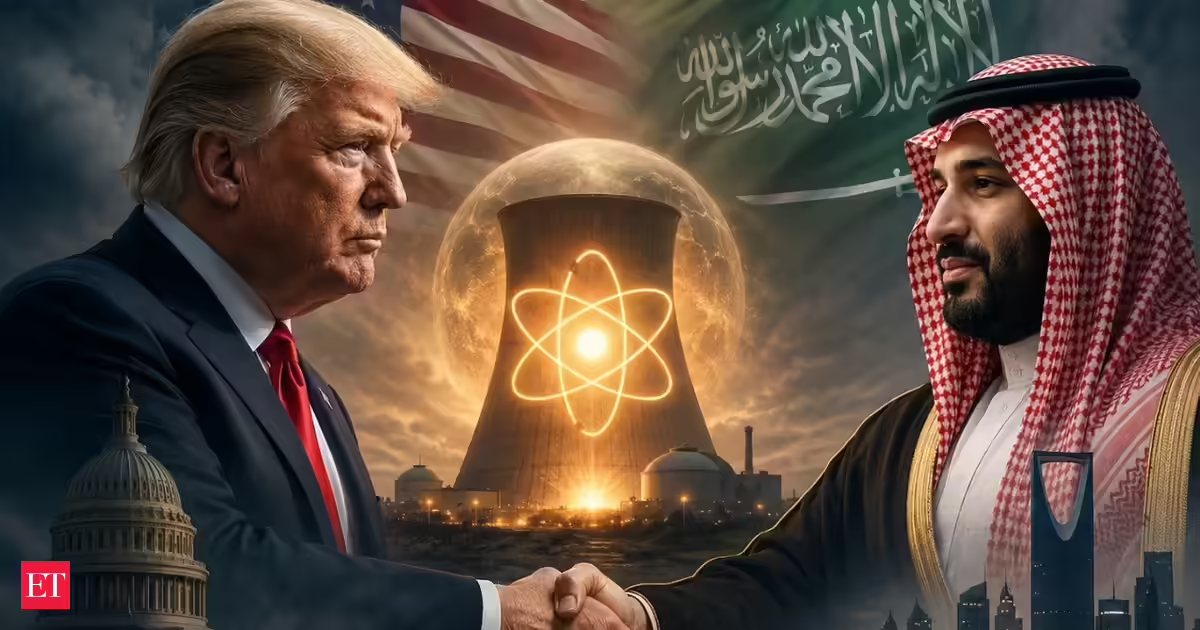
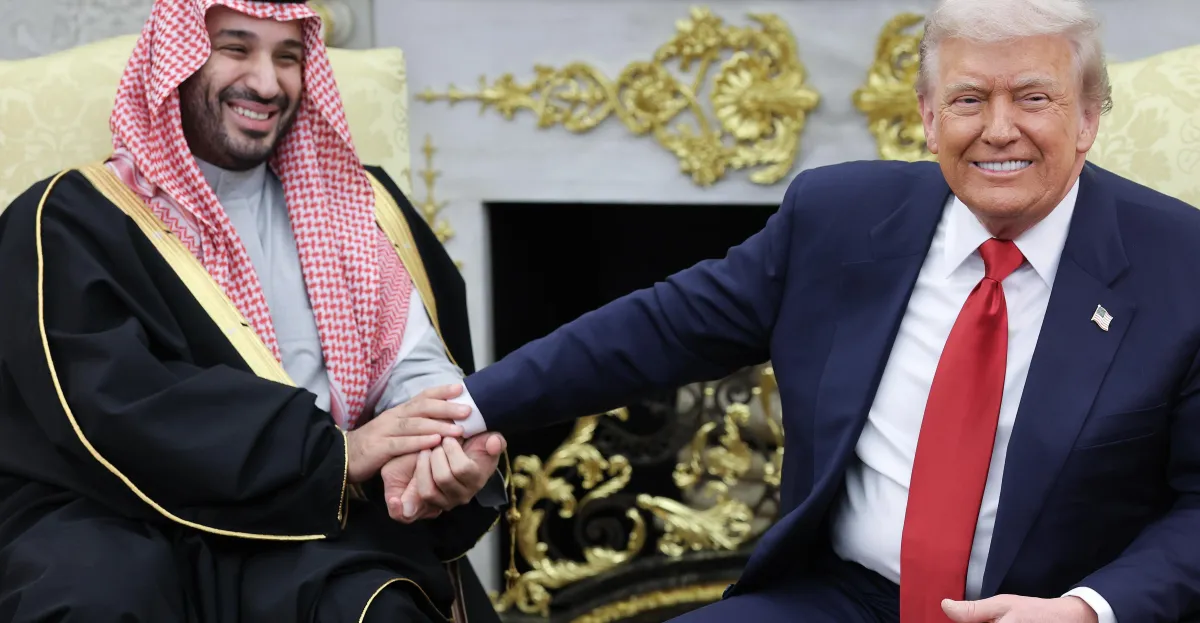
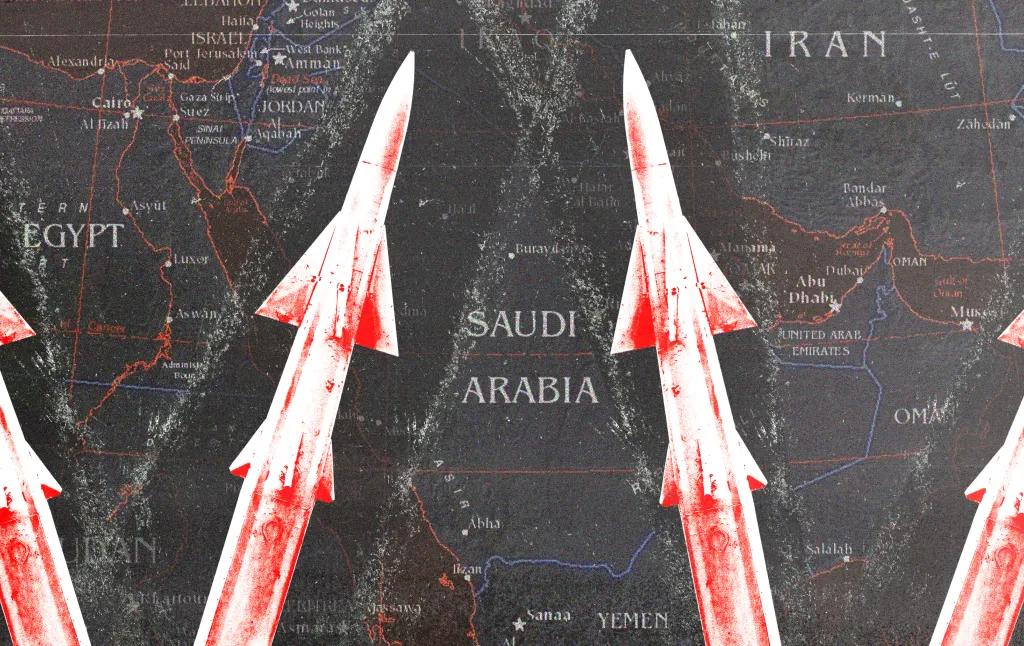
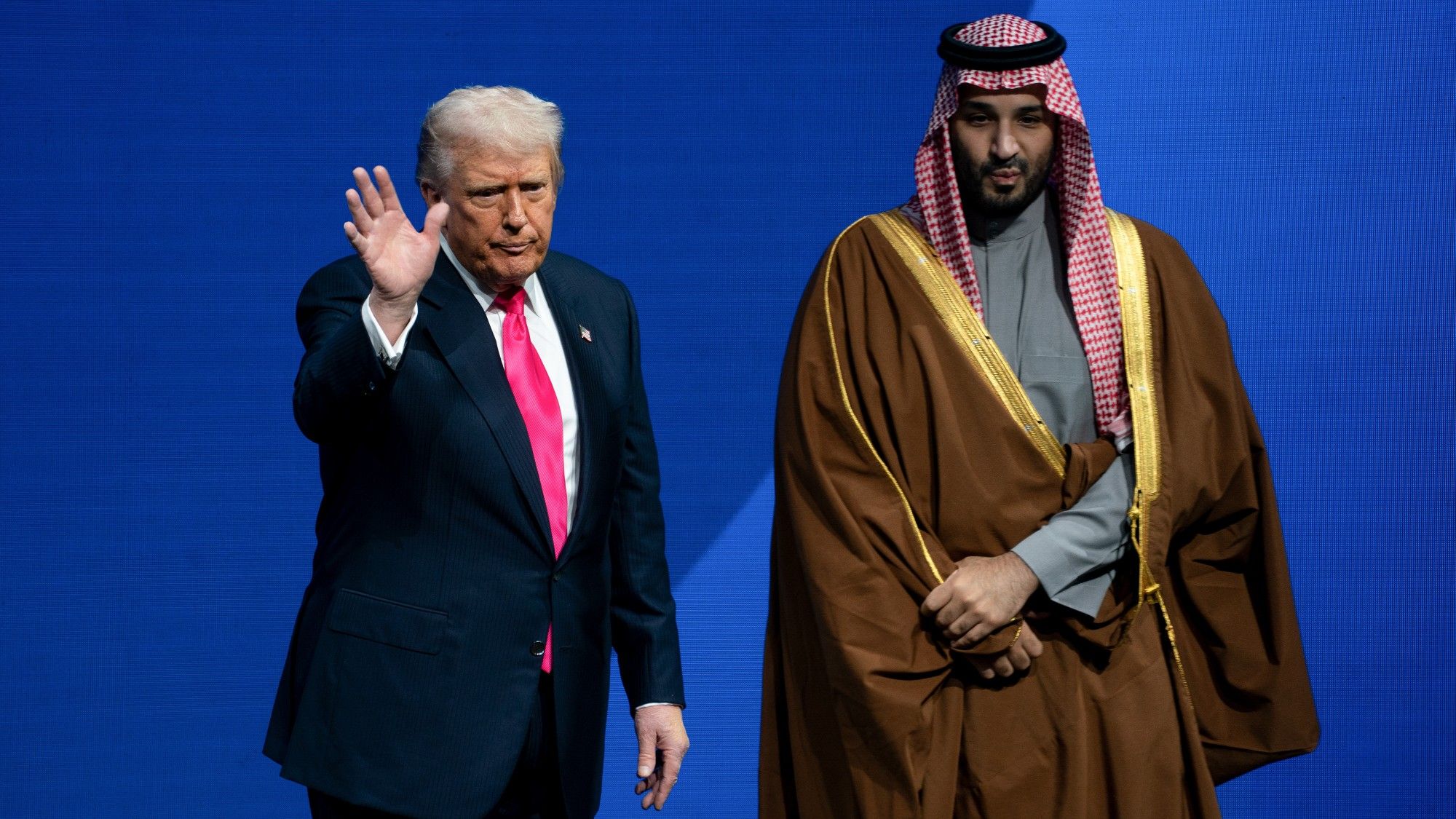
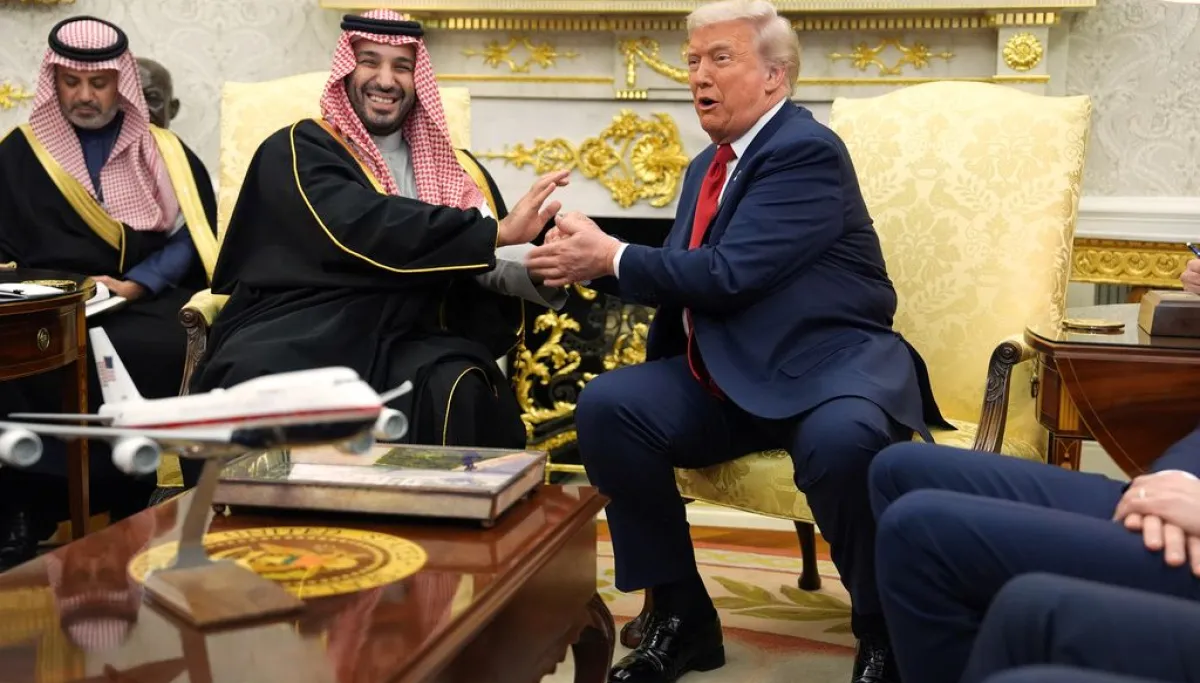
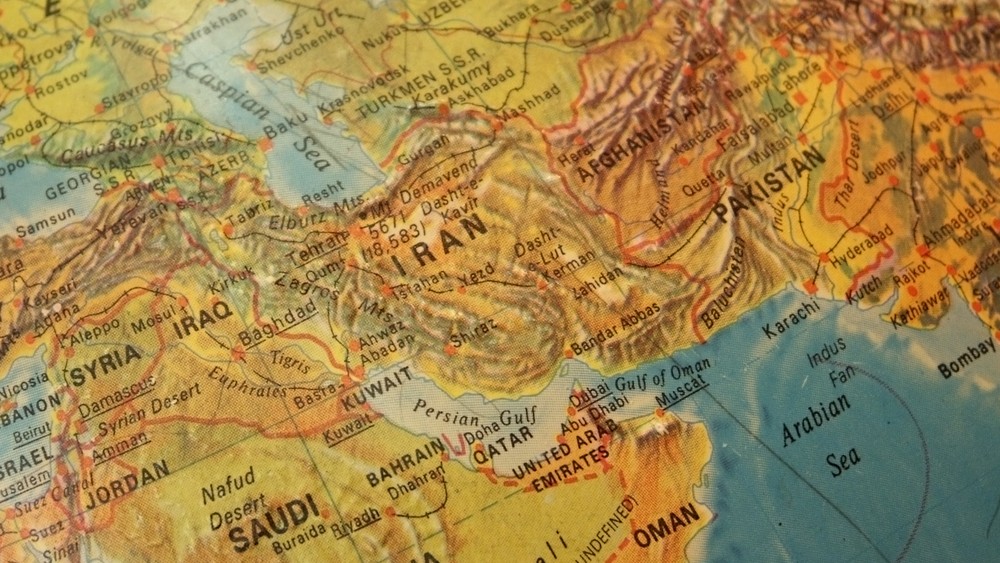
Trump likes to test big ideas in real time, and very publicly. Earlier this week, Washington was prepared to surrender one of its most valuable bargaining chips with Saudi Arabia, without the conditions one would expect from American foreign policy. For years, successive U.S. administrations treated domestic uranium enrichment as the one concession Riyadh could not have without paying a strategic price. Most recently, that cost was normalization with Israel. Two days ago, Trump was willing to simply give that leverage away for free as he grew increasingly desperate to regain control of a war that shouldn’t have been waged. But by late Thursday - one can imagine under immense Israeli pressure (which has already had an outsized impact on U.S. foreign policy in recent months) - the tone had changed, and normalization of relations with Israel was back on the table as a precondition to the Saudi nuclear deal. The overriding problem here is that Trump can’t put the genie back in the bottle, and the world will pay the price for a long time to come. The Iran war has made an Iranian bomb more likely than before, not less. The U.S. administration has failed to maintain control of the war with Iran, and the conflict has become almost entirely about the first major problem it created: control over Hormuz, which was not an issue before. The only hope now is that Congress won’t approve what is essentially going to be the nuclearization of the Middle East, understanding…