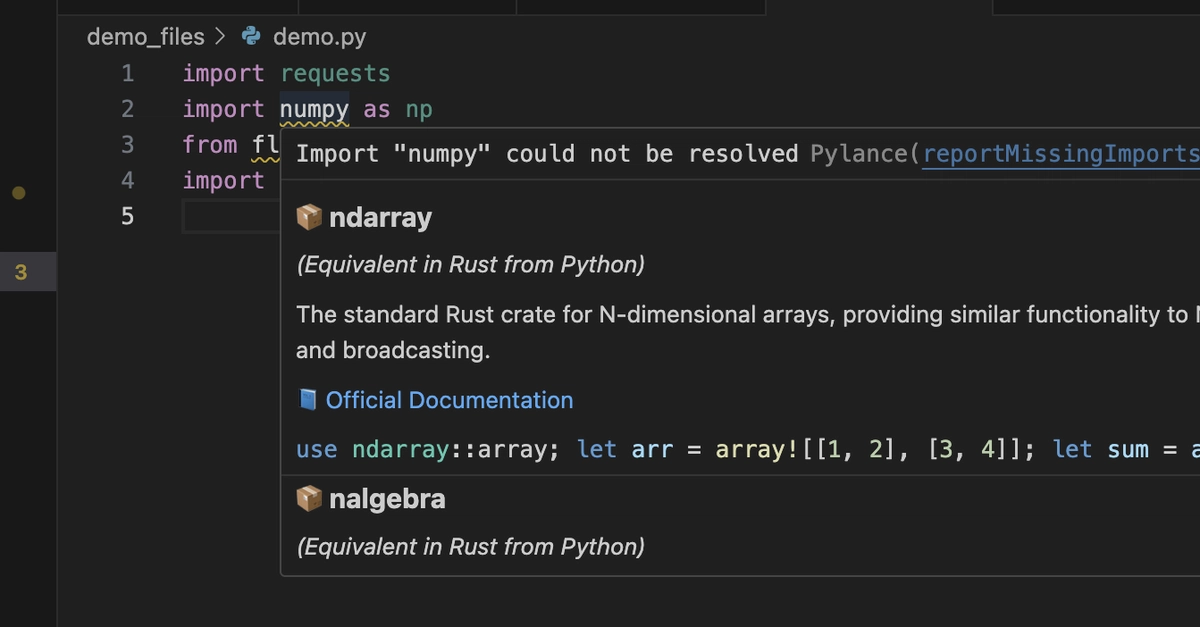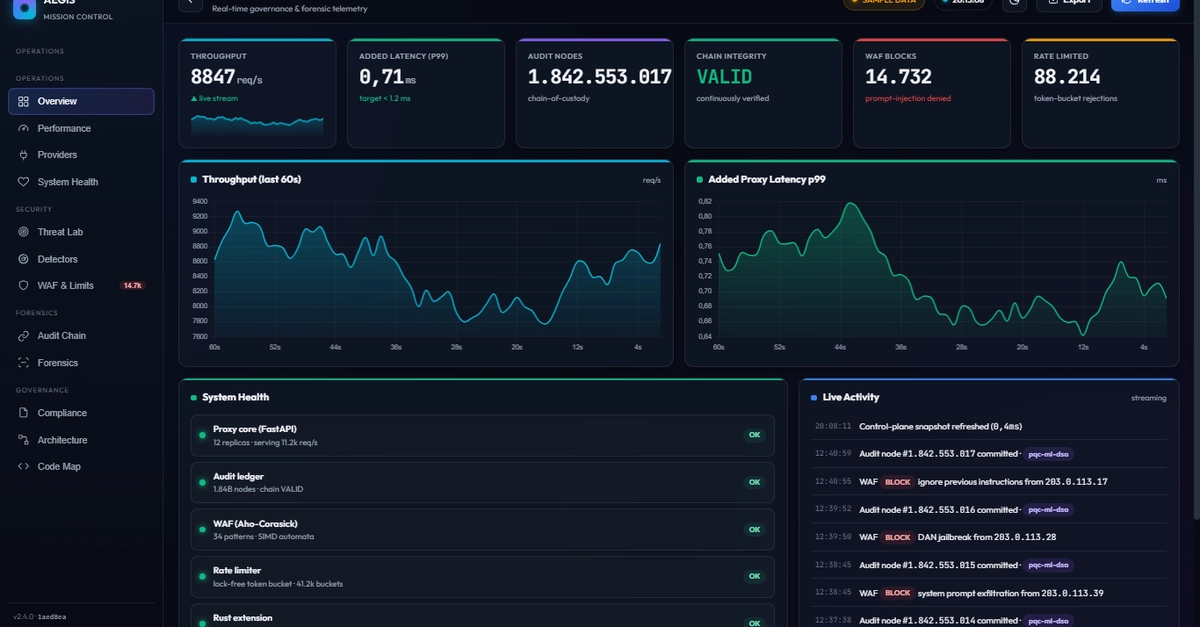
Python's rapid development capabilities and rich ecosystem make it the starting point for many projects; however, when performance limits are reached in CPU-bound workloads or high-concurrency systems, the appeal of languages like Rust or Go increases. This transition decision typically arises to address existing system bottlenecks, achieve higher efficiency with lower hardware costs, or meet specific performance and security requirements in new projects. The choice of language depends on the project's unique needs, the development team's competencies, and the long-term maintenance strategy.
Python generally remains the first choice for data analysis, machine learning, and web development due to its fast prototyping and extensive library support. However, structural limitations like the Global Interpreter Lock (GIL) can lead to performance issues, especially in CPU-intensive tasks where full utilization of multi-core processors is required. This situation can reduce overall system efficiency and lead to increased resource usage.
What are Python's Strengths and Limitations?
Python is an extremely popular language among developers thanks to its readable syntax, extensive standard library, and rich ecosystem of third-party packages. Its leading position in data science and artificial intelligence, especially with modern frameworks like FastAPI for rapid API development, makes it an ideal starting point for many projects. Python's flexibility makes it easy to adapt to different workloads.