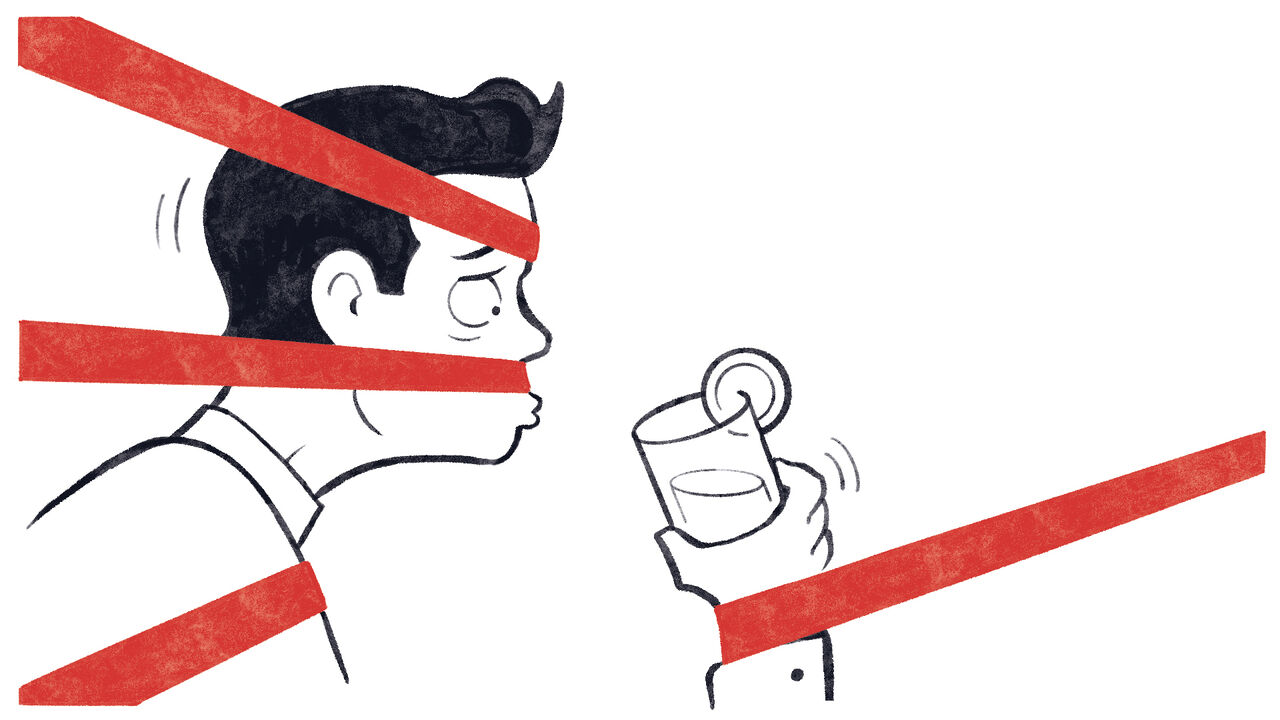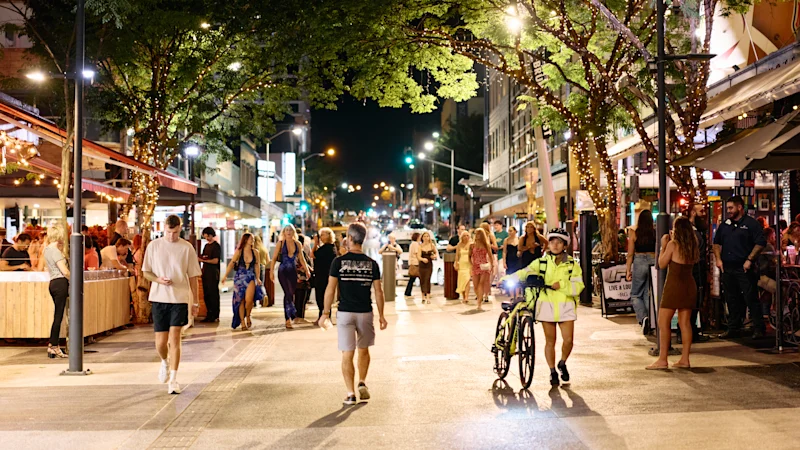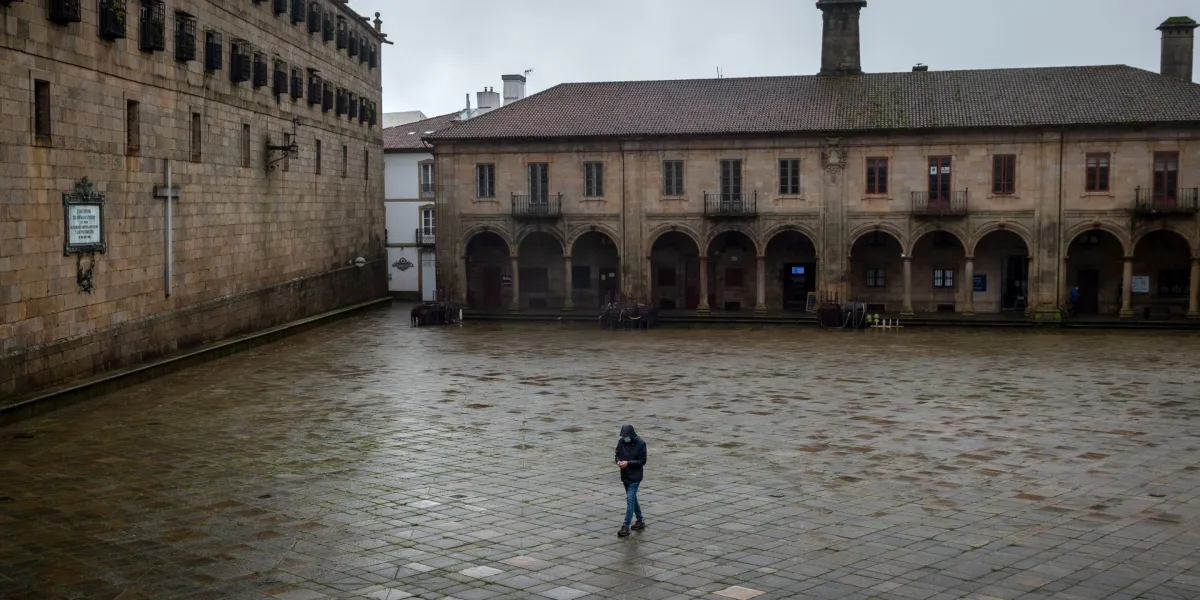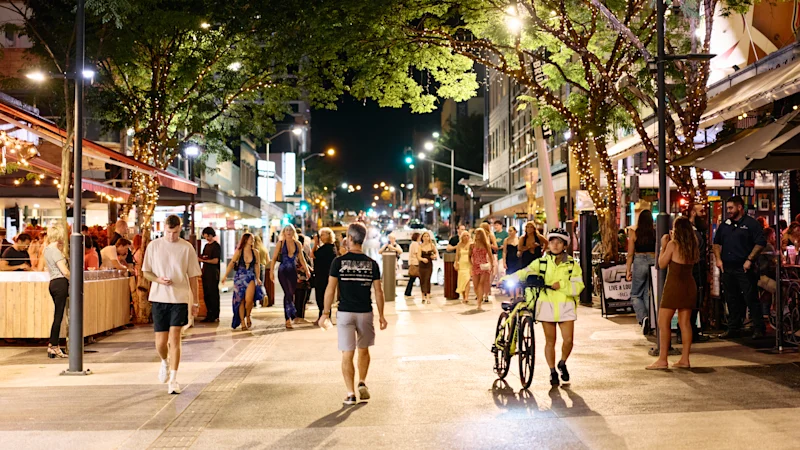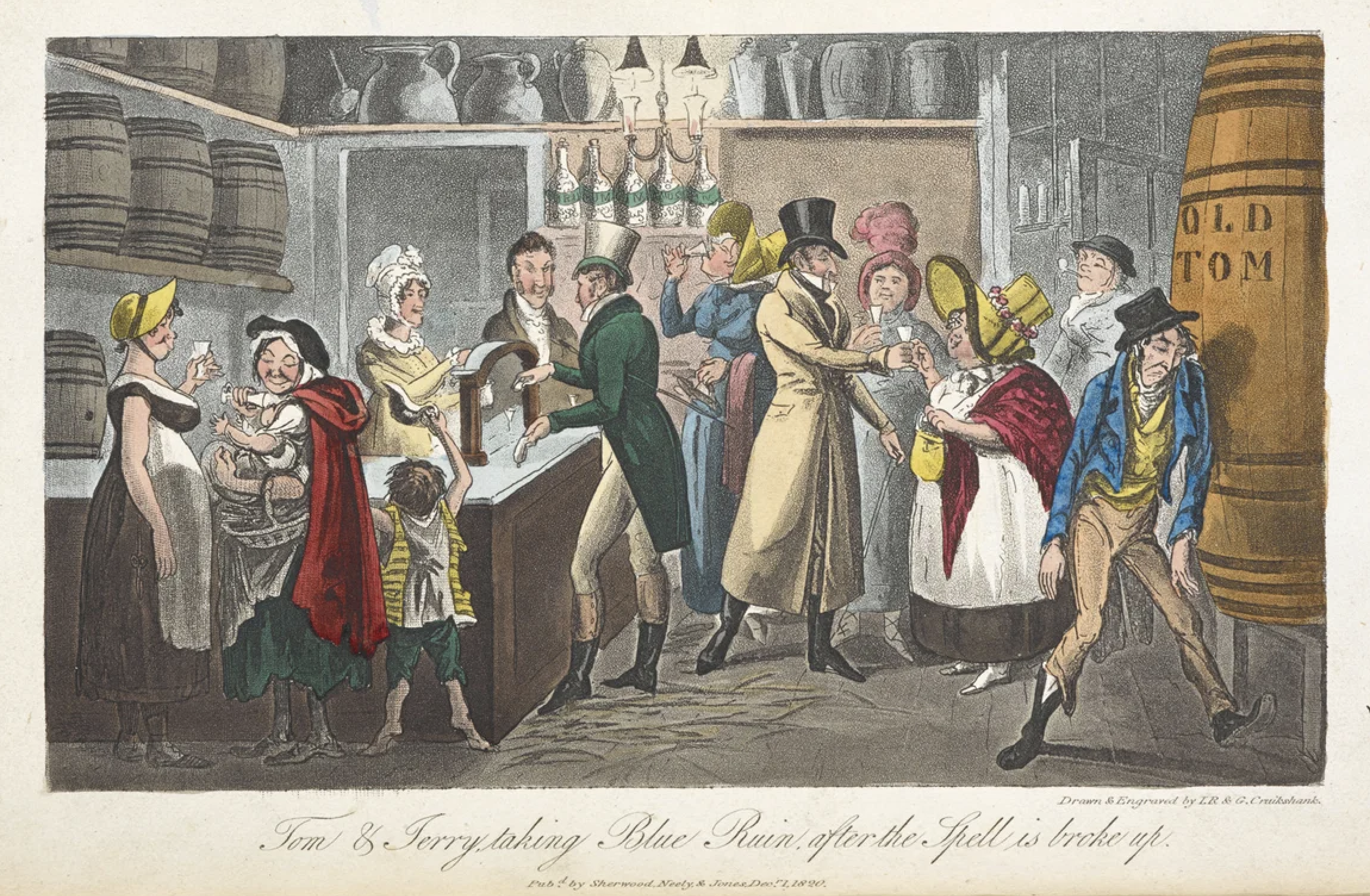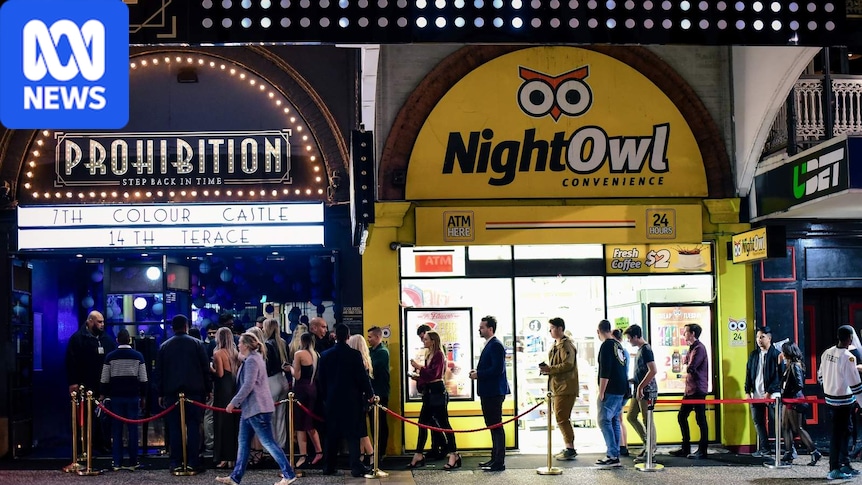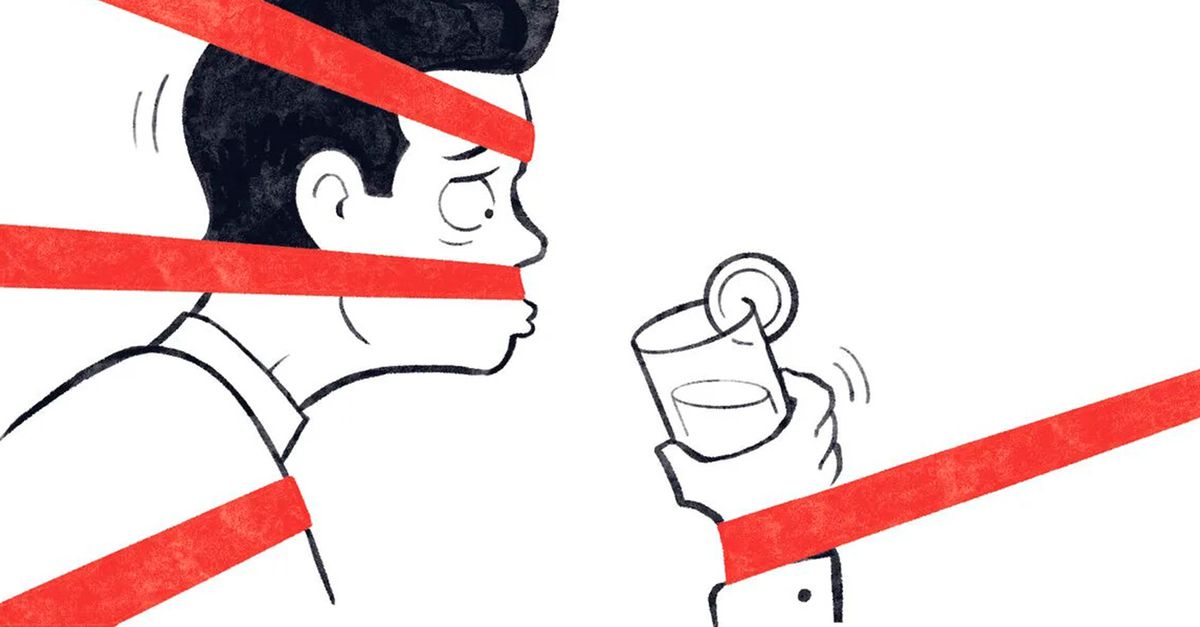
In 1660 the laws of the Puritan Massachusetts Bay Colony declared that its nascent watchmen should „examine all night walkers after ten of the clock at night”. This year Boston’s largest police union offered up a modern equivalent, opposing the extension of bar hours to 3am on the grounds that: „Truth be told, not a lot of good happens after midnight.” For a country that prides itself on defending individual liberty, America has long been surprisingly prissy about nightlife and the boozy, exuberant and sometimes disorderly fun that comes with it. It should learn to lighten up.
Rules about alcohol are often to blame. When Prohibition ended in 1933 a patchwork of laws emerged in its place, from caps on the number of liquor licences for pubs and restaurants to state monopolies over wholesale liquor distribution.
De redactie van NRC selecteert de beste artikelen uit The Economist voor een breder perspectief op internationale politiek en economie.
Over the next decades zoning laws, neighbourhood review boards and other municipal restrictions layered on additional limits for venues that serve alcohol. This bureaucracy was partly motivated by understandable fears over crime and public health. Cities are not just places for drinking and revelry, but also for growing families and people who want safe streets and a good night’s sleep. Drinking too much causes disease, accidents and crime.