Before I was a reporter covering the death of American fun, I tried to run on saving it. In 2021, I ran for New York City Council in my home district of Astoria, Queens, on the slogan “Public Space for the Public Good”—a promise to wrestle back sidewalks, plazas, and streets from car storage and give them back to actual human beings. I wanted more open streets, more benches, more places where a neighbor could just sit down. I didn’t win, but I’ve never stopped noticing when a city takes away somewhere people used to gather, and lately, it feels like that’s happening everywhere at once.
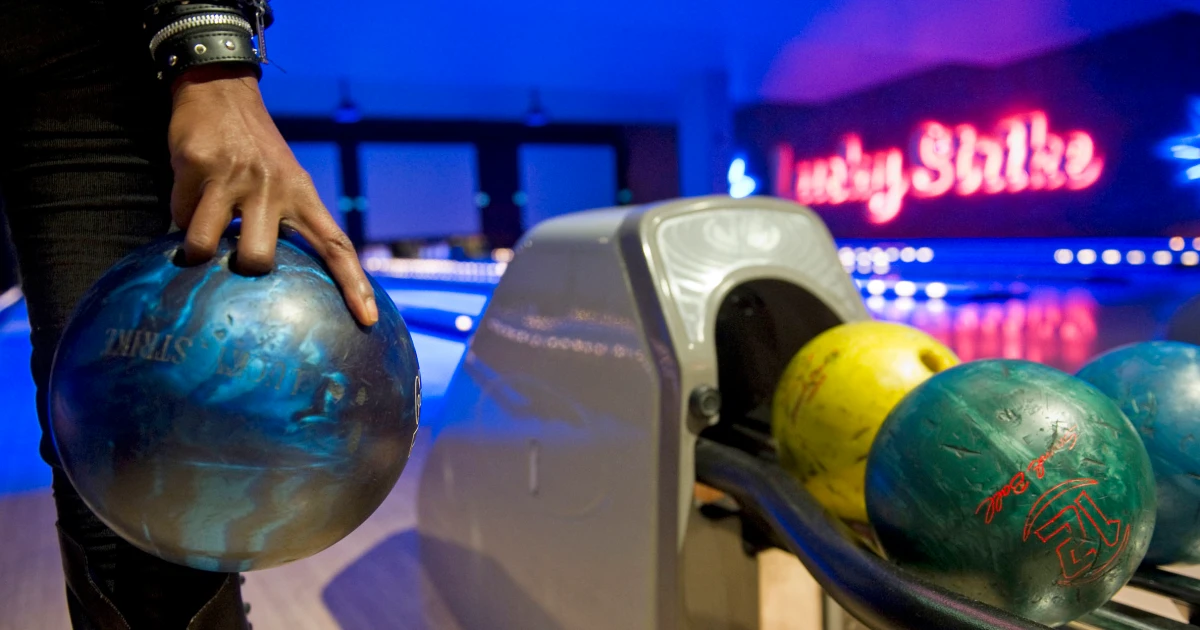
Numbers from the Bureau of Labor Statistics back that feeling up. According to its Quarterly Census of Employment and Wages—which counts business establishments by industry down to the county level going back to 1990—the U.S. has lost a fifth of its movie theaters and nearly a third of its bowling alleys since 2001.
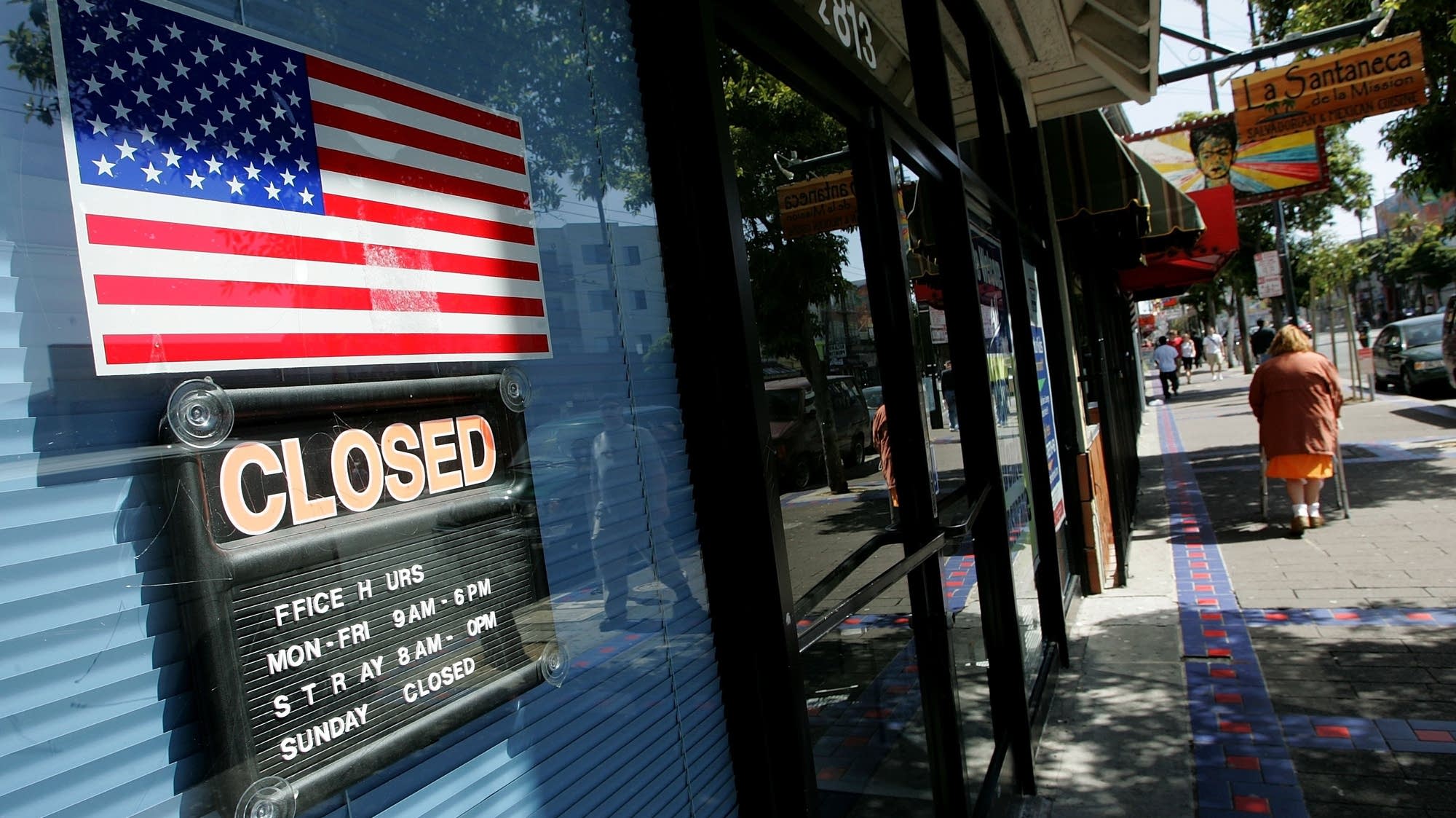
A 2025 study entitled “Uneven access to essential services and amenities: Geographic disparities in ‘third place’ availability across the United States from 2010 to 2021,” found the same pattern holds well beyond bars and bowling alleys. Using Census data, researchers tracked 12 categories of what sociologists call “third places”—among them coffee shops, libraries, museums, recreation centers, and restaurants—and found widespread closures across every single category from 2019 to 2021, with the losses hitting hardest in rural areas and communities with larger Black, Hispanic, and less-educated populations.