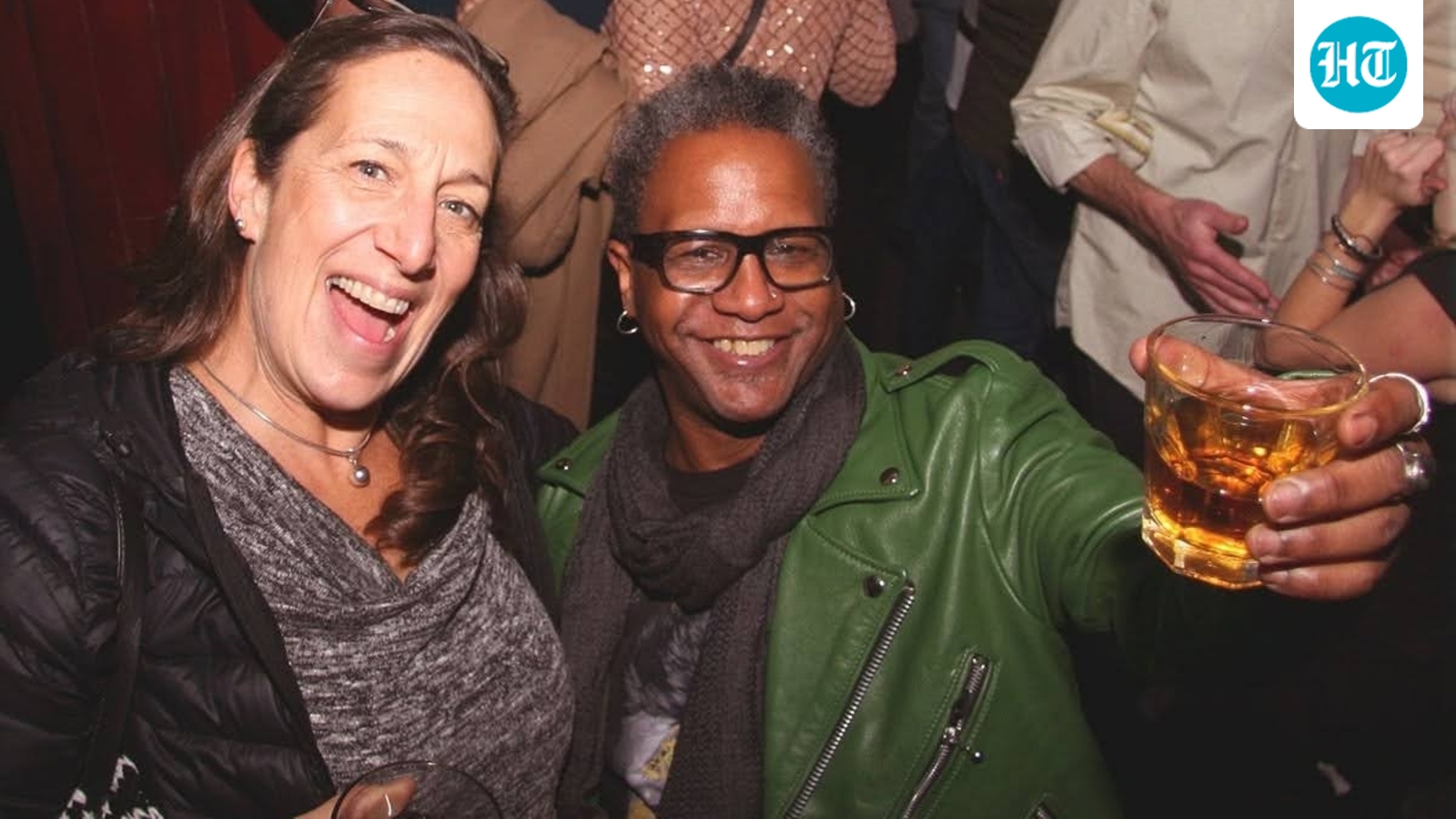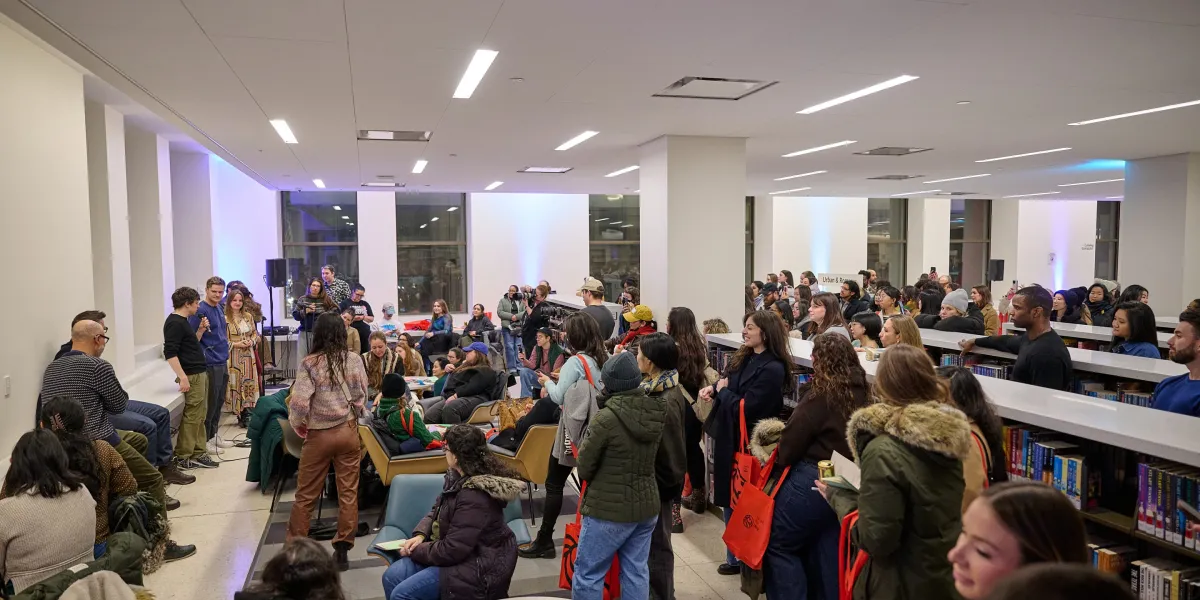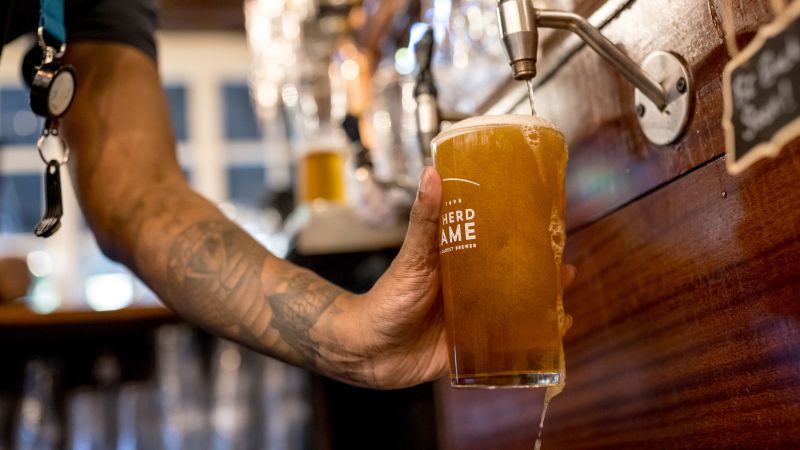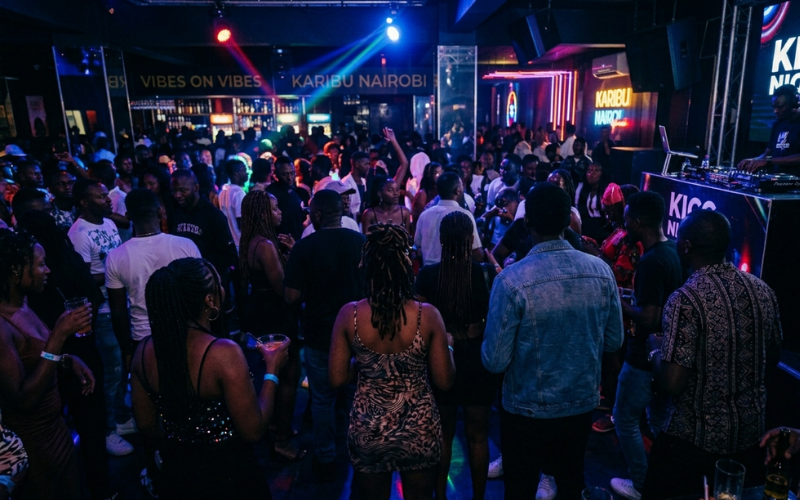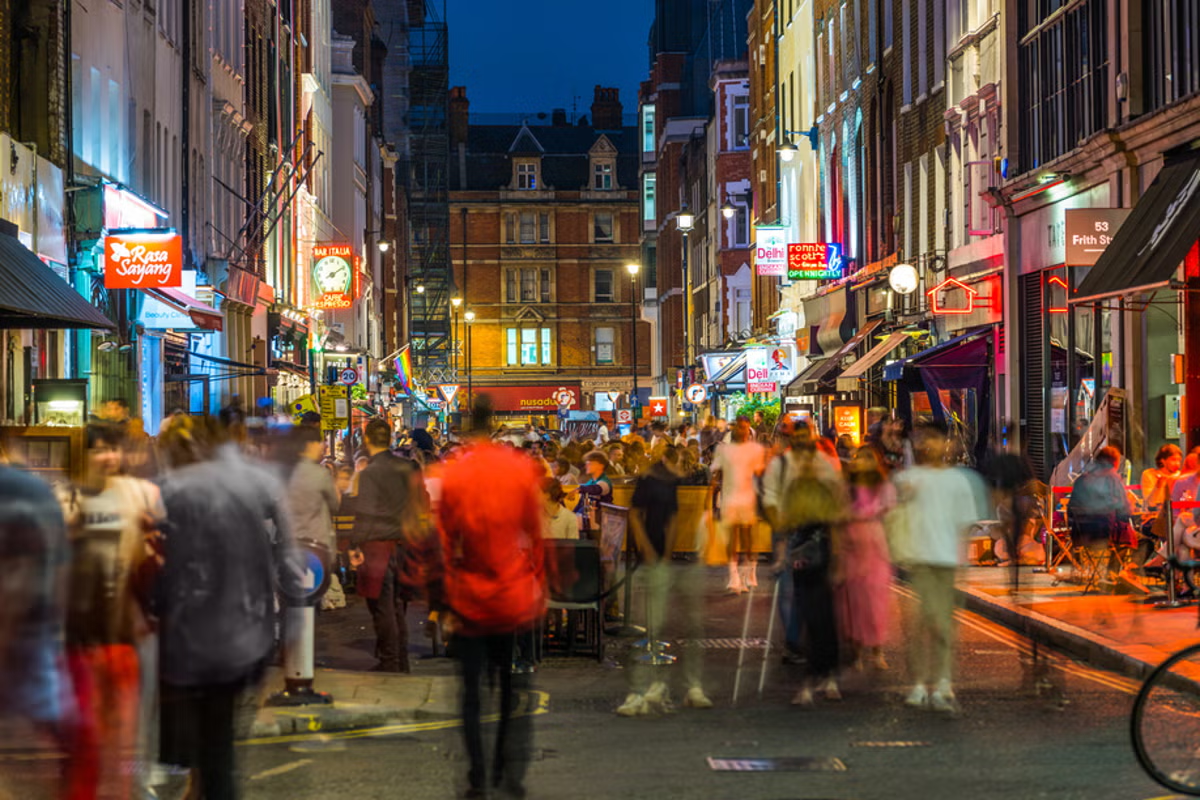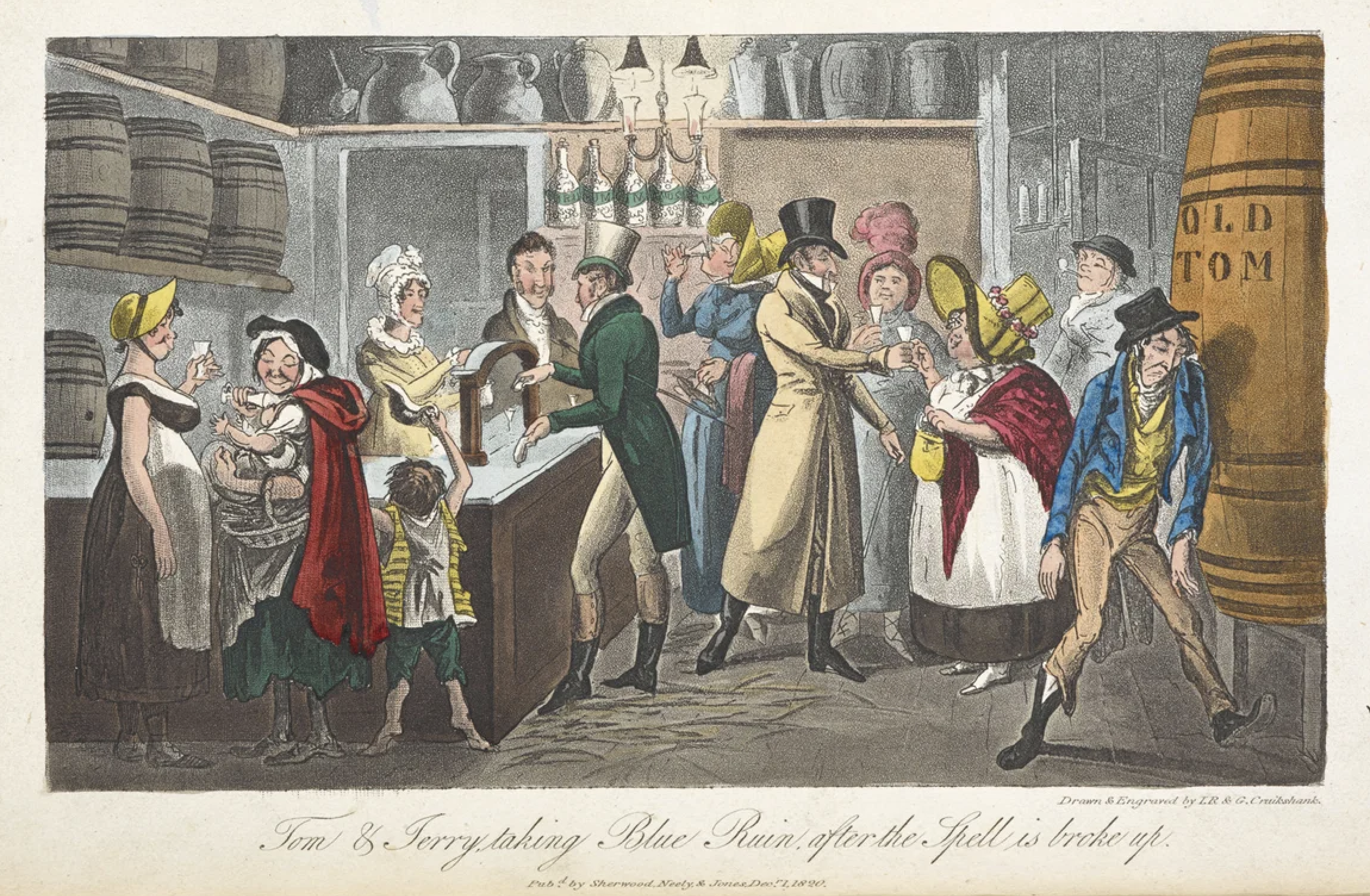
There are times in a person’s life when the end of the week brings a welcome flurry of messages or phone calls: about parties, club nights, secret gigs, off-beat theatre shows, or just a cheesy but life-affirming disco in the backroom of a sticky-floored pub. Are you going out tonight? In The Best Times, his memoir of twenties New York, Lost Generation writer John Dos Passos describes that change in atmosphere at five o’clock: “the air begins to tingle,” he writes. “It’s tonight, if you drink enough, talk enough, walk far enough, that the train of magical events will begin.” We all know that feeling.Article continues after advertisement
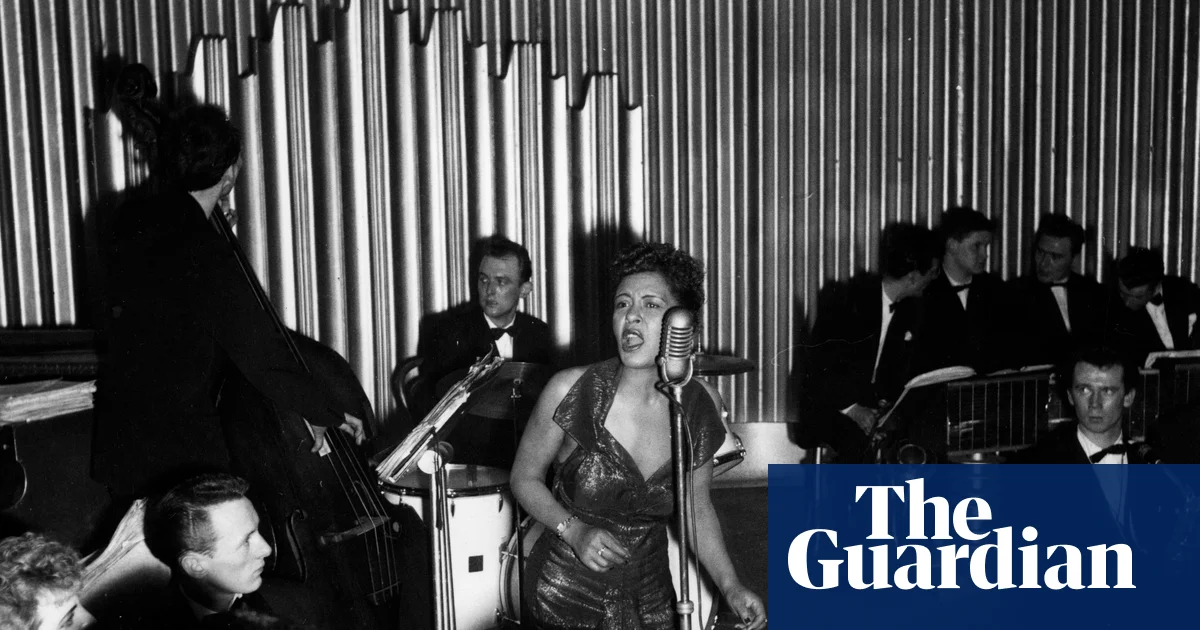
The seemingly superficial act of getting gussied up to drink, dance, have fun and meet people has left an incredible legacy. Nightlife has been the greatest generator of cultural inventions: jazz, the Charleston, the cancan and disco were all created on, and for, dance floors. Not to mention art movements such as surrealism and Dada, whose daring ideas were chewed over at late-night drinking sessions. Nightlife has inspired entire artistic forms such as Japanese ukiyo-e. Considering the influence it had on French modernists, the last century of Western art history would look very different were it not for nightlife. And these knock-on effects are important, sure. But this book is not some lengthy “nightlife as artistic incubator” treatise. Instead, I want to unearth the history of the big night out.