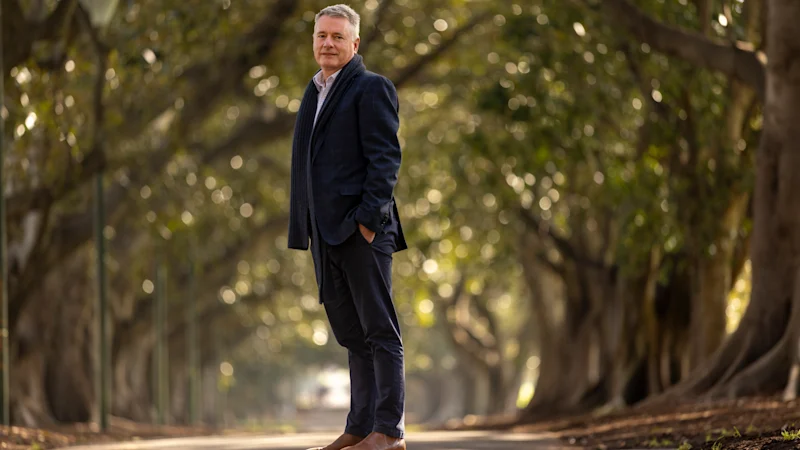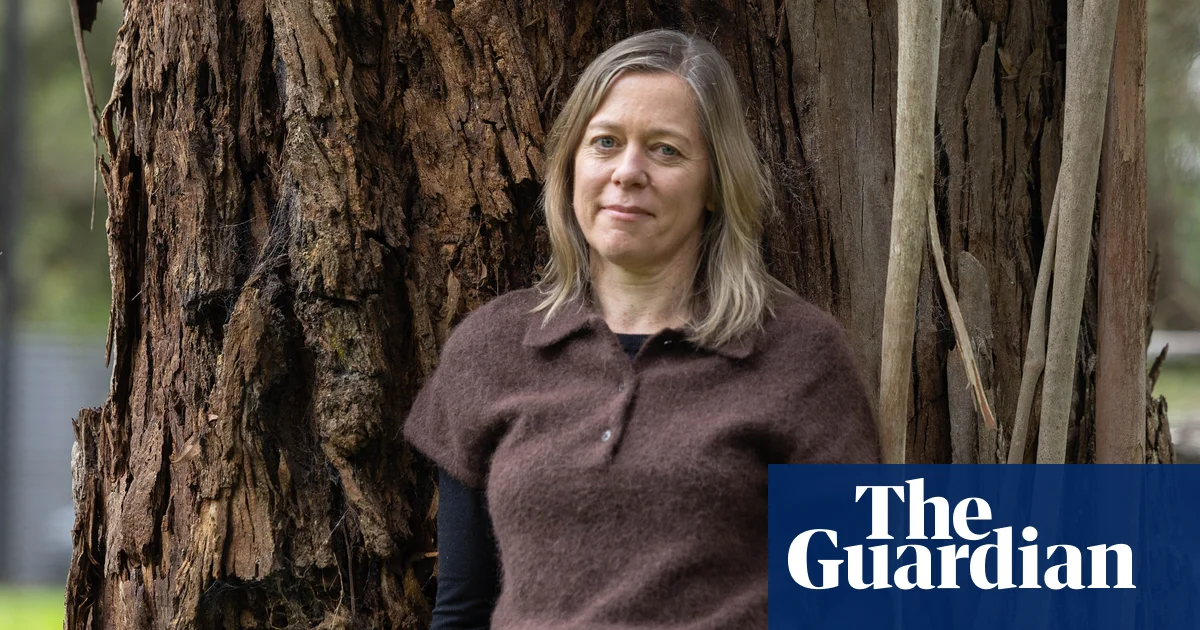
‘We have the privilege of seeing a lot of love,’ Kristen Kappel says – with death ‘the most beautiful, satisfying, precious part of our role’There’s an image that lingers in Kristen Kappel’s mind: a man lying on his bed with his wife, his two daughters and his dog, all snuggled in together.The event was the man’s death. He had just taken the medication that would bring it about.“It was beautiful, and it was exactly what he wanted,” Kappel says.The 51-year-old has attended many deaths in the four years she has been working as a voluntary assisted dying care navigator. She cries at them often. “If we don’t get emotional, then we’re probably done,” she says.It’s far from a burden, though: “The death and dying part … is the most beautiful, satisfying, precious part of our role. It’s actually beautiful.”The care navigator service was established in 2019 when Victoria became the first Australian state to legislate access to voluntary assisted dying. The service’s contact details are publicly available but in the years since VAD laws were passed, the navigators themselves have largely stayed out of the public eye.For many terminally ill people, navigators help chart a course through what can feel like a legal and administrative wilderness, giving the patient more dignity and control over their death in the face of tremendous suffering.All Australian states and the Australian Capital Territory now have lawful VAD, and the Northern Territory government expects to table legislation to allow it in the coming weeks. And awareness of, and interest in, VAD is growing. While it accounts for just 2% of all deaths nationally, according to data compiled by the end-of-life-choice charity Go Gentle, every state and territory with available data reports increases in assessments and uptake since 2024.In Victoria, the increase has been softer but it has been felt keenly by the small cohort of navigators whose job it is, in the first instance, to answer the phone.“It’s a little bit chaotic at the moment,” Kappel says. “We could have anyone call us – and we do … They might be patients, they might be family members and friends, they might be doctors, they might be aged care facilities.”Stigma within the health system itself can hold up people seeking VAD. ‘Then it’s too late by the time they get to us, and that is very distressing,’ Kappel says. Photograph: Ellen Smith/The GuardianWhat follows may be simply posting out an information pack, or it may initiate a longer relationship as people grapple with the advancing stages of their illness or face complications with the assessment process. The job may involve linking patients with doctors trained to assess VAD eligibility, or even turning up on the patient’s chosen day to mix the medication.“Sometimes it’s an extraordinarily intimate relationship, in a way,” Kappel says. “You’re seeing people who are dying, who are distressed. You’re seeing them in person, you might be seeing them on the day of their death, and you get to know their family. So that can be quite intense.”She adds: “We have the privilege of seeing a lot of love. I think you carry a little bit of just about everyone with you.”‘Peace of mind in choice’The process of determining eligibility and access to VAD usually takes at least six to eight weeks, and requires multiple appointments with specially trained doctors.It can be “quite arduous” for some people, says Jill Mann, 62, a navigator based in the regional city of Geelong. “Our role is to try and help it be seamless.”Even then, around a third of people who gain access to VAD don’t use it. “There’s peace of mind in choice,” Mann says, and comfort that comes from a person being empowered at one of the most vulnerable moments in their life. “They can’t change the trajectory [of their disease],” she says. “They don’t have control over that, but this, they do.”Geelong navigator Jill Mann says the decision to use VAD can create an opportunity for estranged family members to reunite. Photograph: Ellen Smith/The Guardian
Voluntary assisted dying care navigators help Victoria’s end-of-life patients chart a course for choice
‘We have the privilege of seeing a lot of love,’ Kristen Kappel says – with death ‘the most beautiful, satisfying, precious part of our role’
1,325 words~6 min read