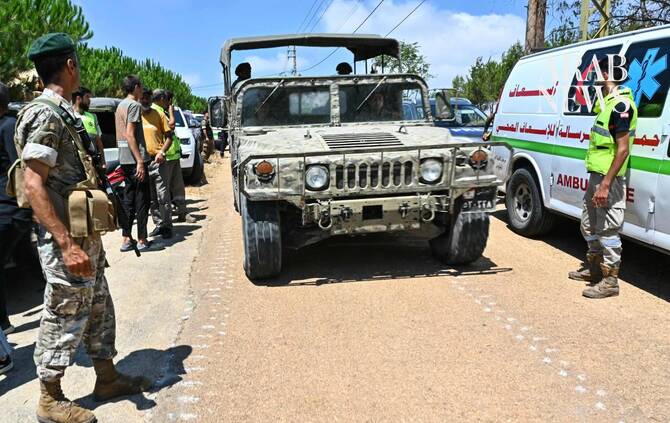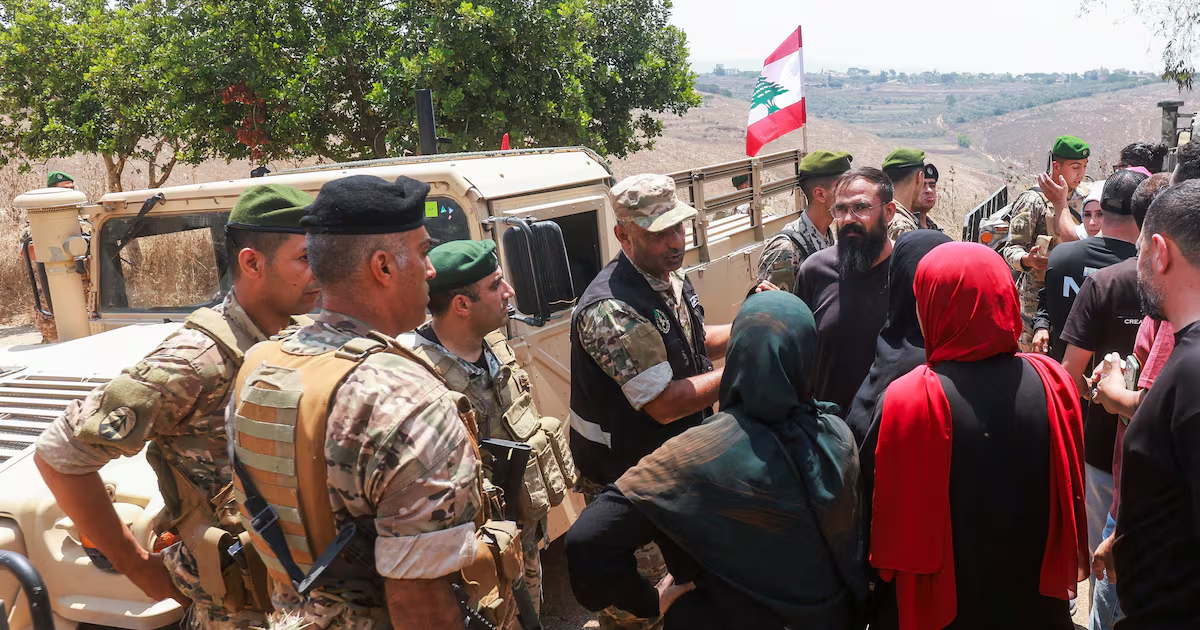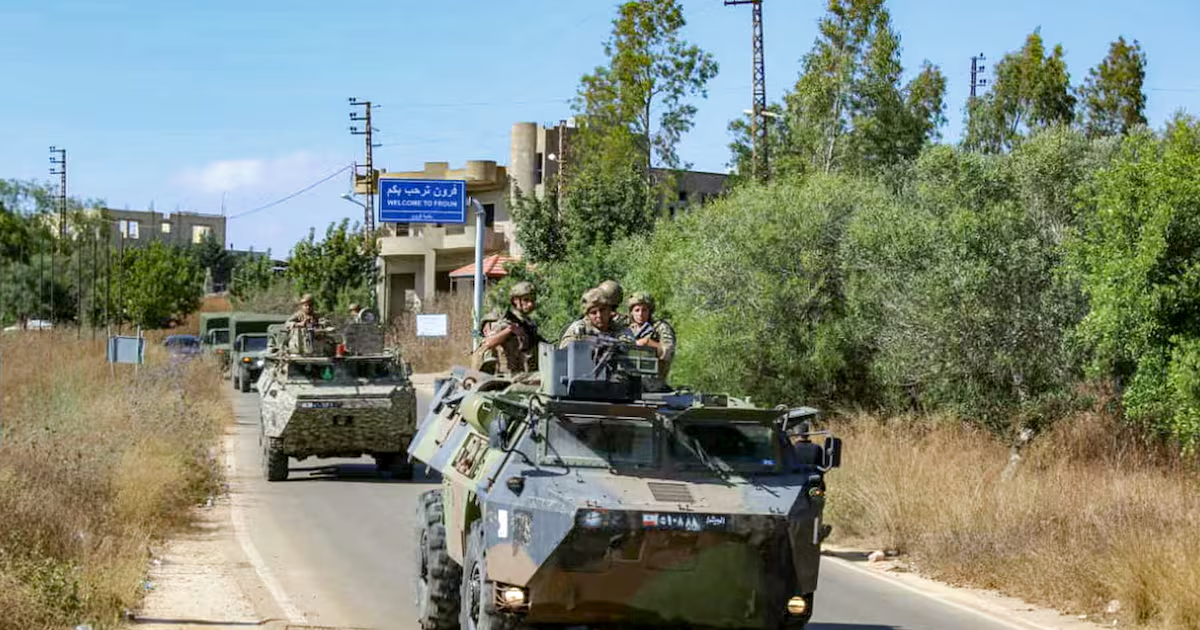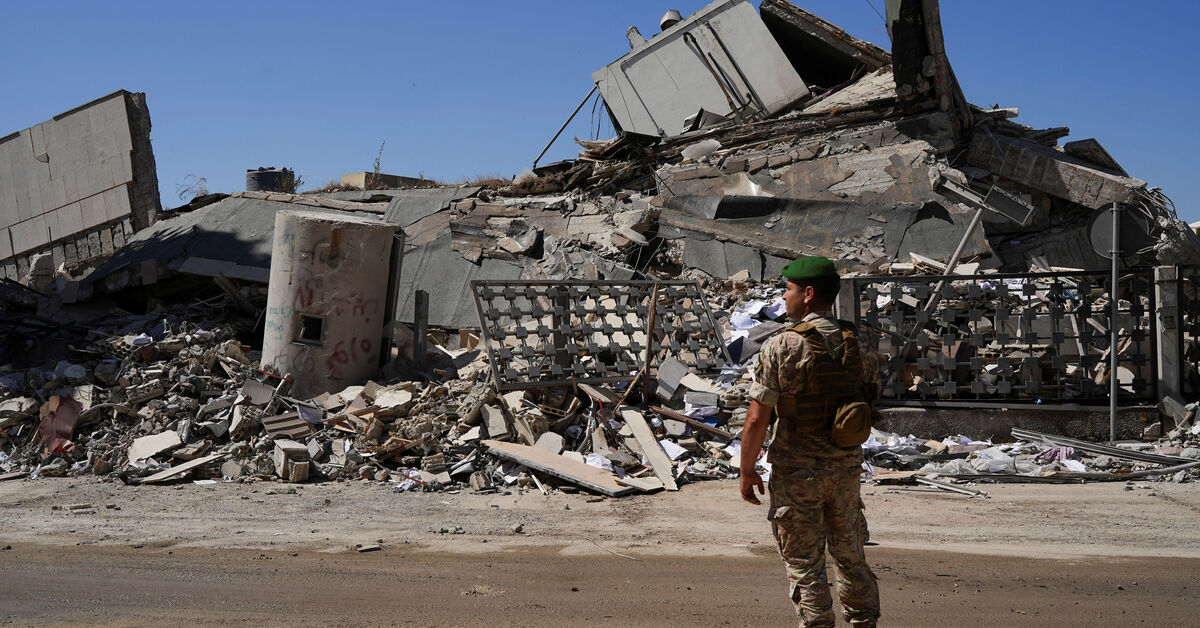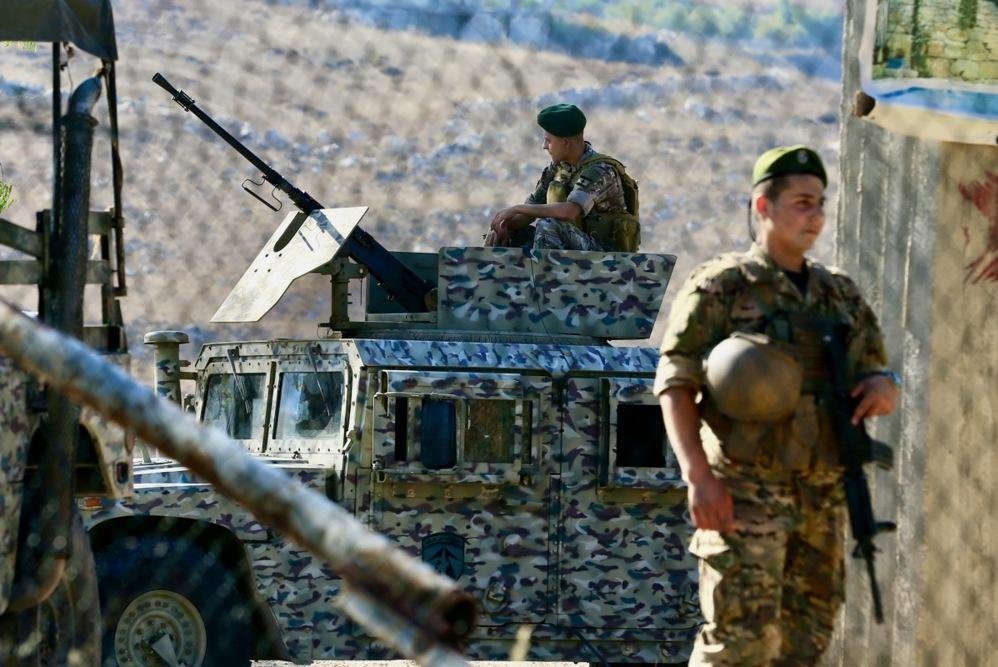
Lebanese soldiers stand guard as the Army deploys to Zawtar al-Gharbiya in southern Lebanon on July 23. Lebanon sent troops to take control of so-called pilot zones in southern Lebanon from which Israeli troops are to withdraw. Photo by EPA
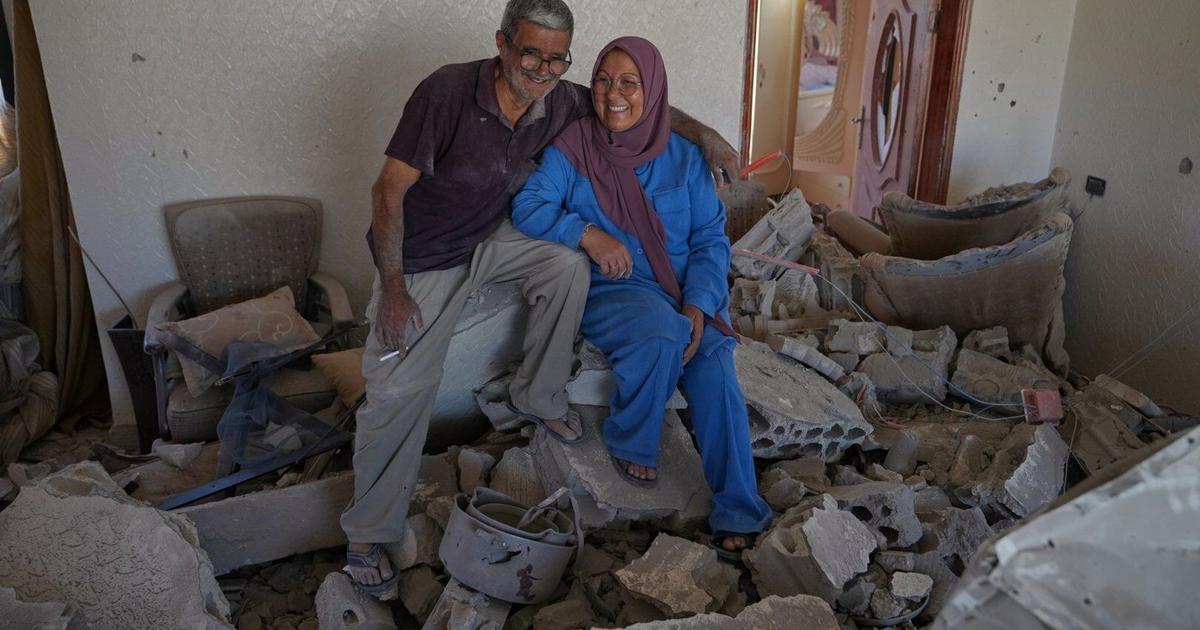
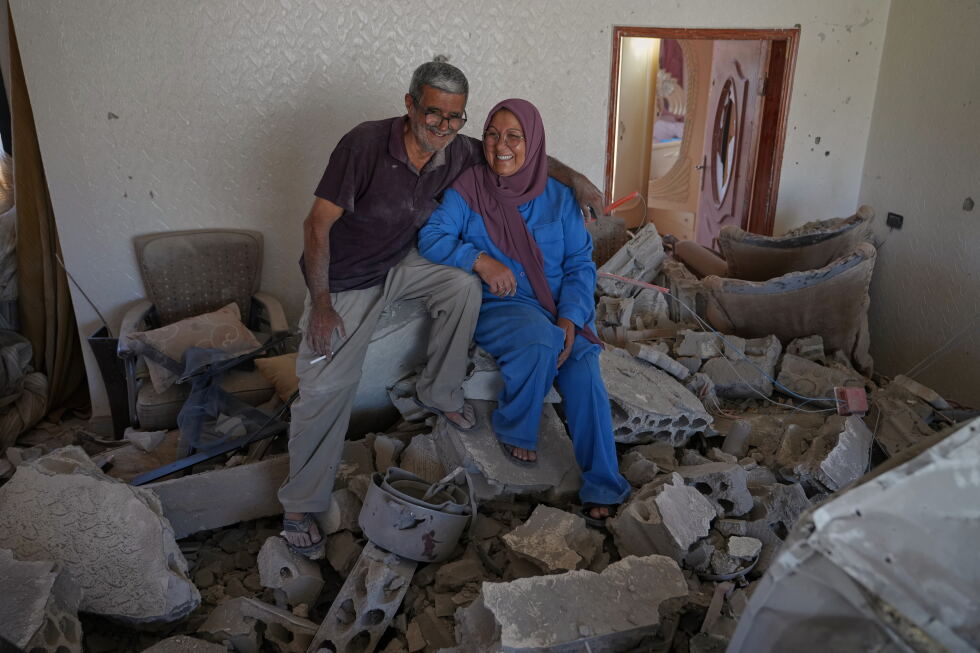
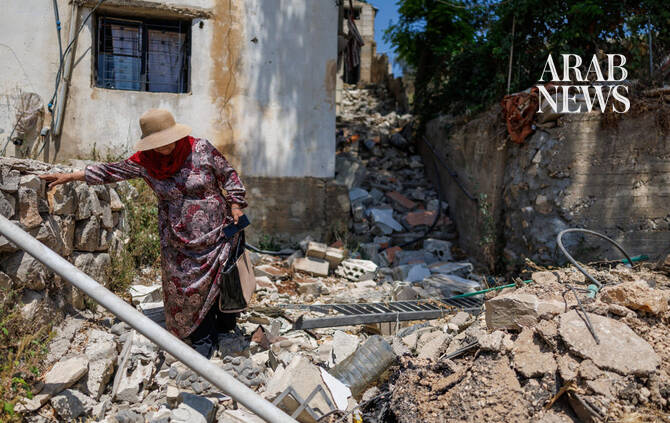
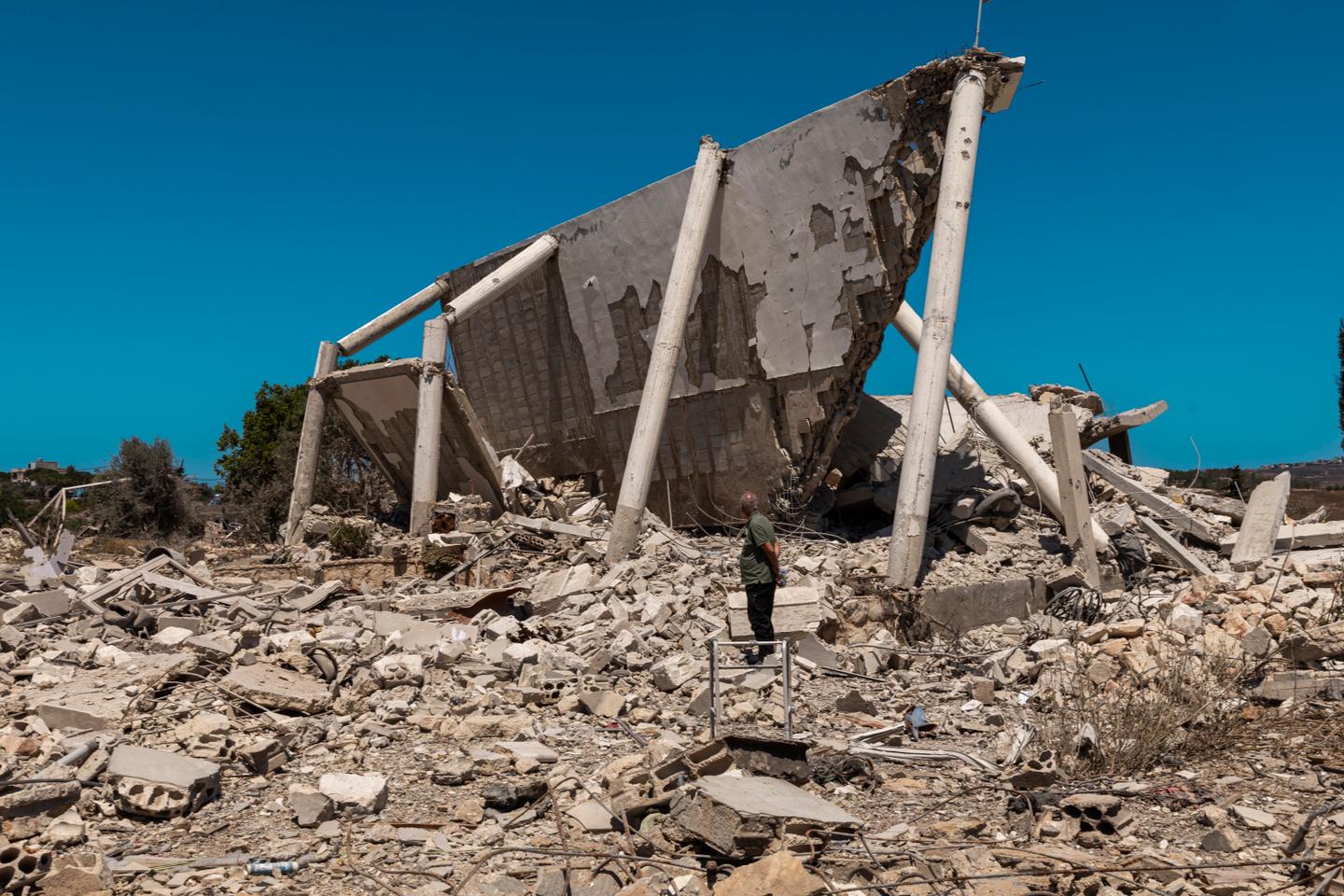
BEIRUT, Lebanon, July 30 (UPI) -- The widespread destruction left behind by Israeli forces in Zawtar al-Gharbieh -- the first U.S.-backed "pilot zone" in southern Lebanon -- was beyond anything its returning displaced residents could have imagined, providing a glimpse of the devastation across the southern region and the extensive reconstruction needs ahead.
Situated in the central sector of southern Lebanon near the strategic Litani River, Zawtar al-Gharbieh represents the testing ground for the success of the pilot zones -- the cornerstone of the U.S.-brokered framework agreement reached between Lebanon and Israel on June 26.
It was the first village designated by Israel to begin withdrawing its troops, allowing for the deployment of the Lebanese Army and return of displaced residents. Yet, it reveals the significant and complex challenges facing the process.
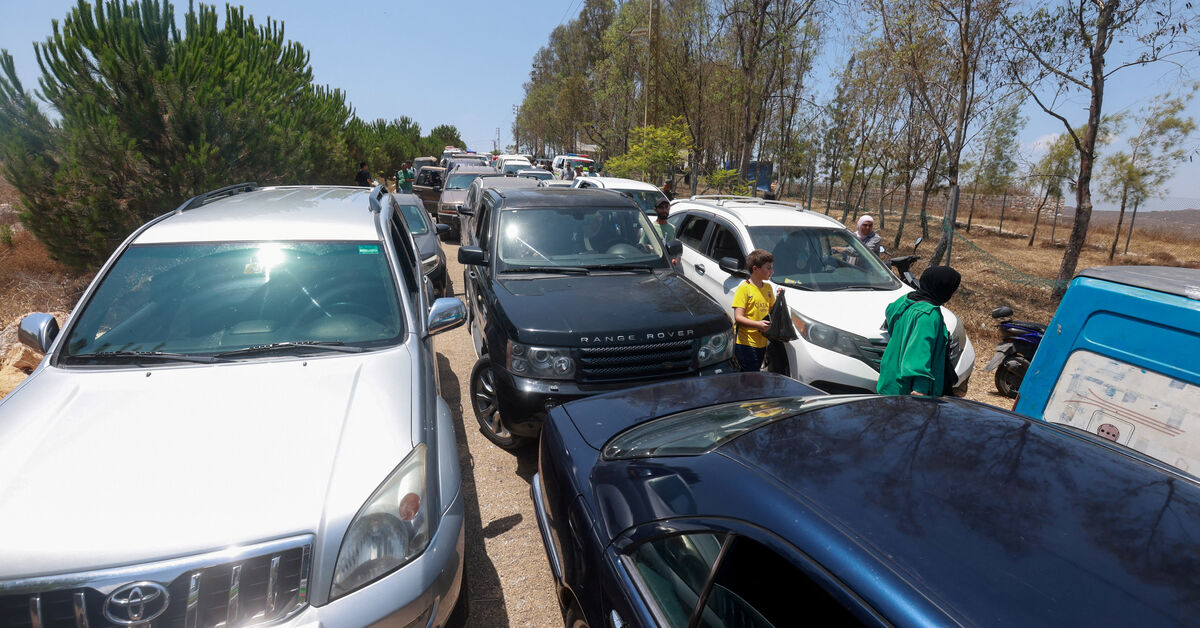
The residents rushed back to the village when the Lebanese Army moved in July 21, returning each morning and waiting at the entrance for five days before they were finally allowed to enter and inspect their homes and properties.