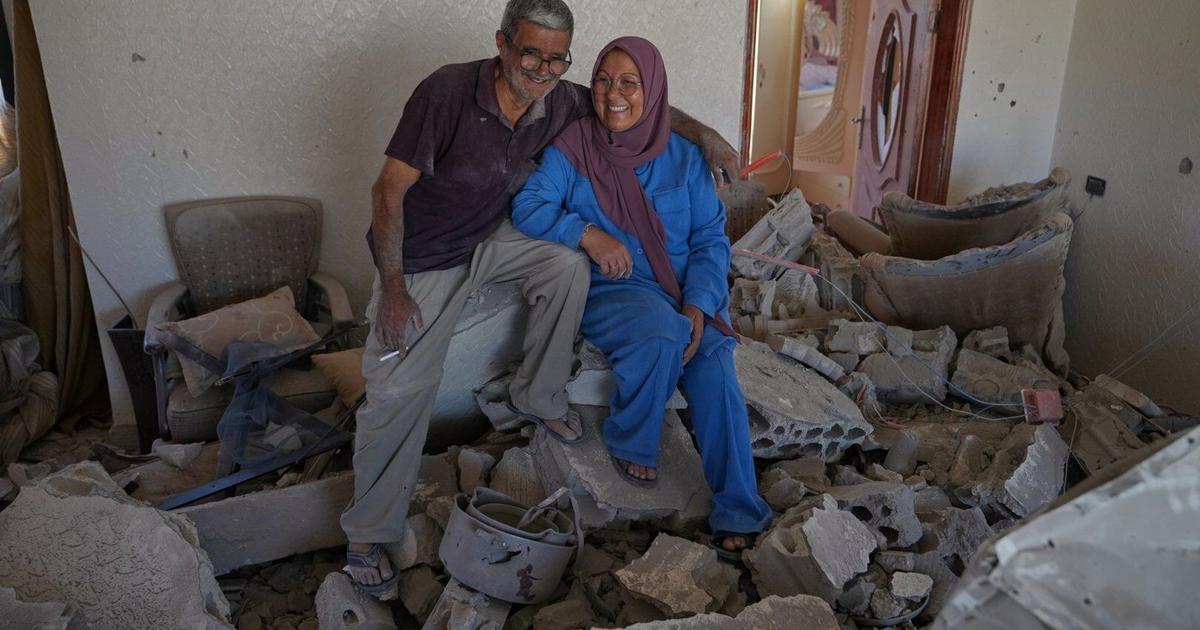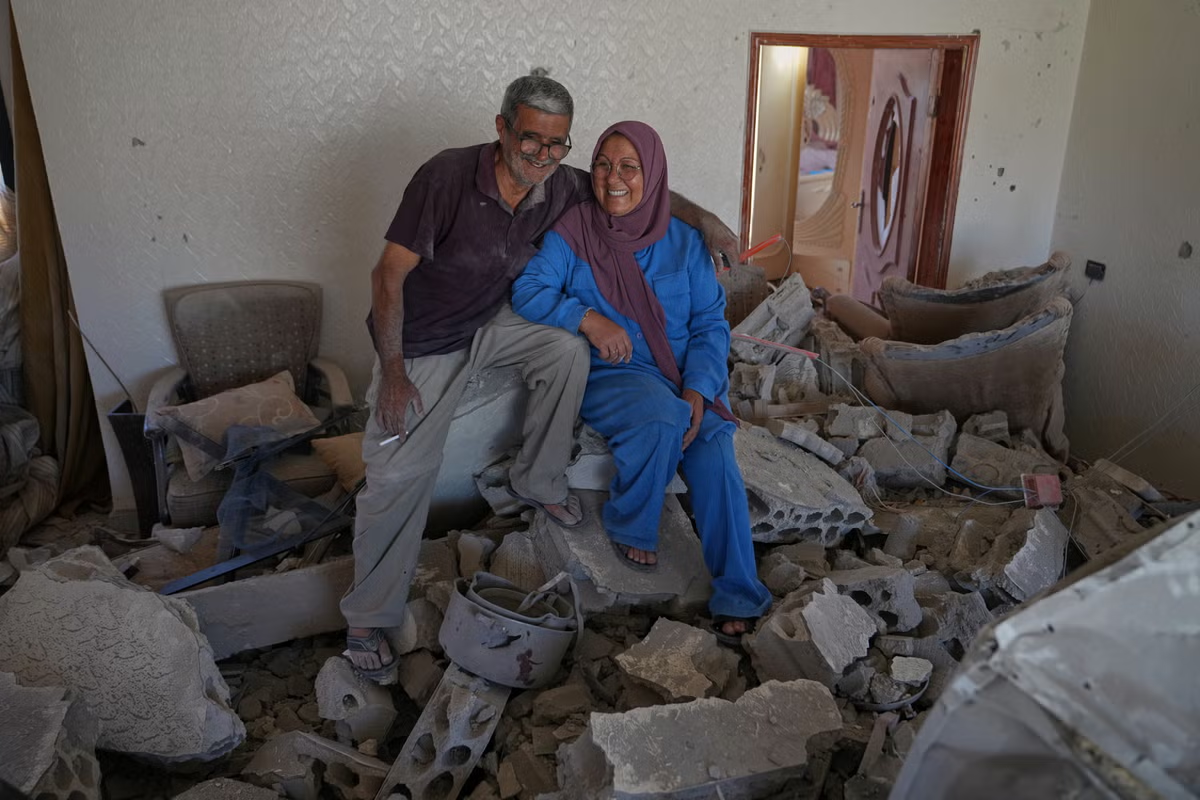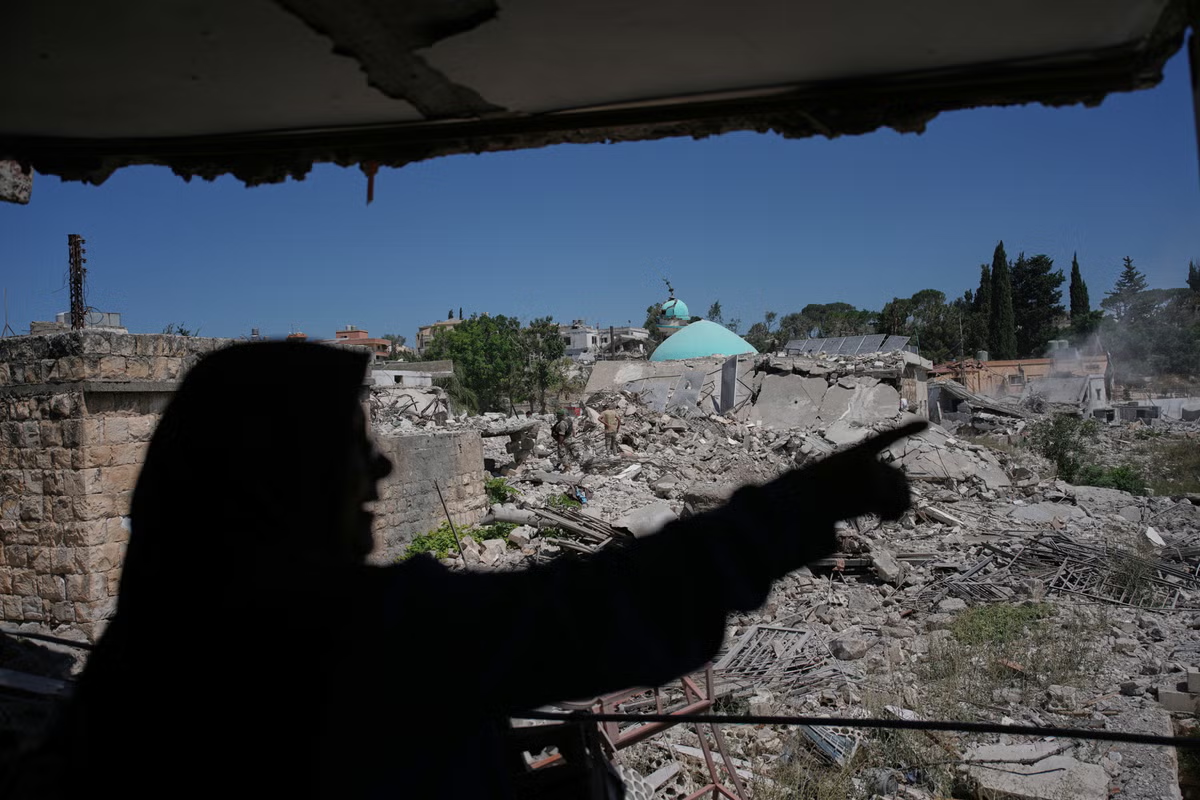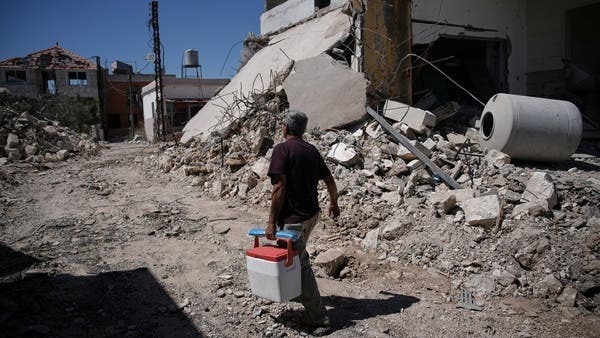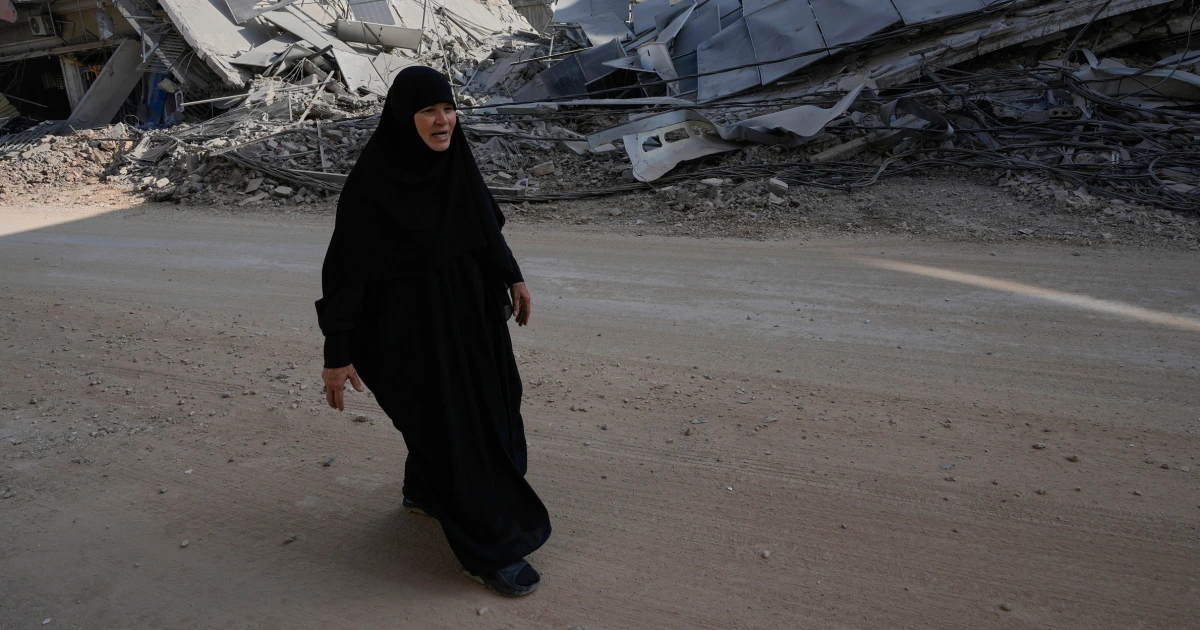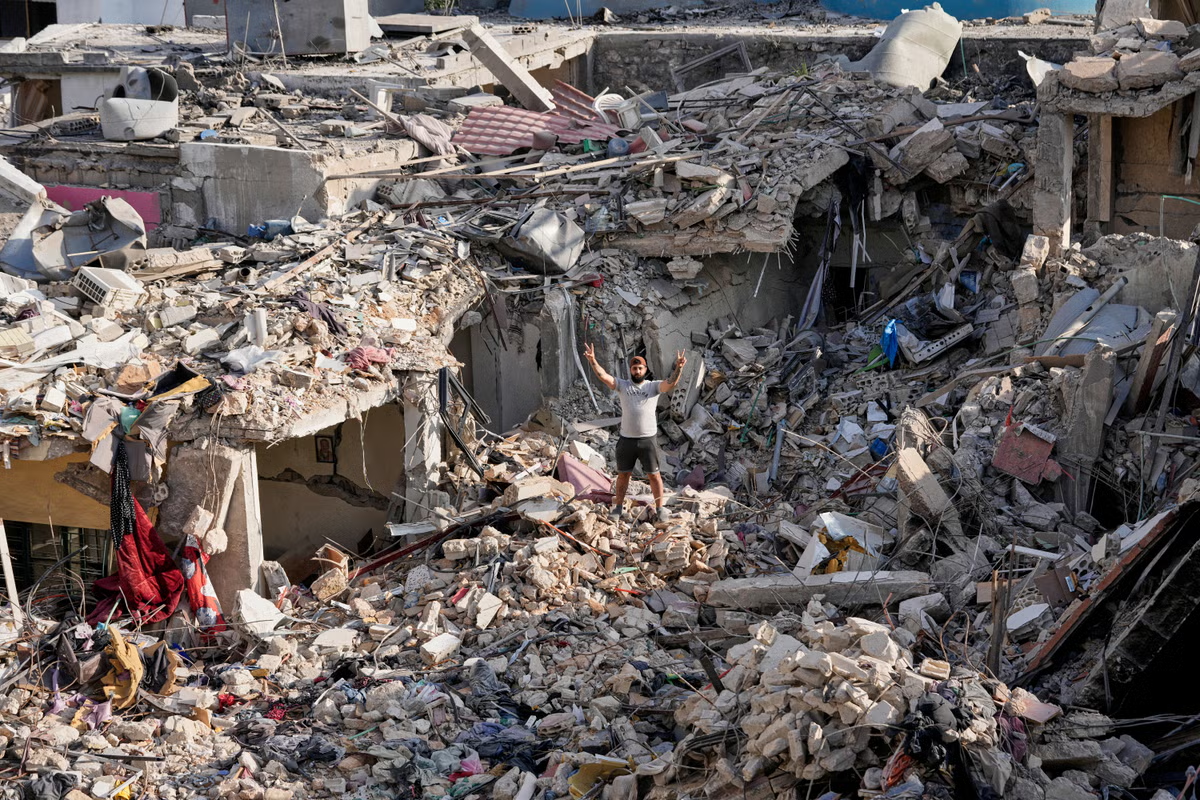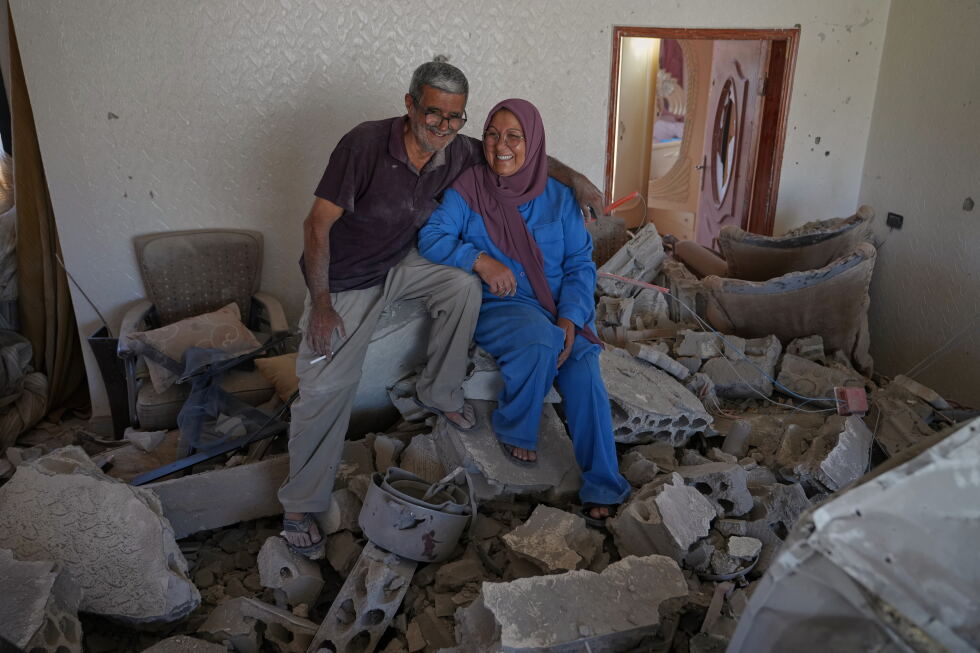
ZAWTAR AL-GHARBIEH, Lebanon (AP) — Mahasen Faqih and her husband returned this week to their village in southern Lebanon, digging through the debris of their home in search of their belongings, as part of the U.S.-brokered “pilot zones” agreement in which Israel agreed to withdraw in exchange for the disarmament of the Iran-backed Hezbollah militant group.The couple fled north shortly after the start of the latest Israel-Hezbollah war, in early March. Now, their home in Zawtar al-Gharbieh — one of three zones where Israel agreed to turn over control to the Lebanese army — is among homes so damaged that they’re unlivable. But Faqih said they’ve vowed to stay, settling inside the large grocery shop that they own in the village as they wait to have their home demolished and rebuilt.“Zawtar is our small homeland, and we are very happy,” Faqih, 58, said. “We will sleep here to tell the Israelis that we will stay in our land and will not leave it, no matter what happens.”
A week after the Lebanese army took control, only about 15 families have returned, according to Mayor Abed Ezzeldine, who says nearly half the village’s 500 homes have been destroyed and many others damaged. Hezbollah is strongly opposed to the initial deal reached between Israel and Lebanon — which remain technically in a state of war since Israel’s establishment in 1948 — and to the direct talks between the nations, ongoing for nearly three months.