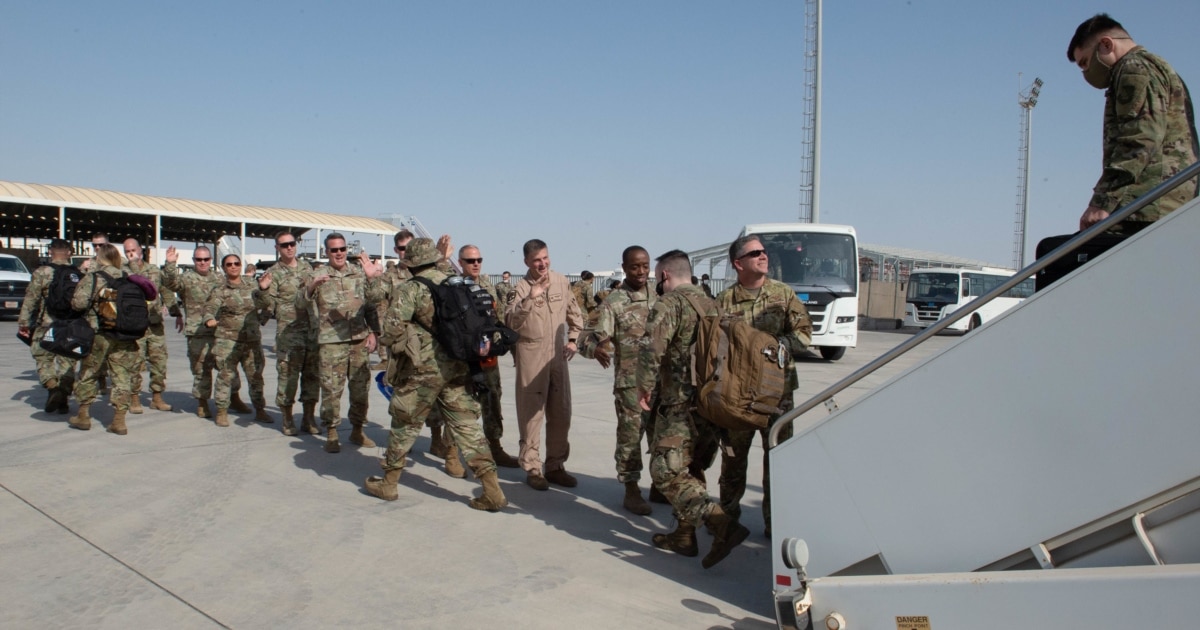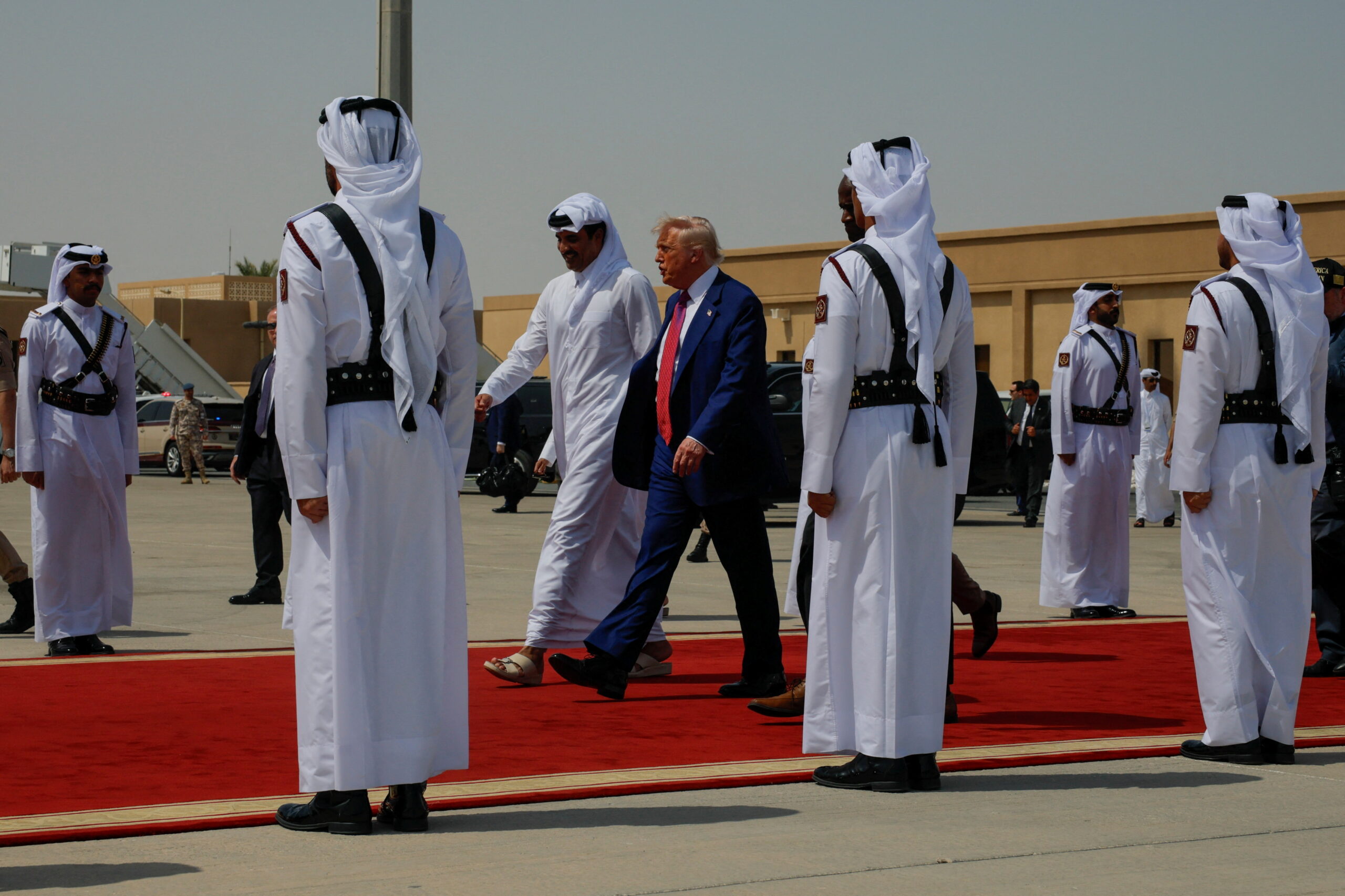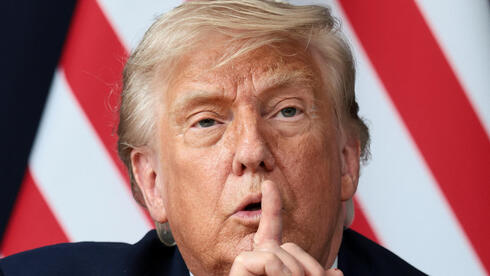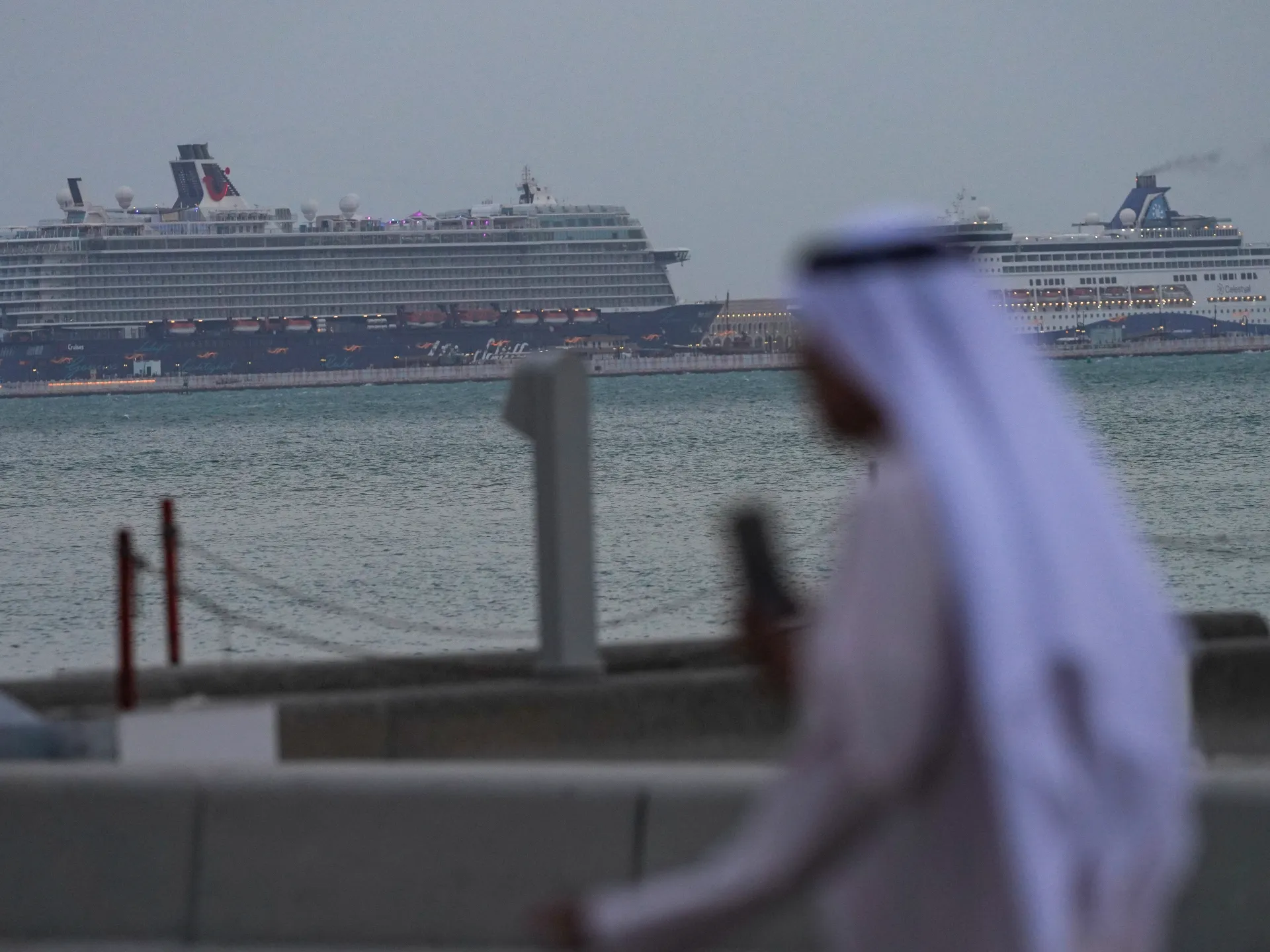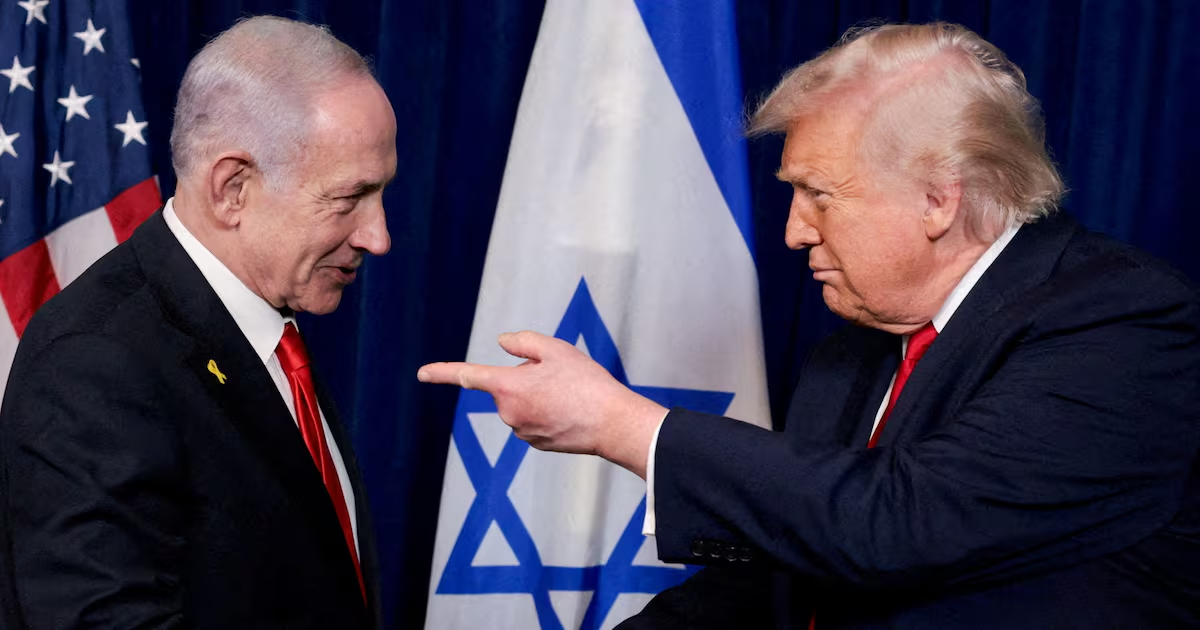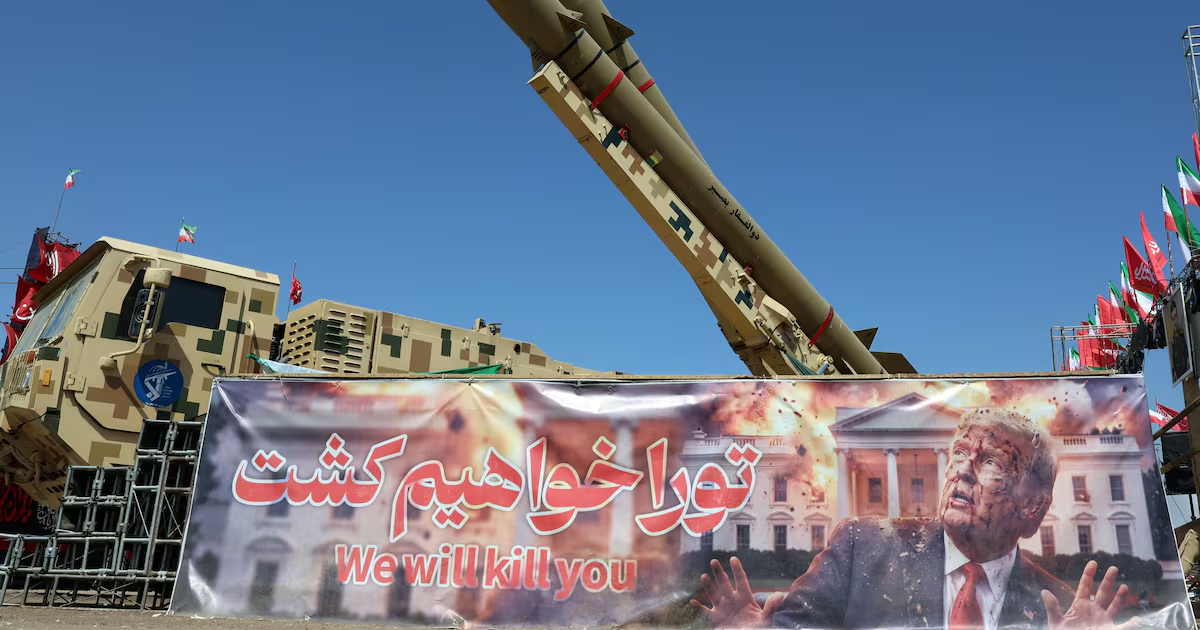
WASHINGTON -- Iran’s latest missile attacks on US forces and bases in the region have exposed growing strains in the decades-old US-Gulf security partnership, according to Allison Minor, director of the Atlantic Council’s Project for Middle East Integration and former director for Arabian Peninsula affairs at the White House National Security Council during US President Donald Trump’s first term.In a recent Atlantic Council analysis co-authored with Alina Romanowski, a former US ambassador to Kuwait and Iraq, Minor argued that Washington and its Persian Gulf partners should move away from a US security guarantee and toward regional integration, shared capabilities, and stronger partnerships.RFE/RL spoke with Minor about why she believes the traditional US security model in the Gulf is no longer sustainable -- and what should replace it.This interview has been edited for length and clarity.RFE/RL: Iran has carried out attacks targeting US forces and bases in the region. What does this moment reveal about the vulnerabilities of the current US security posture in the region?Allison Minor: I think this latest round of strikes just underscores the really tough situation that the US has found itself in, with an escalatory spiral that has proven extremely hard to get out of. The Iranian regime is making it clear that they will end this conflict on their own terms, and that they’re not afraid of continued confrontation with the US.So, getting back to some sort of de-escalation, a cease-fire, and a new agreement on the Strait of Hormuz is going to be extremely difficult in these circumstances.RFE/RL: Your Atlantic Council article argues that this is a turning point for the US-Gulf security partnership. Why do these latest attacks make a reset necessary now?Minor: The tensions in US-Gulf security partnerships go back years. There’s been this overriding sense that the idea of a US security guarantee -- this idea of the Carter Doctrine (then-President Jimmy Carter's 1980 pledge to use US military force to defend vital American interests in the Persian Gulf) that has been in place for decades, and really was the overriding assumption in the region following the Gulf War -- has been fading.
Iran Has Tested the Gulf. Now Washington Must Rethink Its Security Role, Says Former Trump NSC Official Allison Minor
Former Trump White House official Allison Minor says Iran's latest attacks exposed the limits of the traditional US security guarantee in the Gulf. She argues Washington should shift toward a regional security model built on shared capabilities, integration, and stronger partnerships.
1,425 words~6 min read