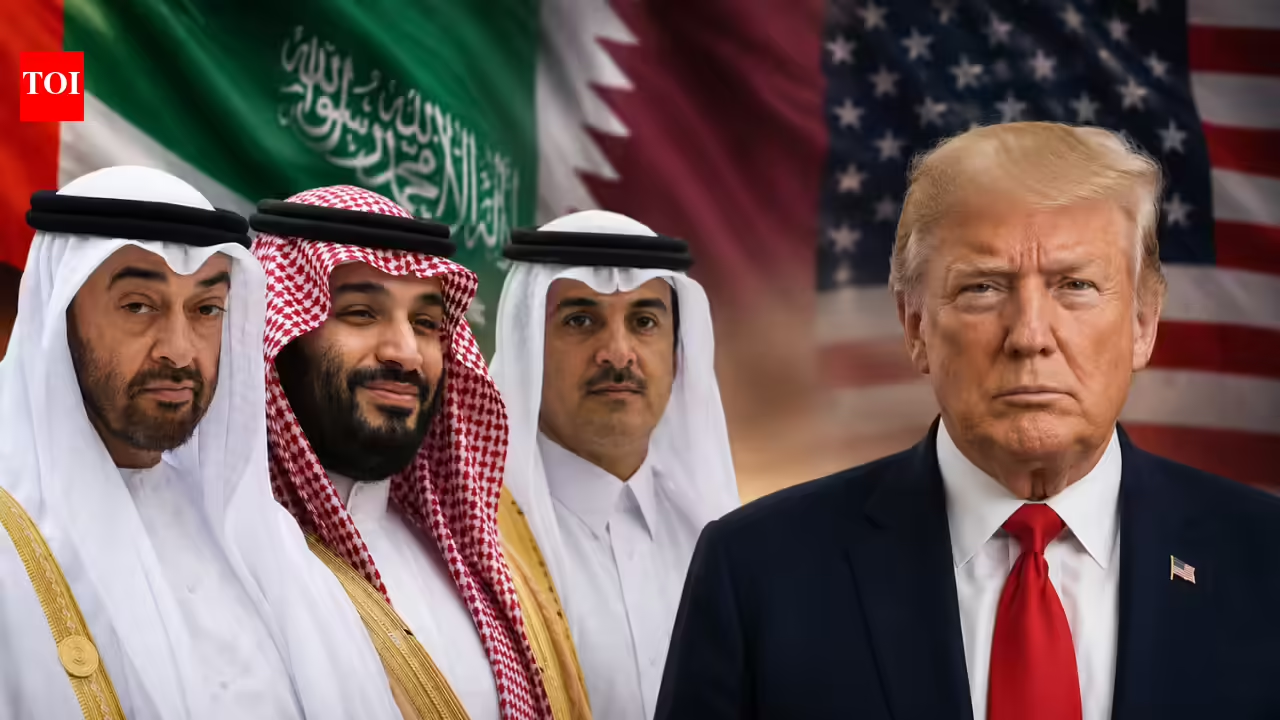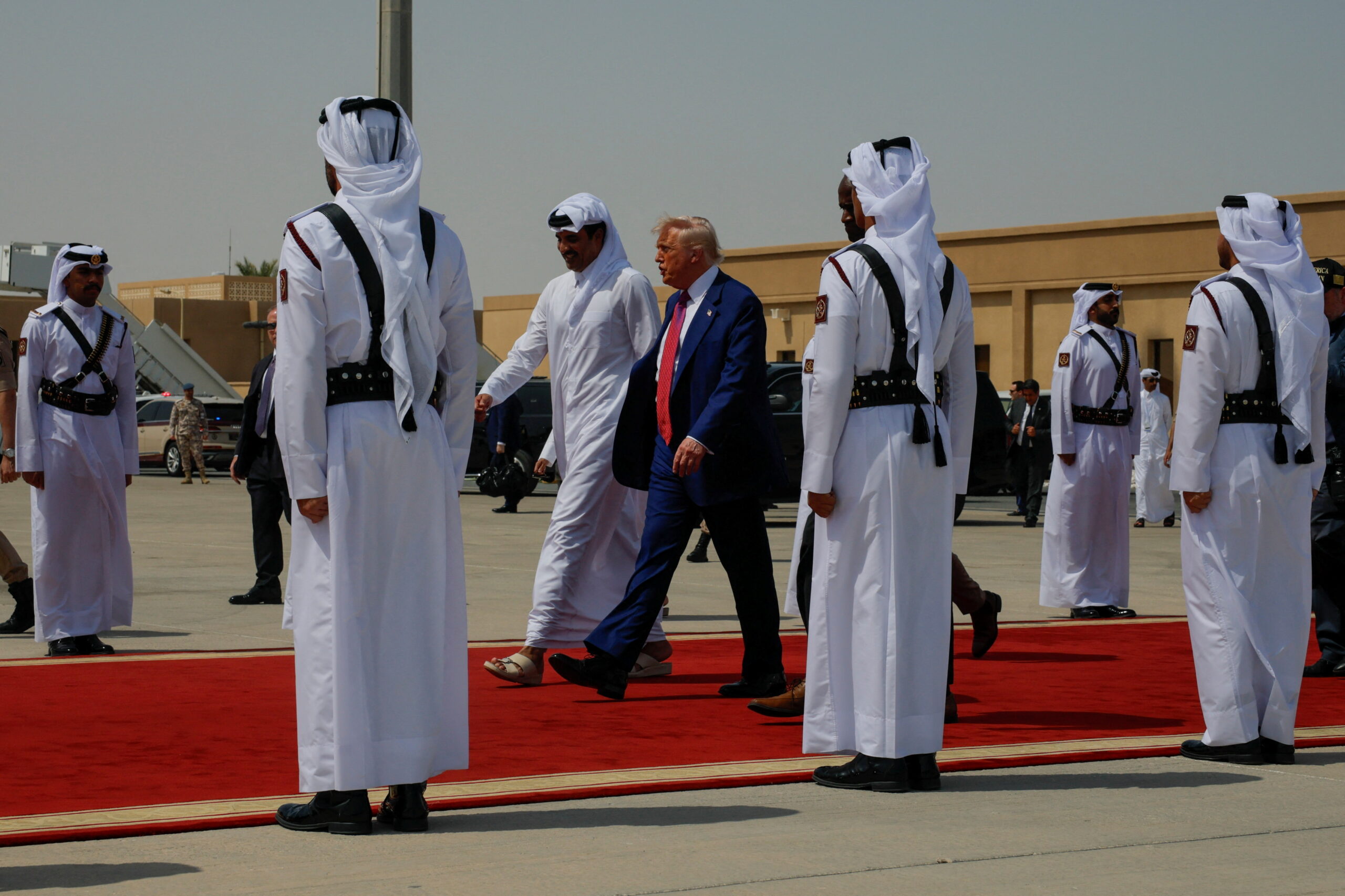
WASHINGTON—For over a quarter century, the US role as a security guarantor in the Gulf has rested on deliberate ambiguity—an approach that has created persistent tension among regional partners and within Washington. But with the Iran war, even the most basic assumptions about this security arrangement have been challenged.
Unprecedented Iranian attacks on the Gulf this year and the absence of US consultation in the lead up to the war have left Gulf leaders deeply frustrated with the country that has served as their main security partner since the First Gulf War. Gulf countries are now fundamentally reassessing their security strategies, including how they partner with the United States. Amid political backlash to the war in the United States, Washington is also likely to recalibrate its presence in the region.
Against this backdrop, it is imperative for the US to reassure its Gulf partners that it can be a more reliable security partner, even if the terms of that partnership must change. To achieve this, the Trump administration should articulate and implement a new vision for its security commitments in the region. This vision—which must be rooted in sufficient bipartisan support—should focus on transitioning the US from a security guarantor to a security integrator, reducing the US military presence in the region while helping Gulf countries strengthen their capabilities, and returning to a strategy of building stronger like-minded coalitions.