Story audio is generated using AI
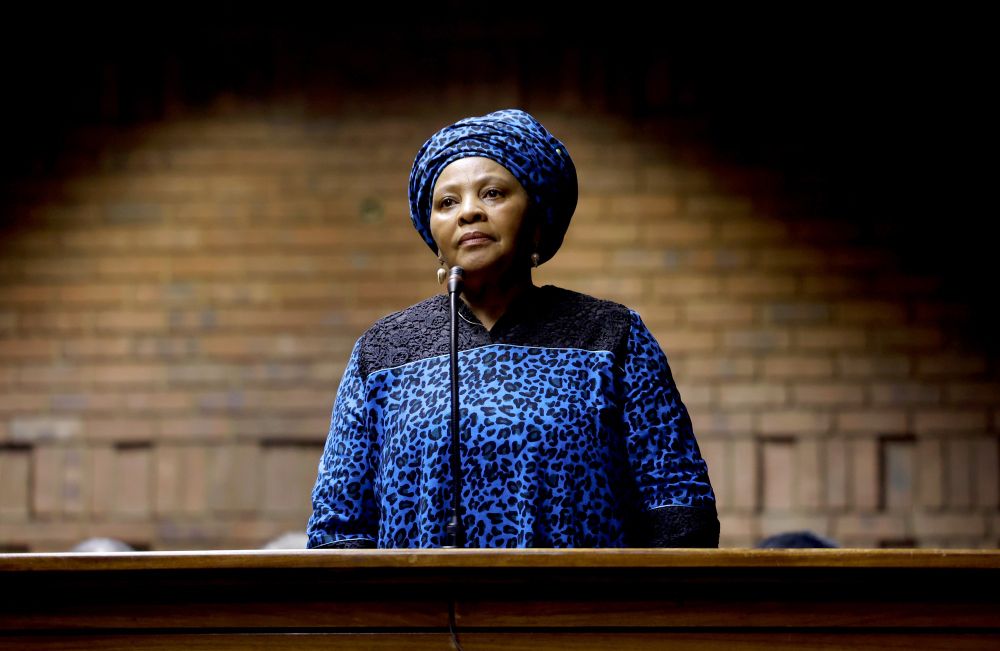
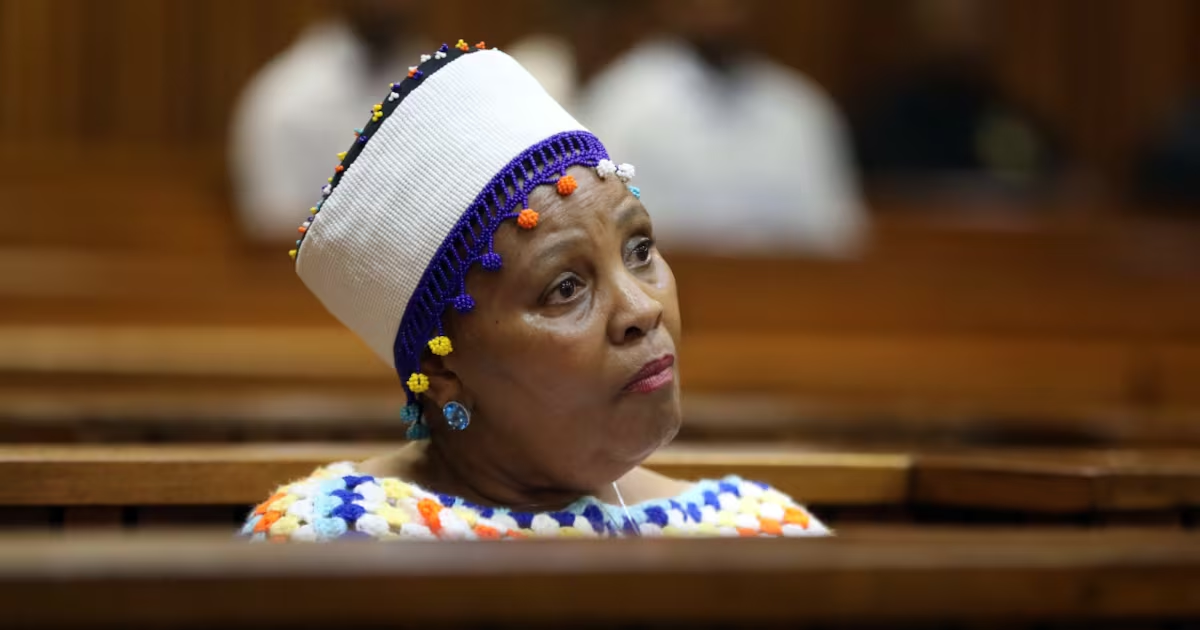
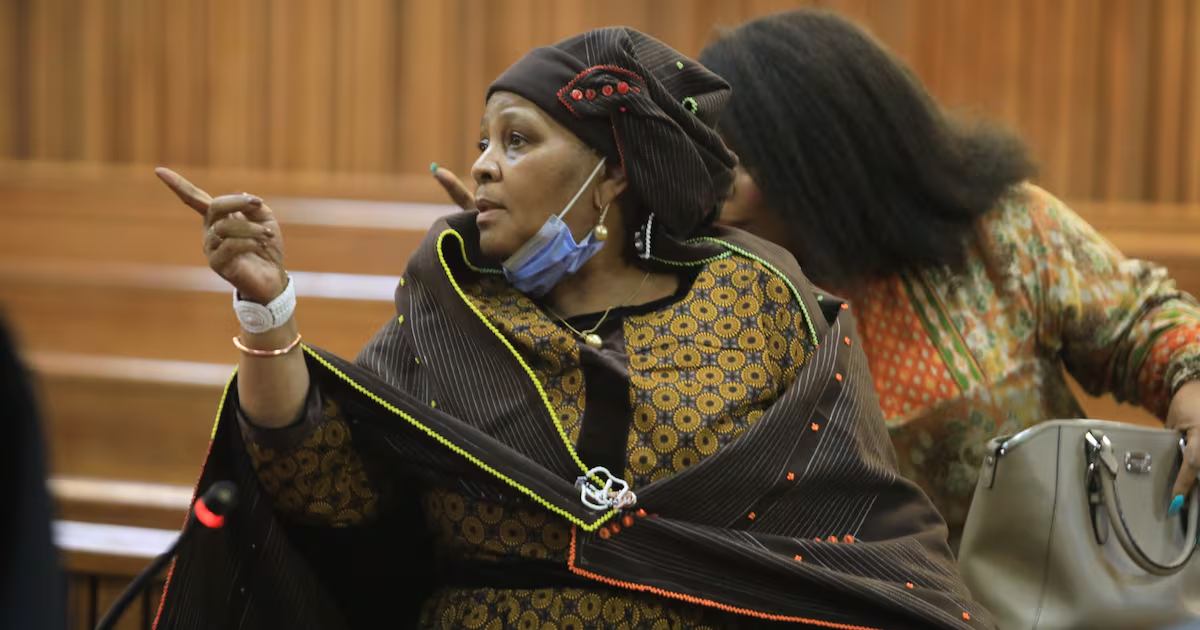
The high court in Pretoria has heard details of how former defence & military veterans minister Nosiviwe Mapisa-Nqakula and Nombasa Ntsondwa-Ndhlovu bonded over their shared calling as traditional healers, allegedly using terms such as “impepho” (African sage) as a code word for bribe money.Mapisa-Nqakula faces 12 counts of corruption and one count of money laundering following allegations that she solicited about R4.5m in cash kickbacks and luxury items from a defence contractor, ultimately receiving around R2.1m in cash and benefits.On Thursday, Ntsondwa-Ndhlovu — a military contractor and the state’s star witness — returned to the stand for cross-examination by the defence. She previously testified that she paid the former minister substantial cash bribes after securing multimillion-rand logistics tenders with the SANDF.Ntsondwa-Ndhlovu claimed Mapisa-Nqakula frequently used code words when requesting cash, including “padkos”, “wig” and “impepho”, as well as “snuff” to refer to money. She said “snuff” meant R150,000.Nosiviwe Mapisa-Nqakula, former defence minister, at the Pretoria high court. Picture: (Mukovhe Mulidzwi) However, Mapisa-Nqakula’s advocate, Siyabulela Mapoma SC, challenged the credibility of these claims. He pointed out that none of the text messages contained these terms. In response, Ntsondwa-Ndhlovu clarified that while the accused used these terms verbally at times, she did not personally use them in written communications.The court examined WhatsApp messages extracted from Ntsondwa-Ndhlovu’s phone. On June 22 2019, the witness messaged Mapisa-Nqakula asking when she could visit her “indumba” (a traditional healer’s consultation room) to discuss ongoing challenges.Mapoma questioned what Ntsondwa-Ndhlovu meant by “indumba”, noting her prior statement that she never personally used code names. Ntsondwa-Ndhlovu explained that she was referring directly to Mapisa-Nqakula’s house, maintaining that it was not a code word.In subsequent messages, Mapisa-Nqakula responded that she would be available at her “indumbeni”, adding that there was “no money” there. Ntsondwa-Ndhlovu replied that she would bring “impepho”. Under cross-examination, Ntsondwa-Ndhlovu explained that “impepho” was used to indicate she would bring R150,000.Mapisa-Nqakula, while admitting to having a traditional calling, denied practising as a traditional healer and refuted all allegations of receiving bribe money. The defence argued that Mapisa-Nqakula believed both women shared a connection through their roles as traditional healers. Ntsondwa-Ndhlovu denied this shared identity.Mapoma further suggested that the two women were close and that Ntsondwa-Ndhlovu had confided in the minister about personal family disputes. Ntsondwa-Ndhlovu rejected this, stating she would never disclose personal problems to a senior figure in her professional field.Mapisa-Nqakula agreed they were not friends and denied requesting that the witness throw bones or consult on her behalf.The court also addressed allegations that Mapisa-Nqakula requested R2m to facilitate the promotion of Ntsondwa-Ndhlovu’s husband to the rank of general. Ntsondwa-Ndhlovu testified that she rejected the demand outright because her husband was already qualified for the post, meaning no payment was ever made. Mapisa-Nqakula denied ever asking for the payment.When Mapoma asked why no code names appeared in messages regarding this exchange, Ntsondwa-Ndhlovu stated that the conversation took place in person at the accused’s home, where codes were unnecessary.Mapoma argued that the claim was logically impossible because appointments at that level were formally made by the president, making it improbable for the minister of defence to offer such a deal. Ntsondwa-Ndhlovu countered that recommendations originate with the chief of the SANDF, with the president serving as the final approving authority. Regarding allegations that Mapisa-Nqakula demanded $10,000 in cash, Mapoma asked where in the chat history such a request appeared. Ntsondwa-Ndhlovu stated the request was made via a phone callMapoma maintained that because recommendations rested with the chief of the SANDF, not the minister, the allegation lacked credibility.Regarding allegations that Mapisa-Nqakula demanded $10,000 in cash, Mapoma asked where in the chat history such a request appeared. Ntsondwa-Ndhlovu stated the request was made via a phone call.She pointed to a chat in which she informed Mapisa-Nqakula that she had found the “snuff”. They discussed and asked how to deliver it, testifying that “snuff” referred to the requested US dollars. Mapoma argued this contradicted her earlier claim of never using code words herself.Mapoma also noted that strict security protocols prevented visitors from taking unchecked gifts or items to a minister. Ntsondwa-Ndhlovu maintained the transaction occurred and stated that a corroborating witness, her friend Simphiwe Damane, would testify to this.During further questioning regarding Damane, Ntsondwa-Ndhlovu acknowledged lending her R90,000 for her child’s university registration, which was repaid. However, when asked about an additional R50,000 loan, Ntsondwa-Ndhlovu said she could not recall it.Mapoma presented bank statements showing a R50,000 transfer made to Damane on April 16 2019. The witness reiterated that she only recalled the R90,000 transaction alongside minor incidental expenses during outings.Mapisa-Nqakula has denied all allegations of receiving monetary or material benefits from the witness.The defence asserted that Ntsondwa-Ndhlovu’s testimony was motivated by self-preservation, specifically an attempt to avoid separate corruption and fraud charges in the specialised commercial crimes court that could lead to her company being blacklisted. Ntsondwa-Ndhlovu firmly rejected this claim, insisting she has been completely truthful throughout her testimony.Ntsondwa-Ndhlovu concluded her testimony on Thursday, and the state is set to call its next witness.TimesLIVE